Fish
Fish Fire
Fire Hike
Hike Bird
Bird

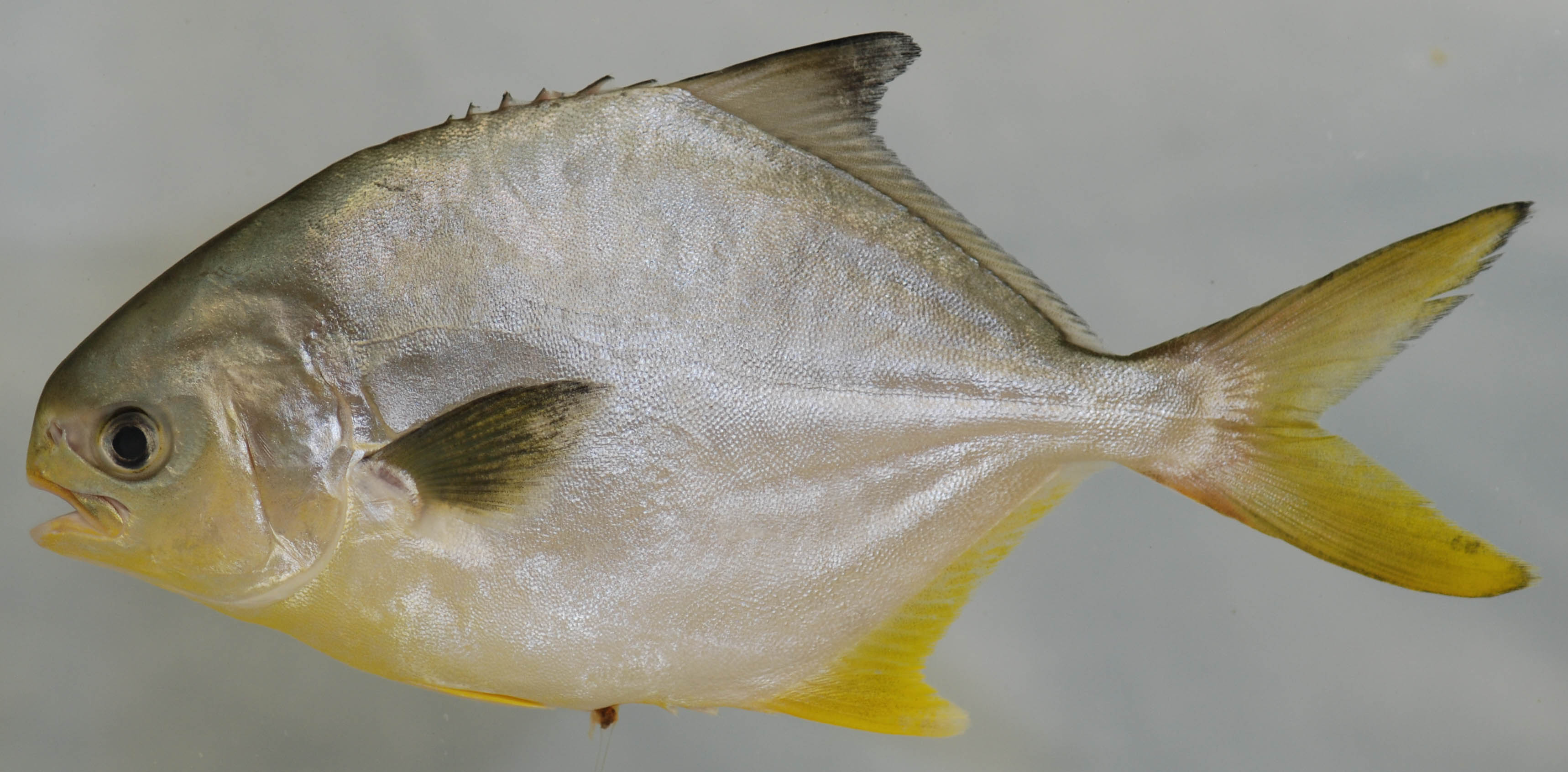

The pompano is the surf caster's golden prize, a small, powerful, silver-and-yellow jack that patrols the beach wash and ranks among the most delicious fish in the sea (it's one of the priciest fillets at any market). Pompano cruise the surf zone in schools, rooting sand fleas and coquina clams out of the churned-up sand right where the waves break, which puts them within reach of anyone standing on the beach with a rod. They pull hard for their size, they're beautiful, and a cooler of pompano is one of the great rewards in saltwater fishing. This guide covers how pompano feed and where they hold, how to read a beach, and every core technique, with step-by-step instruction, to catch them.
Pompano are the small cousin of the famous flats fish, see our guide on how to catch permit, and for more inshore action, how to catch redfish.
The Surf Jewel
The Florida pompano (Trachinotus carolinus) is a small member of the jack family, built like a compact silver disc with a deep body, a small mouth, a forked tail, and a beautiful golden-yellow wash across the belly and lower fins. It's the smaller cousin of the permit, but it lacks the permit's elongated fin lobes and dark side blotch, and it stays much smaller. Most pompano run 1 to 3 pounds (12 to 17 inches); a fish over 3 pounds is a very good "flat," and the giants approach 6 to 8 pounds. They're found along the Atlantic and Gulf beaches, from the Mid-Atlantic through Florida and around the Gulf.
Pompano are pursued for two reasons: they fight hard, using their flat, muscular bodies to pull and dig against the drag, and, above all, they are superb eating, with sweet, rich, firm white fillets that command a premium price and are the target of a devoted surf-fishing following. Accessible from the beach and delicious on the plate, the pompano is the ultimate surf-fishing prize.
How Pompano Feed
Understanding how pompano feed tells you exactly where and how to fish. Pompano cruise the surf zone in schools, feeding on the small crustaceans and mollusks churned up by the waves, above all sand fleas (mole crabs) and coquina clams, plus small shrimp and worms. They root these morsels out of the wet sand right in the wash and the troughs where the waves break and stir up the bottom, using their small mouths to pluck food from the sand.
Two practical takeaways. First, match their food, sand fleas are the number-one pompano bait because they're exactly what pompano are eating. Second, fish the surf structure, the troughs, sloughs, and cuts where waves churn up food and pompano cruise. Pompano move along the beach with the tide and follow their preferred water temperature up and down the coast on seasonal runs. Put their favorite food in the trough where they travel, and you're in business.
Where and When to Find Pompano
Pompano relate to the surf zone and the beach's underwater contours. Target:
- The trough (or slough), the deeper channel of water running parallel to the beach between the sand and the first sandbar, where pompano cruise and feed. This is the key.
- Cuts and dips in the sandbars, breaks where water (and food) funnels through, concentrating fish.
- The wash and the first drop-off, where waves churn up sand fleas and clams.
- Piers and passes, pompano also school around piers and move through inlets and passes.
Timing follows the seasonal runs: pompano migrate along the coast with water temperature, and the spring and fall runs (as they move up and down the beaches) are the marquee times, when schools pour along the surf. In Florida, winter is prime; farther north, spring through fall. Moving tides and the warming/cooling migration windows are best. Learn to read the beach for the trough, and time the run.
The Techniques That Catch Pompano
Pompano are caught mainly by surf fishing bait in the trough, plus jigging. Here are the core methods, how to fish each, and when to use it.
Surf Fishing with a Pompano Rig, the classic
The pompano rig, a multi-drop bottom rig with small floats and colored beads, fished with sand fleas in the surf is the definitive way to catch pompano.
How to fish it: Rig a pompano rig (a leader with two or three dropper loops, each holding a small hook with a colored float/bead to lift the bait and add attraction) below a pyramid sinker that holds bottom in the surf. Bait the hooks with sand fleas (or shrimp, clam, or Fishbites), and cast it into the trough just behind the breaking waves. Set the rod in a sand spike, keep the line fairly taut, and watch the tip for the sharp tap or bend of a pompano. The floats keep the bait up where cruising pompano see it, and the multiple hooks let you offer different baits and even catch doubles.
How to Tie a Pompano Rig for Surf FishingCatching and Rigging Sand Fleas, the top bait
Sand fleas (mole crabs) are the number-one pompano bait because they're exactly what pompano eat, and you can catch your own for free right on the beach.
How to fish it: Find sand fleas in the swash zone (the wet sand where waves wash up and back), look for the little V-shaped ripples and their feeding antennae, and scoop them up with a sand flea rake or your hands as the water recedes. Hook a sand flea through the shell from the bottom (the "digger" end) so the point comes out the top, keeping it compact and natural. Fresh, live sand fleas are deadly; you can also freeze extras. Learning to gather and rig your own sand fleas is a core pompano skill and dramatically boosts your catch.
How to Hook a Sand Flea for PompanoPompano Jigs, the active approach
Pompano jigs (like the classic "goofy jig") let you actively cover water and target pompano, a fun alternative to soaking bait.
How to fish it: Cast a pompano/goofy jig (a Doc's Goofy Jig or similar, often brightly colored) into the trough and along the beach, and retrieve it with a hop-and-drop action, lifting the rod to make the jig dart up, then letting it fall back to the sand, imitating a fleeing sand flea or shrimp. Pompano hit it on the fall. Tipping the jig with a piece of sand flea or Fishbites adds scent. Jigging lets you stay mobile, cover the beach, and target visible schools, and it's an engaging, effective way to catch pompano, especially from piers and in clear water.
How to Fish Pompano JigsReading the Beach, find the trough
You can have the best bait in the world, but if you're not fishing where pompano travel, you won't catch them, so reading the beach to find the trough and the cuts is the master skill.
How to fish it: Before you cast, study the surf. The trough shows as a strip of darker, calmer, deeper water running parallel to the beach between the breaking waves and the sand, that's where pompano cruise. Look for cuts (breaks in the sandbar where water funnels through, often marked by a gap in the line of breakers or a rip), points, and dips, which concentrate fish and food. Fish your baits in the trough and at the cuts, not on the shallow bar. A few minutes reading the water at low tide (when the structure is most visible) tells you exactly where to fish, and it's the difference between a slow day and a limit.
How to Read the Beach for Surf FishingPier Fishing, reach the schools
Piers put you out over the trough and the passing schools, and offer a productive, accessible way to catch pompano without long surf casts.
How to fish it: From a pier, fish a pompano rig with sand fleas or shrimp on the bottom, or cast and jig a pompano jig, targeting the trough and the sandbar edges the pier crosses. Pompano schools moving along the beach pass right by the pier, and you can often see them or spot other anglers hooking up. Piers also let you reach cleaner water and deeper cuts than you can from the sand. It's a great option when the surf is rough or you want to be over the fish, and a fun, social way to catch pompano.
How to Catch Pompano at the PierShrimp, Clams, and Fishbites, when sand fleas are scarce
When you can't get sand fleas, fresh shrimp, clam, and synthetic Fishbites all catch pompano and are convenient, effective alternatives.
How to fish it: Bait your pompano rig hooks with small pieces of fresh shrimp, fresh clam, or a strip of Fishbites (a scented synthetic bait that stays on the hook well and works great for pompano), and fish them exactly like sand fleas, in the trough, behind the breakers. Many pompano anglers tip a hook with both a sand flea and a piece of Fishbites for the best of scent and natural bait. These baits are readily available, tough on the hook, and reliable producers, making them a smart backup (or primary) when live sand fleas aren't handy.
How to Rig Fishbites for PompanoWorking the Beach: Rods, Casts, and Staying Mobile
Successful pompano surf fishing is as much about how you work the beach as what you put on the hook. A few habits stack the odds in your favor.
Fish multiple rods (where legal) to cover different distances and spots, set two or three in sand spikes at varying casts, some in the near trough and some farther out past the bar, and let the fish tell you which zone they're using. Vary the baits on your droppers, too, until you find what's working. Space your casts to cover the trough and the cuts you've identified rather than piling everything in one spot.
Be willing to move. Pompano travel the beach, so if you're not getting bites in 20 to 30 minutes and you've fished the water thoroughly, pick up and walk to the next cut or trough, mobility finds the schools. Many pompano anglers cover a lot of beach in a day. And watch for signs: pelicans and other birds working the surf, bait flipping in the wash, and other anglers hooking up all point you to the fish.
Finally, keep your hooks sharp and your bait fresh, re-baiting regularly (the surf washes bait out and picks it apart), and pay attention to the tide, moving water, especially the incoming and the couple of hours around high tide, usually turns the pompano on. Read the water, cover it efficiently, stay mobile, and stay fresh, and you'll consistently out-fish the angler who just sets a rod and waits.
Gear for Pompano
Pompano surf gear is built to cast a rig into the trough and feel a light bite:
- Surf rod and reel: A 10- to 12-foot surf rod with a 4000–6000-size spinning reel for casting distance to reach the trough; a shorter rod works from piers and calm beaches.
- Line and leader: 15- to 20-lb braid (or 12–17 lb mono) with a fluorocarbon leader on the rig.
- Terminal tackle: Pompano rigs (dropper rigs with floats and beads), small hooks (size 1 to 2), and pyramid sinkers (2–5 oz) to hold bottom in the surf, plus pompano/goofy jigs.
- Bait and tools: Sand fleas (and a sand flea rake to gather them), fresh shrimp, clam, and Fishbites, plus sand spikes (rod holders) for the beach.
One of the Best Fish You Can Eat
Let's be honest about a big reason pompano are so sought-after: they are among the finest-eating fish in the sea, with sweet, rich, firm white fillets that are a delicacy and command top dollar at any market. A cooler of pompano is a genuine prize. They're managed with size and bag limits that vary by state (and change to protect the fishery), so know and follow the current rules, keep your legal limit of these delicious fish, and release the rest gently. Fresh pompano, grilled whole or filleted and pan-seared, is one of the great rewards of surf fishing, well worth the effort of reading the beach and gathering the sand fleas.
Putting It All Together on the Beach
Pompano fishing rewards the angler who reads the water and stays mobile. Learn to spot the trough and the cuts, gather fresh sand fleas out of the swash zone, fish them on a pompano rig behind the breakers, and be willing to walk the beach until you find a school. It's a fun, productive, family-friendly way to fish, the kind of surf fishing you can do from the sand or a nearby pier, with the whole family along. Master the trough, time the spring and fall runs, keep your baits fresh and your hooks sharp, and a cooler of the beach's golden prize is well within reach.