Fish
Fish Fire
Fire Hike
Hike Bird
Bird

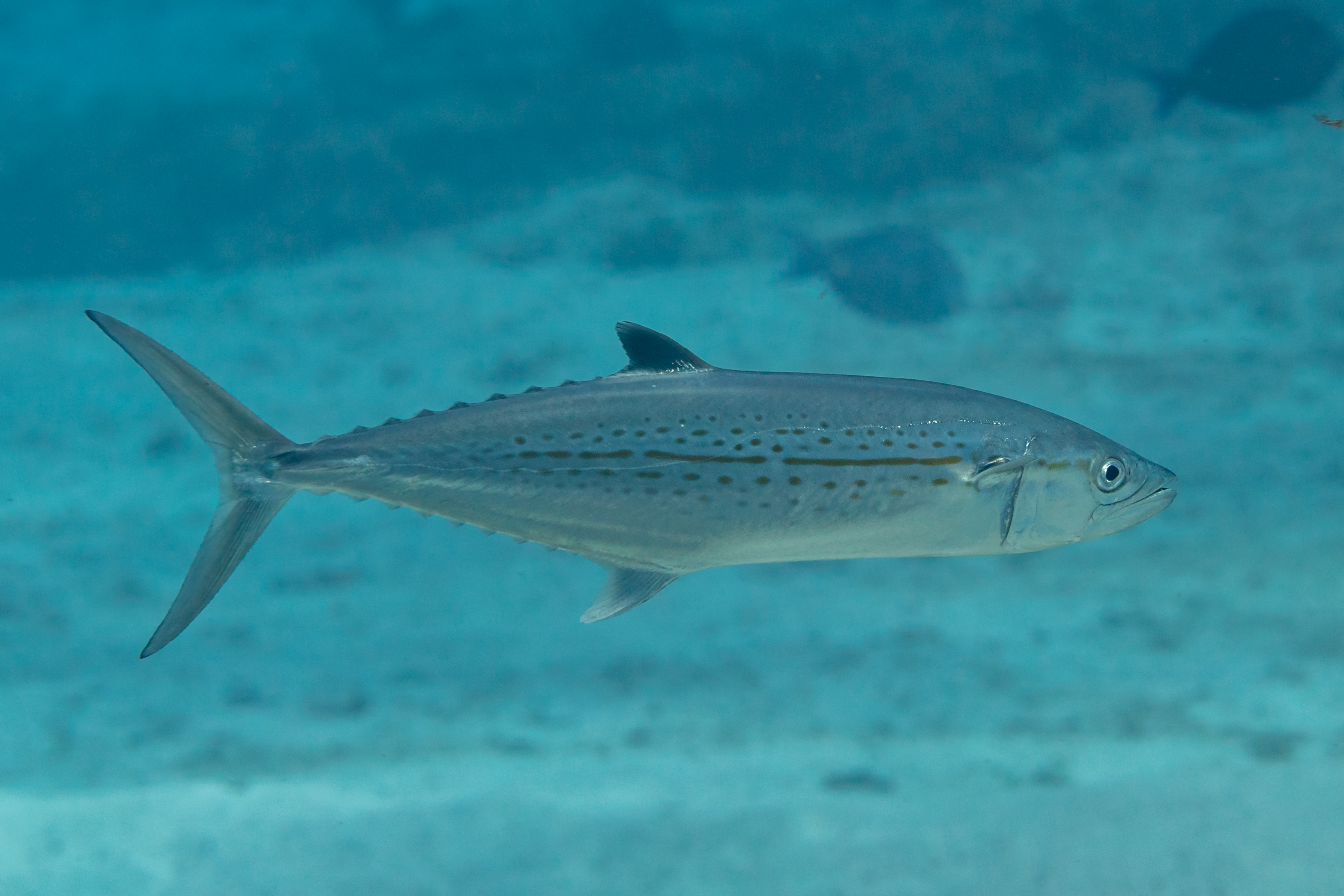

Among the mackerels of South Florida and the Caribbean, the cero stands out as the prettiest, the tastiest, and arguably the most fun to catch on light tackle. Where the Spanish mackerel is a familiar coastal fish and the king mackerel a big-water speedster, the cero is a reef fish, a fast, hard-hitting predator that patrols patch reefs, wrecks, and channel edges from the Florida Keys through the Bahamas and the Caribbean. It slashes at jigs, spoons, live baits, and even topwater plugs, fights well above its weight on light gear, and rewards the angler with firm, delicious fillets that are prized for the grill and the sushi board.
The cero mackerel (Scomberomorus regalis) is a slender, streamlined member of the mackerel family, silvery with a beautiful pattern of yellow-brown spots, and, crucially, a distinct bronze or yellow stripe running down the middle of its side, which is the key to telling it from the spot-only Spanish mackerel. Most run one to five pounds, with good fish reaching eight to ten pounds or more, and they carry the sharp teeth and fast, slashing attack typical of the mackerel clan. They are structure-oriented reef predators, which shapes everything about how you find and catch them.
This guide covers the cero playbook: where they hold, the rigs and lures that work, live-bait and topwater tactics, telling a cero from its cousins, and cleaning your catch. If you want to get on the reef and into the cero fast, start with the ten-to-forty-foot patch reefs, coral heads, and channel edges where these fish live, and work the up-current side where the feeding happens.
Understanding cero: behavior and habitat
A little understanding of how cero live makes them far easier to target. They are warm-water fish, at home in the tropical and subtropical waters of South Florida, the Bahamas, and the Caribbean, and they are present year-round across much of that range rather than making the long seasonal migrations of Spanish and king mackerel. That resident, structure-tied lifestyle is a big part of what makes them such a reliable reef target, find the right reef and the fish are usually home.
Cero are fast, visual, ambush-and-chase predators that feed heavily on small baitfish, pilchards, sardines, herring, silversides, and the like, along with squid and shrimp. They use their speed to run down prey and their sharp teeth to slash it, often attacking bait near the surface in fast, showy strikes. Everything about their feeding points to the tactics that work: fast-moving, flashy lures; lively small baitfish; and presentations worked where the current concentrates their prey. They are not lazy bottom-grubbers but active hunters, so an offering with movement and flash almost always beats a static one.
They are also somewhat solitary or found in small groups compared with the big schools of Spanish mackerel, and they tend to relate to a particular reef or piece of structure. This means you often catch a few good cero off a productive spot rather than filling a cooler from one massive school, another reason building a rotation of known patch reefs and structure edges pays off over a day of fishing.
Finding cero: patch reefs and structure
Unlike the roaming Spanish mackerel schools, cero are reef fish that relate closely to structure. Look for them over and around patch reefs, coral heads, wrecks, channel edges, and the drop-offs where reef meets sand, anywhere that bait concentrates and current sweeps food past waiting predators. In the Florida Keys, the countless patch reefs in ten to forty feet of water are classic cero grounds, and the same structure-focused approach works throughout their Caribbean range.
Cero often hang near the up-current edge of a reef or structure, waiting to ambush bait that the current delivers. That makes reading the current essential: position yourself so your bait or lure works naturally with the flow across the productive edge of the structure. A chum slick over a patch reef is a proven way to draw cero (and plenty of other reef species) up into range, concentrating the fish where you can cast to them.
Finding and catching cero mackerel on the reefBecause cero relate to specific structure, a fishfinder and local knowledge pay off, marking the patch reefs, edges, and wrecks that hold fish lets you build a milk run to work through a day. Once you find a productive reef, cero often reward repeated visits. Tide and current strength matter too: a moving tide that pushes water across the reef edge switches on the feed, while dead slack water often shuts it down, so time your best reefs for the productive stages of the tide. Clean, clear water over healthy reef tends to hold more and better cero than murky, dead bottom.
Rigs and terminal tackle
Cero, like all mackerel, have sharp teeth, so the biggest terminal-tackle question is how to avoid bite-offs without spooking these often line-shy fish. Many anglers use a short trace of light single-strand wire or heavy fluorocarbon leader ahead of the hook or lure. Wire guarantees against cut-offs but can reduce bites in clear water; a long fluorocarbon leader (40–50 pound) gets more strikes but costs you the occasional fish to a bite-off. Matching the choice to conditions, wire when the fish are aggressive, fluoro when they are finicky, is part of the game.
Keep the rest of the setup light. A medium-light spinning outfit with 10- to 20-pound braid and a fluorocarbon leader makes cero a blast and lets you cast small jigs and lures a long way. For live bait, a small, sharp live-bait hook on a short leader lets the bait swim naturally; for lures, tie direct to the leader or use a small, strong snap for quick changes.
Cero mackerel rigs and leadersWhatever you tie, keep hooks sharp and check your leader for nicks after every fish, a cero's teeth chew leader, and a frayed line is a lost fish waiting to happen. A little terminal-tackle discipline keeps you connected to more of the fish you hook.
Light-tackle jigs and spoons
Casting and jigging small lures is one of the most productive and enjoyable ways to catch cero. A shiny casting spoon, a small metal jig, or a bucktail worked with speed imitates the small baitfish cero hunt, and their fast, slashing strikes on light tackle are what make them so much fun. Cast to the up-current edge of a reef or into a chum slick, let the lure sink to the fish, and retrieve fairly fast with darting twitches, cero chase down a moving lure and hit it hard.
Speed and flash are the keys. Cero are fast, visual predators, so a lure moving quickly with plenty of flash triggers reaction strikes. Vary your retrieve speed and depth until you find the fish, then repeat the pattern. Shiny silver and gold spoons, white and chartreuse bucktails, and small metal jigs are all mainstays; match the size to the bait the fish are chasing.
Light-tackle jig and spoon fishing for mackerelBecause cero hold near structure, be ready to turn a fish quickly after the strike to keep it out of the reef, but do not overpower them, light drag and a smooth rod let you enjoy the fight while still landing the fish. On the right day, casting lures to a chummed reef produces nonstop action.
A jig or spoon's action on the fall can be as important as the retrieve. Cero, like many mackerel, often hit a lure as it flutters down, so let your metal sink on a controlled semi-slack line and stay ready for a strike before you begin cranking. If you are getting followers but no commitment, speed up rather than slow down, a lure fleeing faster often triggers the reaction strike that a hesitant retrieve does not. And keep your hooks needle-sharp: a cero's hard, bony mouth and slashing take mean a dull point results in dropped fish, so touch up or replace hooks often when the bite is on.
Live bait and topwater
When you want the biggest cero, live bait is hard to beat. A lively pilchard, threadfin, ballyhoo, or other small baitfish drifted or slow-trolled across a patch reef or along a structure edge is irresistible to a hunting cero. Free-line the bait so it swims naturally in the current, or fish it under a float to keep it in the strike zone, and be ready for a fast, hard strike. Live chumming with pilchards to fire up the reef and then pitching a live bait into the frenzy is a deadly Keys technique.
Cero will also crush a topwater plug, which is one of the most exciting ways to catch them. A walk-the-dog plug or a small popper worked across the surface over a reef draws explosive strikes from cero racing up from the structure. Topwater shines in low light and calm conditions, and the visual take of a cero blasting a surface plug is unforgettable.
Cero mackerel on topwater and live baitWhether on live bait or topwater, cero often reveal themselves by slashing at bait near the surface, so watch for the commotion and put your offering into it. Combining a chum slick with a well-presented live bait or a well-timed topwater cast is a reliable path to the best fish on the reef.
Bait care makes a real difference with live-bait cero fishing. Keep your pilchards or threadfins healthy in a well-aerated livewell, and hook them lightly through the nose or in front of the dorsal so they swim freely and naturally, a lively, frisky bait draws far more strikes than a tired one. When you deploy live chum, toss a few free baits to fire up the reef and get the cero competing, then pitch your hooked bait into the melee; the competition often triggers an immediate, confident strike. If the cero are being cautious, lengthening your fluorocarbon leader and downsizing the hook to let the bait swim more naturally can turn lookers into biters.
Telling a cero from a Spanish or king mackerel
Correctly identifying your catch matters for the record book, for the regulations, and for bragging rights. The cero, Spanish, and king mackerel look similar, but a few features separate them. The cero has both rows of yellow-brown spots and a distinct bronze/yellow stripe down the middle of its side, that mid-body stripe is the giveaway. The Spanish mackerel has scattered spots but no lateral stripe. The king mackerel is larger, lacks strong spots as an adult (young kings can show spots), and has a sharply dipping lateral line.
Other clues: the cero's first (spiny) dorsal fin is dark at the front, and its size and reef-oriented habits differ from the more open-water Spanish and king. When in doubt, look for that bronze stripe combined with spots, it is the cero's signature and the fastest way to confirm your fish.
Identifying cero, Spanish, and king mackerelKnowing your mackerels also helps you fish smarter, since cero's reef-focused behavior calls for the structure-oriented tactics above, while Spanish and king are found and fished differently. Learn the ID and you will understand where and how to target each.
Cleaning and eating cero mackerel
Cero are widely considered the best-eating of the small mackerels, their firm, flavorful flesh is milder and finer than many mackerels and is prized both cooked and as sushi and sashimi when perfectly fresh. As with all mackerels, quality on the plate depends on immediate care: bleed the fish and get it on ice the moment you land it, because the flesh is rich and degrades quickly in the tropical heat.
Filleting is straightforward: cut behind the head, run the knife along the backbone to the tail, and lift off two clean fillets, then remove the skin and the dark bloodline for the mildest flavor. Cero take beautifully to the grill, the pan, and the smoker, and top-quality fish make excellent ceviche and sashimi.
How to fillet and clean cero mackerelRespect the regulations, mackerel carry size and bag limits that vary by state and country, and the Keys and Caribbean each have their own rules. Keep only what you will eat, handle released fish carefully given their fast metabolism, and enjoy one of the finest fish the reef has to offer.
Bringing it together
Cero mackerel bring together everything that makes reef fishing fun: fast, hard-hitting fish that live on beautiful patch reefs, fall for light-tackle jigs, spoons, live baits, and topwater plugs, and finish as some of the best table fare and sushi in the sea. Find the structure, read the current, fish light with the right leader, and match your presentation to the day, and the cero will reward you. Learn to tell them from their cousins, time the tides, care for your catch, and you will have mastered one of the Keys' and the Caribbean's most prized and delicious inshore-reef targets.
Ready to hit the patch reefs? Load the livewell, pick a reef with clean water and a moving tide, and read the current before you cast, get on the structure the cero relate to, keep the flash moving, and the fast strikes follow.
For more warm-water mackerel and reef targets, see our guides on how to catch spanish mackerel, how to catch king mackerel, and how to catch yellowtail snapper.