Fish
Fish Fire
Fire Hike
Hike Bird
Bird

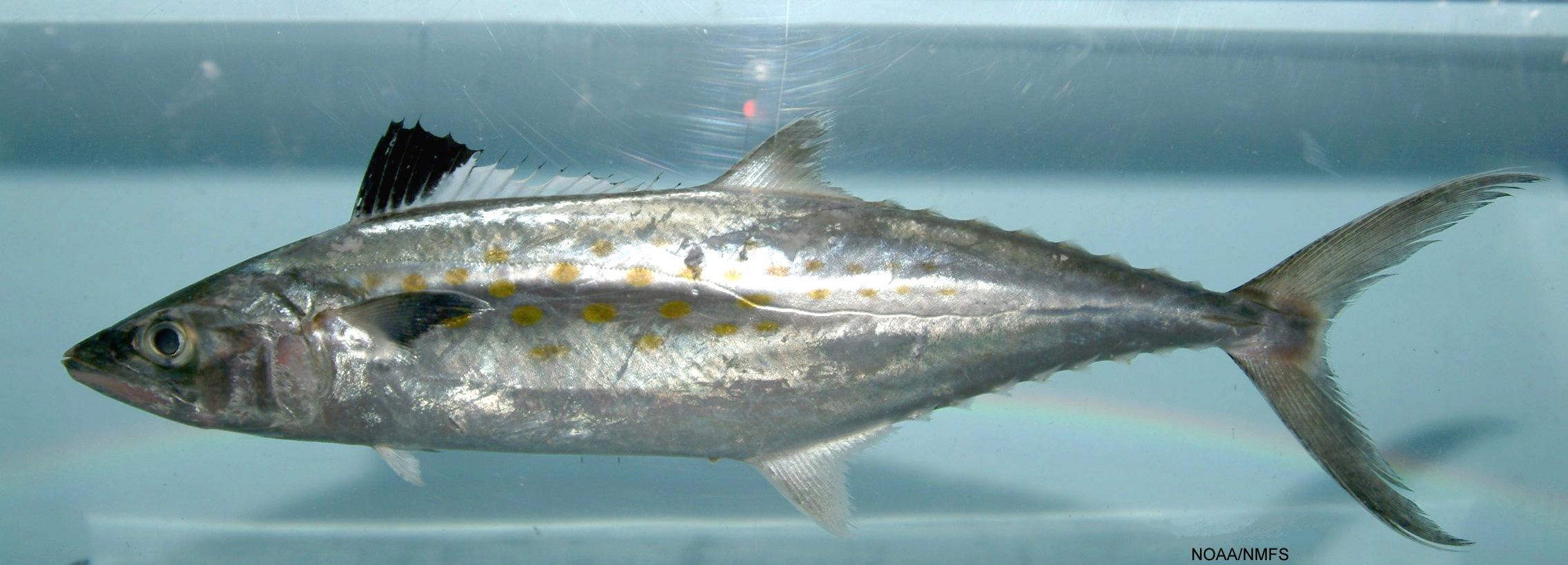

The Spanish mackerel is a streak of silver lightning, a fast, sleek, gold-spotted speedster that races along the beaches, inlets, and piers in hungry schools, slashing through clouds of glass minnows and hammering anything shiny you can retrieve fast enough. Spanish are one of the most fun and accessible saltwater fish there is: they're abundant, they show up close to shore where surf casters and pier anglers can reach them, they pull hard and run fast for their size, and, bonus, they're delicious eaten fresh. Catching them is a fast-paced, run-and-gun game of finding the schools and burning a shiny lure through them (while keeping your line safe from their sharp teeth). This guide covers how Spanish feed and where to find them, and every core technique, with step-by-step instruction, to catch them.
Ready for some fast action? Spanish share the nearshore with their bigger, toothier cousin and other pelagics, see our guides on how to catch king mackerel and how to catch bluefish.
The Nearshore Speedster
The Spanish mackerel (Scomberomorus maculatus) is a member of the mackerel family, built for speed: a slender, streamlined, silvery body with a bright green-blue back and rows of distinctive yellow-gold oval spots along the sides, a deeply forked tail, and a mouth full of small, sharp teeth. Its close relative the king mackerel is larger, has a more forward black patch on the front dorsal fin, and lacks the bright gold spots (young kings have a lateral line that drops sharply), but a "Spanish" is easy to know by those gold spots.
Spanish are on the small side: most run 1 to 3 pounds (14 to 20 inches), a fish over about 4 pounds is a nice "smoker," and the biggest approach 8 to 12 pounds. They're found along the Atlantic and Gulf coasts, migrating with warm water and following bait. Spanish are prized as fast, fun light-tackle sport and as excellent eating when fresh (their oily meat is superb grilled or smoked but must be iced immediately). Abundant, accessible, and hard-charging, the Spanish mackerel is one of the most enjoyable nearshore fish going.
Fast, Toothy, and Schooling
Everything about catching Spanish flows from three traits. First, they're fast pack hunters, Spanish roam in schools, chasing small baitfish (glass minnows, silversides, small menhaden) at high speed and attacking in frenzies that ripple and shower the surface. Second, they're sight feeders in clear water that key on small, flashy baitfish, so small, shiny, fast-moving lures are the ticket. Third, they have sharp teeth that slice light line, so a bite-resistant leader is a must.
Two practical takeaways. Retrieve fast, Spanish want to chase, and a lure burned quickly through a school draws the most strikes (they'll often ignore a slow bait). And find the schools and the bait, look for surface commotion, showering glass minnows, diving birds, and slicks, and get a fast-moving lure into the action. Fish fast, fish shiny and small, protect your line from the teeth, and follow the bait.
Where and When to Find Spanish
Spanish roam the nearshore wherever bait is thick. Target:
- Beaches and the surf, Spanish blitz glass minnows right off the sand.
- Inlets, passes, and jetties, current that funnels bait and concentrates fish.
- Piers, Spanish cruise right past pier ends, a classic and productive fishery.
- Nearshore, over bait schools and along color/temperature changes, for boat anglers casting and trolling.
- Bays and sounds, Spanish push into the bays chasing bait.
Timing follows the warm-water migration: Spanish arrive with warming water and are most abundant from spring through fall (year-round in the far south), keying on the presence of glass minnows and other small bait. Clear, calm water and low-light periods help, but the bite is really about the bait, when the glass minnows are thick and the Spanish are on them, the action is nonstop. Find warm water and thick bait, and you'll find Spanish.
The Techniques That Catch Spanish Mackerel
Spanish are caught by burning small shiny lures through the schools and trolling. Here are the core methods, how to fish each, and when to use it.
Casting Fast Lures, Gotchas, spoons, and jigs
Casting small, shiny lures and retrieving them fast is the go-to for Spanish, especially from beaches, piers, and jetties.
How to fish it: Cast a Gotcha plug (the classic Spanish lure), a small casting spoon (a Kastmaster or a small silver spoon), or a small shiny jig into or ahead of a school, and retrieve it fast, for a Gotcha, a hard, jerky, fast retrieve; for a spoon or jig, a quick, steady wind. The flash and speed trigger the Spanish's chase-and-slash instinct. Cast to surface commotion and blitzes, or blind-cast likely water and cover it quickly. A fast-moving shiny lure is exactly what a Spanish wants to run down. (Use a bite leader, see below.)
Catching Spanish Mackerel with Gotcha LuresTrolling Small Spoons, the Clark spoon and planer
Trolling small spoons behind a planer or trolling weight is the classic boat method for covering water and catching Spanish by the cooler-full.
How to fish it: Troll a small Clark spoon (or similar small silver/gold spoon) on a long leader behind a #1 or #2 planer or a trolling weight that gets the spoon down to the fish, at a fairly brisk trolling speed (4–7 mph), Spanish like a fast-moving spoon. Run the spoons along beaches, nearshore bait schools, and color changes, and use planers/weights to reach the depth the fish are holding. The small, fast spoon perfectly imitates the tiny baitfish Spanish chase, and trolling lets you cover water to find and stay on the schools. It's deadly and simple.
How to Rig a Clark Spoon for Spanish MackerelCasting to Blitzes, chase the frenzy
When Spanish corner bait and blitz on the surface, casting into the frenzy is fast, visual, and thrilling.
How to fish it: Watch for surface commotion, showering glass minnows, slicks, and diving birds that mark a Spanish blitz, ease within casting range (don't run over the school), and cast a fast lure into the chaos and burn it back. The strike is instant. Blitzes move and come and go, so stay mobile, keep a rigged rod ready, and be prepared to reposition. Chasing Spanish blitzes along a beach or in a bay, with birds working and fish showering bait, is some of the most exciting light-tackle fishing there is.
Spanish Mackerel Feeding Frenzy ActionPier Fishing, reach the cruising schools
Piers put you right over the water Spanish cruise, making them one of the best and most accessible ways to catch them.
How to fish it: From a pier, cast a Gotcha plug, spoon, or jig and retrieve it fast, or fish a small live or cut bait under a float, targeting the schools that cruise past the pier (often near the end, in the cleaner water). Spanish frequently work bait right around piers, and you can often see the schools coming. A "Gotcha rig" (two plugs in tandem) is a pier staple. It's a fun, productive, family-friendly fishery, grab a Gotcha, find a pier where the Spanish are running, and cast into the action.
How to Catch Spanish Mackerel from PiersRigging for the Teeth, a light leader that survives
Because Spanish teeth cut light line, rigging a bite-resistant leader is essential, but it must be light enough not to spook these sharp-eyed fish in clear water.
How to fish it: Between your main line and lure, use a long (2–4 foot) fluorocarbon leader of 30–40 lb, or a short trace of light single-strand wire for the most bite protection. In the clear water Spanish prefer, a long fluoro leader gets more strikes (Spanish can be leader-shy), while wire is more bite-proof but costs some bites, many anglers compromise with a longer, heavier fluoro leader and accept the occasional cut-off. Keeping the leader light and long is the balance that lets you fool wary Spanish while surviving their teeth.
How to Rig for Mackerel: Wire vs LeaderJigs, a versatile shiny option
Small jigs are another effective, castable Spanish lure, especially from piers and boats and when fish are feeding a bit deeper.
How to fish it: Cast a small, shiny jig (a compact metal jig or a jig-and-grub) to Spanish, let it sink to the fish's level, and retrieve it fast with darting hops, the flash and speed draw strikes just like a spoon or Gotcha. Jigs cast well, sink to reach fish below the surface, and cover the water column. Tip: match the size of the small baitfish the Spanish are eating, and keep the retrieve quick. A jig rounds out the fast-shiny-lure arsenal and shines when Spanish are down a bit or you want to cast a long way.
Jig Fishing for Spanish MackerelSpanish vs. King Mackerel: Know the Difference
Spanish mackerel and king mackerel share the nearshore and are easy to confuse, but telling them apart matters, for identification, for regulations (they have very different size and bag limits), and because they call for different tackle. A few reliable tells: a Spanish mackerel has bright yellow-gold oval spots on its silvery sides and lacks stripes, while a king mackerel (in adults) lacks the bright gold spots. The clincher is the front dorsal fin: a Spanish has a prominent black patch on the front of the first dorsal fin, while a king's front dorsal is uniformly colored. And the lateral line: a king mackerel's lateral line takes a sharp downward dip below the second dorsal fin, while a Spanish's slopes gently.
Size is the other giveaway, Spanish top out around 8 to 12 pounds and usually run much smaller, while kings routinely reach 20, 30, or more pounds. If you hook something on light Spanish tackle that peels off an unstoppable, blistering run, you've likely tangled with a king (or a big Spanish's toothy cousin). Learn the differences, because keeping an undersized king thinking it's a Spanish, or vice versa, can land you on the wrong side of the regulations.
Match the Glass Minnow
One tip separates anglers who crush Spanish from those who just pick at them: match the size of the bait. Spanish key hard on small baitfish, often tiny glass minnows and silversides just an inch or two long, and when they're locked onto that small forage, they'll frequently ignore a lure that's too big and hit only a small one. So when Spanish are blitzing but refusing your offering, downsize: a smaller spoon, a smaller jig, or a small "mackerel tree"/sabiki-style dropper of tiny flies or a small fly trailed behind a casting bubble or a hookless teaser can be the difference between fish and frustration.
Also match the speed and flash to the conditions, clear water and picky fish call for a smaller, more natural presentation and a long fluoro leader, while an aggressive blitz will crush a fast, flashy spoon. Carry a range of small lure sizes, watch what the Spanish are eating, and give them a fast-moving match for the tiny bait in the water, and you'll turn lookers into a cooler full of fish.
Gear for Spanish Mackerel
Spanish gear is light, fast-casting tackle for a small, speedy fish:
- Spinning combo: A 7-foot medium-light or medium fast-action rod with a 2500–4000-size reel with a smooth drag and a quick retrieve, you want to burn lures.
- Trolling combo: A light trolling rod with a reel for pulling spoons behind planers.
- Line and leader: 10- to 20-lb braid (thin and long-casting) with a long 30–40 lb fluorocarbon leader or a short light wire trace for the teeth.
- Terminal tackle and lures: Gotcha plugs, small casting spoons (Kastmaster), Clark spoons and planers (for trolling), and small shiny jigs, all small, shiny, and fished fast.
- Handling: Pliers (mind the teeth) and a cooler with ice (bleed and ice for the best eating).
Eat It Fresh, Ice It Immediately
Spanish mackerel are excellent eating, but their oily flesh is delicate and degrades fast, so the golden rule is to bleed and ice your fish immediately, get them into a cooler of ice the moment they're caught, and eat them within a day or two. Handled that way, Spanish are superb grilled, broiled, or smoked (they smoke beautifully), with a rich, flavorful meat. Left to sit warm, though, the quality drops quickly. Spanish are managed with size and bag limits that vary by state, so know and follow them, keep a mess of iced fish for the table, and enjoy one of the best-eating fast fish you can catch from the beach or a pier.
Hit the Beach and Chase the Speedsters
Once you know where the Spanish are running, the beaches, inlets, piers, and nearshore bait schools, they're one of the most accessible fish going, and setting yourself up with the right fast lures and leaders is simple. It's a perfect, high-catch outing for anglers of every level, especially kids and beginners who want a lot of bites and a fun fight. Find warm water and thick glass minnows, watch for showering bait and diving birds, keep a rod rigged and ready, and burn a fast, shiny spoon or Gotcha through the school on a light bite leader. Scout your local beach, pier, or inlet for cruising schools, get into the action, and enjoy one of the most fun light-tackle fisheries you can reach from shore.