Fish
Fish Fire
Fire Hike
Hike Bird
Bird

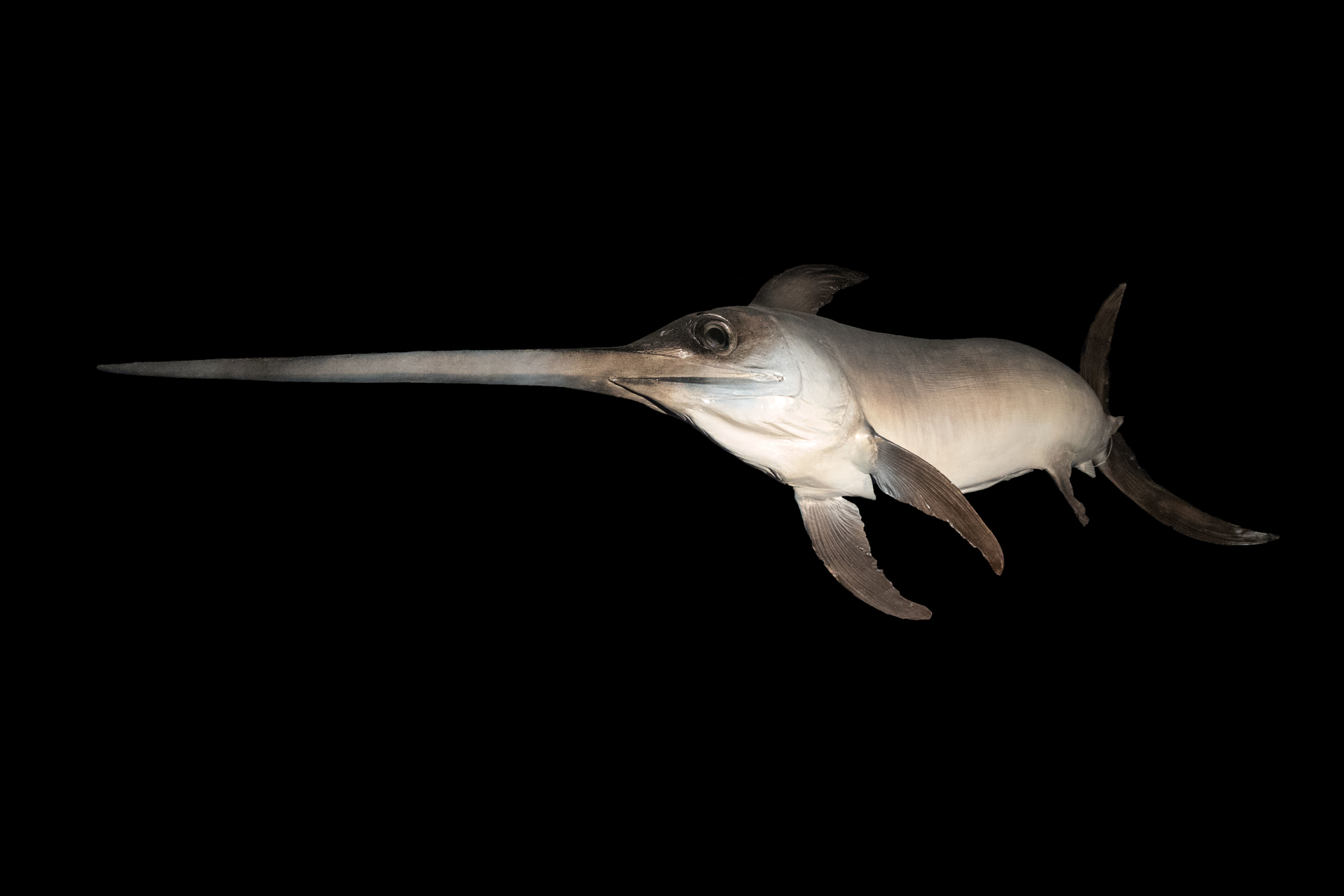

The swordfish is the gladiator of the deep, a magnificent, sword-wielding broadbill with an enormous eye, a long flat bill, and a reputation as one of the most challenging and rewarding big-game fish in the ocean. For generations, swordfish were a fish of the night, caught drifting baits under the stars. Then the daytime deep-drop revolution changed everything: anglers discovered they could reach swordfish holding on the bottom in 1,200 to 1,800 feet of water in broad daylight, dropping a bait and a heavy weight into the abyss and doing battle with a fish they never see until it comes up from a quarter-mile down. Whether by day in the deep or by night on the drift, catching a swordfish is a genuine offshore achievement, and the meat is among the best in the sea. This guide covers what swordfish are, where and when to find them, and every core technique, with step-by-step instruction, to hook and land a broadbill.
Ready to do battle with a broadbill? Both daytime deep-dropping and night drifting take patience and the right rig, but either one can put you tight to a fish that lives a quarter-mile down. Swordfish share the deep offshore world with other giants, see our guide on how to catch blue marlin.
Meet the Swordfish
The swordfish (Xiphias gladius) is unmistakable: a long, powerful, cylindrical body, a tall sickle-shaped dorsal fin, a smooth (scaleless as an adult) dark bronze-to-purple back fading to silver below, and its namesake long, flat, sword-like bill, broad and flat, unlike the round spear of a marlin. It has an enormous eye, an adaptation for hunting in the dark depths, and no teeth or pelvic fins. The sword is used to slash and stun prey, squid and fish, which the swordfish then eats.
Swordfish are big, powerful fish. Most caught run 100 to 300 pounds, true giants exceed 500 pounds (the record is over 1,180), and even a "rat" swordfish is a strong, worthy adversary. They roam the temperate and tropical oceans worldwide, famous in the deep water off Florida, the Northeast canyons, the Gulf, the Mediterranean, and beyond. Swordfish are unique among the billfish in their deep-water, vertical-migration lifestyle (deep by day, shallow at night) and are prized as both an elite gamefish and superb table fare, firm, rich, meaty fillets that grill like a steak. Note that swordfish are managed with permits and limits in many fisheries, so always check current regulations.
Understanding the Swordfish: Deep by Day, Shallow by Night
The single key to swordfish fishing is their daily vertical migration. Swordfish follow the deep scattering layer of bait and squid: they spend the day deep, often near the bottom in 1,000 to 1,800+ feet, and rise toward the surface at night to feed in the upper water column. This behavior defines the two great swordfish techniques: daytime deep-dropping (reaching them on the bottom by day) and night drifting (fishing baits up high after dark). Understanding this rhythm is everything, it tells you where in the water column your bait must be, and when.
Swordfish also relate to deep structure, drop-offs, canyons, and current edges where bait and squid concentrate, and to areas with the right water temperature and productivity. Find the deep structure and the bait in the right water, fish the correct depth for the time of day, and you're in the game. Whether you're dropping to the bottom at noon or drifting baits at midnight, you're fishing to the swordfish's predictable up-and-down daily cycle.
Daytime Deep-Dropping: The Setup
The daytime deep-drop is the modern swordfish revolution, and it's a specialized game. You fish a heavy rod and a powerful reel, usually an electric reel (or a manual two-speed for the purists), spooled with braided line, dropping a bait more than 1,500 feet to the bottom. The rig carries a heavy weight (often 5 to 15+ pounds) to get the bait down fast and hold it near the bottom in the deep current, with the bait on a long leader above. Because you're fishing a quarter-mile of line, everything is scaled up: heavy tackle, a lot of weight, and a way to detect a bite far below.
Getting the deep-drop setup right, the rod, the electric reel, the braided line, and the whole system, is the foundation. The electric reel does the heavy work of retrieving from those depths, but the rigging, the drop, and reading the fish are all on you. It's a gear-intensive, methodical style of fishing that has opened up daytime swordfishing to anyone willing to invest in the setup and learn the system.
How to Rig a Daytime Swordfish Deep-Drop Rod and Electric ReelThe Weight and Rigging System
Deep-dropping for swordfish demands a well-thought-out weight system. Because you need a heavy weight to reach and hold the bottom but don't want to fight that weight along with the fish, most anglers use a breakaway (release) weight rigged so it drops off when a fish is hooked, letting you fight the swordfish without the extra pounds. The weight, the leader length, and the connection all have to be balanced so the bait rides correctly near the bottom and the weight releases cleanly on the bite.
Rigging the whole system correctly, main line to the wind-on leader, the breakaway weight attachment, and the bait leader, is critical to both getting bites and landing fish. Get the weight system right and you can reach the fish, hold your bait in the zone, and then shed the lead to fight the swordfish clean. It's one of the defining skills of daytime deep-dropping, and it's worth taking the time to learn and rig properly.
The Weight System for Deep-Drop SwordfishingRigging Swordfish Baits
Swordfish baits must be rigged to withstand the depth and to swim or hang enticingly in front of a fish that slashes with its bill. The classic offerings are whole or strip squid (natural or artificial) and fresh bonito or mackerel belly strips, durable, scented baits that hold up to the drop and the bite. The bait is rigged on a stout hook and leader, often with a light or glow attractant (a light stick or LED) nearby, since a bit of light draws swordfish in the dark depths.
The keys are a fresh, well-rigged, durable bait that presents naturally at depth, a sharp hook positioned for a clean hookup, and often that touch of light to attract fish in the gloom. A sloppily rigged or washed-out bait won't get bit after a long drop; a fresh squid or a perfect bonito strip, rigged right and lit, is what a deep swordfish crushes. Bait rigging is a make-or-break detail in swordfishing.
How to Rig the Perfect Daytime Swordfish BaitReading the Bite at Depth
Here's the hardest part of daytime swordfishing: detecting a bite 1,500 feet down. With that much line out, a swordfish bite is subtle, often just a slight change in the rod tip, a little extra bounce, a bit of slack, or the "breathing" of the rod stopping or changing. Swordfish frequently slash and stun a bait before eating it, so you may see a few taps or odd movements before the fish commits. Learning to read those tiny signals, and to tell a bite from the weight bouncing on the bottom or the current, is the skill that separates successful sword anglers.
When you recognize a bite, the standard move is to come tight and set, often by engaging the reel and reeling steadily, or a firm set, to drive the hook home far below. Watching the rod tip like a hawk, understanding the difference between the bottom, the current, and a fish, and reacting correctly is the essence of the daytime game. Miss the subtle bite or misread it, and you'll reel up a stolen bait; recognize and convert it, and you're hooked up to a broadbill.
How to Recognize the Daytime Swordfish BiteNight Drifting
The traditional swordfish method, and still highly effective, is night drifting. After dark, swordfish rise toward the surface to feed, so you drift baits at various depths in the upper water column (from near the surface down a few hundred feet) using floats, lights, and glow sticks to present and mark your baits. The classic setup is a spread of drifted squid baits at staggered depths, each with a light to attract fish, fished as the boat drifts over productive deep water.
Night fishing is a more visual, hands-on style: you watch your baits and lines, use lights to draw fish and squid, and wait for a swordfish to find and eat a drifted bait up high. When a fish takes, the strike and the fight happen much closer to the surface than in the deep-drop game. Night drifting over canyons, drop-offs, and deep structure remains a beautiful, effective, and time-honored way to catch a broadbill under the stars.
How to Rig for Swordfish at NightFighting and Landing a Swordfish
Whether hooked deep by day or high at night, a swordfish is a powerful, dogged, and sometimes acrobatic adversary. Daytime deep-drop fights are a war of attrition, once the breakaway weight is gone, you and the electric reel (or your arms) grind the fish up from the depths, and a big sword will sound, shake its head, and fight all the way up. Night fish may jump and greyhound near the surface. Either way, keep steady, relentless pressure, never give slack, and be patient through a fight that can take a long time on a big fish.
Landing a swordfish takes care and teamwork: as the fish comes boatside, the crew leaders and gaffs it decisively (swordfish are usually harvested where legal, and are strong and dangerous with that bill at the boat). Have your gaffs ready, keep everyone clear of the bill, and control the fish before bringing it aboard. A swordfish at the boat after a long fight from the deep is one of the great moments in offshore fishing.
Landing a Daytime SwordfishTiming, Regulations, and the Table
Swordfishing is structured around the light and the depth: deep-drop by day, drift by night, and fish the deep structure and current edges in the right water. Many anglers deep-drop during daylight and switch to night drifting after dark, covering both feeding patterns. The fishing is best over productive deep water, canyons, drop-offs, and current edges with bait, and local knowledge of where and when swordfish concentrate is invaluable.
Because swordfish are managed for sustainability, permits, size limits, and bag limits apply in many fisheries and are strictly enforced, always know and follow the current rules. For the fish you keep, swordfish are among the best eating in the ocean: firm, rich, meaty fillets that grill like a fine steak. Bleed and ice the fish for top quality. Between the challenge, the mystery of a fish from the deep, and the superb table fare, a swordfish is one of the ultimate offshore prizes. Few catches in all of fishing combine so much technical difficulty, so much raw power, and so great a reward on the plate as a hard-won broadbill hauled up from a quarter-mile down.
Common Mistakes to Avoid
Swordfishing is demanding, and mistakes cost you rare bites. Missing or misreading the subtle deep bite is the classic, watch the rod tip closely and learn to tell a fish from the bottom and the current, or you'll reel up stolen baits all day. A poorly balanced weight system, a weight that won't reach bottom or won't release cleanly, either keeps you out of the zone or saddles you with dead weight in the fight. Washed-out or sloppily rigged baits don't get eaten after a long drop; rig fresh, durable baits and refresh them. Fishing the wrong depth for the time of day, deep by day, high by night, puts your bait where the fish aren't. And rough or unprepared boatside work on a big, dangerous fish can lose it or hurt someone. Dial in your bite detection, your weight system, your baits, and your depth, and be ready at the boat, and your swordfish success climbs.
Put It All Together
Swordfishing is offshore fishing at its most specialized and rewarding: understand the broadbill's deep-by-day, shallow-by-night rhythm, then deep-drop a well-rigged bait and breakaway weight to the bottom in daylight or drift lit baits up high after dark, read the subtle bite, set hard, and grind a powerful fish up from the deep. It rewards the right gear, careful rigging, and sharp attention, and it pays off with an elite gamefish and some of the best meat in the sea. When you're ready to do battle with a broadbill, pick your window, deep by day, high by night, get your weight system and baits dialed in, and go get on the swordfish. And for another giant of the blue water, read our guide on how to catch blue marlin next.