Fish
Fish Fire
Fire Hike
Hike Bird
Bird

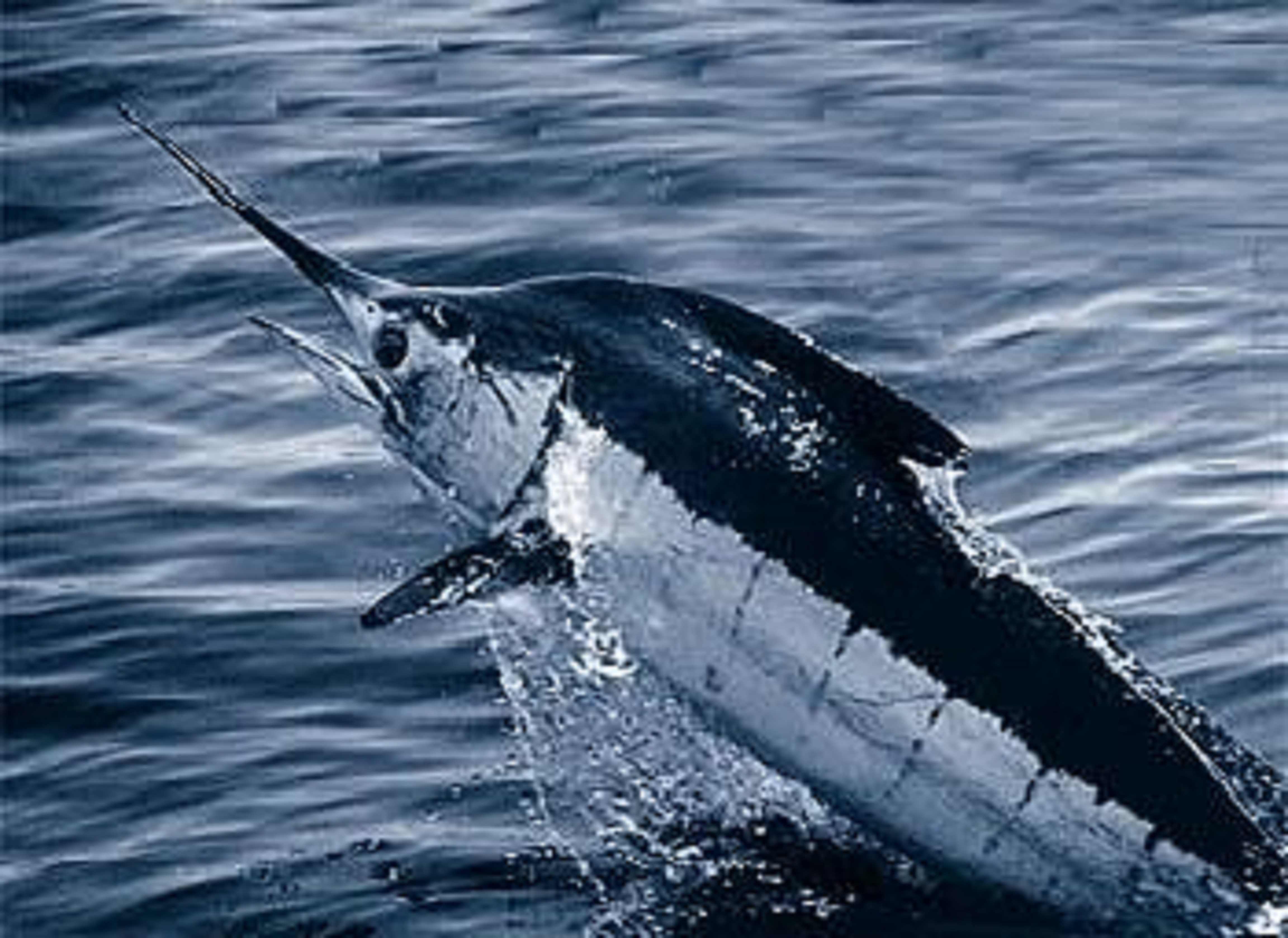

The blue marlin is the undisputed heavyweight champion of sport fishing, a magnificent, half-ton apex predator that roams the open ocean and pulls harder than anything else an angler can hook on rod and reel. A big "blue" can top 1,000 pounds, sound to unbelievable depths, greyhound across the horizon in a spray of blue and silver, and test the strongest tackle and the toughest angler to the absolute limit. Catching one is the pinnacle of offshore fishing: a blend of covering vast blue water, running the right spread, and then surviving the fight of your life before tagging and releasing a fish that may be older than you are. This guide covers what blue marlin are, where and when to find them, and every core technique, with step-by-step instruction, to raise, hook, fight, and release the greatest gamefish in the sea.
Chasing a grander means committing to long days running deep offshore water, and it pays to know the fish and the grounds before you go. Blue marlin share the offshore grounds with other billfish, see our guide on how to catch sailfish.
Meet the Blue Marlin
The Atlantic blue marlin (Makaira nigricans) and its Pacific counterpart are the largest of the billfish and among the largest bony fish in the ocean: a massive, powerful, torpedo-shaped body, a tall pointed dorsal fin, a stout spear-like bill, and a cobalt-blue back fading to silver-white below, often with pale vertical bars that flush and fade. Built for speed and power in the open ocean, a blue marlin is pure muscle designed to run down tuna, dolphin, and squid in the deep blue.
The size is staggering. Most blue marlin caught run 150 to 400 pounds, a fish over 500 is a true trophy, and the giants, almost always females, exceed 1,000 pounds (a "grander"), with records over 1,400. They roam warm tropical and subtropical oceans worldwide, ranging across vast distances of open water and relating to deep structure, current edges, temperature breaks, and bait. Like other billfish, blue marlin are prized as a catch-and-release trophy; the modern ethic, and often the law, is to tag and release these slow-growing giants healthy, and this guide is written for that goal.
Where and When to Find Blue Marlin
Blue marlin are creatures of the deep, warm, blue water, and finding them is about locating the right conditions across huge areas of ocean. Look for:
- Deep structure and drop-offs, seamounts, canyons, banks, ledges, and the edges of the continental shelf concentrate bait and marlin.
- Current edges and temperature breaks, where major currents form seams and where warm water meets cooler, bait and predators stack up.
- Bait concentrations, schools of tuna, dolphin, and other bait mean marlin are near; birds working over bait are a top sign.
- Clean, warm blue water, the right temperature and clarity in the tropics and subtropics.
Blue marlin fishing is highly seasonal and location-driven, famous grounds like Kona, the Gulf, the Bahamas, Bermuda, and countless tropical islands each have peak seasons tied to water temperature and bait. There is no substitute for local knowledge of where and when the fish show. Blue marlin cover enormous distances, so success often means running to the right water and structure and covering ground until you raise a fish.
Setting the Trolling Lure Spread
The classic and most productive blue marlin method is high-speed trolling of artificial lures. A spread of big skirted trolling lures pulled at 7 to 9 knots imitates fleeing squid and fish, covers water fast, and draws savage strikes. The art is in the spread: lures set at staggered distances on the flat lines, the riggers, and often a "shotgun" way back, positioned on the faces and backs of the wake's waves where they run and splash enticingly.
Getting the spread right, lure placement, how each lure runs, and covering the key water, is the heart of marlin trolling. The lures are pulled from stout stand-up or trolling outfits with the drags preset, ready for a strike that can come at any moment and empty a reel in seconds. A well-set marlin spread, running clean and covering productive water, is how most blue marlin are raised.
How to Set the Best Lure Spread for Big MarlinChoosing Marlin Lures
Not all marlin lures are equal, and matching lure to conditions is a real skill. Lures are defined largely by their head shape, which dictates how they run:
- Chuggers and pushers (flat or cupped faces), push water, smoke, and splash, running with lots of surface action; great for rougher water and raising fish.
- Plungers and bullets (tapered/pointed heads), dig in and run straighter and deeper, staying in the water in a range of conditions.
- Sizes and colors, big lures for big fish, with color choices (dark for contrast, bright for visibility) that anglers debate endlessly.
The goal is a spread where each lure runs well in its position and the pattern covers different actions and depths. Learning how head shape affects a lure's swim, and adjusting placement, speed, and rigging so each one runs true, is a big factor in raising and hooking marlin. Many crews build a spread mixing pushers up front for splash and plungers back for consistency.
Blue Marlin Trolling Lure Spread ExplainedDredges, Teasers, and Bait-and-Switch
As with sailfish, teasing marlin up is deadly. Hookless teasers and dredges (subsurface bait arrays) pulled in the spread imitate bait and pull curious marlin right up behind the boat. When a marlin appears on a teaser, the crew executes a bait-and-switch: pull the teaser away and present a hook bait or a pitch bait to the fired-up fish, converting a follower into a hookup.
This technique shines for turning "lookers" into bites, a marlin that lights up on a teaser but won't commit to a lure will often crush a well-presented pitch bait. It demands teamwork and quick reactions: someone works the teaser, someone is ready with the pitch bait, and the whole crew moves as one when a bill comes up in the spread. Watching a lit-up marlin track a teaser to the transom is one of the most electrifying moments in fishing.
Bait-and-Switch Teaser Tactics for Blue MarlinLive Baiting for Marlin
While lures cover water, live bait can be the ticket for a big, wary fish or a slower bite. Slow-trolling or presenting a big live bait, a skipjack, bonito, mackerel, or other fish bridled to a circle hook, offers a marlin an irresistible, natural meal. Live-baiting is especially productive in areas and seasons where big fish key on specific forage, and it is a classic method for targeting the largest marlin.
The approach is to bridle a lively bait so it swims naturally with the hook riding clean, then present it to a fish raised on a teaser or slow-troll it over structure and bait. Keeping big baits alive and swimming well is a craft, but a well-presented live bait in front of a hungry marlin is as good as it gets. Match hook and bridle to the bait, and be ready for the drop-back and steady come-tight that sets a circle hook in the jaw.
Live Baiting for MarlinFighting a Blue Marlin
Hooking a blue marlin is only the beginning, the fight is a battle unlike any other in fishing. A big blue will run, sound deep, and leap in a series of spectacular greyhounding jumps, and landing one takes stamina, technique, and teamwork. Fights are waged from a fighting chair with a bucket harness on heavy stand-up or chair tackle, or stand-up for smaller fish, with the angler using proper rod-and-reel technique, lift, wind down, and pump, to gain line without burning out.
The captain and crew are as important as the angler: the boat is used to chase and position on the fish, keeping the line angle manageable and helping tire the marlin. Steady, relentless pressure, never giving the fish slack, working it up from the depths, is what wins. A blue marlin fight can last from many minutes to hours on a true giant, and doing it right, as a coordinated team, is a huge part of the accomplishment.
Fighting Chair Techniques for Big GameTagging and Releasing
Blue marlin are slow-growing, long-lived, and increasingly pressured, so release is the standard and the goal. As the fish comes boatside, the crew takes the leader and controls the fish for a careful release, and many anglers tag their fish for billfish research programs, contributing valuable data on movement and growth. To release: keep the fish in the water, remove the hook or cut the leader close, and revive the marlin by easing the boat forward so water flows over its gills until it kicks off strong and swims down.
Never gaff or boat a marlin you intend to release, minimize the fight time and handling, and get the fish swimming as quickly as possible. A properly revived, tagged, and released blue marlin swims back into the deep to grow and spawn, and to give another angler, someday, the fight of a lifetime. That is the ethic and the reward of modern marlin fishing.
Tagging and Releasing Blue MarlinTackle and Teamwork
Blue marlin fishing demands serious tackle and serious teamwork. The standard is heavy trolling gear, 50- to 130-pound-class outfits with big, powerful reels holding enormous amounts of line, stout rods, heavy leaders, and quality lures and hooks, all rigged and drag-set for a strike that hits like a truck. Everything must be checked and ready, because a blue marlin bite is sudden and violent and gives no second chances at a frayed leader or a soft drag.
Beyond gear, success is a crew sport. The captain finds and works the fish and drives the boat in the fight; the mate handles teasers, baits, and the leader; the angler fights the fish with sound technique. When a marlin comes up in the spread, everything happens in seconds, and the teams that connect are the ones who have practiced, communicated, and prepared. Landing a blue marlin is a shared triumph, and one of the great achievements in all of angling.
Common Mistakes to Avoid
Blue marlin punish the unprepared and inexperienced. A poorly set spread, lures that don't run right, wrong placement, or covering unproductive water, raises fewer fish; take the time to get each lure swimming true. Soft or unchecked drags and frayed leaders lose fish on the strike or the first run; check everything before you fish and reset drags for the bite. Panic on the hookup, jerking a circle-hook bait, or an angler and crew who haven't rehearsed their roles, turns a rare bite into a lost fish. Overplaying the boat or giving the fish slack in the fight lets it throw the hook or sound and dig in. And a rushed or rough release can kill a fish meant to swim away, minimize fight time, handle the fish in the water, and revive it fully. Marlin bites are precious and few; make each one count by being ready.
Reading the Ocean
Consistently raising blue marlin is as much about reading the ocean as working the spread. The best crews watch for the signs that concentrate bait and predators: temperature breaks and current edges visible as color changes or debris lines, bait showing on the sounder or flipping on the surface, and birds working over feeding fish. Modern tools, sea-surface-temperature charts, chlorophyll maps, and current models, help you find the productive water before you even leave the dock, so you spend your trolling time where the fish actually are.
Once on the water, stay alert and mobile. Note where you raise fish and what the conditions were, work productive edges and structure thoroughly, and be willing to run to better water when the signs say so. Blue marlin cover enormous distances, and putting your spread in front of them is a game of reading the signs, using the data, and covering the right ground, the crews that catch the most are the ones hunting hardest and smartest.
Put It All Together
Catching a blue marlin is the summit of offshore fishing: run to the right blue water and structure, set a clean lure spread, tease and switch to convert lookers into bites, present a big live bait when it counts, and then fight the fish of your life as a coordinated crew before tagging and releasing it healthy. It demands the heaviest tackle, the sharpest teamwork, and real endurance, and it rewards you with the greatest gamefish in the sea, a cobalt giant greyhounding across the horizon. When you are ready to chase one, commit to running the right water, prepare your tackle and drill your crew until every role is second nature, and hunt hard for the fish of a lifetime. And for the acrobatic billfish that shares the same water, read our guide on how to catch sailfish next.