Fish
Fish Fire
Fire Hike
Hike Bird
Bird

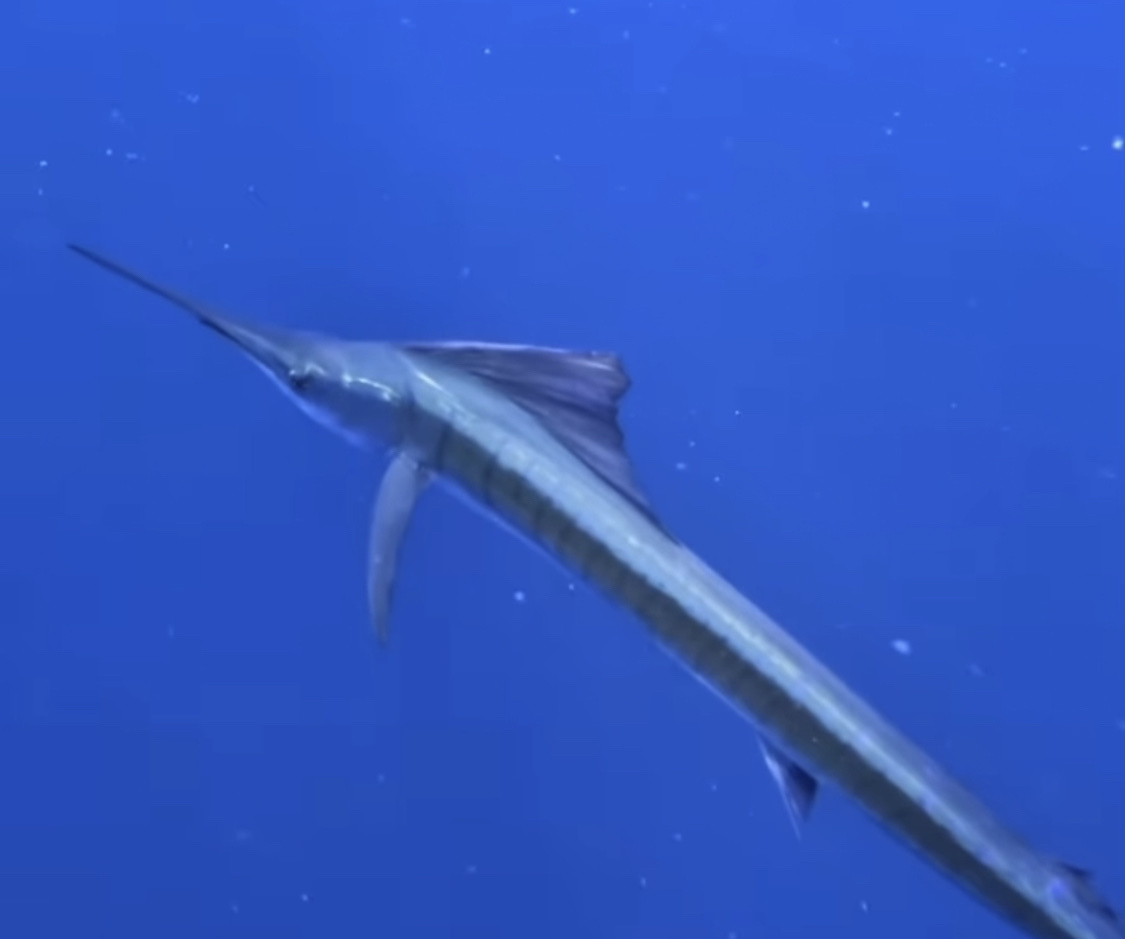

The sailfish is the most acrobatic billfish in the ocean and, for many anglers, the ultimate offshore trophy. Lit up in electric neon blue with its enormous sail-like dorsal fin raised, a hooked sailfish erupts into a series of greyhounding leaps and tail-walks that leave a first-timer breathless. They are fast, they are spectacular, and, because they are almost always released, catching one is about the fight and the memory rather than the meat. Sailfish reward finesse and teamwork: reading the fish behind a teaser, feeding it a bait, dropping back to a perfect circle-hook hookset, and fighting it cleanly to a healthy release. This guide covers what sailfish are, where and when to find them, and every core technique, with step-by-step instruction, to raise, hook, and release one of the sea's great gamefish.
Ready to chase the greyhound of the ocean? Sailfish haunt the blue water and reef edges, and they share the offshore grounds with other billfish and pelagics, see our guide on how to catch blue marlin.
Meet the Sailfish
The sailfish (Istiophorus platypterus) is instantly recognizable: a long, slender, streamlined body, a spear-like upper bill, and a spectacular, oversized dorsal fin, the "sail", that runs almost the length of the back and can be raised into a tall, rounded fan. When excited or feeding, a sailfish "lights up," flushing with brilliant, shifting neon blues and silver with vertical bars, one of the most beautiful sights in all of fishing. That raised sail is thought to help herd baitfish and may aid maneuvering and cooling.
Sailfish are the smallest and most acrobatic of the billfish, but they are no lightweights: Atlantic sailfish typically run 30 to 60 pounds, while Pacific sailfish grow considerably larger, commonly exceeding 100 pounds. They are among the fastest fish in the sea in short bursts. Sailfish roam warm tropical and subtropical oceans worldwide, often relating to reef edges, color changes, current lines, and bait concentrations. Because sailfish are prized as a catch-and-release sport fish and are not valued as food, releasing them healthy is the standard and the goal, this is a fishery built around the thrill of the fight and the fish swimming away strong.
Where and When to Find Sailfish
Sailfish are a warm blue-water fish that hunt where bait concentrates. Look for them along:
- Reef edges and drop-offs, the color change and structure where the reef falls into deep water is a classic sailfish highway.
- Color changes, weed lines, and current edges, seams where water masses meet gather bait and billfish.
- Bait schools and diving birds, sailfish follow the bait; frigate birds and working birds often mark feeding fish.
- Temperature breaks, clean, warm water in the right range holds fish.
Timing varies by region, but sailfish often have strong seasonal runs, the famous winter sailfish season off South Florida, for example, when cold fronts push fish and bait down the reef. Learn your local grounds and seasons, watch for the right water and bait, and concentrate your effort where the signs line up. Sailfish frequently travel and feed in loose groups, so where there is one, there are often more.
A useful pattern to remember: sailfish are bait-driven. They follow the schools of pilchards, ballyhoo, and other small fish that pile up along the reef and on the edges, and a big showing of bait, nervous water, showering baitfish, and diving birds, is often the single best sign that fish are present. Cold fronts and wind that stack bait against the reef can trigger some of the hottest sailfishing of the year. When you find concentrated bait in clean, warm water on a good edge, slow down and fish it hard, because the sails will be nearby.
Dredges and Teasers: Raising the Fish
Modern sailfishing is as much about teasing fish up as hooking them. A dredge, a large, umbrella-like array of mullet, ballyhoo, or artificial baits pulled below the surface, imitates a tight school of baitfish and is one of the deadliest sailfish-raising tools ever devised. Combined with surface teasers (hookless baits or lures that splash and flash), dredges pull sailfish right up into the spread, often where the crew can see them.
The tactic is to run dredges and teasers to attract and excite fish, then, when a sailfish appears, "bait-and-switch", pull the teaser away and present a hook bait to the fired-up fish. Getting the dredge running right (proper depth and weight) is a craft in itself, and it is a huge factor in raising numbers of sailfish. Watching a lit-up sail materialize behind a dredge, sail up and slashing, is the heart-stopping moment sailfishing is built around.
Picking the Right Dredge Weights for SailfishKite Fishing With Live Bait
In many sailfish fisheries, South Florida especially, kite fishing is the premier method. A fishing kite carries your lines out and away from the boat and suspends live baits (goggle-eyes, pilchards, herring) splashing right at the surface, where a struggling bait is irresistible to a cruising sailfish. The kite keeps the bait in the strike zone with no leader or line in the water near it, presenting the most natural, tempting target possible.
The approach is to fly one or two kites, each with multiple baits at staggered distances, and watch the baits like a hawk. When a sailfish crashes a kite bait, the surface explodes, you drop the bait to the fish, come tight, and hang on. Kite fishing is a visual, exciting, team-oriented method that keeps baits perfectly presented and accounts for enormous numbers of sailfish where it is practiced.
How to Kite Fish for Sailfish and Other PelagicsTrolling Rigged Ballyhoo
The traditional and still highly effective method is trolling rigged natural baits, primarily ballyhoo, naked or behind small skirts. A trolled ballyhoo spread covers water to find fish and presents a swimming bait a sailfish will track and eat. Rig your ballyhoo to swim true, set them at staggered distances in the spread, often in concert with dredges and teasers, and troll the reef edges, color changes, and bait.
Trolling shines for covering ground and locating fish across open water and along structure, and it pairs perfectly with teasers: the spread raises and excites fish, and a well-rigged ballyhoo in the pattern gets eaten. Learning to rig ballyhoo that swim naturally is a fundamental billfishing skill and a big factor in how many bites you get.
How to Rig Ballyhoo for TrollingThe Circle-Hook Drop-Back
Here is the technique that hooks sailfish cleanly and releases them healthy: the circle-hook drop-back. Sailfish often "eat" a bait in stages, they may stun or grab it first, so when a sail is on your bait, you drop back: put the reel in free-spool (thumb lightly on the spool) and let the fish eat and turn with the bait, feeding line without resistance. Then, when the fish has the bait and swims off, you come tight steadily, and the circle hook slides to the corner of the jaw and sets itself.
The keys: do not swing or jerk to set with a circle hook, a steady come-tight is what works, and it hooks the fish in the jaw rather than the gut, which is far better for release. Circle hooks are required in many billfish fisheries for exactly this reason. Master the drop-back and the smooth come-tight, and you will hook far more sailfish and release them in great shape.
Sailfish Rigs and Circle-Hook TechniquesRigging Live Baits
Whether under a kite or on a flat line, live bait is deadly for sailfish, and rigging it well makes the difference. A common approach is a bridle or a light rubber-band rig that pins a circle hook to the bait so it swims naturally and the hook rides exposed for a clean set. Goggle-eyes, pilchards, herring, and threadfin are prime sailfish baits; keep them lively in a good livewell, because a frisky, splashing bait draws far more strikes than a sluggish one.
The rig should let the bait swim naturally while keeping the circle hook positioned to find the jaw corner on the drop-back. Match hook and bridle size to the bait, handle baits gently to keep them strong, and refresh a tired bait promptly. Good bait, well rigged and lively, is the engine of most live-bait sailfish success.
Rigging Live Baits for Billfish (Rubber-Band Rig)Fighting and Releasing Sailfish
Because sailfish are a catch-and-release fishery, how you fight and release the fish matters enormously. Fight the fish efficiently with steady rod pressure, do not overplay it to exhaustion. Use appropriate tackle (20-pound class is a classic sailfish standard) so you can land the fish in reasonable time. As you get the fish boatside, the mate takes the leader and controls the fish for the release.
To release: keep the fish in the water, remove the hook or cut the leader close, and revive the fish by holding it upright and moving it forward so water flows over its gills until it kicks off strong and swims down. Never drag a sailfish backward or hold it up by the bill for long. A properly revived, quickly released sailfish swims away healthy to fight another day, which is the entire point of this magnificent fishery.
How to Release a SailfishTackle and Teamwork
Sailfishing is a team sport. The classic setup is light conventional or spinning tackle (often 15- to 20-pound class) with a smooth drag and plenty of line for long runs and jumps, rigged with a fluorocarbon leader and a circle hook. Beyond the tackle, success comes from coordination: someone watches the dredges and teasers, someone handles the drop-back, and the whole crew moves as one when a fish lights up in the spread.
Preparation keeps you in the game: keep livewells full and baits lively, dredges and teasers rigged and ready, and drags preset. When a sailfish appears, things happen fast, and the boats that hook up consistently are the ones ready to react in a heartbeat. Practice the drop-back, communicate, and let everyone have a role, that teamwork is a big part of what makes sailfishing so much fun.
Reading the Fish in the Spread
Great sailfish crews are great at reading fish. A sailfish rarely inhales a bait blindly, it often appears behind a teaser or bait "lit up," sail raised and body flushed neon blue, tracking and slashing before it commits. Learning to spot that dark shape and bright bill materializing in the wash, and to read whether the fish is hot (aggressive, sail up, chasing) or lazy (following without committing), tells you how to react, when to tease it closer, when to feed it, and when to drop back.
The classic bait-and-switch rewards this skill: you pull the hookless teaser away from the excited fish and slide a hook bait into its face, converting a fired-up follower into a hookup. On live-bait and kite spreads, watch for the bait suddenly getting nervous, skittering and showering, which often signals a predator below just before the strike. The anglers who catch the most sailfish are usually the ones watching the water most closely, seeing the fish early, and reacting calmly and fast. It is a visual, heart-pounding game, and reading the fish well is what turns sightings into releases.
Common Mistakes to Avoid
Sailfish humble the unprepared. Jerking to set a circle hook is the classic error, a hard swing pulls the hook away; a steady come-tight is what sets it. Dropping back wrong, too little line and you pull the bait, too much and the fish drops it, takes practice to feel. Sluggish or poorly rigged baits draw far fewer bites than lively, well-bridled ones. Overplaying the fish to exhaustion hurts the release. And fumbling the boatside release, dragging the fish backward or holding it out of water too long, can kill a fish meant to swim away. Get these right and you will hook more sails and release them all healthy.
Put It All Together
Sailfishing is offshore fishing at its most thrilling: raise fish with dredges and teasers, present a lively kite bait or a well-rigged ballyhoo, feed the fish with a smooth drop-back, let the circle hook find the jaw, and fight it cleanly to a healthy release. It rewards preparation, finesse, and teamwork more than brute force, and the payoff, a neon sailfish greyhounding across the blue with its sail flying, is one of the greatest sights in all of fishing. And for another blue-water billfish that shares the same water, read our guide on how to catch blue marlin next.