Fish
Fish Fire
Fire Hike
Hike Bird
Bird

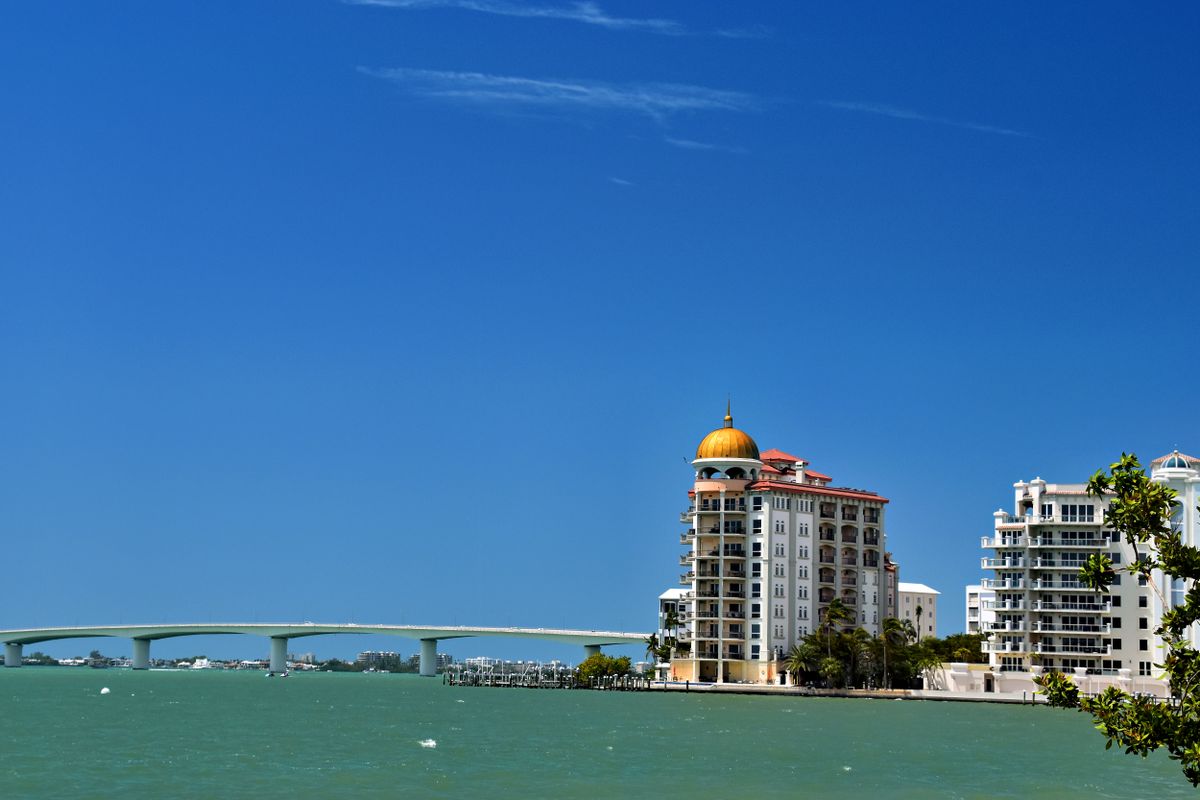

Sarasota is one of the most refined inshore fisheries on Florida's Gulf Coast, a place where you can sight-cast a snook to a seawall in the morning and hook a 150-pound tarpon rolling down a public beach that afternoon. The fishing here is built around Sarasota Bay and the three passes that feed it: a maze of grass flats and oyster bars that grow some of the biggest snook in the state, and a summer tarpon migration that parades right along the sand.
If you have fished Tampa Bay to the north, Sarasota will feel familiar but more intimate, smaller, clearer, and more wadeable in spots, with the same cast of inshore characters: snook, redfish, and spotted seatrout. Add the beach tarpon run, a healthy offshore reef fishery, and a genuine freshwater bonus up the Myakka River, and Sarasota gives you more distinct kinds of fishing in a small footprint than almost anywhere on the coast. Anglers who work the Fort Myers and Naples waters to the south will recognize the snook-and-redfish game immediately.
Sarasota Bay and the Flats
The heart of the fishery is the shallow grass flats of Sarasota Bay, Roberts Bay, and Little Sarasota Bay. These turtle-grass flats, broken by sandy potholes and oyster bars, are where snook, redfish, and trout ambush shrimp and baitfish.
How to read the flats: Look for the sandy potholes, lighter circles in the dark grass, where fish sit in ambush. Work the edges where grass meets sand, and the mangrove shorelines and dock lines, especially for snook. Early morning on a moving tide (incoming or outgoing, moving water is the key) is prime.
Gear: A 7' to 7'6" medium or medium-light fast spinning rod with a 2500–3000 reel is the inshore standard, a St. Croix Avid Inshore 7' ML or Shimano Stradic FL 3000 on top, a Penn Battle III 3000 Combo on a budget. Spool 10- to 15-pound braid and a 20- to 30-pound fluorocarbon leader; snook have raspy mouths and live around structure, so don't go too light.
Lures and bait: Live shrimp under a popping cork is the most reliable all-around setup and catches everything. For artificials, throw a DOA Shrimp or a soft-plastic jerkbait (Z-Man or Bass Assassin) along the grass lines, a MirrOlure MirrOdine suspending twitchbait around the potholes, and a topwater (Rapala Skitter Walk or Heddon Super Spook Jr.) at first light. For big snook, free-line a live scaled sardine (whitebait) or pinfish along a mangrove shoreline or dock.
The three flats species, briefly:
Snook are the prize, ambush predators that hold tight to structure (mangrove roots, dock pilings, seawalls, oyster bars) and crush a bait swept past them on a moving tide. Fish the shady side of docks and the points of mangrove islands, keep your drag honest, and don't go too light on leader; a big snook will bury you in the barnacles. They eat a live whitebait, a DOA Shrimp, or a twitchbait worked erratically past their nose.
Redfish cruise the flats in singles and schools, often tailing in skinny water as they root for crabs and shrimp with their heads down. A gold spoon, a soft plastic on a light jighead, or a live shrimp or cut bait on the bottom near oyster bars and potholes is deadly. Look for them tight to the mangrove edges on a high tide, then in the deeper potholes as the water drops.
Spotted seatrout are the most forgiving, scattered across the grass flats and easy to catch under a popping cork with a live shrimp or a soft plastic. The bigger "gator" trout hold around deeper grass edges and potholes, especially in the cooler months, and will crush a topwater at first light.
Fishing for Big Snook and Redfish in SarasotaSnook on the Beach and Under the Lights
Two of Sarasota's most beloved fisheries do not require a boat at all.
In late spring and summer, snook stack up along the Gulf beaches, Siesta Key, Lido, and Longboat, holding in the swash and the troughs around their spawn. Walk the beach at first light, watch for snook cruising or busting bait in the clear water, and cast a white soft-plastic jerkbait (Z-Man, DOA, or Hogy) or a small flair-hawk jig ahead of them. Lead the fish, let it sink, and twitch it past their nose. Sight-casting a snook in ankle-deep Gulf water as the sun comes up is one of the great Florida experiences, and a reminder to mind the season, since snook are typically closed to harvest in summer (this is catch-and-release fishing).
After dark, the dock lights of Sarasota Bay and its canals come alive. Snook and trout stack in the shadow lines where the light meets the dark, picking off shrimp and glass minnows drawn to the glow. Ease up quietly, these are spooky, pressured fish, and cast a small white jig, a tiny soft plastic, or a fly to the up-current edge of the light, letting it drift naturally into the shadow. It is some of the most visual, addictive fishing in the region, and entirely doable from a kayak, a dock, or a paddleboard.
The Three Passes: Big Pass, New Pass, and Longboat
Sarasota Bay breathes through three passes, and each is a fish magnet because of the current and structure. Big Sarasota Pass, between Siesta Key and Lido Key, has the most structure, deep holes, ledges, and bars that hold snook, redfish, sheepshead, mangrove snapper, and even grouper. New Pass, on the south tip of Longboat Key, almost always has moving water and smaller flats worth exploring for snook and trout. Longboat Pass, to the north, rounds out the trio.
The passes fish best on a strong moving tide, when current sweeps bait through the cuts. Anchor up-current of a ledge and drift a live shrimp or whitebait back on a knocker rig, or bounce a jighead with a soft plastic along the bottom. In winter, migratory pompano, Spanish mackerel, and bluefish pour through the passes, a banana (pompano) jig or a small spoon picks them off. You can fish the passes from shore, too: Siesta Key's North Shell Road at Big Pass and the catwalks under the bridges are productive land-based spots.
When the spring and fall mackerel runs are on, the passes and the nearshore Gulf fill with Spanish mackerel and kingfish chasing glass minnows, watch for diving birds and busting bait, then fire a fast-retrieved silver spoon or a long-casting jig into the frenzy. It is some of the most action-packed fishing of the year and a great way to bend a rod with kids. For more of the same Gulf-coast inshore-and-pass game up the coast, see our Clearwater fishing guide; for the snook-and-tarpon scene on Florida's Atlantic side, compare our Stuart guide.
The Summer Tarpon Migration
From roughly May into August, one of the great spectacles in Florida fishing rolls right along Sarasota's beaches. Schools of tarpon, fish from 80 to over 150 pounds, move up the coast in clear sight of the sand, and anglers intercept them in the early-morning calm just outside the bars. Sarasota's tarpon heritage runs deep: the Sarasota Tarpon Tournament has been held since 1930.
This is heavy tackle and a different game from the flats. An 8000-size spinning reel or a stout conventional, 50- to 80-pound braid, an 80-pound fluorocarbon leader, and a circle hook are standard. The classic baits are a live pass crab (especially around the strong "hill" tides of the full and new moons) or a threadfin herring drifted into a string of rolling fish. Midnight Pass, between Siesta Key and Casey Key, is a noted summer tarpon spot. Hooking a tarpon off the beach is a serious undertaking, the fish are big, the gear is specialized, and knowing where the strings will be at first light takes time on the water; plenty of anglers chasing their first one hire a local captain to shorten that learning curve.
Snook Fishing from the Beach in Sarasota, FloridaGoing Offshore
When the weather lays down, Sarasota's nearshore and offshore reefs and wrecks open up. Natural ledges and artificial reefs in 30 to 100-plus feet hold gag and red grouper, mangrove and red snapper, amberjack, and kingfish, and the bottom fishing can be excellent. Closer in, nearshore reefs give up Spanish mackerel, flounder, and the occasional cobia following rays in spring.
How it's done: Most bottom fishing is anchored or drifted over structure with a knocker or fish-finder rig, a 4- to 8-ounce sinker, a heavy mono leader, and a circle hook baited with a live pinfish, a threadfin, or a chunk of cut bait, dropped straight down to the reef. A medium-heavy conventional outfit (a Penn Squall on a 6- to 7-foot rod) with 40- to 65-pound braid is the workhorse. For kingfish, slow-troll a live bait on a stinger rig over the same reefs. And in spring, keep a spinning rod rigged on deck for cobia and tripletail, cobia shadow stingrays and turtles on the surface, and tripletail float beside crab-trap buoys, both eager to eat a bucktail jig or a live shrimp pitched right to them.
Grouper and snapper are tightly regulated, with seasons and closures that change from year to year, gag grouper in particular has a limited open season. Always confirm the current Florida (FWC) and federal Gulf reef-fish seasons and bag limits before you keep a bottom fish, they are worth double-checking before every offshore trip.
The Freshwater Bonus: The Myakka River
Sarasota even offers good freshwater fishing. Myakka River State Park, southeast of the city, holds a solid population of largemouth bass, bluegill, and crappie in the river and Upper Myakka Lake. And in a uniquely Florida twist, the brackish stretch of the Myakka below the weir holds snook, a saltwater gamefish caught in a freshwater state park. Bring a bass rod, throw a soft-plastic worm or a topwater frog along the shoreline, and keep an eye out for alligators. This is wild Florida.
Fly Fishing for Snook in Sarasota, FloridaTides, Wind, and Timing
More than the calendar, the tide decides your day in Sarasota. Inshore fish feed when water is moving, so plan around the strongest tidal swings, the days around the full and new moons push the most water and trigger the best bites, especially in the passes and along the mangrove edges. A falling tide pulls bait off the flats and stacks fish at creek mouths and drop-offs; a rising tide floods the mangroves and lets redfish and snook push shallow to feed.
Wind matters too. Sarasota's flats are clear and the fish are spooky, so a light chop can actually help by breaking up your silhouette, while a dead-calm, bright midday often pushes fish into deeper potholes and shade. The beach tarpon and snook game, on the other hand, lives and dies on a calm morning, when the Gulf lays down flat at dawn, go. The rule of thumb: fish the moving water, fish the low-light edges of the day, and let the tide chart, not the clock, set your alarm.
When to Fish Sarasota
Sarasota fishes year-round, but the calendar shapes the target:
- Spring (March–May): Snook fire up as they stage toward the passes and beaches; trout and redfish are strong on the flats; cobia run nearshore, and late spring kicks off tarpon.
- Summer (May–August): Prime tarpon along the beaches; snook fishing peaks (but mind the closed season below); offshore bottom fishing when seas allow.
- Fall (September–November): Many locals' favorite, bait floods the bay, redfish school up, and snook and trout feed hard before winter.
- Winter (December–February): Trout, sheepshead, pompano, and Spanish mackerel in and around the passes; snook hold in canals and deep holes on cold days.
Florida Licenses and Regulations
Anyone 16 or older needs a Florida saltwater fishing license (a separate freshwater license covers the Myakka), available from the FWC online or at tackle shops. Sarasota's marquee species are heavily managed: snook and redfish carry slot limits and seasonal closures, snook is typically closed to harvest for part of the year on the Gulf coast, and trout and grouper rules change as well. These regulations shift regularly, so do not assume last year's rules: confirm the current FWC limits and any closures before you keep a fish.
What makes Sarasota special is how much water it packs into a small footprint. In a single day you can pick apart a mangrove shoreline for snook at first light, drift a pothole for tailing redfish as the tide drops, and end up on Siesta Key at sunset watching for tarpon rolling just past the bar. The fishery rewards anglers who pay attention, which potholes are holding redfish this week, where the tarpon strings are running each morning, and exactly what is in season. Learn to read the tide, mind the slot limits and closures, and Sarasota will hand you a lifetime of water to explore, from the grass flats and the three passes to the beaches and the wild upper Myakka.