Fish
Fish Fire
Fire Hike
Hike Bird
Bird

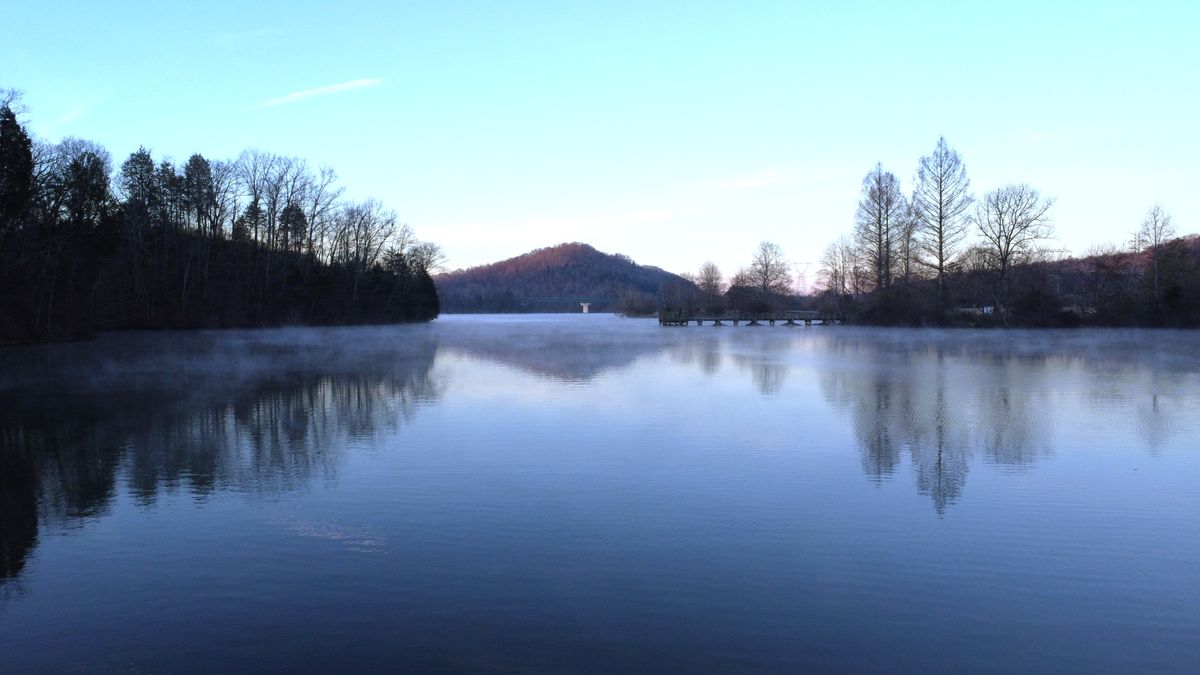

Nashville is not the first city that comes to mind when you think of fishing. But within an hour of the honky-tonks on Lower Broadway, you can wade a cold tailwater for brown trout, throw topwater for largemouth on a 14,000-acre reservoir, fight a 40-pound striper in the shadow of downtown, or float a scenic creek chasing smallmouth with a fly rod. The variety is unusual, most cities give you one type of fishing. Nashville gives you four distinct fisheries, each with its own gear, technique, and character.
This guide covers the practical side: what gear to buy, how to rig it, what bait to use, and how to actually catch fish in each of Nashville's main fishing environments. If you are planning a trip and want the broader picture, seasons, species calendars, where to stay, and the best public access points, read our complete Nashville fishing guide. For fly-specific coverage, see our Nashville fly fishing guide and the detailed Caney Fork tailwater guide.
Understanding Nashville's Water System
Before you pick up a rod, it helps to understand why Nashville fishes the way it does. The Tennessee Valley Authority (TVA) controls a chain of dams across Middle Tennessee. Center Hill Dam creates Center Hill Lake and releases cold water into the Caney Fork River, creating a tailwater trout fishery. J. Percy Priest Dam impounds the Stones River into Percy Priest Lake. Old Hickory Dam backs up the Cumberland River into Old Hickory Lake northeast of the city. The Cumberland River itself flows right through downtown Nashville between these two dams.
This means water levels and temperatures change based on TVA dam operations, not just rainfall. When the TVA generates electricity, turbines release large volumes of cold water and rivers can rise several feet in minutes. This is critical safety information for wading anglers, and it also determines what bites and when. Always check the TVA generation schedule before you fish any tailwater or the river sections below a dam. The TVA app and their website (tva.com) provide real-time schedules and lake levels.
Tailwater Trout: The Caney Fork River
The Caney Fork River is the reason serious trout anglers visit Nashville. About an hour east of the city off I-40, this tailwater below Center Hill Dam holds rainbow and brown trout year-round in cold, clean water that stays in the low 50s even during Tennessee's brutal summers. Brown trout here regularly reach 20 inches, and fish over 26 inches are caught every season.
Gear for the Caney Fork (Spinning)
A 6-foot 6-inch ultralight to light-action spinning rod with a 2000-size reel spooled with 4- to 6-pound monofilament is the standard trout setup. The Ugly Stik GX2 6'6" light combo is a reliable budget option that handles the Caney Fork perfectly. If you want something with more sensitivity, the Pflueger President XT combo in 25-size is a step up. Spool with clear mono, trout in this clear water are line-shy, and braid is unnecessary for the light lures you will be throwing.
Rigs and Bait
Trout Magnet setup: The single most productive rig for beginners on the Caney Fork is a Trout Magnet, a tiny 1/64-ounce jighead threaded with a small soft-plastic grub. Rig it on 4-pound line with no leader needed. Cast it upstream at a 45-degree angle, let it sink, and drift it through runs and along current seams near structure, submerged logs, weed beds, and rocky drop-offs. The Trout Magnet in white, pink, and chartreuse colors accounts for more Caney Fork trout than probably any other lure.
Inline spinners: A Rooster Tail in 1/16-ounce (rainbow trout pattern or white) or a Panther Martin 1/16-ounce in gold are deadly on the Caney Fork when trout are actively feeding. Cast across the current and retrieve slowly, just fast enough to feel the blade spinning.
Small crankbaits: A Rapala Original Floating Minnow in size F03 or F05 (rainbow trout or silver color) twitched through deeper runs imitates the small baitfish that larger browns feed on.
Live bait: If regulations allow, a small piece of nightcrawler on a size 8 or 10 hook under a small split shot, drifted through pools, catches trout consistently. Check current TWRA regulations, some sections of the Caney Fork are artificial-only.
Fly Fishing the Caney Fork
The Caney Fork is a midge factory, and fly anglers often outfish spin anglers here. A 9-foot 5-weight fly rod is the standard, the Redington Crosswater combo gets beginners on the water affordably. Rig a Euro nymphing setup or a basic indicator rig with a 9-foot 4X leader, a small strike indicator, and a tandem nymph rig: a Zebra Midge in size 18 to 20 (tying guide) as the point fly and a Pheasant Tail Nymph in size 16 to 18 (tying guide) as the dropper. This two-fly rig covers the Caney Fork's two primary food sources, midges and mayfly nymphs. Add a Scud pattern in size 14 to 16 in pink or orange (tying guide) for days when trout are keyed on crustaceans.
When the Sulphur hatch comes off in late spring and early summer, switch to a Comparadun or Sparkle Dun in size 16 (tying guide) fished as a dry fly in the film. The evening sulphur hatch on the Caney Fork is one of the best dry fly experiences in the Southeast.
For streamer fishing during generation, when the water rises and pushes bait downstream, tie on a Woolly Bugger in size 8 to 10 in olive or black (tying guide) or a Sculpin Streamer (tying guide) and strip it through deep runs. This is how you target the biggest browns in the system.
How to Trout Fish the Caney Fork RiverCritical: The Generation Schedule
This cannot be overstated. The Caney Fork can rise from ankle-deep to waist-deep in minutes when TVA starts generating at Center Hill Dam. Always check the TVA app or call the generation schedule hotline before you wade. During no-generation windows, the river drops to wadeable levels with exposed gravel bars and shallow runs, this is when the fishing is best for wading anglers. During generation, bank fishing and boat fishing become the primary options, and streamer fishing with heavy sinking lines can be exceptional. Many local guides time their wade trips around the generation windows and switch to drift boats when the water is up.
Lake Bass: Percy Priest and Old Hickory
Percy Priest Lake is Nashville's home lake, 14,200 acres of impounded Stones River just 15 minutes east of downtown. Old Hickory Lake is 30 minutes northeast. Both are classic Tennessee reservoirs stacked with largemouth bass, smallmouth bass, crappie, and hybrid striped bass. For a first-timer, Percy Priest is the easier starting point: it has abundant public access, fifteen free boat ramps, five marinas, and excellent bank fishing at places like Cook Recreation Area, Stewarts Creek, and Fate Sanders Marina.
Gear for Lake Bass
A 7-foot medium-action spinning rod with a 2500- or 3000-size reel spooled with 10- to 15-pound braided line and a 10-pound fluorocarbon leader is the all-purpose bass setup. The Ugly Stik GX2 7-foot medium combo or the Penn Battle III 3000 combo both work well. If you plan to fish soft plastics and jigs primarily, a medium-heavy baitcasting combo gives you better control, the Lew's Mach 1 combo in 7-foot medium-heavy is an excellent beginner baitcaster, but spinning gear catches just as many fish.
Lures That Work on Percy Priest
Ned Rig: This is the single most effective lure for beginners on Middle Tennessee lakes. Thread a Z-Man TRD (The Real Deal) in green pumpkin or coppertreuse color onto a 1/10- or 1/15-ounce Ned-style mushroom jighead (Z-Man Finesse ShroomZ). Cast it near rock piles, points, and submerged brush. Let it sink to the bottom, then retrieve with slow, short hops, lift the rod tip six inches, let the bait fall back on slack line, repeat. The Ned Rig catches largemouth, smallmouth, spotted bass, and even the occasional crappie. It is nearly impossible to fish it wrong.
Shaky head worm: A 6-inch Zoom Trick Worm in plum or green pumpkin on a 1/8-ounce shaky head jig fished on the bottom near structure. Cast to docks, laydowns, and rocky banks. Let it sit, shake your rod tip gently, and wait for the thump.
Crankbaits: A Strike King KVD 1.5 squarebill crankbait in sexy shad or chartreuse/blue retrieves over rocks and along channel swings for reaction bites. Crank it down, bounce it off structure, and pause, bass often hit on the pause.
Topwater (early morning and evening): A Heddon Zara Spook or Whopper Plopper 90 in bone or loon color fished in the first and last hour of light is one of the most exciting ways to catch bass. Walk the Spook with rhythmic rod twitches, or reel the Whopper Plopper at a steady medium retrieve and let the tail create the commotion.
Spinnerbaits: A 1/4-ounce white or chartreuse/white spinnerbait (Booyah Blade or Strike King) is a great search bait for beginners. Cast it parallel to the bank, reel at a medium speed, and let it bump off structure. If you feel a thump and the blade stops spinning, set the hook.
The Ned Rig, Special Bass Fishing Technique: How to Rig and Fish ItWhere to Bank Fish on Percy Priest
If you don't have a boat, these spots have good bank access and hold fish. Cook Recreation Area on the south shore has a paved path along the water with rocky banks that hold smallmouth and largemouth. Stewarts Creek on the east side has walk-in bank fishing along creek arms where bass stage in spring. Fate Sanders Marina area has a fishing pier and accessible shoreline. Elm Hill Marina has bank access near the dam where hybrid stripers and white bass school.
On Old Hickory Lake, Sanders Ferry Park and Rockland Recreation Area offer bank access with crappie around the docks in spring and bass along rocky points year-round.
Crappie: The Bonus Species
While you are rigged for bass, do not overlook crappie. Percy Priest and Old Hickory both hold excellent crappie populations. Rig a 1/16-ounce white or chartreuse crappie jig under a slip bobber set 6 to 10 feet deep and fish around boat docks, brush piles, and standing timber. Spring (March through May) is prime time, crappie move shallow to spawn and stack up in creek arms. A simple ultralight rod with 4-pound line and a crappie jig can provide a full cooler and a fish fry.
Cumberland River: Stripers and Catfish
The Cumberland River flows directly through Nashville, and it holds two of the most exciting freshwater species in Middle Tennessee: striped bass (stripers) and blue catfish. The stretch between Old Hickory Dam and Percy Priest Dam, the downtown section, is particularly productive. Fish stack up in the tailraces below the dams where the current concentrates bait.
Striper Fishing
Stripers in the Cumberland River average 15 to 25 pounds, with fish over 40 pounds caught regularly and the occasional 50-pounder landed each year. This is not light-tackle fishing.
Gear: A 7-foot medium-heavy to heavy spinning rod with a 5000- or 6000-size reel spooled with 30- to 50-pound braided line and a 30-pound fluorocarbon leader. Stripers fight hard in current, and light gear will cost you fish. The Penn Spinfisher VI 5500 combo is a solid, durable choice.
Bait: Live gizzard shad is the premier striper bait on the Cumberland. If you can cast-net your own shad, you are ahead of the game. Hook a live 4- to 6-inch gizzard shad through the back on a 6/0 to 8/0 circle hook with a 1-ounce egg sinker above a barrel swivel and 3 feet of leader. Drift it through the tailrace below Old Hickory Dam or anchor up and let the current present the bait naturally.
Artificial lures: A 1-ounce white bucktail jig bounced along the bottom in the tailrace is effective when shad are not available. Large swimbaits in shad patterns (5 to 7 inches) and heavy spoons also produce. Retrieve them with a jigging motion, lift and drop, lift and drop.
Best approach for beginners: Striper fishing on the Cumberland is primarily a boat fishery, and it benefits enormously from local knowledge. If this is your target species, a guided trip is the best investment you can make. Nashville striper guides like those at StriperFun Guide Service and Angello Guide Service know the river's ledges, current breaks, and seasonal patterns inside out.
Catfish Fishing
The Cumberland is loaded with channel catfish, with healthy populations of blue catfish and flathead catfish in the deeper holes. Catfishing is the most accessible fishing in Nashville, you can do it from the bank with simple gear.
Gear: A 7-foot medium-heavy spinning rod with a 4000-size reel spooled with 15- to 20-pound monofilament. Catfish are not line-shy, and mono's stretch helps absorb their head shakes.
The slip sinker rig (catfish rig): Thread your mainline through a 1- to 2-ounce egg sinker, add a small plastic bead, and tie on a barrel swivel. To the other end of the swivel, tie 18 to 24 inches of 20-pound mono leader to a 3/0 to 5/0 circle hook. This rig lets the catfish pick up the bait and move without feeling the sinker weight. When you feel the rod load up, reel tight and the circle hook sets itself in the corner of the mouth.
Bait: Fresh-cut skipjack herring or cut shad is the top catfish bait on the Cumberland. Cut it into 1- to 2-inch chunks. Chicken liver works on channel cats and is available at any grocery store. Berkley PowerBait Catfish Chunks in blood flavor are a mess-free alternative that produces well.
Where to fish: The tailrace below Old Hickory Dam is the most productive bank-fishing spot for catfish, the turbines wash baitfish through, and catfish stack up to feed. Shelby Park boat ramp, Lock Two at Pennington Bend Road, and the Neelys Bend boat ramp area all provide bank access to productive water. Fish after dark for the biggest blues and flatheads, catfish are primarily nocturnal feeders.
Spring Fishing on the Cumberland RiverCreek Smallmouth: The Harpeth River
The Harpeth River is Nashville's hidden gem, a scenic, wadeable creek that winds through the hills southwest of the city near Franklin and Leiper's Fork. It holds a solid population of smallmouth bass in the 10- to 16-inch range, with fish over 20 inches reported by anglers who know the river. This is peaceful, accessible fishing that feels a world away from the city, even though it is only 30 to 45 minutes from downtown.
Gear for Creek Smallmouth (Spinning)
Scale down from your lake setup. A 6-foot 6-inch light to medium-light spinning rod with a 2000-size reel and 6- to 8-pound monofilament or fluorocarbon is ideal. You are casting light lures into tight spaces, overhanging trees, undercut banks, and rock gardens, and a shorter, lighter rod gives you the accuracy you need.
Lures for the Harpeth
Soft plastic crawfish: A 3-inch Rebel Craw or Strike King Rage Craw in natural brown or green pumpkin on a 1/8-ounce jighead is the most consistent smallmouth producer. Drift it weightlessly through riffles and hop it along rocky runs. Smallmouth eat crawfish more than anything else.
Inline spinners: A 1/8-ounce Rooster Tail in brown trout or white is a search bait that covers water quickly. Cast it across and slightly upstream, reel just fast enough to feel the blade, and let it swing through the current. Smallmouth will chase it down.
Topwater poppers: A Rebel Pop-R or Storm Chug Bug in 2-inch size worked with short, sharp pops across pools and eddies is some of the most fun you can have with a spinning rod. Early morning and evening are prime topwater windows.
Ned Rig (again): The Ned Rig is absurdly effective on smallmouth. A Z-Man TRD on a 1/15-ounce mushroom head dragged slowly through a rocky run catches smallmouth that refuse everything else.
Fly Fishing the Harpeth
The Harpeth is excellent fly rod water. A 9-foot 4- or 5-weight rod is ideal. Rig a Clouser Minnow in chartreuse/white size 4 to 6 (tying guide) for a do-everything streamer. A Woolly Bugger in olive or brown size 8 (tying guide) swung through deeper runs catches smallmouth and the occasional largemouth. For topwater, a small foam popper or foam beetle (tying guide) on a 3X leader draws explosive strikes from aggressive smallmouth.
Wading the Harpeth
Wade with felt-soled or studded boots, the limestone bottom is slippery. Start at public access points like the Narrows of the Harpeth or Gossett Tract near Kingston Springs. Work upstream, casting to every rock, ledge, and undercut bank. Smallmouth hold in current breaks, the calm water behind a boulder, the seam where fast water meets slow water, the tail of a pool. Move slowly and fish each spot thoroughly before wading to the next.
Safety note: The Harpeth has deep segments and sudden drop-offs despite its generally shallow appearance. Wear a wading belt, use a wading staff if available, and avoid wading during or after heavy rain when the river rises quickly. Tennessee law allows you to wade and float the river, but stepping onto the bank onto private land requires permission.
Creek Fishing Smallmouth Bass, Tips and Techniques: Summer TopwaterFour Knots Every Nashville Beginner Needs
Whether you are tying on a Trout Magnet at the Caney Fork or rigging cut bait for catfish on the Cumberland, these four knots cover every connection you will make.
Palomar Knot, The strongest and simplest hook-to-line connection. Double six inches of line, pass the loop through the hook eye, tie an overhand knot with the doubled line, pass the hook through the loop, and pull tight. Works with braid, fluorocarbon, and mono. Use this for jigs, hooks, and lures.
Improved Clinch Knot, Thread the line through the hook eye, wrap it around the standing line five times, pass the tag end through the small loop near the eye, then through the big loop you just created. The go-to knot for lighter lines under 12-pound test, perfect for trout fishing on the Caney Fork.
Uni-to-Uni Knot, Connects your braided mainline to your fluorocarbon leader. Overlap the two lines by six inches, tie a uni knot with each line around the other (four wraps for braid, three for fluorocarbon), and pull the knots together until they cinch tight. Trim the tags close. Essential for your bass and striper setups where braid-to-leader connections are standard.
Double Surgeon's Knot, The fastest leader-to-tippet connection for fly fishing. Overlap the leader and tippet by six inches, tie a double overhand knot (pass the loop through twice), and pull all four ends tight. You will use this on the Caney Fork and Harpeth to add tippet to your tapered leader.
Double Uni Knot: How to Tie Braid to FluorocarbonPractical Details
Fishing license: Tennessee requires a fishing license for anyone 13 and older. Non-residents can buy an annual all-fish license, a 3-day license ($40.50), or a 1-day license ($20.50) online at gooutdoorstennessee.com or at local tackle shops and Walmart. If you plan to fish for trout on the Caney Fork, you also need a trout stamp ($21 for non-residents), this is separate from the base license. Buy both before you go.
Where to get gear and advice: Nashville has solid local tackle shops. Nashville Fly Shop in Berry Hill specializes in fly fishing and has guides for the Caney Fork and Harpeth. Music City Outdoors carries conventional tackle and can point you to productive bank-fishing spots. The sporting goods sections at Bass Pro Shops (Opry Mills) and Cabela's (Lebanon) stock everything from Trout Magnets to striper rods.
What to wear: Light, moisture-wicking layers. Tennessee summers are hot and humid, a long-sleeve sun shirt, shorts, a hat, and polarized sunglasses are standard. For wading the Caney Fork or Harpeth, wear wading boots with felt or rubber studded soles and quick-dry pants or shorts. Bring rain gear, afternoon thunderstorms are common May through September.
What to bring: Water (you will drink more than you expect in Tennessee humidity), sunscreen (SPF 50+), insect repellent (ticks and mosquitoes are real along the rivers), polarized sunglasses, needle-nose pliers for hook removal, and a small cooler with ice if you plan to keep fish. A tape measure helps, Tennessee has specific minimum length limits for bass and trout.
Best times to fish: Early morning (first light to 9 AM) and the two hours before dark produce the best action across all Nashville fisheries. For the Caney Fork, the no-generation windows, whenever TVA is not releasing water, are the prime times for wade fishing. For catfish on the Cumberland, night fishing (9 PM to 2 AM) is when the biggest fish feed. Bass fishing on Percy Priest is productive year-round, with spring (March through May) and fall (September through November) being the strongest seasons.
A note on the Elk River: If you want to explore beyond the Caney Fork, the Elk River tailwater near Tullahoma (about 90 minutes southeast of Nashville) is another excellent trout fishery. It fishes similarly to the Caney Fork with the same generation-schedule considerations. The Elk River sees less pressure and can offer more solitary fishing, especially midweek.