Fish
Fish Fire
Fire Hike
Hike Bird
Bird

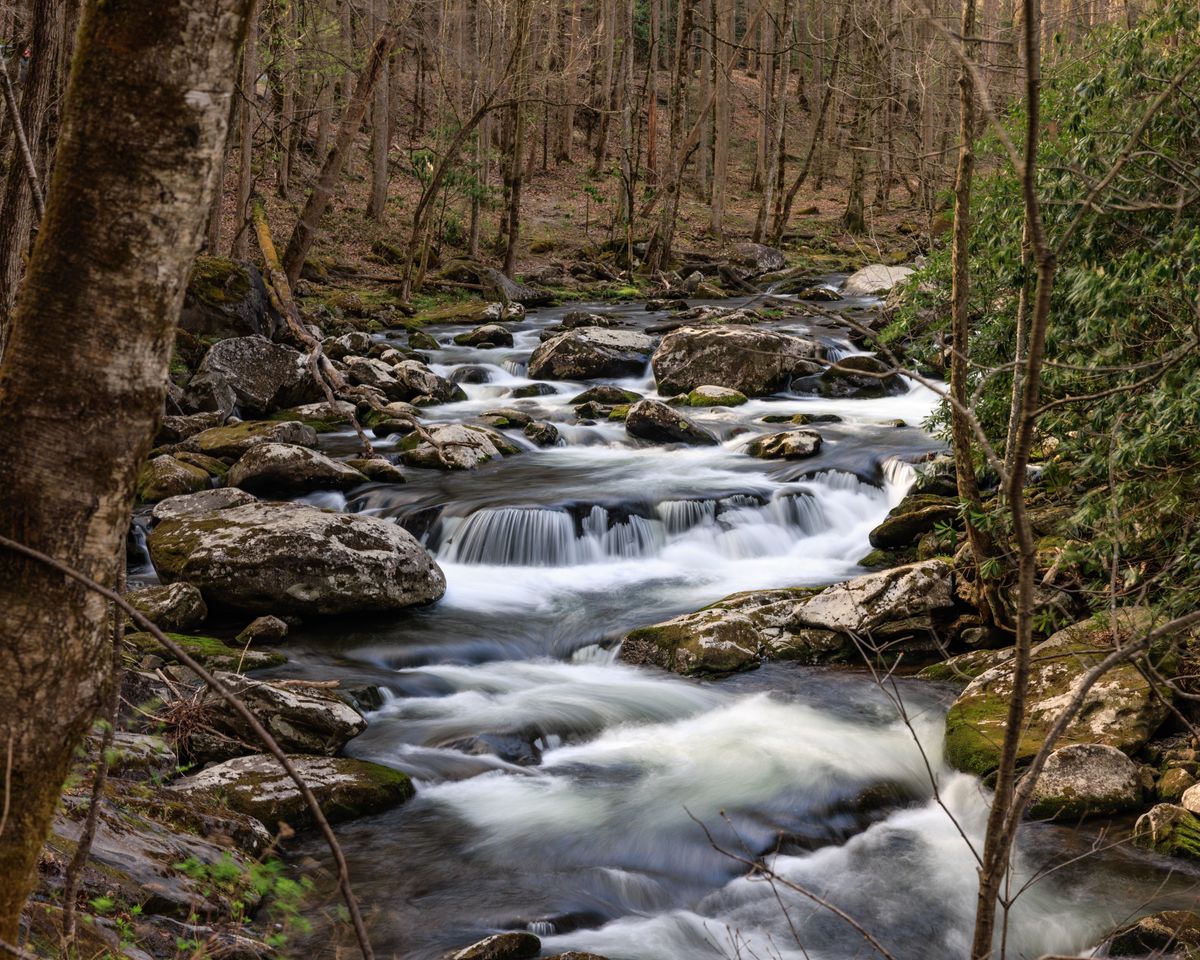

Fly Fishing the Caney Fork: Tennessee's Best-Kept Tailwater Secret
The Caney Fork River doesn't have the name recognition of a Bighorn or a San Juan. It doesn't appear on magazine covers. Instagram influencers don't fly to Nashville to film content on it. And that is precisely why you should fish it.
An hour east of Nashville off I-40, below Center Hill Dam, the Caney Fork is a year-round tailwater that holds brown and rainbow trout in numbers and sizes that would be national news if the river were in Montana or Colorado. Trophy browns pushing past 20 inches live in water that sees a fraction of the pressure of any comparable Western tailwater. The midge and scud game is world-class. The generation schedule creates streamer opportunities that put big fish in the net. And when you're done fishing, Nashville, with its honky-tonks, hot chicken, and live music, is sixty minutes away.
The Caney Fork is not a destination river in the traditional sense. It's better than that. It's a destination river that nobody's standing in.
The Water
Center Hill Dam releases cold water, a constant 50-55°F, from the bottom of Center Hill Lake, transforming what would be a warm-water bass stream into 15 miles of prime trout habitat. The cold water sustains brown, rainbow, and brook trout year-round, even through Tennessee summers when every freestone stream in the state is too warm to hold trout.
The river below the dam runs through a mix of riffles, runs, deep pools, and long glides over gravel and rock substrate. The upper section (dam to Betty's Island, about 9 miles) has the highest trout density and the most classic riffle-run-pool sequences. The middle section (Betty's Island to Stonewall Bridge, another 9 miles, called the "Sebowisha" section by locals) holds bigger fish in deeper, slower water. The lower section runs to Carthage and the confluence with the Cumberland River.
At base flow, 60-90 CFS when the dam isn't generating, the river is easily wadeable. Knee-deep riffles, gravel bars you can walk to mid-river, and enough structure to keep things interesting. When the dam generates, everything changes.
The Generation Factor
The Army Corps of Engineers operates Center Hill Dam for flood control and power generation, not for fishing. The generation schedule is unpredictable and can change without notice. When the turbines kick on, the river transforms from a wade-friendly trout stream into a deep, powerful flow that can rise several feet in minutes.
This is not an exaggeration. At base flow, the river runs 60-90 CFS. With all three turbines running, it hits 3,500 CFS. The water can rise up to 10 feet. People have been caught in rising water on the Caney Fork. Check the schedule every time, and if you're wading and notice the water rising, get to shore immediately.
How to check: TVA phone line: 800-238-2264, then press 4, then 37. TVA website (tva.com/environment/lake-levels/center-hill). Mobile app. Or canoethecaney.com, which maintains a generation schedule page.
A critical warning: Zero-CFS readings on TVA's website don't always mean zero water. TVA sometimes operates the sluice gate without reporting it in CFS figures. Anglers have driven hours based on a zero reading only to find the river blown out. Verify before wading.
The silver lining: Generation isn't bad for fishing, it's bad for wading. When the water comes up, switch to a drift boat and streamers. Some of the biggest brown trout in the river are caught during generation, when high water pushes them into feeding lanes and the increased flow triggers aggressive strikes on sculpin patterns and articulated streamers. A guide with a drift boat turns generation from a problem into an advantage.
The Hatch Chart
The Caney Fork is not a hatch-matching river in the Western sense. You won't find blanket mayfly hatches covering the water. What you'll find is a consistent, year-round subsurface food supply that keeps trout feeding every day of the year, and periodic surface activity that rewards the angler who's paying attention.
Year-round: Midges. The Caney Fork is a midge factory. Midge larvae, pupae, and adults are available every day, every month, in every section. Zebra Midges (#18-22) in black, red, olive, and copper are the single most important flies on the river. If you're not catching fish on the Caney Fork, tie on a smaller midge and drift it deeper.
Year-round: Scuds and sowbugs. The upper river near the dam has enormous scud and sowbug populations. Natural colors, gray, olive, tan, in sizes 14-18. Pink and orange scuds work too, though the naturals aren't actually that color (the pink comes from carotenoids in dead/dying scuds).
January-March: Blue-Winged Olives. Baetis nymphs, emergers, and duns in size 18. Best on overcast, drizzly days, the classic BWO conditions. The winter BWO hatch is the best dry fly opportunity of the cold months.
May-August: Sulphurs. Pale Morning Dun relatives in size 16, pale yellow. Hatches begin in late April and can extend into early October, but May and June are peak. Parachute and Comparadun patterns work best. The sulphur hatch is the Caney Fork's most consistent dry fly event.
Late June-mid July: Little Sister Caddis. A specific two-to-three-week window when caddis activity picks up. Elk Hair Caddis (#14-16) and caddis emerger patterns produce during this hatch.
June-September: Terrestrials. Summer is terrestrial season on the Caney Fork. Foam beetles, foam ants, and hopper patterns often produce the best dry fly fishing of the year. Overhanging trees along the banks deposit insects into the river continuously.
October-November: BWOs return. The fall Baetis cycle coincides with pre-spawn brown trout aggression, creating the best overall fishing window of the year.
The Essential Fly Box
Subsurface (the core, 80% of your fishing):
- Zebra Midge #18-22 (black, red, olive, copper), carry 2 dozen
- Blood midge larvae/pupae #20-22 to 1 dozen
- BH Pheasant Tail Nymph #14-20 to 1 dozen
- BH Scud #14-16 (olive, tan, pink), 1 dozen
- Sowbug / Ray Charles #14-18 to 6 flies
- Prince Nymph #14-18 to 6 flies
- Copper John #16-20 to 6 flies
Dries (for when the opportunity presents):
- BWO Parachute / Comparadun #18
- Sulphur Parachute #16
- Elk Hair Caddis #14-16
- Foam beetle #14, foam ant #16 (summer)
Streamers (for generation and trophy browns):
- Sculpin patterns #4-6 (olive, brown, white belly)
- Articulated streamers #4-6
- Woolly Bugger #6-8 (black, olive)
Where to Wade
Wading the Caney Fork is excellent, when the dam isn't generating. The gravel bottom is mostly friendly, the water is clear, and the access points are well-maintained. But you must check generation before entering the water. Every time. No exceptions.
Buffalo Valley Recreation Area, Closest to the dam. A path from the lower parking lot leads to long gravel bars. This section has the best scud and sowbug fishing on the river. Also has access at the Wolf Creek confluence via a short footpath.
Betty's Island, A mid-river island exposed during low water. You can walk out to the middle of the river and cast to fish on both sides. One of TWRA's four stocking locations. Beautiful spot.
Happy Hollow Boat Ramp, The most popular access point, just minutes off I-40. Convenient, easy parking, good water. Also a TWRA stocking location, which means recently stocked fish plus holdover trout that stayed near the ramp.
I-40 Rest Area (Mile Marker 267), Wade access from the eastbound rest area along the interstate. Surprisingly good fishing for a highway rest stop.
Wading gear: Waders year-round (55°F water, even in July). Felt-soled or studded boots for the slick gravel. A wading staff is smart insurance, especially at Betty's Island where the current pushes.
Float Trip Details
Most visiting anglers fish the Caney Fork from a drift boat with a guide. It's the most efficient way to cover water, and a guide solves the generation problem, they know how to adjust tactics when the water changes.
Standard half-day float: Buffalo Valley to Happy Hollow (~5-6 miles). Covers the highest-density trout water in the upper section. Expect 3-4 hours on the water.
Full-day float: Buffalo Valley to Betty's Island (~9 miles). The full upper section. More water, more variety, more shots at bigger fish.
Guide cost: Roughly $350-500 for a full day for 1-2 anglers. Most guides provide the drift boat, flies, and lunch. Bring your own rod or confirm loaner availability. Book in advance for fall (October-November is the busiest season).
Gear
Nymphing (primary technique): 9-foot 5-weight, medium-fast action. 9-foot tapered leader to 4X, then 5X-6X fluorocarbon tippet for the midge game. Standard indicator rig: larger nymph (Pheasant Tail #14) with a small midge dropper (#20-22) 6-8 inches below.
Euro nymphing: A 10-11 foot 2-3 weight euro rod is devastatingly effective on the Caney Fork. The midge-heavy subsurface game is tailor-made for tight-line techniques. Weighted flies, colored sighter, no indicator. If you euro nymph, bring your setup.
Streamers: 9-foot 6-weight for casting bigger flies during generation. Sink-tip line or weighted flies to get down in the deeper, faster water.
Dry fly: The same 5-weight works for dries. Long, fine leaders (12 feet to 6X) for the sulphur and BWO hatches on flat water.
Trophy Brown Trout
The Caney Fork grows big browns. TWRA sampling in recent years has shown increasing numbers of brown trout over 20 inches. A 30-inch brown was documented caught on a mouse pattern at night. The Tennessee state record brook trout (4 lbs 12 oz) came from this river.
How to target them:
Streamers during generation. When 2+ turbines are running and the river is up, big browns move into feeding lanes that are inaccessible at base flow. Sculpin patterns and articulated streamers in sizes 4-6, stripped through deep runs and along rocky banks. The combination of high water and big flies produces the Caney Fork's largest fish.
Fall fishing. October and November. Pre-spawn brown trout become aggressive, territorial, and willing to chase. This is the best window for a trophy on any technique, streamers, nymphs, even dries during the fall BWO hatch.
Night fishing. Big browns are nocturnal feeders. Mouse patterns after dark have produced monsters for anglers willing to fish blind in the dark. Not for everyone, but the reward is the biggest fish in the river.
Where to look. Target deeper runs, rocky banks, and downed timber, especially where rocks and trees combine to create overhead cover with adjacent depth. Most such structure is concentrated in the first 4-5 miles below the dam.
Regulations
The Caney Fork has specific trout regulations that protect its trophy brown trout population:
- Brown trout: 1 per day, 24-inch minimum length limit
- Rainbow trout: 5 per day, 14-20 inch Protected Length Range, only 1 over 20 inches
- Brook trout: 5 per day, 14-20 inch PLR, only 1 over 20 inches
- Total daily creel (all species combined): 5 fish
The 24-inch minimum on browns is the key regulation. It protects the breeding population and allows fish to reach trophy size. Respect it, this regulation is why the Caney Fork has big browns when other Tennessee tailwaters don't.
Tennessee fishing license required. Non-resident annual license: $49. Trout stamp is now included in the base Sportsman's License. Purchase online at tn.gov/twra.
Getting There and Where to Stay
From Nashville: Take I-40 East. Happy Hollow is about 60 miles, just off the interstate. Buffalo Valley is a few miles further. Total drive: 60-75 minutes depending on traffic.
Smithville (~10 minutes from the river) is the closest town. Small but functional, gas, groceries, a few restaurants.
Cookeville (~30 minutes from the river) is larger with chain hotels, more dining, and outdoor shops.
On the river: Caney Fork River Rentals has cabins right on the water. Center Hill Chalets offers condos and log homes near the lake. Edgar Evins State Park has cabins and camping.
The Case for the Caney Fork
Every tailwater article ends with some version of "this river deserves more attention." Most of the time it's empty flattery. With the Caney Fork, it's true.
The river has the water quality, the trout density, the trophy potential, and the year-round fishability of rivers that draw anglers from across the country. What it doesn't have is the pressure. On a weekday in March, you might not see another angler. On a Saturday in October, you'll see a few drift boats, nothing like the parade on the Missouri or the shoulder-to-shoulder wading on the San Juan.
That anonymity is the Caney Fork's greatest asset. It won't last forever, the fishing is too good, Nashville is growing too fast, and word gets out. But right now, today, you can fish a world-class tailwater an hour from a major American city and have water to yourself. That's rare. Use it while it lasts.