Fly Fishing Nashville: Trophy Tailwater Trout an Hour from Broadway
← All field notes

Nashville · Tennessee

Fly Fishing Nashville: Trophy Tailwater Trout an Hour from Broadway

Nashville sits an hour from one of the South's best tailwater trout fisheries and two hours from the lake that produced the world-record smallmouth bass. Here's the fly fishing you didn't know Music City had.

Colin Van Dyke

Colin Van Dyke

Fly Fishing Nashville: Trophy Tailwater Trout an Hour from Broadway

Nashville is not the first city that comes to mind when you think about fly fishing. It should be. Within an hour's drive of Lower Broadway's neon and pedal taverns, you can be wading a cold tailwater for brown trout that haven't seen a fly all week. Within two hours, you can be casting on the lake that produced the world-record smallmouth bass, a record that's stood since 1955 and may never be broken. And when you're done, you can be back on Broadway eating hot chicken and listening to live music before the sun goes down.

That combination, world-class fishing and world-class nightlife in the same day, doesn't exist anywhere else in America. Bozeman doesn't have honky-tonks. Key West doesn't have tailwater trout. Nashville has both.

The Caney Fork River: Nashville's Trophy Trout Fishery

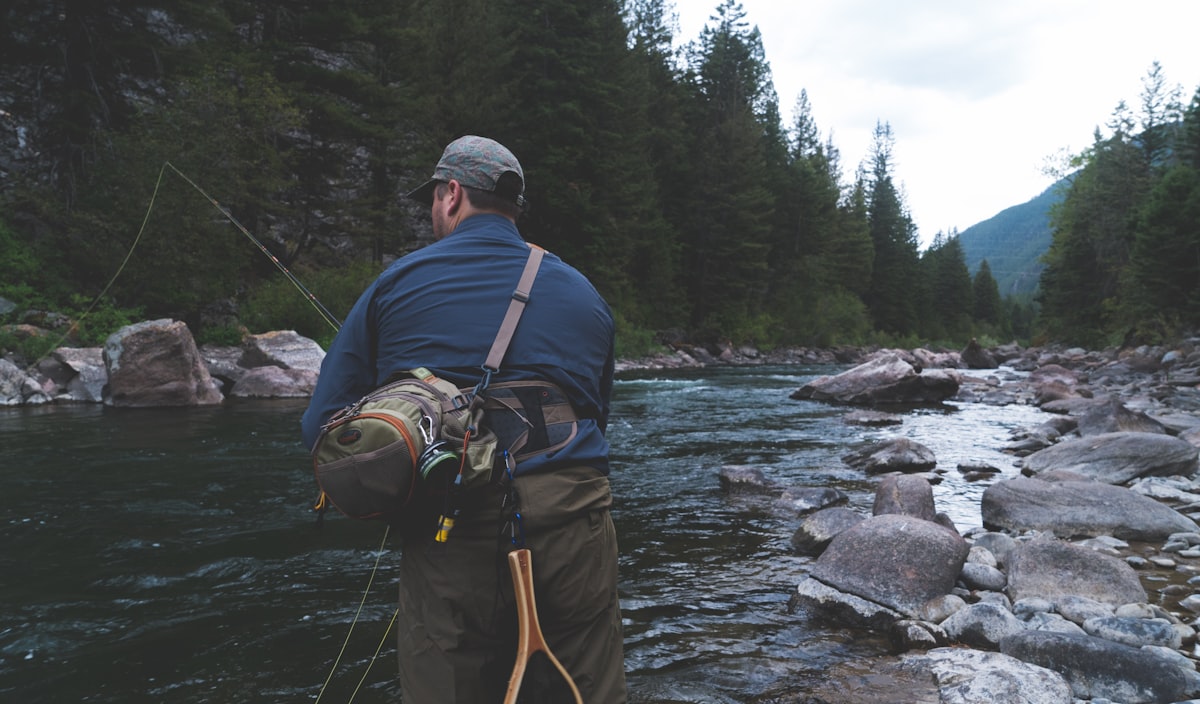
The Caney Fork is the reason fly anglers visit Nashville. An hour east of the city off I-40, this tailwater below Center Hill Dam produces some of the best trout fishing in the Southeast, cold, clean water that holds brown and rainbow trout year-round, with fish regularly reaching 20 inches and occasional monsters pushing past 26.

The first 15 miles below the dam are prime trout water. The river runs cold regardless of season, 50-55°F from the bottom releases, which means you can fish it in August when every freestone stream in Tennessee is too warm to hold trout. It also means the fishing is fundamentally different from Western tailwaters. The Caney Fork is not a hatch-matching river. Dry fly opportunities exist, Blue-Winged Olives from January through March and again in October, sulphurs from May through August, and sporadic caddis in summer, but the bread and butter is subsurface. Zebra Midges (#18-20), scuds, sowbugs, and small nymphs produce day in and day out.

Wade vs. float: You can wade the Caney Fork when the dam isn't generating, gravel bottom, easy wading, beautiful riffles and runs. But the generation schedule is unpredictable, and when the water comes up, it comes up fast. Most serious anglers fish from a drift boat with a guide. Always check the generation schedule before going: call 1-800-238-2264 (Code 37).

Trophy browns: Autumn is the money season. Pre-spawn brown trout become aggressive in October and November. If you want a shot at a 20-inch-plus brown, fish the Caney Fork in October with a guide who knows the deep pools.

Dale Hollow Lake: The World-Record Smallmouth

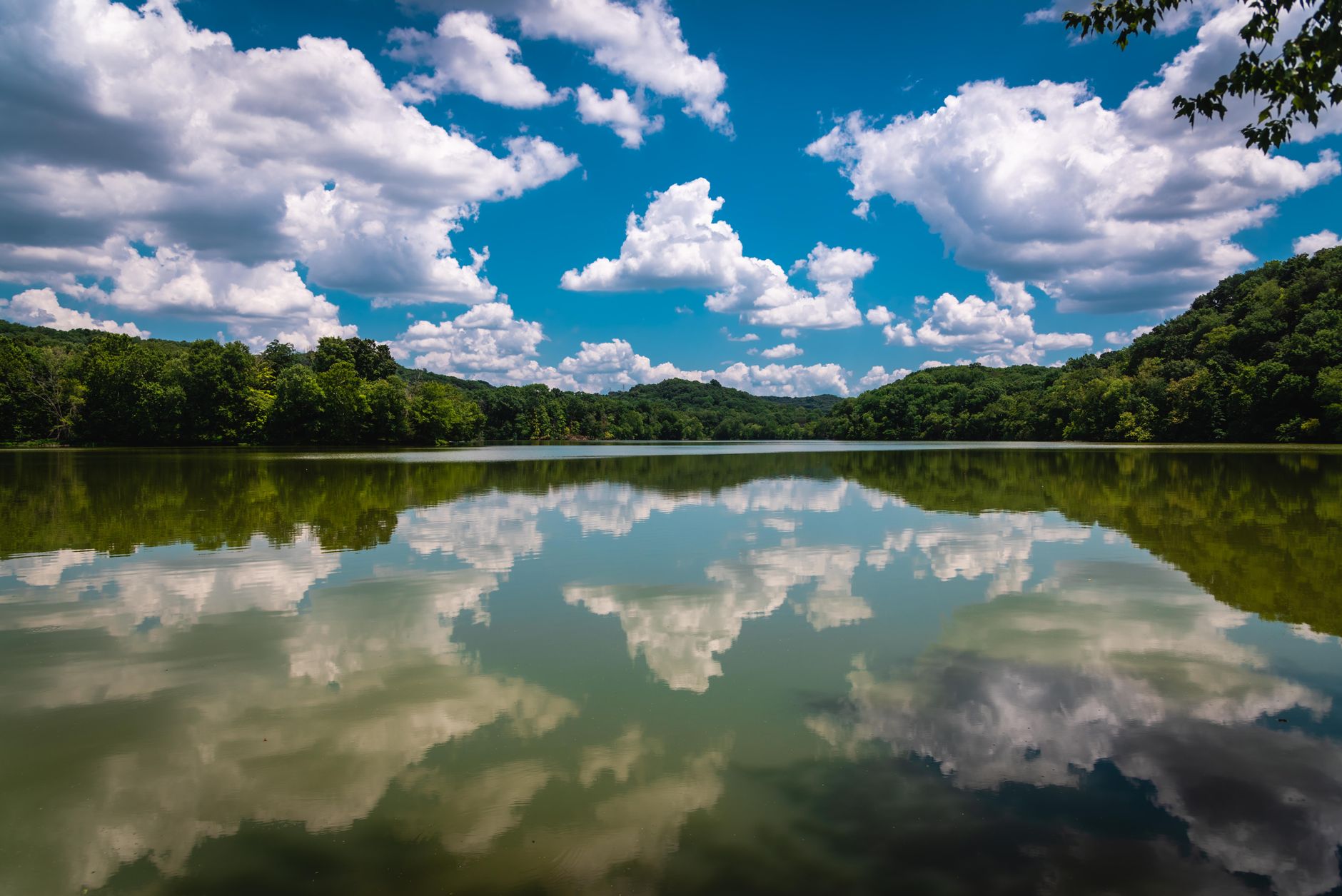
Two hours northeast of Nashville, Dale Hollow Lake holds a distinction that no other body of water on earth can claim: it produced the world-record smallmouth bass, 11 pounds, 15 ounces, caught by David L. Hayes on July 9, 1955. Six of the top ten smallmouth bass ever recorded came from Dale Hollow.

Modern anglers routinely catch 20-40 smallmouth per day on Dale Hollow, with fish in the 3-5 pound range common. The lake covers 22,700 acres with exceptional water clarity. Fly anglers target smallmouth with Clouser Minnows, crayfish patterns, and topwater poppers along rocky points and bluffs.

The Harpeth River: Nashville's Backyard Bass Stream

The Harpeth River runs through Franklin and Bellevue, practically in Nashville's suburbs, and it holds surprisingly good smallmouth bass fishing. Nine public access points through Harpeth River State Park make it easy to wade or launch a canoe. Smallmouth to 20 inches, rock bass, and longear sunfish, all on a 5-weight with poppers and Woolly Buggers. Few cities offer anything comparable within their metro area.

The Elk River: Tailwater Trout Near Jack Daniel's

The Elk River tailwater below Tims Ford Dam, about 90 minutes southeast of Nashville near Lynchburg, is the Caney Fork's quieter cousin. Smaller, more intimate, more wadeable, 15 miles of cold water holding brook, rainbow, and brown trout. Better insect hatches than the Caney Fork. And you can combine it with a tour of the Jack Daniel's Distillery in Lynchburg, which sits right on the river.

The Duck River: Smallmouth and Solitude

An hour south of Nashville, the Duck River is one of the most biologically diverse rivers in North America. Excellent smallmouth bass fishing in a setting that feels remote despite being within easy reach. Thirty-plus public access points, miles of wadeable water, and very little fishing pressure.

Cumberland River Stripers

Below Old Hickory Dam, the Cumberland River produces trophy striped bass exceeding 40-50 pounds. This is big-game fly fishing, 10-weight rods, heavy sinking lines, and large baitfish patterns stripped through deep runs at dawn. Not typical fly fishing, but Nashville has it.

When to Come

October-November: The best window. Pre-spawn browns on the Caney Fork, active smallmouth, perfect weather, cheaper hotels.

January-March: BWO hatches on the Caney Fork, excellent midge fishing, quiet and affordable.

May-July: Sulphurs and caddis on the Caney Fork, peak smallmouth season.

Year-round: The tailwaters fish every month. There is no off-season.

The Nashville Angle

Come for the music. Stay for the trout. Fish the Caney Fork at dawn, eat Prince's Hot Chicken at lunch, and catch a show at the Ryman at night. Nashville's fishing pitch is better than it has any right to be.
Recommended gear

  • Orvis Clearwater Fly Rod Outfit 8'6" 4wt

    Mid-tier, sized for Eastern streams

  • Echo Base Fly Rod Kit 8'6" 3wt

    Entry level, perfect for small Appalachian streams

  • Sage Dart 7'6" 3wt

    Premium, the small-stream specialist

  • Rio Creek Fly Line

    Short, aggressive taper for tight casting

  • Umpqua Appalachian Trout Selection

    Adams, Elk Hair Caddis, Pheasant Tail, Eastern essentials

  • Simms Tributary Wading Boots

    Entry level, good on rocky mountain streams

Frequently asked

Do you need a license to fly fish near Nashville?

Yes, Tennessee requires a fishing license, plus a trout permit to keep trout on the tailwaters. Non-residents can buy short-term or annual licenses online through TWRA.

What can you catch fly fishing near Nashville?

The Caney Fork tailwater holds stocked and holdover rainbow, brown, and brook trout within an hour of town. The Cumberland and Harpeth rivers offer smallmouth bass, and the Elk River to the south adds more tailwater trout.

What flies work near Nashville?

On the Caney Fork, fish midges, sowbugs, and Blue-Winged Olives under an indicator, with streamers for the big browns. For smallmouth on the Harpeth and Cumberland, throw poppers and crawfish-pattern streamers.

How much does a guided fly trip near Nashville cost?

A guided float or wade day on the Caney Fork typically runs about $300 to $450 for one or two anglers, including gear and flies.

Can you fly fish near Nashville, TN?

Yes. The Caney Fork River is an excellent year-round tailwater trout fishery about an hour east. Dale Hollow Lake has world-record smallmouth. The Harpeth River offers suburban smallmouth. Nashville has multiple fly shops and full-time guides.

What is the best fly fishing near Nashville?

The Caney Fork River is the premier destination, a cold tailwater with brown and rainbow trout, trophy potential, and year-round fishing. Dale Hollow Lake is the best smallmouth fishery. The Harpeth River is the closest option for a quick afternoon trip.

More Tennessee field notes

Chattanooga Is the Best Hiking City in the South and Barely Advertises It

Chattanooga, TN

Chattanooga Is the Best Hiking City in the South and Barely Advertises It

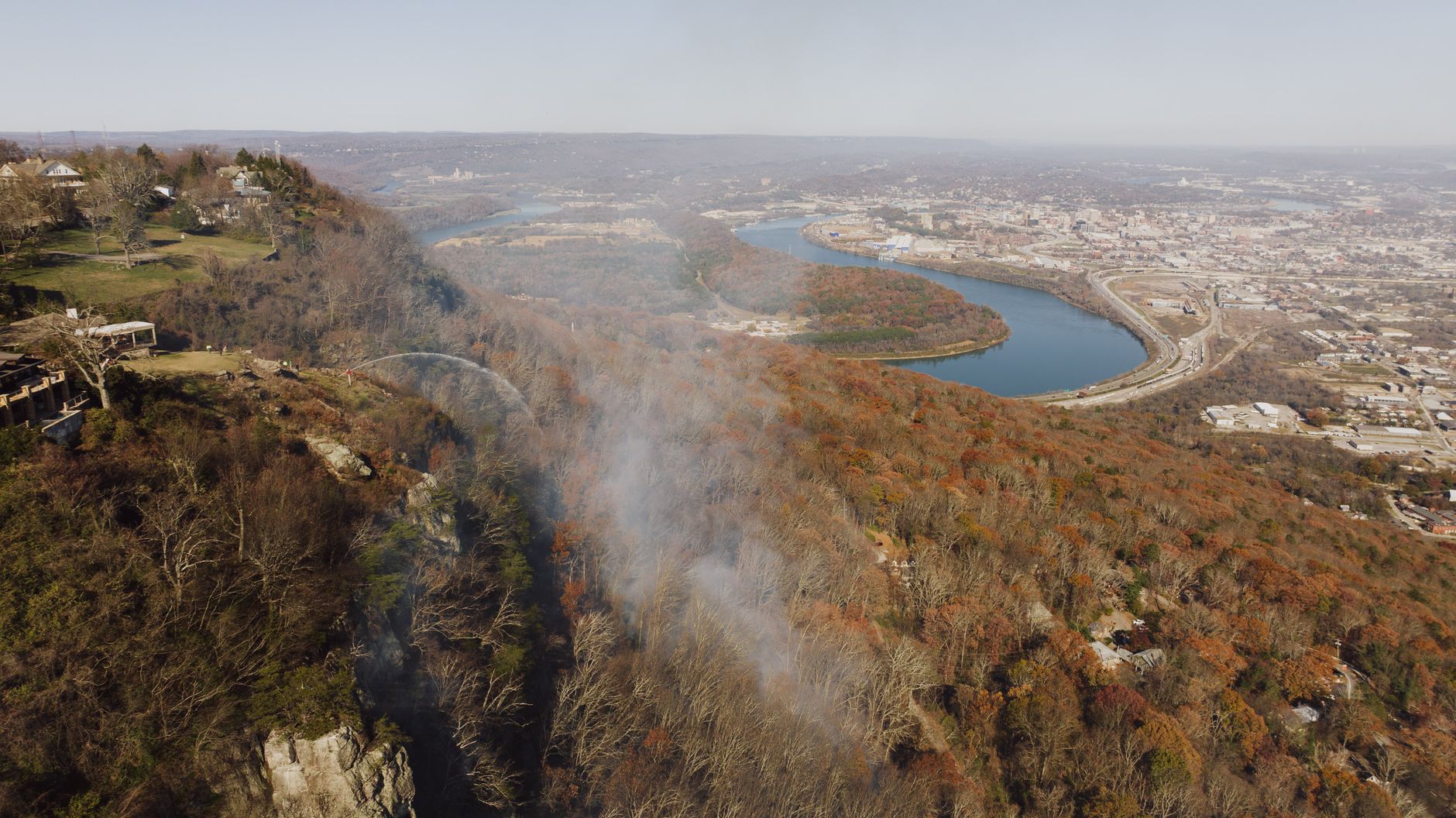
A city of 190,000 people sits in a gorge where the Tennessee River cuts through the Cumberland Plateau, with a 2,000-foot mountain on one side, a plateau escarpment on the other, and a long-distance trail running along the rim. Some of it is a fifteen-minute drive from downtown. Most visitors ride the incline railway and leave.

Urban Fishing in Memphis: Catfish on the Mississippi, Bass in Shelby Farms, and 200 Species in the Mightiest River in America

Memphis, TN

Urban Fishing in Memphis: Catfish on the Mississippi, Bass in Shelby Farms, and 200 Species in the Mightiest River in America

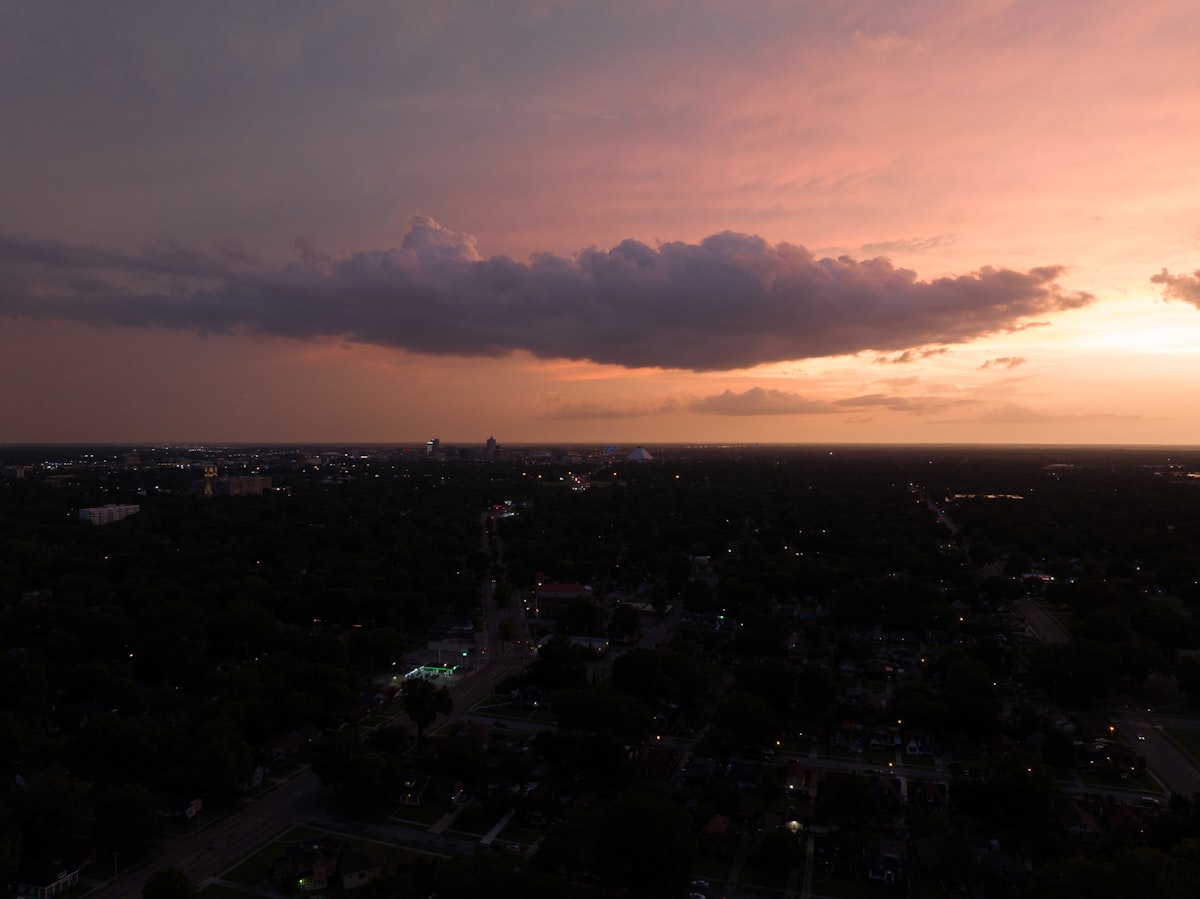
Memphis sits on the Mississippi River, 200 fishable species, legendary catfishing, and bank access from downtown parks. Add Shelby Farms' 20 lakes with bass and crappie, McKellar Lake, and Mud Island's sheltered backwater, and Memphis becomes the most underrated urban fishery in the South.

Birding Nashville: The Park Where You Cannot Jog, and Why

Nashville, TN

Birding Nashville: The Park Where You Cannot Jog, and Why

Radnor Lake was Tennessee's first State Natural Area and it bans pets, jogging and bicycles on almost the entire trail system. That rule is the reason it is the best birding within the city limits, and it tells you something useful about what a natural area designation actually does.

Charlies Bunion: The Appalachian Trail's Best Four Miles of Exposure

Gatlinburg, TN

Charlies Bunion: The Appalachian Trail's Best Four Miles of Exposure

A bare rock promontory in a range famous for being covered in trees, reached by four miles of ridge-running on the Appalachian Trail. The rock is bare because of a fire in 1925 and a flood in 1929 that stripped the soil off it and never let it back.

Alum Cave to Mount LeConte: The Cables, the Lodge, and the Best Trail in the Smokies

Gatlinburg, TN

Alum Cave to Mount LeConte: The Cables, the Lodge, and the Best Trail in the Smokies

Five trails reach the top of Mount LeConte. Only one takes you through a hole in a rock, under a 100-foot bluff, and along cable-assisted ledges with the whole Tennessee side of the Smokies dropping away beside you. At the summit there is a lodge that has run on llamas since 1925.

Kuwohi Got Its Name Back. It's Also the Highest Point in Tennessee.

Gatlinburg, TN

Kuwohi Got Its Name Back. It's Also the Highest Point in Tennessee.

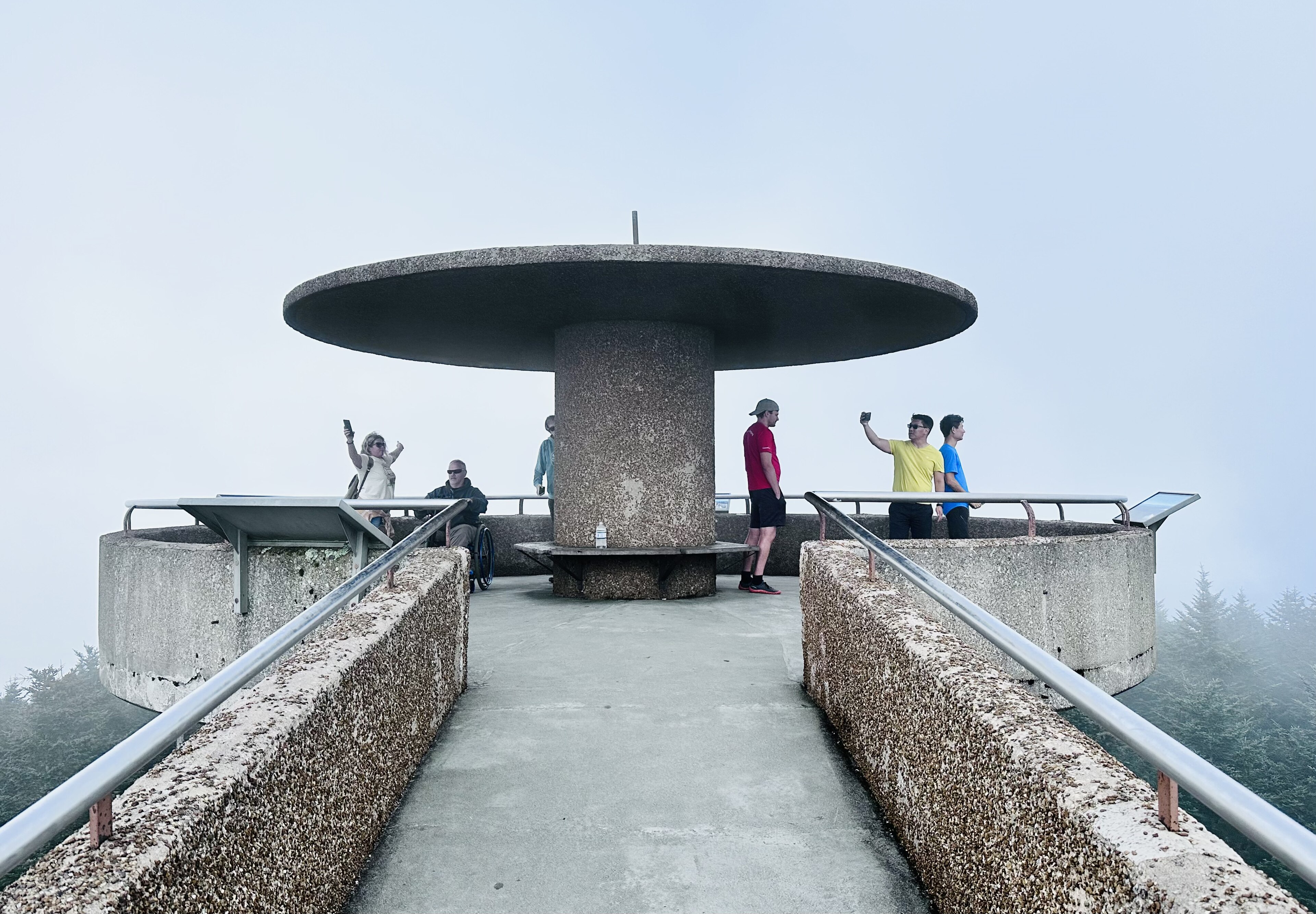
Half a mile of pavement, 330 feet of climbing, and you are standing on the highest ground in Tennessee and the highest point on the entire Appalachian Trail. It is the easiest big summit in the eastern United States, it is fogged in most of the year, and in 2024 it got its Cherokee name back after 165 years.