Fish
Fish Fire
Fire Hike
Hike Bird
Bird

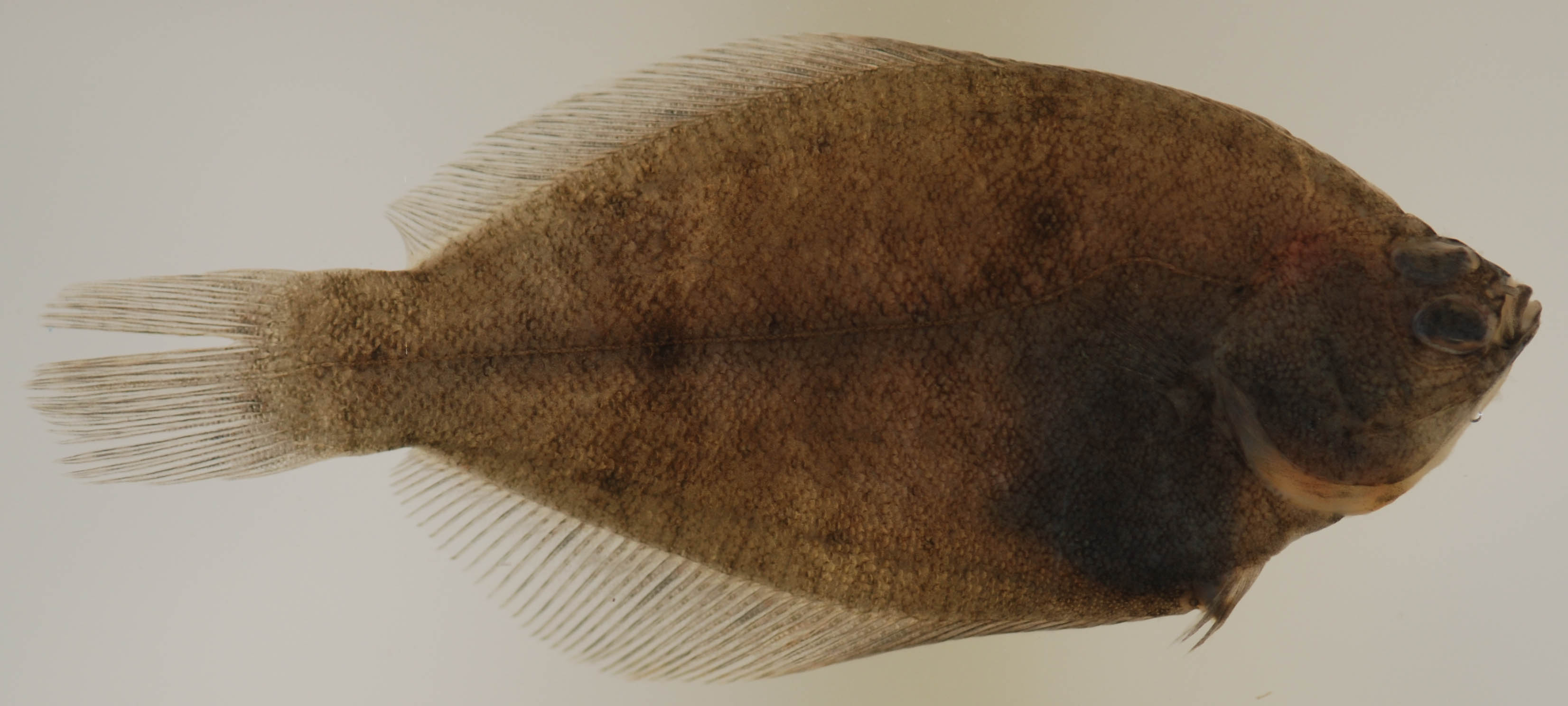

For generations of Northeast anglers, the arrival of winter flounder in the bays and estuaries is the true first sign of the fishing season. Known affectionately as "blackbacks," these small, tasty right-eyed flatfish were once so abundant that a spring afternoon on a party boat or a skiff could fill a bucket, and the tradition of chumming a bay flat and catching flounder on light tackle is one of the most cherished in the region. While the fishery has shrunk from its historic peaks and is now carefully regulated, winter flounder remain a wonderful light-tackle target, accessible from shore and small boats, forgiving for beginners, and among the finest-eating fish in the sea.
Winter flounder (Pseudopleuronectes americanus) are a right-eyed flatfish, meaning both eyes sit on the right side of the body, which faces up as the fish lies on the bottom. The eyed (top) side is a mottled dark brown to nearly black, hence "blackback", that lets them vanish into mud and sand, while the underside is white. They have a small, almost puckered mouth built for eating small worms, clams, shrimp, and other tiny bottom creatures, which is exactly why they are caught on small hooks and small baits. Most run half a pound to a pound and a half, with a "snowshoe" flounder of two-plus pounds being a real prize.
This guide covers the classic winter flounder playbook: the spreader rig, chumming, the best baits, where and when to find them, and how to clean your catch. Learn to read a productive bay, the soft flats, the channel edges, and the tides that move food across them, and you will get on the blackbacks faster.
Understanding winter flounder: behavior and habitat
Everything about how you catch winter flounder follows from how they live. They are bottom-dwelling ambush and forage feeders that lie flat on mud and sand, camouflaged, and grub small food off the bottom, worms, tiny clams and mussels, shrimp, amphipods, and other small invertebrates. They do not chase; they detect food by scent and sight and move a short way to pick it up. That is why chumming works so well, why baits and hooks must be small, and why keeping your offering flat on the bottom in a scent trail is the whole approach.
Their name reflects their unusual seasonal pattern. Unlike most inshore fish, winter flounder tolerate cold water well and actually move inshore in the colder months, into bays, harbors, and estuaries to spawn in late winter and early spring, which is when and where anglers target them. As the water warms through late spring and summer, they retreat to cooler, deeper water offshore. So while summer flounder (fluke) fishing peaks in warm weather, winter flounder is a cold-season and spring game, and understanding that reversed calendar is the first step to finding them.
Winter flounder are also strongly tied to specific bottom types and structure edges. They favor soft mud and sand where they can bury and where their small prey lives, and they concentrate along the transitions, the lip of a channel, the edge of a mussel bed, a deeper hole in a flat, where tidal current delivers food. Find that combination of soft bottom, a structure edge, and moving water in a spring estuary, and you have found winter flounder.
The spreader rig and terminal tackle
Winter flounder are caught on the bottom with small hooks, and the classic setup is a flounder spreader rig, a wire spreader that holds two small baited hooks out to the sides with a sinker hanging in the middle, keeping the baits flat on the bottom where flounder feed. Many anglers also use a simple two-hook high-low dropper rig. Either way, the keys are small, and the hooks are the whole game: use small, long-shank flounder hooks (size 8 to 12, chartreuse or red-beaded), because a winter flounder's tiny mouth cannot take a large hook.
Fish light, a light spinning or conventional outfit with 6- to 12-pound line makes the fishing fun and lets you feel the flounder's subtle bite, which is often just a soft peck or a bit of extra weight. Add a small colored bead, a spinner blade, or a fluorescent float to each hook; flounder are drawn to color and movement, and these little attractors noticeably increase bites. Keep your sinker just heavy enough to hold bottom in the current so the baits stay pinned in the strike zone.
Rigging and shore fishing for winter flounderBecause the bites are gentle, watch your rod tip closely and set with a smooth lift rather than a hard yank, a winter flounder often mouths the bait before committing, and patience puts more fish in the boat. Small hooks, small baits, and light tackle are the foundation of the whole game.
Chumming for flounder
If there is one technique that defines winter flounder fishing, it is chumming. Because flounder feed by scent and by grubbing along the bottom, a chum slick that puts food scent in the water pulls fish from the surrounding flat right to your baits. A classic flounder chum is crushed mussels, clams, or corn, often mixed with sand or mud and dropped in a chum pot to the bottom, where the tide spreads a scent trail that draws blackbacks in.
Anchor over a productive flat or channel edge, lower your chum pot to the bottom, and give it time to work, flounder fishing rewards patience as the slick develops and fish follow it to your hooks. Some anglers stir the bottom or add a "chum bomb" of packed bait and sand that breaks down slowly. The idea is always the same: create a scent trail on the bottom that concentrates fish in a small area around your baits.
Making a flounder chum pot / chum bombPosition matters as much as the chum itself. Anchor so your chum drifts across the flat with the tide and your baits sit in the resulting slick, and be ready to shift position if the bite is slow, a small move to the edge of a channel or a mussel bed can make all the difference.
Give the chum time before you expect results. A fresh slick needs a while to spread and for flounder to follow the scent trail to its source, so the bite often builds through the tide rather than starting instantly. Many veteran flounder anglers set their anchor and chum at the start of a productive tide stage and let the spot "cook," refreshing the chum pot as it empties. If you fish a spot regularly, chumming it on successive tides can actually condition fish to gather there. The lesson is patience: winter flounder fishing is a slow, methodical, rewarding game, not a run-and-gun one, and the angler who commits to a good spot and keeps a steady scent trail going usually out-fishes the one who moves constantly.
Best baits for winter flounder
Winter flounder are bait feeders with small mouths, so the best baits are small, natural, and full of scent. Sandworms and bloodworms are the gold standard, a small piece threaded onto the hook, with a little trailing to wiggle, is deadly. Fresh clam and mussel are excellent too and pair perfectly with a matching chum. Many anglers add a small piece of Gulp or a colored artificial to the hook alongside the natural bait for extra scent and visibility.
The key with every winter flounder bait is to keep it small. A big gob of bait just lets the fish nibble around the hook with that little mouth; a compact, fresh piece with the hook point near the end hooks far more fish. Re-bait regularly, flounder pick a bait clean quickly, and fresh, scent-rich bait in the chum slick is what keeps the bites coming.
Digging and using worm baits for flounderMatch your bait to what is available and to the chum you are using; worms over a mussel chum, clam over a clam chum. When bites are finicky, downsizing the bait and the hook, and freshening both often, turns a slow tide into a productive one.
Storage and handling of bait pays off too. Keep worms cool and dank in seaweed or their bedding so they stay lively, and keep clam and mussel cold and fresh, since scent is everything for a fish that hunts by smell. A lively, fresh-cut bait puts out far more scent than a dried-out or warm one, and in the confined scent world of a chum slick that difference shows up directly in your catch rate. Cut and thread just enough bait to cover the small hook, keep the point exposed, and you will convert far more of those gentle winter flounder pecks into hooked fish.
Where and when: bays, estuaries, and the spring run
Winter flounder are an inshore, estuary fish for much of the year, which is what makes them so accessible. They move into bays, harbors, tidal rivers, and estuaries to spawn in late winter and early spring, and the classic fishery targets them on those shallow flats and channel edges as the water warms, often from early spring through late spring, depending on latitude. As the water warms further into summer, they move back out to cooler, deeper water.
Look for them over mud and sand bottoms, along the edges of channels, around mussel beds, and in the deeper holes of bays and estuaries. They relate to the transition zones where the tide moves food, so the edge of a flat dropping into a channel is prime. A moving tide concentrates fish and food and turns on the bite, while dead slack water often slows it down.
Winter flounder fishing on a spring bayBecause they are shallow-water, inshore fish in spring, winter flounder are within reach of shore anglers casting from docks, bulkheads, jetties, and beaches, as well as small-boat and kayak anglers, no offshore run required. That accessibility, and the light tackle they are caught on, is a big part of their enduring appeal.
Fishing from an anchored boat
The most productive winter flounder fishing is usually done from an anchored boat over a chummed flat or channel edge. Anchoring lets you set up a chum slick and keep your baits sitting in it, which is exactly what the technique needs. Position the boat so the tide carries your chum scent across the productive bottom and your baits rest in the resulting trail, and use a double anchor or adjust your scope to hold the boat steady over the sweet spot.
Work multiple rods if regulations allow, spreading baits at slightly different distances to find where the fish are staging in the slick. When you catch one, others are usually nearby, winter flounder concentrate where the food and scent are, so a hookup marks the productive zone. If the bite fades, refresh the chum, check and re-bait your hooks, and be willing to pick up and move to a new edge or hole.
Winter flounder fishing from an anchored boatPatience and attention to the tide are the anchored angler's best tools. Set up before the productive stage of the tide, let the chum do its work, and stay alert for the soft, tell-tale peck of a feeding blackback.
Cleaning and eating winter flounder
Winter flounder are prized on the table, their white, delicate, sweet fillets are the classic "flounder" of Northeast kitchens, superb pan-fried, baked, or stuffed. Being a flatfish, they yield four fillets (two from each side), and while the fillets are thin, they cook quickly and beautifully. As with all fish, bleed and ice your catch promptly to keep the flesh firm and fresh.
Filleting a flatfish is a specific skill worth learning: lay the fish flat, cut around the perimeter and down the lateral line, and lift each fillet off the frame with a flexible knife. The thin fillets skin easily once you get the technique. A few winter flounder make a fine meal, and their mild sweetness is why the fishery has been cherished for so long.
How to fillet a winter flounderAbove all, respect the regulations. Winter flounder stocks have declined significantly from historic levels, and the fishery is tightly managed with minimum sizes, small bag limits, and seasons that vary by state and change often. Know the current rules where you fish, keep only what is legal, and handle released fish gently. Careful, conservation-minded fishing is what will keep this treasured spring tradition alive.
Bringing it together
Winter flounder fishing is a light-tackle, patient, tradition-rich pursuit that rewards attention to detail. Anchor over a bay flat or channel edge on a moving tide, set a chum slick of crushed mussel or clam, and fish small hooks tipped with a bit of sandworm or clam right in the scent trail. Keep everything small, hooks, baits, tackle, watch for the gentle peck, and enjoy one of the Northeast's most accessible and delicious inshore fisheries. Fish it thoughtfully and within the rules, and the blackbacks will keep marking the arrival of spring for years to come.
Ready to get on the flats? Scout a productive bay, a soft-bottom flat dropping into a channel or edging a mussel bed, and time your trip to a moving tide, and you will be in position when the blackback bite turns on.
For more Northeast inshore and bottom targets, see our guides on how to catch scup, how to catch tautog, and how to catch black sea bass.