Fish
Fish Fire
Fire Hike
Hike Bird
Bird

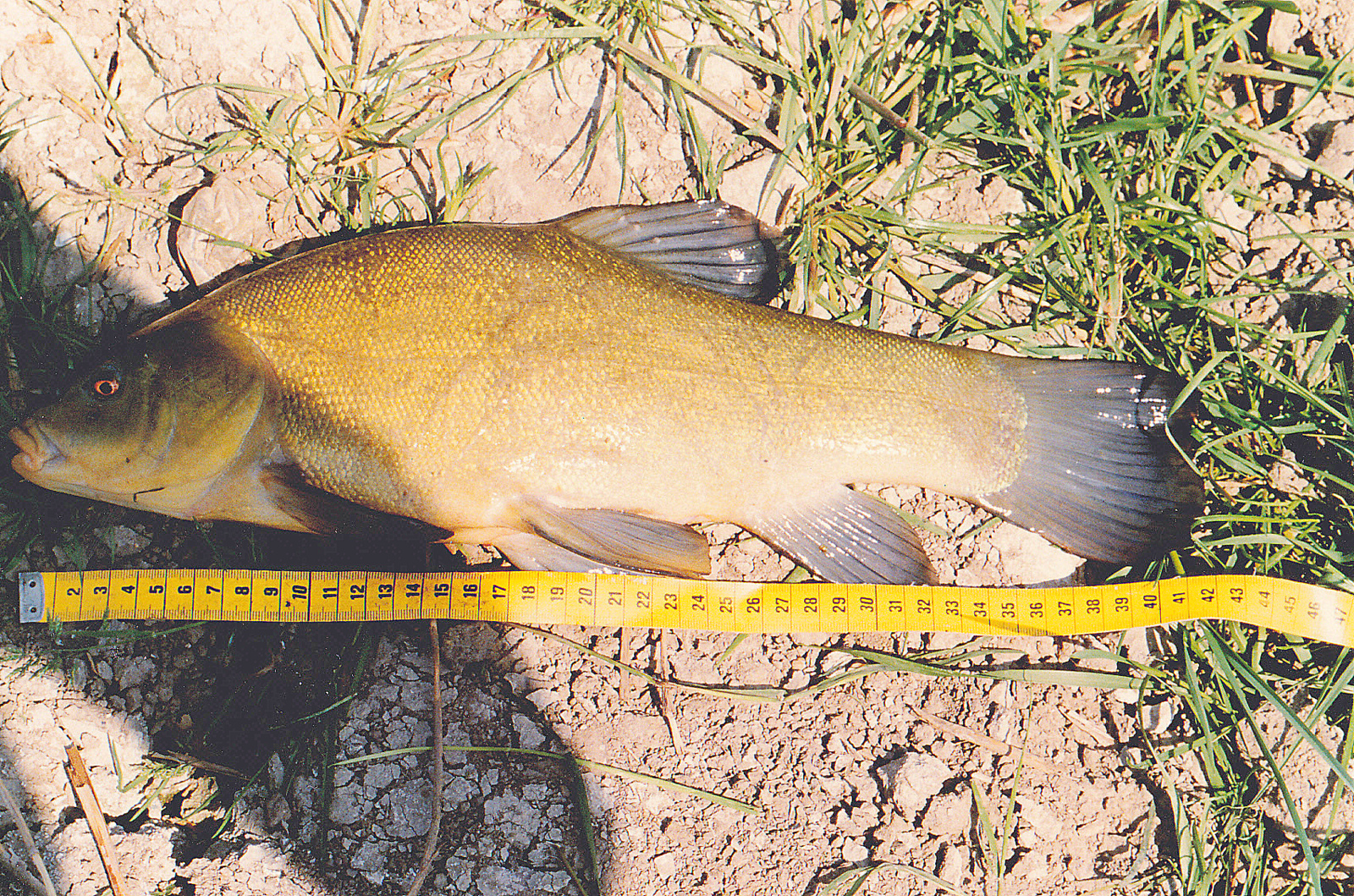

The tench (Tinca tinca) is one of the most beautiful and beloved fish in European coarse fishing, a thick-set, olive-gold member of the carp family with tiny embedded scales that give it a smooth, almost velvety look, small red eyes, and rounded fins. Powerful, dogged fighters that bore deep into weed when hooked, tench are a classic summer-dawn quarry of lakes, ponds, canals, and slow rivers across the UK, Europe, and beyond (they've also been introduced to parts of North America). Steeped in angling tradition and famously associated with misty early mornings and rolling, bubbling fish over the baited swim, the tench is a wonderful target for float and feeder anglers alike. This guide covers how to find and catch tench with the methods and baits that work.
What Is a Tench?
The tench is a stocky, deep-bodied cyprinid (a relative of the common carp, roach, and bream) instantly recognized by its olive-green to golden-bronze coloration, very small scales set in thick slimy skin, rounded fins, small bright-red or orange eyes, and a small barbel at each corner of the mouth. Males have notably large, thickened pelvic fins. There's also a popular ornamental "golden tench" variety. Tench commonly run 1 to 4 pounds, with specimen fish reaching 6 to 8 pounds or more, a big tench is a genuinely powerful adversary.
For anglers, the defining traits are that tench are bottom-feeding, weed-loving stillwater fish that root in soft bottoms and among vegetation for insect larvae, worms, snails, crustaceans, and plant matter. They love warm, weedy, muddy-bottomed lakes and ponds, feed most actively in the warm months, and famously give away their presence by sending up streams of small bubbles as they root in the bottom, "tench bubbles" over the swim are a classic sign of feeding fish. They fight hard and deep, using their power and the weed to try to escape. Their beauty, strength, tradition, and the atmospheric dawn sessions they inspire make tench a cherished species.
Where and When to Catch Tench
Tench are found throughout the UK and across Europe, and have been introduced to parts of North America and elsewhere. Look for them in warm, weedy, still or slow waters: lakes, ponds, gravel pits, canals, and slow-moving rivers with soft bottoms and plenty of vegetation, lily pads, reed margins, and overhanging cover. They relate to weed beds, margins, gravel bars, and the edges of features, rooting along the bottom for food. Classic tench swims are the weedy margins and bays of lakes and pits.
Tench are very much a warm-season fish. The prime time is late spring through summer, especially from the pre-spawn period in May and June (a traditional peak for big tench) through the warm months. They feed most actively in warm water and are famously an early-morning fish, dawn and the first hours of light are the classic, most productive tench time, when fish move into the margins and shallows to feed and roll on the surface. Warm, settled weather and calm mornings are ideal. Tench largely shut down in cold water, so winter fishing is tough; concentrate your efforts from spring through early autumn, at first light, over weedy margins and bars.
Float Fishing and the Lift Method
The classic, traditional way to catch tench is float fishing, and the signature tench technique is the lift method, a beautifully simple approach perfect for margins and close-range feeding fish.
Tench Fishing with the Lift Method FloatIn the lift method, you fish a float (often a peacock quill) set slightly overdepth, with a shot pinched on close to the hook resting on the bottom; when a tench sucks in the bait and lifts, it dislodges the shot and the float rises and lies flat, a distinctive "lift" bite that's a joy to watch. Set up in a weedy margin or over a baited spot in the shallows at dawn, present your bait on the bottom, and watch the float for that classic lift or a sharp dip. Standard waggler and pole float tactics also work well for tench in open water. Float fishing lets you present bait delicately over the baited swim and enjoy the visual thrill of the take, which is a big part of tench fishing's charm.
Feeder and Leger Fishing
For fishing at range, in deeper water, or in windy conditions, feeder and leger (bottom) fishing is deadly for tench, delivering bait and attractant right to the fish on the bottom.
Feeder Fishing for TenchFish an open-end or cage feeder packed with groundbait and hookbait samples, or a straight leger, casting to weed beds, gravel bars, and margins and letting the feeder deliver a concentrated bed of feed. A quivertip rod signals the often-savage tench bite as the tip pulls round. Feeder fishing lets you fish beyond float range, hold bottom in wind, and build a swim with regular casting to draw and hold a shoal of tench. It's an efficient, effective method for both numbers and big specimen tench, especially on larger waters and gravel pits.
The Method Feeder
A modern and extremely effective tench tactic is the method feeder, a loaded feeder that presents your hookbait right on top of a compact ball of groundbait, so a feeding tench takes the bait almost inevitably.
Method Feeder Fishing for TenchMould groundbait around a method feeder with a short hooklink and hookbait sitting on or just beside the feed, and cast to your spot; a tench rooting through the feed sucks up the hookbait and hooks itself against the feeder's weight, often producing hard, self-hooking bites. The method feeder is superb for tench because it concentrates feed and bait in one tight spot on the bottom exactly where tench root, and it's a favorite for both quantity and big fish on stillwaters. Pair it with a bolt-style setup and a quivertip or bite alarm, and hold on for the powerful runs tench are known for.
Baits for Tench
Tench respond to a wide range of baits, and dialing in the right offering (and feeding it well) is central to success.
The Best Baits for TenchTop tench baits include sweetcorn, maggots, casters, worms (especially redworms and lobworms), bread, and small boilies and pellets. Corn and maggots are classic, deadly tench baits; a bunch of maggots or a couple of grains of corn on the hook, fished over a bed of the same, is hard to beat. Worms are excellent, especially in spring. On many waters, small boilies and pellets (as used for carp) now take plenty of tench, particularly big ones. Crucially, groundbaiting and pre-baiting are key: introducing groundbait laced with corn, maggots, casters, and chopped worm concentrates fish and gets them feeding confidently over your spot. Feed little and often to keep the shoal interested, and match your hookbait to the feed.
Margin Fishing and Watercraft
Much of tench fishing's magic, and much of its effectiveness, happens in the margins at dawn, where watercraft and observation pay off enormously.
Margin Fishing for Tench at DawnAt first light, tench move tight to the bank to feed in the weedy, shallow margins, and a bait presented quietly in a raked or baited margin swim can produce the best fishing of the day. Watch for the signs: rolling, porpoising fish at the surface and, above all, the tell-tale streams of tiny bubbles ("tench bubbling") that betray fish rooting in the bottom over your baited spot. Fish where you see these signs. Traditional tench anglers rake a swim to clear weed and stir up the bottom, then bait it and let it settle, drawing tench in to feed. Approach quietly, keep low and out of sight in the clear shallow water, and present your bait in or beside the feeding zone. Reading the water and the fish's signs is a huge part of consistent tench success.
Getting Started with Tench
Tench are a wonderful species for anglers looking to move beyond the basics into classic coarse fishing, and getting started is straightforward once you understand the essentials.
How to Catch Tench: A Beginner's GuideThe core recipe is simple: find a warm, weedy stillwater; bait a margin or bar swim with groundbait and loose feed; arrive at dawn in the warm months; and present corn, maggots, or worm on the bottom with a float or feeder. You don't need specialist gear to begin, a float or feeder rod, a reel with 6- to 10-pound line, a few floats or feeders, hooks, and some corn and maggots will get you catching. Start close in, in the margins, where tench feed at first light and where you can watch for bubbling and rolling fish. As you gain confidence, you can add the method feeder for range, learn to rake and pre-bait swims, and target bigger specimen fish on larger waters. Because tench are relatively obliging when you find and feed them, and because they fight so well, they're an ideal and rewarding step up for developing anglers, and a lifelong favorite for many.
Understanding Tench Behavior
Everything about catching tench flows from the fact that they're warm-loving, bottom-rooting, weed-oriented shoal fish. They feed by grubbing through soft bottoms and vegetation, so your bait belongs on the bottom, over a baited spot, near weed and features. They shoal, so once you locate and feed a group, you can catch several, and building and holding a swim with groundbait is central to the approach. They're most active in warm water and at dawn, so timing your session to warm months and first light dramatically improves results. And they fight hard and dive for weed, so use tackle with enough backbone to steer them away from snags.
The classic tench-fishing rhythm captures it all: bait a weedy margin swim, arrive at dawn, watch for rolling fish and bubbling, present a simple bait (corn, maggots, or worm) on the bottom via float or feeder, and enjoy the hard-fighting fish that result. Feed regularly to keep the shoal happy, stay quiet and low, and read the signs the fish give you. Do that in the warm months, and the beautiful, powerful tench rewards you with some of coarse fishing's most atmospheric and satisfying sessions.
It's also worth tuning your tackle to the fight. A hooked tench doesn't run far like a carp, but it bores hard and repeatedly for the nearest weed, using its broad, powerful body and those thick fins to try to bury itself. That means you want a forgiving but firm rod, a reliable clutch, and line strong enough to apply steady side-strain and steer the fish away from snags without bullying it. Where you're fishing near heavy weed or lily pads, step up your line and hooklink accordingly, because a big tench lost in the salad is a real heartbreaker. Balanced tackle, matched to the size of fish and the amount of cover, lets you enjoy the tench's dogged fight while landing the fish that count. Combined with good watercraft and a well-fed swim, the right gear turns a promising dawn session into a memorable one.
Cleaning, Handling, and Eating Tench
In the UK and much of Europe, tench are a catch-and-release coarse fish, treasured as a sport fish rather than food, and the strong tradition (and often the rules) is to return them carefully. Tench are covered in a protective slime, so handle them with wet hands or a wet mat, use a large landing net and unhooking mat, minimize air time, and return them gently to fight another day. Because they're powerful and dive for cover, land them with care to avoid harm.
Tench are edible, historically they were eaten, and the flesh is white, but they're generally considered muddy or unremarkable in flavor (unless purged in clean water) and bony, and combined with the strong catch-and-release ethic surrounding coarse fish, very few anglers keep them to eat today. Where tench are introduced (as in parts of North America) and where regulations permit harvest, they can be prepared like other cyprinids, scaled or skinned, filleted, and fried or baked, ideally after purging to improve the flavor. But for the vast majority of tench anglers, this is a species to admire, photograph, and release. Always follow your local regulations, which in many tench waters mandate release.
Bringing It All Together
The tench is coarse fishing at its most classic and atmospheric, a beautiful olive-gold fish that bubbles over the baited swim at dawn and fights with surprising power. Find the warm, weedy stillwaters they love, bait a margin or bar swim, and arrive at first light in the warm months; then present corn, maggots, or worm on the bottom with a lift-method float, a feeder, or a method feeder, watch for rolling and bubbling fish, and hang on for a dogged, weed-diving fight. Feed your swim, read the water, handle these lovely fish with care, and release them to be caught again. Few fisheries reward patience, watercraft, and an early alarm quite like tench fishing.
For more hard-fighting coarse fish and carp-family relatives, see our guides to the common carp, the grass carp, and the chub.
Want to learn to read weedy stillwaters and time the dawn tench bite? There's no shortcut for it: put in the early mornings, learn to spot the bubbling and rolling that betray feeding fish, keep your swim fed, and experience one of coarse fishing's great traditions for yourself.