Fish
Fish Fire
Fire Hike
Hike Bird
Bird

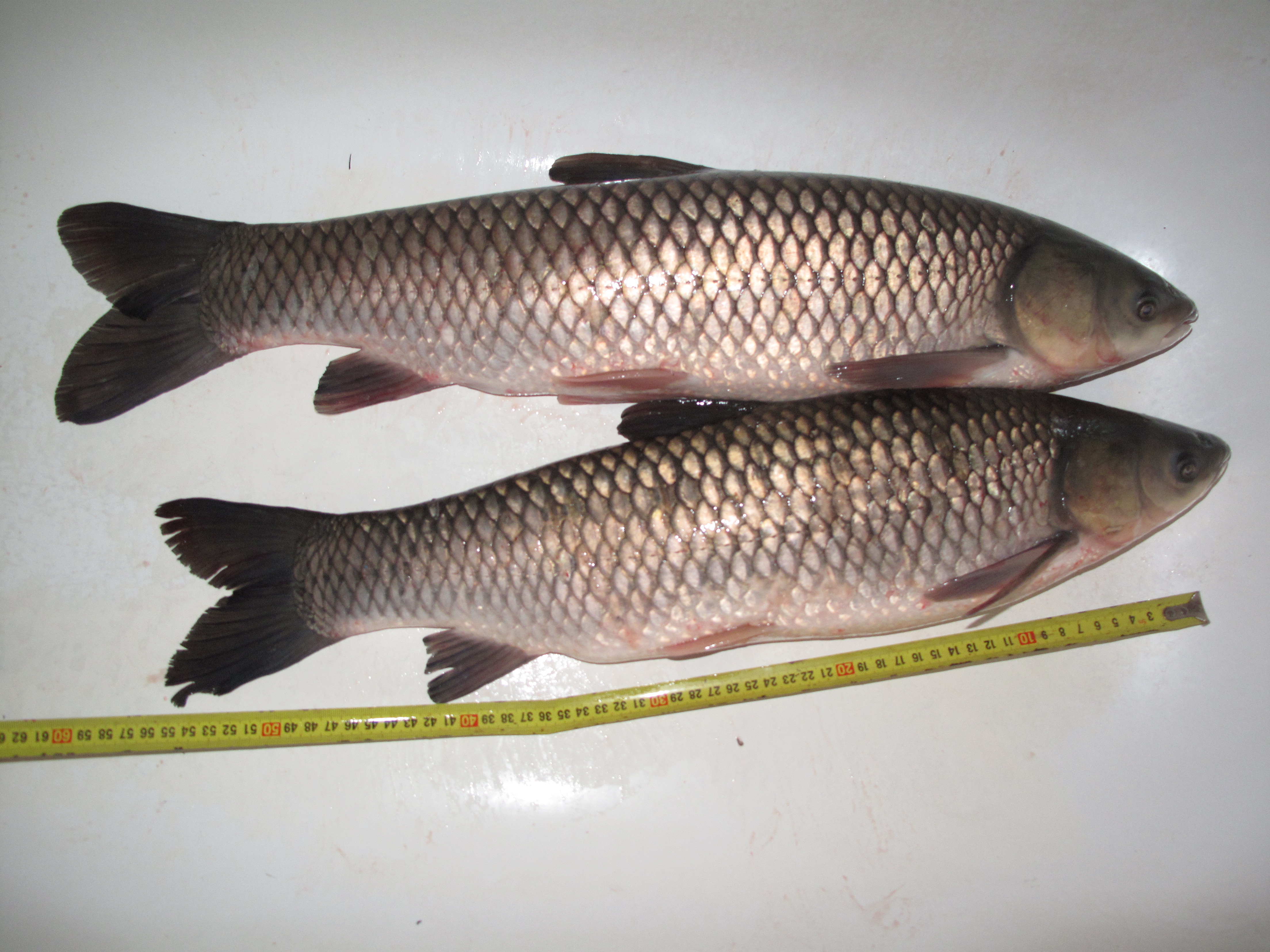

The grass carp is one of freshwater fishing's greatest challenges, a huge, powerful, intensely wary vegetarian that can top 40, 50, even 70-plus pounds, cruises the shallows of ponds and lakes in plain sight, and yet frustrates the best anglers with its skittish caution and plant-only diet. Introduced across North America to control aquatic weeds (it eats vegetation voraciously, which is why it's stocked), the grass carp (Ctenopharyngodon idella), also called the white amur, is a torpedo-shaped Asian carp that grows to enormous size and fights with bulldog power. But catching one on hook and line is a genuine accomplishment: because grass carp eat plants rather than the worms, insects, and baitfish most fish key on, and because they're extraordinarily spooky, they demand specialized tactics, stealth, and patience that separate the dedicated from the casual.
For anglers who love a challenge, the grass carp is an irresistible target, big enough to be a true trophy, strong enough to test heavy tackle, and clever enough to make every catch feel earned. This guide covers what a grass carp is, where to find them, and the specialized techniques, surface bread, vegetation baits, chumming, sight fishing, and the fly, that fool these giant, wary vegetarians.
What Is a Grass Carp?
The grass carp is a large member of the minnow and carp family (Cyprinidae), native to eastern Asia and widely introduced around the world (including across much of the United States) to control aquatic vegetation. It has an elongated, torpedo-shaped body, more streamlined than the deep-bodied common carp, covered in large, dark-edged scales that give it a distinctive crosshatched look, a broad, blunt head, a terminal mouth without barbels (unlike the common carp, which has barbels), and a slightly forked tail. Its coloration is olive-to-silvery, often brassy on the flanks and white below. Grass carp grow to impressive sizes: commonly 10 to 30 pounds, with fish over 40 pounds not unusual in good waters and giants exceeding 60 to 70 pounds recorded.
How to Catch Grass Carp: Complete TutorialThe defining feature of the grass carp, from an angler's perspective, is its diet: it is almost purely herbivorous, feeding voraciously on aquatic plants, algae, grass, and other vegetation (a big grass carp can eat many pounds of plants a day, which is why they're stocked as living weed-control). This plant diet changes everything about how you catch them, traditional carp baits and lures aimed at bottom-grubbing or predatory fish often fail, and you must instead offer vegetation, bread, dough, or plant-based baits, or match the natural food they're eating. Combined with their notorious wariness, grass carp spook at the slightest disturbance, this makes them one of the most challenging freshwater fish to catch on purpose. (Note: many grass carp stocked for weed control are sterile "triploid" fish, and regulations on catching, keeping, or targeting them vary widely, always check local rules.)
Where to Find Grass Carp
Grass carp are stocked in ponds, lakes, reservoirs, and slow rivers across much of North America (and found wild in some river systems), specifically in waters with aquatic vegetation they're meant to control. Wherever they live, they relate to their food, plants, and to warm, calm water. Focus on:
- Aquatic vegetation, weed beds, lily pads, milfoil, hydrilla, and shoreline grass, where grass carp feed; the number-one place to find them.
- Shallow, warm, calm water, grass carp cruise and feed in the shallows, especially on warm, sunny, calm days.
- Surface and shoreline, they often feed at or near the surface on vegetation, floating plants, and overhanging grass, and can be seen cruising or "tailing."
- Warm, protected areas, bays, coves, backwaters, and the warm side of a lake or pond.
- Near overhanging trees and grassy banks, where terrestrial vegetation (and bread, if people feed them) falls into the water.
The great advantage in grass carp fishing is that you can often see them, big fish cruising the shallows, backs and tails breaking the surface, or feeding on vegetation. Sight fishing is central to catching them: spot the fish, watch its behavior, and present your bait in its path. Look for them on calm, warm, sunny days when they come shallow to feed and sun themselves. But remember, if you can see them, they can sense you, approach with extreme stealth.
Bread and Surface Fishing
One of the most exciting and effective ways to catch grass carp is surface fishing with bread. Grass carp readily learn to eat floating bread (especially in parks and ponds where people feed ducks and fish), and watching a giant grass carp slurp a piece of bread off the surface is one of angling's great thrills.
Surface Fishing for Grass Carp with BreadTo fish bread on the surface, use a piece of floating crust or a flattened piece of bread on a hook, fished freelined (no weight) or under a controller float, and present it in the path of feeding fish. Chumming with free pieces of bread first is key, toss several pieces to get the grass carp feeding confidently on the surface, then slip your hooked piece in among them. The take can be maddeningly cautious; grass carp often mouth and reject bread repeatedly before committing, so patience and a stealthy, natural presentation are everything. Keep your line off the water, stay hidden, and wait for the fish to confidently take the hooked bread. When a big grass carp finally slurps it down and you set the hook, hold on, the fight is powerful and dogged. Surface bread fishing is the classic, visual, and thrilling way to catch them.
Vegetation and Other Baits
Since grass carp eat plants, one of the most natural and effective approaches is to match their vegetarian diet with plant-based baits, including the very vegetation they're feeding on. Presenting a bait that mimics or is their natural food can fool wary fish that ignore everything else.
The Easiest Way to Catch Big Grass CarpEffective grass carp baits include freshly cut grass, blades of the aquatic weeds they eat, and terrestrial greens (some anglers use a small bundle of grass or a piece of leaf on the hook), as well as dough baits, corn, cherry tomatoes, and small pieces of fruit or vegetable. A deadly trick is to fish a bait that matches what they're eating, if grass carp are grazing a particular weed or on grass clippings blown into the water, offer the same. Fish these baits near vegetation, at the surface or just subsurface, or on the bottom near their feeding areas, and, as with bread, chumming the area first with the same bait builds confidence. Because grass carp are so cautious, a natural, plant-based offering presented subtly in their feeding zone is often the key that unlocks a wary fish. Match the menu, and you'll fool more grass carp.
Chumming and Sight Fishing
More than almost any other freshwater fish, grass carp fishing rewards chumming and sight fishing, pre-baiting an area to concentrate and relax the fish, then presenting to specific, visible targets. These two techniques, used together, are the foundation of consistent grass carp success.
Grass Carp Fishing Tips and TechniquesChumming, scattering bread, corn, cut vegetation, or dough in a spot over several days or hours, trains grass carp to feed there and lowers their guard, so that when you fish your hooked bait among the free offerings, they take with more confidence. Sight fishing means spotting individual grass carp (cruising, tailing, or feeding), reading their behavior, and gently presenting your bait directly in their path, then watching for the take. Polarized sunglasses are essential for spotting fish and detecting the subtle take. Move slowly and quietly, keep a low profile, avoid casting a shadow or making noise, and be prepared to wait and watch. The combination of a pre-baited zone and a careful sight-fished presentation to a visible fish is the most reliable way to catch these spooky giants. Stealth and patience are not optional, they're the whole game.
Fly Fishing
For the ultimate grass carp challenge, chase them on the fly, sight-casting a fly to a giant, wary, plant-eating fish in shallow water is often compared to saltwater flats fishing for its difficulty and its thrill, and landing a big grass carp on a fly rod is a genuine trophy accomplishment.
Fly Fishing for Monster Grass CarpGrass carp fly fishing is pure sight fishing: spot a feeding or cruising fish in the shallows, and present a fly, typically a plant- or berry-imitating pattern (foam "bread" flies, mulberry flies, algae and moss patterns, or small subtle nymphs), gently in its path. Because grass carp eat vegetation, flies that imitate their food (or match nearby fallen berries, like mulberries dropping from an overhanging tree) can be deadly at the right time. The presentation must be delicate and precise, land the fly softly, well ahead of the fish, and let it intercept the bait naturally; a lined or spooked fish is gone. When a grass carp eats and you come tight, be ready for a powerful, reel-screaming run. It's one of the most demanding and rewarding pursuits in fly fishing, a true test of stealth, casting, and patience.
Bowfishing
In many areas, grass carp are also taken by bowfishing, a popular method for these large, often-visible, surface-and-shallow-cruising fish, particularly where regulations encourage or allow the removal of non-native carp. Bowfishing is a very different pursuit from hook-and-line, more hunting than angling.
Bowfishing for Grass CarpBowfishers use a specialized bow with a reel and a barbed arrow tethered by line, stalking or drifting within range of grass carp cruising the shallows or basking near the surface, then shooting the fish and retrieving it on the line. It's an effective way to take these big, wary fish that are so hard to fool on bait, and it's especially popular for removing them where they're considered invasive. Note that regulations on bowfishing for grass carp vary widely, some places encourage it for non-native carp control, while others protect stocked (often expensive, sterile) grass carp, so always check local rules before targeting grass carp with a bow. Where it's legal, bowfishing is a productive and exciting way to pursue these giants.
Tackle for Grass Carp
Grass carp are big, powerful fish, so, for hook-and-line fishing, you'll want stout tackle. A medium-heavy to heavy rod (a strong carp rod, a heavy spinning outfit, or a stout baitcaster) with a good drag, spooled with strong line (12 to 20+ pound mono or heavier braid), gives you the backbone to fight a large, hard-running fish and to steer it away from weeds. Use strong, sharp hooks appropriate to your bait, and a controller float for surface bread or a light freeline for a natural presentation. Because grass carp are so wary, a low-visibility line or leader (fluorocarbon) helps. Have a large landing net and be prepared for a long, dogged fight, a big grass carp will test your tackle and your knots. For fly fishing, an 8- to 10-weight rod with a strong reel and drag is standard. And always handle these big fish carefully for release (where required), supporting their weight and minimizing air time.
Where the Grass Carp Fits
The grass carp is one of several introduced Asian carps and a relative of the common carp, and knowing the difference matters. The common carp is the familiar, deep-bodied, barbel-mouthed carp caught on corn, dough, and boilies on the bottom, a very different fish and fishery from the elongated, plant-eating, surface-and-shallow grass carp, though both are big, powerful, and wary. Grass carp are also cousins to the bighead and silver carps, the filter-feeding Asian carps that have become notorious invaders of the Mississippi basin. Among all of them, the grass carp stands out as the vegetarian giant, the plant-eating, sight-fished trophy that many carp anglers consider the ultimate freshwater challenge.
Eating and Regulations
Grass carp are actually good eating in many cultures, their flesh is white, firm, and mild, and grass carp is a widely farmed and consumed food fish across Asia and beyond. That said, they are bony, and in North America many are sterile triploid fish stocked at expense for weed control, so regulations on catching, keeping, and even targeting grass carp vary enormously by state and water. In some places it's illegal to keep them (to protect the stocked weed-control fish); in others, especially where they've established wild populations, harvest and removal are encouraged. Before you keep, or even deliberately target, a grass carp, check your local regulations carefully. Where keeping them is legal and you choose to, they can be prepared like other carp: scaled, filleted, scored to deal with the bones, and fried, baked, or smoked. But for many anglers, the grass carp is a catch-photo-release trophy (where release is required) rather than a meal.
Put It All Together
Catching grass carp comes down to matching their vegetarian diet, using stealth, and sight-fishing to visible fish: chum an area with bread, corn, or cut vegetation to relax the fish, then present a floating piece of bread, a plant-based bait, or a food-imitating fly gently in the path of a cruising or feeding grass carp. Move slowly, stay hidden, wear polarized glasses to spot fish and detect the cautious take, and be patient, grass carp will mouth and reject a bait many times before committing. Use stout tackle for their powerful fight, check your local regulations (which vary widely for this stocked, often-sterile fish), and savor the accomplishment when you finally fool one. Big, wary, plant-eating, and powerful, the grass carp is one of freshwater fishing's ultimate challenges, and one of its most rewarding.
Want to tangle with a giant vegetarian? Scout your local ponds, park lakes, and slow rivers for weed beds and cruising fish, pre-bait a spot to lower their guard, and bring the stealth and patience these trophies demand, then go fool one of fresh water's most challenging fish.