Fish
Fish Fire
Fire Hike
Hike Bird
Bird

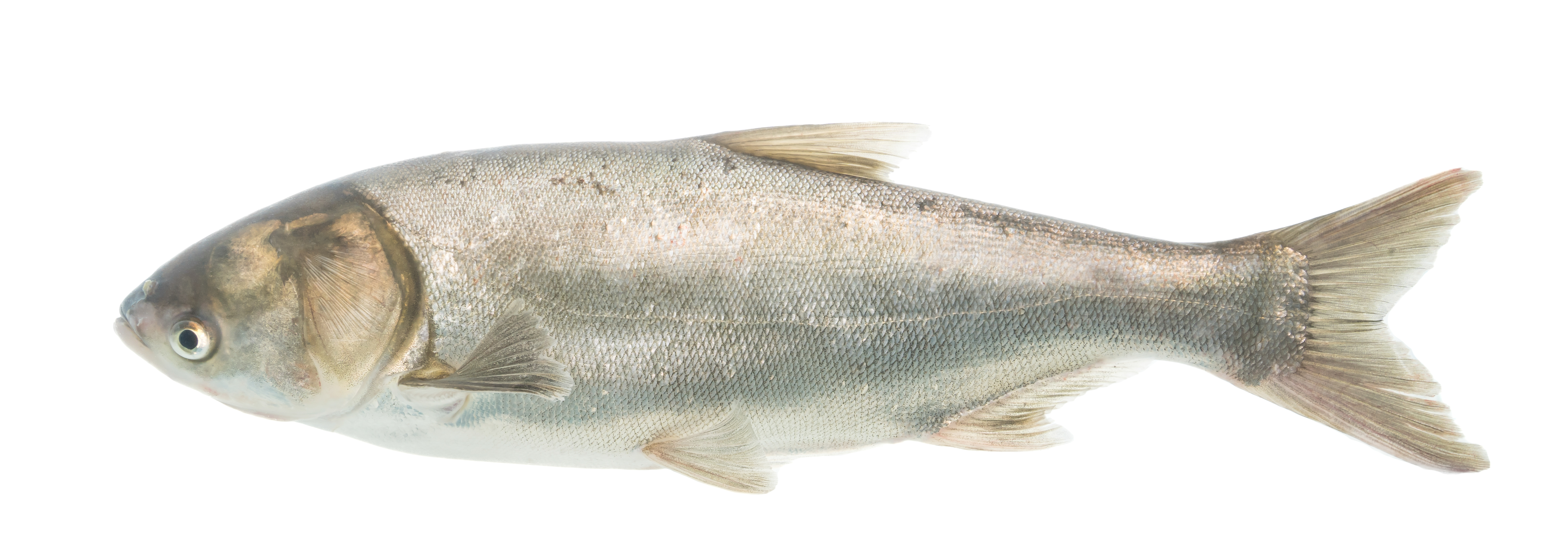

The silver carp is the most infamous fish in North America, the notorious "flying carp" whose habit of launching itself high out of the water when startled by boat motors has produced countless viral videos, bruised boaters, and a genuine river hazard across much of the central United States. But the silver carp (Hypophthalmichthys molitrix) is far more than a leaping spectacle: it's a large, invasive, plankton-filtering Asian carp that has devastated native fish populations by consuming the plankton at the base of the food web, and it's one of the most challenging fish to catch by conventional means, because, like its cousin the bighead, it eats microscopic plankton, not baits or lures. Growing to 20, 30, 40 pounds and beyond, the silver carp is a big, powerful, ecologically damaging fish that demands unconventional methods to catch and that authorities are desperate to remove.
For anglers, the silver carp offers a bizarre and thrilling pursuit: you can bowfish leaping fish out of the air, snag them where they stack up below dams, or, for the truly dedicated, try to hook these filter feeders on specialized suspension rigs. And because they're invasive, catching and removing them is actively encouraged. This guide covers what a silver carp is, where to find them, the wild flying-carp phenomenon, and the methods, bowfishing, snagging, suspension fishing, and removal, that put these leaping invaders on the bank.
What Is a Silver Carp?
The silver carp is a large member of the minnow and carp family (Cyprinidae), native to eastern Asia and introduced to North America (originally to control algae in aquaculture and treatment ponds), where it escaped and became one of the continent's most damaging invasive fish. It has a deep, laterally compressed, silvery body (brighter and plainer than the mottled bighead carp), a large head with a distinctly upturned mouth and very low-set eyes that sit below the midline, no barbels, and fine scales. Its most notorious trait, though, is behavioral: silver carp are the "flying carp" that leap up to 10 feet out of the water when startled by the vibration of boat motors. Silver carp grow large, commonly 10 to 30 pounds, with fish over 40 pounds recorded.
Catching Silver Carp at the DamLike the bighead, the silver carp is a filter feeder, straining microscopic plankton, especially phytoplankton (algae), from the water through extraordinarily fine, sponge-like gill rakers. This plankton diet is the crux of the fishing challenge: silver carp don't bite baits or chase lures, so conventional angling largely fails, and anglers must instead bowfish them, snag them, or use specialized suspension methods to catch them. Their filter feeding also makes them ecologically devastating, they consume the plankton that native fish, and the young of nearly all fish, depend on, out-competing native species and reshaping entire river ecosystems. (Silver carp are a federally injurious species in the U.S.; transporting live fish is often illegal, and removal is strongly encouraged, always follow local rules.)
Where to Find Silver Carp
Silver carp have spread explosively through the Mississippi River basin and its major tributaries, the Illinois, Missouri, Ohio, and many other rivers, and into connected waters across much of the central U.S., with intense efforts to stop them from reaching the Great Lakes. Wherever they live, they relate to plankton-rich water and current. Focus on:
- Large rivers and their backwaters, the silver carp's core habitat; big rivers with plankton blooms.
- Below dams, in spillways, and in tailwaters, silver carp stack up in these current- and plankton-rich areas in huge numbers, the prime place to find (and snag or bowfish) them.
- Backwaters, sloughs, and confluences, slower, nutrient-rich water where plankton and fish concentrate.
- The upper water column and surface, silver carp feed and cruise high in the water where plankton is dense, and are often visible at the surface (and leaping).
- Fertile, plankton-rich, sometimes algae-green water, follow the plankton and you'll find the carp.
The great tell for silver carp is their leaping: run a boat through an infested stretch and startled fish erupt from the water all around you, revealing exactly where the schools are. Below dams and in tailwaters, they often gather in astonishing densities. Look for fertile, nutrient-rich rivers and impoundments, especially the current-rich water below dams, where these fish concentrate.
The Flying Carp Phenomenon
No discussion of silver carp is complete without their signature behavior: leaping. Silver carp are uniquely sensitive to the vibration and sound of boat motors, and when a boat passes, they panic and launch themselves, sometimes dozens at once, up to 8 or 10 feet into the air, creating the surreal, dangerous, and now-famous "flying carp" spectacle that has injured boaters and become a symbol of the Asian carp invasion.
Silver Carp Jumping FrenzyThis behavior, bizarre as it is, is central to how many people "catch" silver carp: boaters run through infested water specifically to make the fish jump, then catch them in the air with nets, hands, or even garbage cans, and, most popularly, shoot them with bows as they leap or cruise. Whole tournaments and events are built around the flying-carp phenomenon. Be warned, though: a 20-pound fish launching itself at boat speed is a genuine hazard, capable of causing real injury, so anyone running a boat through silver carp water should be cautious, wear eye protection, and be ready for airborne fish. The leaping that makes them a menace also makes them uniquely accessible to bowfishers and net-wielders, a strange silver lining to a serious invasion.
Bowfishing
Bowfishing is by far the most popular and effective way to take silver carp, perfectly suited to these large, surface-oriented, often-airborne fish, and strongly encouraged as a removal method. It's an active, exciting, hunting-style pursuit, and silver carp, leaping and cruising near the surface, are ideal targets.
Bowfishing for Jumping Silver CarpBowfishers use a bow rigged with a reel and a barbed arrow tethered by line, shooting silver carp as they cruise near the surface or leap from the water, some bowfishers specialize in taking them in mid-air as they jump, an extraordinary feat of timing. Because silver carp are so abundant, so surface-oriented, and so prone to leaping when a boat approaches, they're one of the premier bowfishing targets in North America, and countless tournaments and removal events focus on them. It's a productive, thrilling method that helps control these invaders, and it turns the fish's dangerous leaping into an angling opportunity. As always, check local regulations, bowfishing invasive carp is legal and encouraged in many places, but rules vary, and be prepared to handle and use or dispose of the large fish you take.
Snagging
Because silver carp are so hard to catch by conventional means and so densely concentrated (and invasive), snagging, using large weighted treble hooks to foul-hook fish rather than getting them to bite, is a common and often-legal method, especially where they stack up thick below dams. It's a physical, active technique very different from bait fishing.
Snagging Silver Carp Below a DamTo snag, anglers use a stout rod, heavy line, and large weighted treble hooks, casting into dense concentrations of silver carp (often visible or leaping below dams and in spillways) and sweeping the rod hard to drive the hooks into a fish, then fighting it in. Where silver carp are packed into tailwaters, snagging can be highly effective, and it's frequently permitted, even encouraged, for these invasive fish specifically. It requires heavy tackle to handle both the snagging stroke and the powerful fight of a big carp. Snagging regulations vary widely, and rules about which species may be snagged are strict, so always confirm local rules before snagging. Where it's legal, it's a productive way to catch and remove large numbers of these invaders from the tailwaters where they gather.
Suspension Methods and Dam Fishing
For anglers who want to catch silver carp on rod and reel by "fair" means, the same suspension or paste methods used for bighead carp can work, creating a cloud of fine bait particles that the filter-feeding fish take in, with a hook hidden in the plume. This is a niche, patient approach, but it does hook these otherwise-uncatchable fish.
Fishing for Silver Carp at the DamThe setup suspends a dissolving ball, sponge, or mesh bag of fine, water-dispersing bait under a float at the carp's feeding depth, with small hooks positioned in the resulting particle cloud; as the filter-feeding silver carp swims through the plume with its mouth open, it takes in the hook. The current-rich, plankton-rich, fish-packed water below dams is the best place to try it, since that's where silver carp concentrate. It's finicky and low-percentage compared to bowfishing or snagging, but hooking a big silver carp on a suspended rig is a genuine accomplishment and, for many, the most satisfying way to catch one. Fine-tune your bait dispersal, depth, and hook placement, be patient, and fish where the carp are thickest.
Removal and the Bigger Picture
Silver carp are among the most damaging invasive fish in North America, and there's an enormous, coordinated effort to remove and control them, from commercial netting and electrofishing to bounty programs, tournaments, and even a rebranding campaign to market them as food. Understanding this context is part of understanding the fishery.
Electrofishing a School of Asian CarpAgencies and commercial operations remove silver carp by the ton using large-scale netting, electrofishing, and coordinated "unified method" harvests that herd and net entire schools, all aimed at reducing their numbers and stopping their spread (especially toward the Great Lakes). Recreational anglers contribute through bowfishing and snagging, and there's a growing market for the fish as food (rebranded "copi") and for products like fertilizer and pet food. For the individual angler, the takeaway is simple: silver carp are invasive, harmful, and their removal is actively encouraged, so catching them, by bow, snag, or suspension rig, is not just a novel challenge but an ecological good. Just be sure to follow the strict regulations on transporting live invasive fish, which are designed to prevent their spread to new waters.
Tackle for Silver Carp
Your tackle depends entirely on your method. For bowfishing, use a dedicated bowfishing setup, a bow with a mounted reel and heavy line tied to a barbed arrow, plus polarized glasses and, importantly, eye protection against leaping fish. For snagging, use a very stout rod, heavy line (30+ pounds), and large weighted treble hooks to handle both the snagging stroke and a powerful fish. For suspension/paste fishing, use a strong carp or catfish rod, a reel with a good drag and line capacity, strong line (20+ pounds), a float/controller, and small hooks set in the bait cloud. In all cases, be ready to handle a big, heavy, powerful fish, bring gloves and a plan for landing and dealing with the catch, and, given their invasive status, have a legal plan for using or disposing of the fish, since transporting them live is often prohibited.
Where the Silver Carp Fits
The silver carp is one of the invasive Asian carps, and knowing its relatives helps you understand the whole picture. Its closest counterpart, the bighead carp, is the other big filter-feeding Asian carp, larger-headed and mottled rather than plain silver, and less prone to leaping, caught by the same specialized methods and often found in the same waters. The grass carp is a plant-eating Asian carp (a completely different diet and fishery), and the familiar common carp is the bottom-feeding carp caught on corn and dough. Among them all, the silver carp is the notorious leaper, the flying, filter-feeding invader that has become the face of the Asian carp crisis.
Eating Silver Carp
Silver carp are genuinely good eating, their flesh is white, firm, clean, and mild, and because they feed low on the food chain (plankton), they tend to accumulate fewer contaminants than predatory fish, making them a healthy choice. Silver carp is widely eaten across Asia and is increasingly promoted in North America, where a rebranding effort markets invasive carp as "copi" to encourage people to eat (and thereby help remove) them. The main obstacle is their numerous intramuscular ("Y") bones, which take skill to deal with, many people grind the meat for cakes, patties, and sausage, or learn to fillet and score around the bones. If you catch silver carp where keeping them is legal, using them for the table (or as fertilizer or catfish bait) is practical and ecologically positive. Because they're invasive, removal is encouraged, but never transport live silver carp, and follow all local regulations, which are strict for this injurious species.
Put It All Together
Catching silver carp means embracing unconventional methods for an unconventional, invasive fish: bowfish them as they cruise and leap near the surface (the premier and most exciting method), snag them where they stack up thick below dams, or, for a rod-and-reel challenge, hook them on a suspension paste rig in the plankton cloud they filter-feed on. Find them in the plankton-rich water of big rivers and especially the tailwaters below dams, where their leaping reveals the schools; use tackle matched to your method; and always follow the strict regulations for this injurious species, never moving live fish. It's a strange, thrilling, and ecologically valuable pursuit, turning the notorious flying carp from a river menace into a catch worth making. For the adventurous angler, few fish offer a wilder experience than the leaping, filter-feeding silver carp.
Want to take on the flying carp? Scout the Asian-carp rivers and tailwaters, learn the bowfishing and snagging game, and put yourself in the middle of one of fresh water's wildest, most unusual fisheries.