Fish
Fish Fire
Fire Hike
Hike Bird
Bird

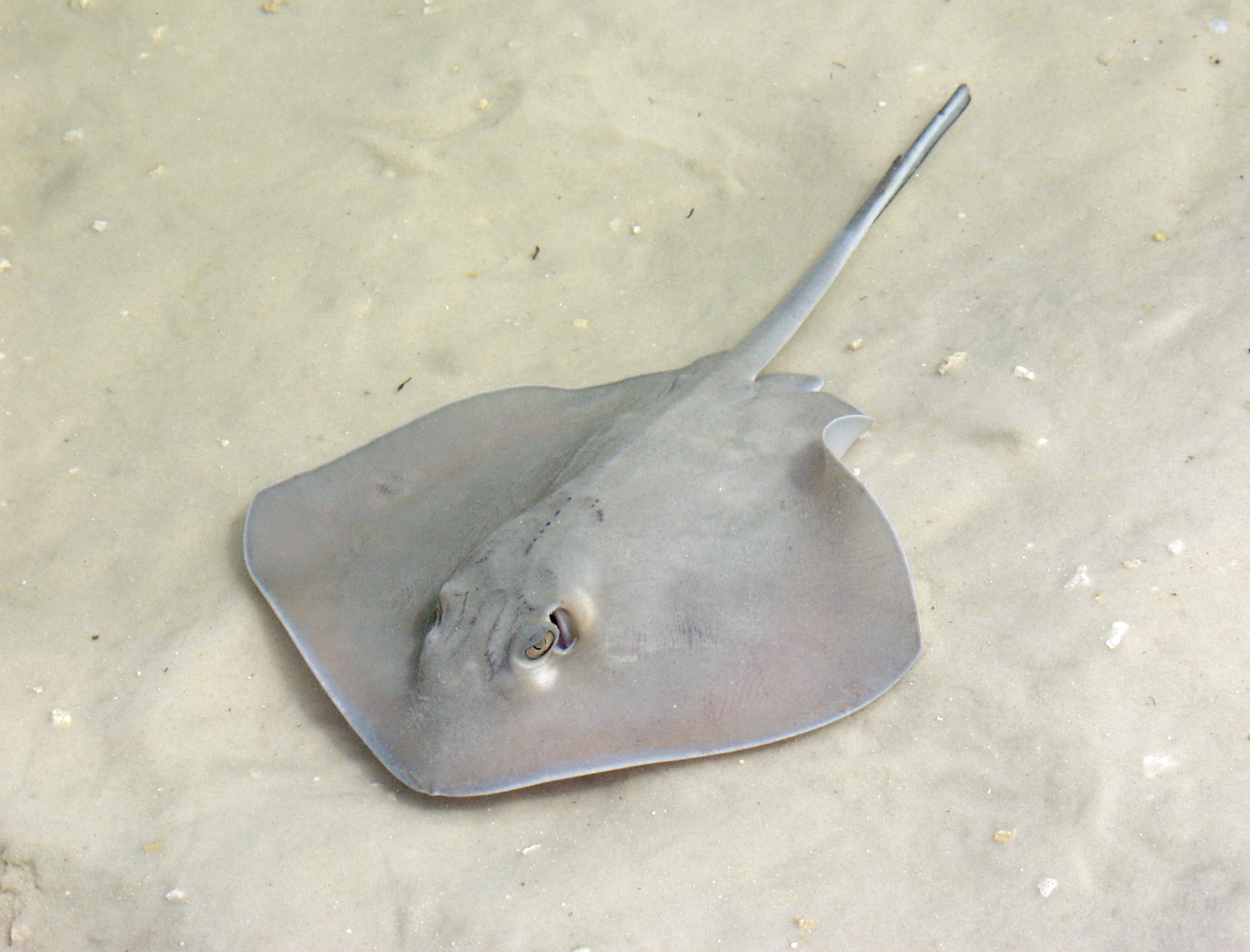

Stingrays are among the most commonly hooked, and most underrated, fish in the surf and inshore waters. Flat, disc-shaped bottom dwellers armed with a venomous tail spine, they are often caught by accident by anglers soaking bait for other species, but they are also a worthy target in their own right: a big stingray pulls with a heavy, relentless, drag-screaming power that rivals a shark, and landing one is a genuine test of tackle and stamina. Whether you are chasing them on purpose or just want to know what to do when that rod buries and refuses to budge, understanding stingrays makes you a better and safer angler.
The term "stingray" covers many species an angler might catch, southern stingray, Atlantic stingray, roughtail stingray, bat ray, round stingray, and more, but they share the same basic body plan and the same fishing approach: a bloody bait on the bottom, a strong rod, and a careful, respectful release. The one thing every stingray angler must master is handling, because the tail carries a serrated, venomous spine that can inflict a painful, dangerous wound. This guide covers where and when to find stingrays, the tackle and rigs that hold up, the baits they cannot resist, how to win the heavy tug-of-war, and, most importantly, how to handle and release them safely.
Understanding Stingray Behavior
Stingrays are bottom-dwelling fish that spend their lives cruising and resting on soft bottoms, sand, mud, and seagrass flats, in bays, estuaries, surf zones, channels, and around structure. They often bury themselves partly in the sand, lying in wait or resting, with only their eyes and spiracles showing. They feed by using their flattened bodies to pin prey against the bottom and their crushing plate-like teeth to eat clams, crabs, shrimp, worms, and small fish, rooting through the sediment for buried food. This bottom-scavenging, scent-driven feeding is exactly why they take a bloody bottom bait so reliably.
Stingrays are strongly influenced by water temperature and tide. They are most active in warm water, moving onto shallow flats and into the surf in the warm months and often feeding hard on moving water and in low light. Many species move seasonally, concentrating in an area during its warm season. Because they orient to the bottom and feed by scent, you catch them by putting a bait on the bottom in a likely spot, a trough in the surf, a channel edge, a hole on a flat, near a pier or jetty, and letting the scent draw them in. Where you find soft bottom, warm water, and moving tide, you will find stingrays.
Reading the beach or flat pays off with rays just as it does with other bottom species. Look for the deeper troughs and cuts running parallel to a surf beach, the edges where a sandy flat drops into a channel, and the soft-bottom holes where food collects and rays root for it. Rays often follow the tide up onto shallow flats to feed as the water rises, then drop back into deeper cuts as it falls, so timing a spot to the stage of the tide can make a big difference. On many beaches, the same troughs that hold whiting, croaker, and small sharks also hold stingrays, which is one reason so many are caught by anglers targeting other fish. If your bottom baits are getting picked up and carried off by something heavy and unstoppable, there is a good chance a ray has found your spot.
Stingray fishing overviewIdentifying a Stingray
Stingrays are unmistakable as a group: flat, roughly diamond- or disc-shaped bodies (the "wings" are actually enlarged pectoral fins), eyes on top of the body, a mouth and gill slits underneath, and a long, tapering, whip-like tail. Most of the stingrays anglers catch carry one or more serrated, venomous spines partway down the tail, the "sting" that gives the group its name and the reason handling demands such care. Colors range from sandy brown and gray to nearly black on top, with a pale underside, camouflaging them against the bottom.
Different species vary in the details: the southern stingray has a broad, angular diamond disc; the Atlantic stingray is smaller with a more rounded, pointed snout; the bat ray of the Pacific has a more raised head and pointed wings; and round stingrays are small and nearly circular. For the angler, the practical points are the same across all of them, the flat disc, the venomous tail spine, and the bottom-hugging lifestyle. Knowing you have a stingray on the line tells you exactly how to fight it and, critically, how to handle it once it is landed.
Tackle for Stingrays
Stingrays pull hard and heavy, so match your tackle to the size of the rays where you fish. In the surf, a medium-heavy to heavy surf rod paired with a 5000-to-8000-size spinning reel or a conventional, loaded with 20- to 50-pound braid, handles most rays and gives you the backbone to lift a big one off the bottom. For the largest rays, big southern stingrays, roughtails, and bat rays that can exceed a hundred pounds, step up to heavy surf or light shark tackle, because these fish will bury themselves and turn into an immovable, drag-testing weight.
Top your braid with a heavy monofilament shock leader to absorb head-shakes and protect against abrasion on the ray's rough skin and any structure. Set the drag firm, you need to pry a stubborn ray off the bottom and keep it coming. A sand spike or solid rod holder is useful in the surf, since a stingray often hits a soaking bait hard. And crucially, keep long-handled pliers or a dehooker and a way to control the tail within reach before you ever hook one, because safe handling starts with having the right tools ready.
Surf fishing for stingraysThe Right Rig and Leader
A simple, strong bottom rig is all you need. The fish-finder (sliding sinker) rig is the standard: a sliding sinker on the main line above a swivel, then a leader to the hook, which puts a bait on the bottom and lets a ray move off with it before feeling the weight. A Carolina rig or a basic bottom rig with a pyramid sinker to hold in the surf also works well. Use enough weight to hold bottom in the current where you are fishing.
For the leader, a heavy monofilament or fluorocarbon leader (40- to 80-pound) is usually sufficient, since stingrays do not have cutting teeth like sharks, but if you are fishing where sharks are also present, a wire or heavy abrasion-resistant leader is wise insurance. Circle hooks in the 4/0 to 8/0 range are an excellent choice: they slide to the corner of the mouth and set there as the ray moves off, giving a lip hookup that is much easier and safer to remove than a deeply swallowed J-hook. Do not strike hard; let the ray take the bait and move off, let the line come tight, and let the circle do its job. A non-stainless hook will rust free if you cannot recover it.
Tying a fish-finder bottom rigBait and Chum
Stingrays are scent-driven bottom scavengers, so fresh, natural, bloody baits are the ticket. Shrimp is one of the most reliable stingray baits, along with squid, clam, cut fish, crab, and bloodworms, anything that matches their natural diet of bottom invertebrates and small fish. Fresh-dead cut bait is ideal for a scavenger, and the bloodier and smellier the bait, the wider its scent plume and the more likely a cruising ray is to find it. Thread or secure the bait well on the hook so it holds up to crabs and pickers and stays on during the cast.
Because rays feed by scent, keeping fresh bait on the bottom in a productive spot is the key, a trough, channel, or hole on a soft-bottom flat. A light chum of crushed shrimp, clam, or fish can help pull rays to your area and hold them there. Fish the bait on the bottom, keep the scent fresh by re-baiting regularly, and be patient: a stingray often mouths and works a bait before committing. When one does take, it typically moves off steadily, loading the rod, the moment to let the circle hook set and get ready for a heavy fight.
Bait size and toughness are worth matching to conditions. Crabs, pinfish, and other small pickers will strip a soft bait like shrimp quickly, so on picky days a tougher bait such as squid or a firm cut-fish chunk stays on the hook longer and gives a ray time to find it. If you specifically want a shot at the biggest rays, a larger, bloodier bait discourages the smallest fish and appeals to a big ray's appetite. Secure the bait well with bait thread if the current or the pickers are stealing it, and do not be afraid to leave a fresh bait sitting, unlike some gamefish, a ray is perfectly happy to nose up a bait that has been resting on the bottom for a while, as long as it is still putting out scent.
Best cut baits for bottom fishingFighting a Stingray
Anyone who has hooked a big stingray knows the fight is no joke. A large ray uses its flat body like a suction cup, clamping down on the bottom and becoming a dead, immovable weight that can feel like you have snagged the seabed. The first challenge is simply breaking it free: apply steady, heavy pressure and, if it will not budge, change your angle and keep the pressure on until the ray lifts off the bottom. Once it is up and moving, expect powerful, bulldogging runs and a stubborn, grinding tug-of-war rather than jumps or blistering speed.
Keep constant pressure and gain line with smooth pump-and-reel strokes, never giving slack. Rays will repeatedly try to plane back down and re-clamp to the bottom, so keep their heads coming up and keep them moving. A ray also uses its broad wings against the current like a kite, so a fish hooked in strong tide or heavy surf can feel far larger than it is; be patient, keep the rod loaded, and let the fish wear itself out rather than trying to winch it in against all that surface area. From the beach, use the waves to help slide the ray into the shallows once it is close; from a pier or boat, be ready for it to make strong runs right at the end. Use your body and legs, not just your arms, because a big ray can take real time and muscle to land. It is a genuine heavyweight battle, and getting a big one to the sand or the net under control is a real accomplishment.
Fighting a big stingray on the beachHandling and Safe Release
This is the most important section: a stingray's tail carries a serrated, venomous spine that can cause an intensely painful, potentially serious wound, so handling must be careful and deliberate every single time. Never grab or step near the tail, and keep the tail under control at all times. Most stingrays can be released without ever removing them from the water, simply reach down with a long-handled dehooker to pop the hook, or cut the leader close to the hook if it is deep, keeping your hands and body well away from the tail.
If you must handle a ray, control it from the front and sides of the disc, keep clear of the whipping tail, and never let it lie loose where the tail can reach you. Long-handled pliers or a dehooker let you remove a hook from a safe distance, and cutting the leader on a non-stainless hook is always a safe fallback. Do not attempt to remove the spine or "de-barb" a ray, it is unnecessary, harmful to the animal, and dangerous to you. Keep the ray in the water, work quickly, and release it to swim off on its own. If you are ever stung, the standard first aid is to immerse the wound in hot (not scalding) water to ease the pain and seek medical attention, as stings can become infected.
How to safely release a stingrayPutting It All Together
Catching a stingray comes down to soaking a fresh, bloody bottom bait on a fish-finder rig over soft bottom in warm water on a moving tide, then being ready for a heavy, bulldogging fight when that rod buries. Use tackle with real backbone, keep steady pressure to pry a stubborn ray off the bottom, and, above all, handle every ray with total respect for that venomous tail, releasing it quickly and from a safe distance. Whether you target them on purpose or meet one by surprise, stingrays reward the prepared, careful angler with one of the most powerful pulls available from the surf.
For more surf and bottom action, learn how to catch black drum on the same bottom rigs, how to catch sheepshead around nearby structure, or step up to how to catch bull shark if you want an even bigger inshore heavyweight.