Fish
Fish Fire
Fire Hike
Hike Bird
Bird

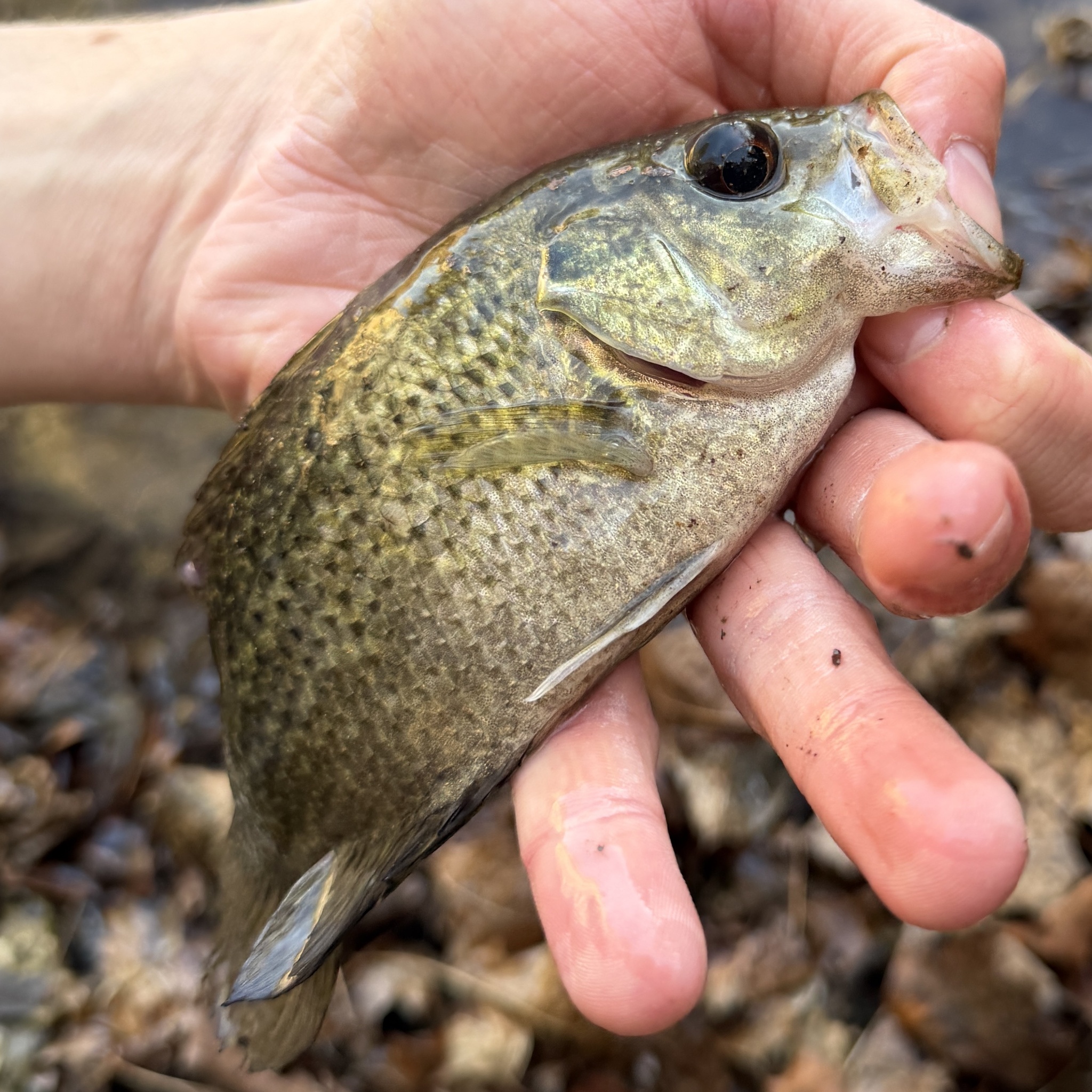

The shadow bass (Ambloplites ariommus) is a handsome, hard-hitting member of the rock bass group, a mottled, red-eyed, camouflage-patterned fish of the clear, rocky streams of the Gulf Coastal Plain and the South. Often lumped with its cousins under the folk names "rock bass," "goggle eye," or "redeye," the shadow bass is an ambush predator that hides against rocky, shadowed bottoms and pounces on anything that swims past, which makes it aggressive, willing, and a lot of fun on light tackle. For anglers who wade clear streams and fish rocky cover, the shadow bass is a scrappy, colorful, and readily-caught target. This guide covers how to find and catch shadow bass and their rock bass relatives.
What Is a Shadow Bass?
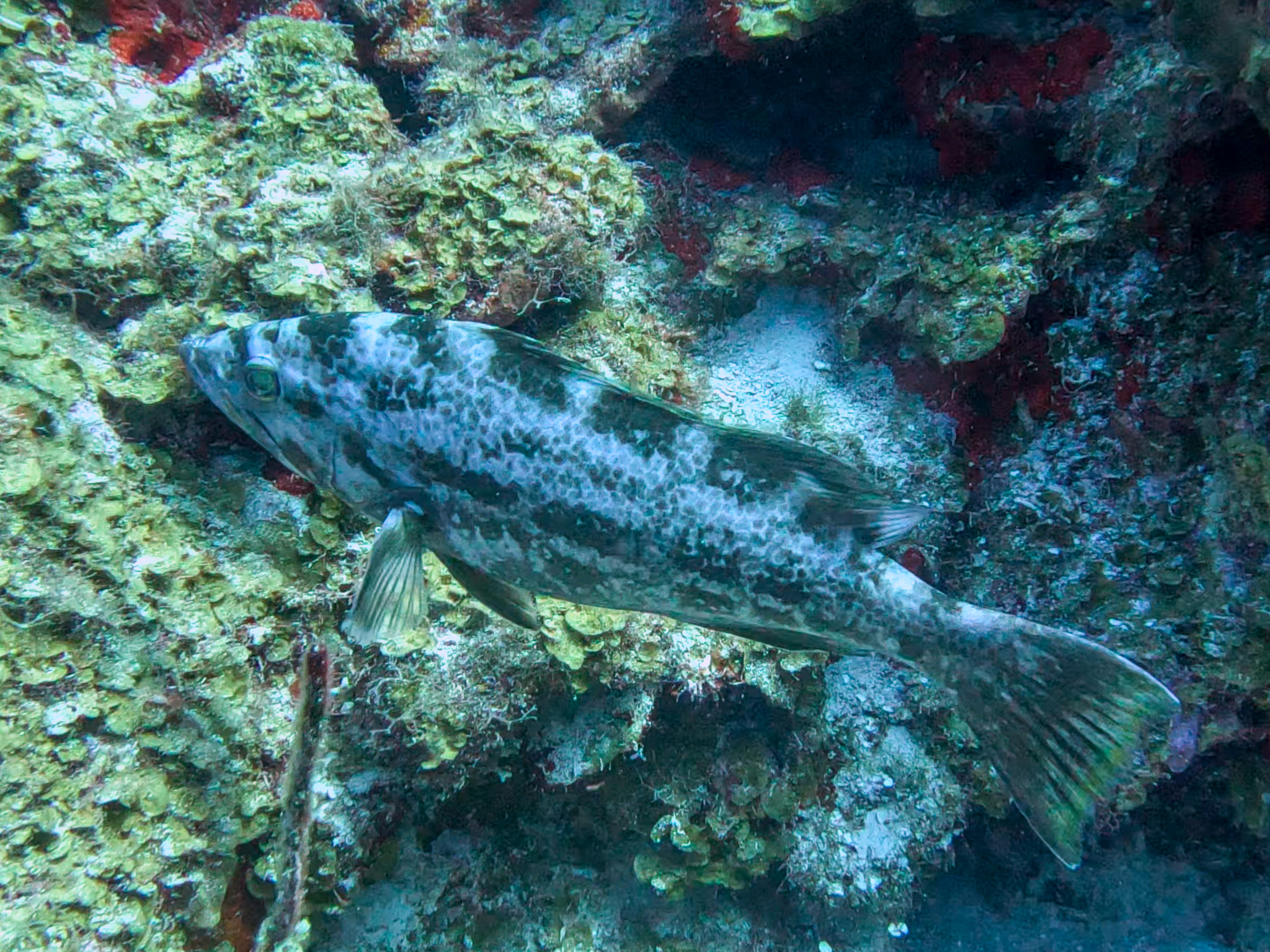
The shadow bass is a member of the sunfish family (Centrarchidae) and the rock bass genus Ambloplites, which also includes the northern rock bass, the Ozark rock bass, and the Roanoke bass. It's a chunky, deep-bodied sunfish built for ambushing prey, with a large mouth, big red eyes (source of the "redeye/goggle eye" names), and, most distinctively, a mottled, marbled, camouflage pattern of dark blotches and rows of spots over a brassy, olive-and-gold body that lets it blend against rocky, shadowed bottoms (hence "shadow bass"). It can even change its shading to match its surroundings. Shadow bass commonly run 5 to 9 inches, with a big one reaching 10 to 12 inches and around a pound, a solid catch for a stream fish.
For anglers, the defining trait is that shadow bass are ambush predators of rocky cover in clear streams. They hold tight to rocks, ledges, root wads, logs, and undercut banks in clear, flowing water, using their camouflage to hide, and they dart out to grab crayfish, insects, larvae, small fish, and other prey. This makes them aggressive and willing, they'll readily hit small lures, jigs, live baits (especially crayfish), and flies presented near their cover. They fight scrappily for their size, boring toward cover with their deep body. Colorful, aggressive, abundant in the right streams, and eager to bite, the shadow bass (like all the rock basses) is a favorite of Southern stream anglers and a great fish for anyone who loves picking apart rocky cover.
Where and When to Catch Shadow Bass
Shadow bass are native to the Gulf Coastal Plain and Southern river systems, the clear, rocky streams and small-to-medium rivers of the Gulf slope from roughly the Florida Panhandle and Alabama west into Mississippi and Louisiana and up into the Ozark and Tennessee regions, where they and their close rock bass relatives occur. (The various Ambloplites species collectively range across much of the eastern and central U.S.) Look for shadow bass in clear, flowing water with rocky cover: rock ledges and boulders, gravel and cobble bottoms, root wads, logjams, undercut banks, and the deeper pools and runs of streams and rivers. They hold tight to this cover in current, so fish the rocks, wood, and structure where they ambush.
The best fishing is generally spring through fall, with the warm months especially productive as shadow bass feed aggressively on crayfish and other prey. They spawn in spring (like other sunfish, building nests in the shallows), which can concentrate fish and boost the action. Warm-weather months bring active feeding throughout the day, though morning and evening are often best in summer heat. Because they relate to cover, the approach changes little with the season: find rocky cover in clear streams and rivers and pick it apart. Wading a clear Southern stream and casting to every rock, ledge, and logjam is the classic and deadly way to catch shadow bass. Cooler months slow the fishing as the fish become less active.
Small Jigs and Lures
Because shadow bass are aggressive ambush predators, they readily hit small jigs and lures, making artificials a fun and effective way to catch them.
Lures That Catch Rock BassThe best lures are small jigs (especially crayfish- or grub-imitating soft plastics on light jigheads), tube jigs, small in-line spinners, beetle spins, small crankbaits, and small soft-plastic craws. Because shadow bass love crayfish, small craw-imitating jigs and soft plastics worked slowly along the bottom and around rocky cover are especially deadly. Cast to the rocks, ledges, root wads, logjams, and undercut banks where they hold, and work your lure past the cover, shadow bass will dart out and grab it. Small spinners and crankbaits swum past cover also draw strikes. Because they live in streams and rarely exceed a pound, keep lures small and use light or ultralight gear. Target the cover tightly, work your offering right through the strike zone, and be ready for an aggressive take and a scrappy fight toward the rocks.
Crayfish, Worms, and Live Bait
For steady action, and often the biggest shadow bass, live bait is deadly, and crayfish are the number-one choice.
Crayfish for BaitThe go-to baits are live crayfish (the shadow bass's favorite food), nightcrawlers and red worms, and small live minnows. Fish them on a small hook (size 4 to 8) with just enough weight to reach the bottom near cover, or under a small float set to drift the bait past the rocks and ledges where shadow bass hold. A live crayfish or worm presented tight to rocky cover is almost irresistible to a shadow bass. Because they ambush from cover, get your bait right into the strike zone, along the rocks, past the ledges, near the root wads and logjams. Let it drift or sit where the fish can find it, and be ready for a fast, aggressive take. Live bait, especially crayfish, is how many stream anglers catch numbers of shadow bass and the biggest fish, and it's a simple, reliable, and effective approach.
Fly Fishing for Shadow Bass
Shadow bass and their rock bass relatives are willing, aggressive fly-rod targets in the clear streams they inhabit, and fly fishing for them is a blast.
Fly Fishing for Rock BassA light fly rod (3- to 6-weight) is ideal. Shadow bass readily take small streamers and Woolly Buggers, Clouser Minnows, crayfish patterns, poppers and foam bugs, and nymphs. Because they love crayfish and hold near the bottom around cover, weighted crayfish patterns and streamers worked along the rocks and ledges are especially effective. Poppers and bugs draw fun surface strikes in the shallows and around cover. Cast to the rocky cover, ledges, boulders, root wads, logjams, undercut banks, and swing, strip, or drift the fly through the strike zone. Because shadow bass ambush from cover, present the fly right where they hide. On a light fly rod, a good shadow bass pulls hard and bores for the rocks. Fly fishing clear Southern streams for willing, camouflage-patterned shadow bass is a rewarding and beautiful pursuit.
Reading Rocky Streams and Rivers
The single biggest key to catching shadow bass is finding rocky cover in clear streams and knowing where these ambush feeders hold.
River Fishing for Goggle Eye and BassShadow bass are cover-and-current oriented ambush predators, so read the water for rocky cover and current breaks: rock ledges and boulders, gravel and cobble bottoms, deeper pools and runs, root wads, logjams, and undercut banks, especially where they meet current. Shadow bass tuck against this cover, using their camouflage to hide, and dart out to grab prey drifting or swimming by. Cast to and work every piece of rocky cover and structure, presenting your lure, bait, or fly right into the strike zone tight to the rocks. In streams, target the pools, runs, and current seams where cover concentrates fish. Approach quietly and, when wading, work from downstream up, since the fish face into the current. Pick apart the rocky cover methodically, shadow bass hold in specific ambush spots, and often several share a good piece of structure. Learn to read a rocky stream, and you'll catch shadow bass consistently wherever cover meets clear, flowing water.
Telling Shadow Bass from Other Rock Bass and Sunfish
Shadow bass belong to the rock bass group and can be confused with their close relatives and with other sunfish, so identification is worth knowing.
Identifying the Rock BassesThe shared features of the rock bass group (Ambloplites) are a chunky, deep body, a large mouth, prominent red eyes, and a mottled, marbled, camouflage pattern of dark blotches and rows of spots over a brassy, olive-and-gold body. The shadow bass in particular shows a strong, blotchy, shadow-like mottling (hence the name) and can change its shading to match its surroundings. The rock basses are told apart mainly by range and subtle details: the shadow bass occupies the Gulf-slope and Southern streams, the northern rock bass ranges across the north and east, the Ozark rock bass the Ozarks, and the Roanoke bass the Roanoke/Chowan drainages. All share the red eye and mottled pattern. Compare to true sunfish like bluegill (smaller mouth, no red eye, different pattern) and to the black basses (more elongate, not mottled the same way). The combination of a deep body, big mouth, red eye, and blotchy camouflage from a clear rocky stream marks a shadow bass or one of its rock bass cousins.
Understanding Shadow Bass Behavior
Everything about catching shadow bass flows from the fact that they're aggressive ambush predators of rocky cover in clear streams. They hold tight against rocks, ledges, wood, and undercut banks, using their camouflage to hide, and dart out to grab crayfish (their favorite), insects, larvae, and small fish, which is why crayfish-imitating jigs, flies, and live crayfish work so well, and why presenting right into the cover is essential. They're aggressive and willing, rarely requiring finesse; the challenge is finding the rocky cover and getting your offering into the strike zone, not coaxing a bite. They fight scrappily for their size, boring toward cover with their deep body.
Location is about rocky cover in clear, flowing water: shadow bass relate to rock ledges, boulders, cobble, root wads, logjams, and undercut banks in streams and small rivers, especially where cover meets current. They're often abundant where habitat is good and frequently share cover, so where you catch one, keep working that spot. Fish the warm months, target the rocks and structure, present tight to cover, and these camouflage-patterned ambush feeders will reward you. Because they thrive in small, clear, rocky waters, shadow bass offer accessible, fun, high-quality stream fishing across the South. Approach quietly, pick apart the cover, and be ready for the aggressive take.
Conservation and Handling
Shadow bass are common in many of their home streams and are a popular panfish/gamefish, but like all stream fish that depend on clean, clear water, they benefit from thoughtful angling and habitat protection. Because they're relatively small and grow slowly, and because the various rock bass species can be restricted to particular drainages, it's good practice to release the largest fish and keep only a moderate number of average-size fish for the table where legal. Shadow bass and their relatives are sensitive to siltation, pollution, and habitat degradation in the clear streams they need, so protecting those waters is the best thing anglers can do for them.
Handle shadow bass gently if releasing: wet your hands, support the fish, watch the sharp dorsal and gill-cover spines, and return it quickly, especially in warm summer water. Avoid moving fish between watersheds, which can disrupt the distinct rock bass populations of different river systems. Because they're aggressive and readily caught, it's easy to catch numbers of shadow bass, so practice restraint in what you keep, leave plenty behind, and follow local regulations, which in most areas group shadow bass and rock bass with other panfish under a generous limit. Treating these clear-stream natives and their habitat with care keeps the fishery healthy.
Cleaning and Eating Shadow Bass
Shadow bass are good eating, like their rock bass relatives and other sunfish, they have white, flaky, mild flesh that's tasty and comparable to bluegill and other panfish, making them a fine addition to a stream-side fish fry.
Cleaning and Filleting Rock BassBecause they're small, shadow bass are usually filleted (if big enough) or scaled and cooked whole (pan-fried). The classic preparation is a cornmeal or seasoned-flour coating and a hot fry, served up as part of a panfish fish fry. Fillet or dress the fish, dredge in seasoned cornmeal or flour, and fry until golden and crisp. As with all fish, ice your catch promptly and cook it fresh for the best quality. A mess of shadow bass or rock bass from a clear Southern stream makes a fine, traditional meal, and their mild, flaky flesh is genuinely good. That said, because they're small and grow slowly, keep only what you'll eat, release the biggest fish, and follow local regulations, a balance that lets you enjoy both good table fare and a healthy fishery for the future.
Bringing It All Together
The shadow bass is a scrappy, camouflage-patterned gem of the South's clear, rocky streams, an aggressive, red-eyed ambush predator that hides against shadowed, rocky bottoms and pounces on crayfish, lures, and flies presented near its cover. Find them tight to rocks, ledges, and wood in clear, flowing water, present a small jig, a live crayfish, or a fly right into the strike zone, and enjoy the aggressive strikes and scrappy fights of these willing stream fish. Learn to read rocky streams, target the cover where they ambush, fish the warm months, and use light tackle suited to small water. Whether you fish an ultralight or a fly rod, the shadow bass, and its rock bass cousins, delivers accessible, fun, colorful fishing in some of the South's prettiest streams, plus a fine meal when you keep a few.
For more outstanding stream and panfish action, see our guides to the rock bass, the redeye bass, and the warmouth.
Want to explore the South's best clear, rocky streams for shadow bass and other stream fish? Track down clear, rocky creeks and small rivers with legal public access near you, confirm the local regulations before you head out, and pick apart every ledge, boulder, and logjam you find. Wild shadow bass water is often closer to home than you would think.