Fish
Fish Fire
Fire Hike
Hike Bird
Bird

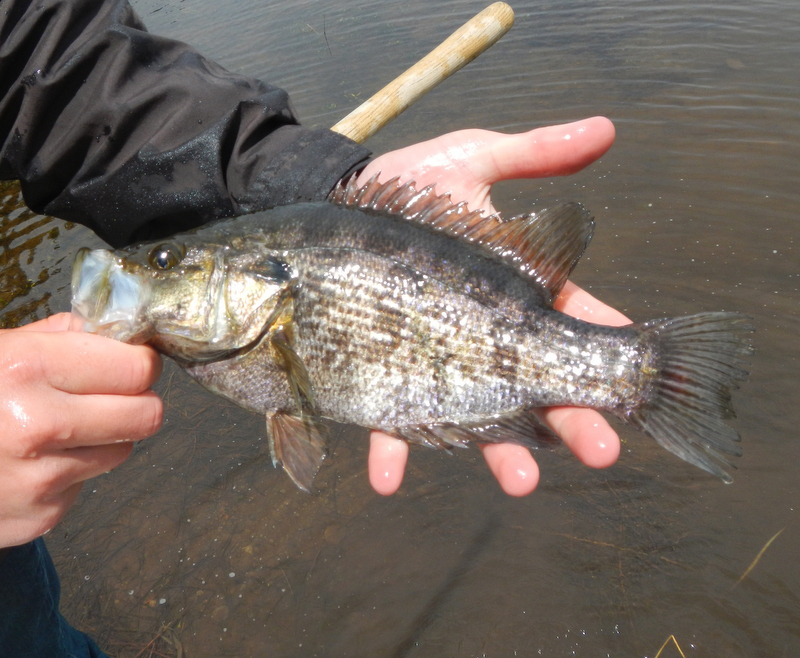

The Sacramento perch (Archoplites interruptus) is a genuine California original, the only sunfish native to the West Coast and the state's sole native member of the sunfish family. Once wildly abundant in the Sacramento–San Joaquin Delta and Central Valley, it was largely pushed out of its home range by introduced competitors, and today the best Sacramento perch fishing is found in a scattering of stocked reservoirs, alkaline lakes, and ponds, most famously Crowley Lake on California's eastern side, where big "Sac perch" grow fat and pull hard. For anglers, the Sacramento perch is a treat: it fights well above its panfish size, grows larger than most sunfish, eats superbly, and carries the appeal of a true native rarity. This guide covers how to find and catch Sacramento perch.
What Is a Sacramento Perch?
Despite the name, the Sacramento perch isn't a true perch, it's a sunfish, the westernmost native member of the family that includes bluegill, crappie, and bass, and the only one native west of the Rockies. It has a deep, laterally compressed body, a large mouth for a sunfish, a long spiny dorsal fin, and coloration from silvery-green to brassy with irregular dark blotches or bars along the sides (giving it a somewhat mottled, "interrupted" pattern that inspired its scientific name). Sacramento perch grow larger than most sunfish, commonly 8 to 12 inches, with trophy fish in rich waters like Crowley reaching over 2 pounds and occasionally much more.
For anglers, the key traits are that Sacramento perch are structure-oriented, aggressive panfish that eat insects, crustaceans, and small fish, and they're notably tolerant of warm, alkaline, and turbid water, a hardiness that lets them thrive in harsh reservoirs and alkaline lakes where they've been introduced, even as they've vanished from their native Delta. Like other sunfish, they build nests and spawn in the shallows in the warm months, and they school loosely around cover. They fight hard and are excellent eating, which combined with their rarity and size potential makes them a prized catch.
Where and When to Catch Sacramento Perch
The Sacramento perch's native range is the Central Valley and Sacramento–San Joaquin Delta of California, but they've been largely displaced there and are now uncommon in the wild. The best fishing today is in stocked and introduced populations, most famously Crowley Lake in the eastern Sierra, plus various California reservoirs, alkaline lakes, and farm ponds, and scattered introduced populations in other western states (Nevada and beyond) where they were planted, often in waters too harsh for other sunfish. If you want to catch a Sacramento perch, finding the right water is the first and biggest step.
Once you're on a good water, look for them around structure in warm months: rocky shorelines and points, submerged wood and vegetation, drop-offs, and coves, in the same kinds of places you'd fish for other sunfish. The best fishing is late spring through fall, when the fish are active and shallow, with the spawn (late spring into summer) a peak period as perch move onto shallow nests and feed aggressively. At Crowley, the season and regulations shape when and where you fish, so check current rules. Early and late in the day are often most productive in warm weather, and the fish move shallower to feed in low light.
Small Jigs and Grubs
The most productive and versatile way to catch Sacramento perch is with small jigs tipped with soft-plastic grubs, the same approach that works for crappie and other sunfish. On Crowley Lake, "limits on jigs" is a common refrain among Sac perch anglers.
Big Sacramento Perch: Limits on JigsFish a 1/16 to 1/8 ounce jighead dressed with a small curly-tail grub, tube, or soft-plastic minnow (white, chartreuse, and natural shades all produce), and work it around structure, rocky points, drop-offs, weed edges, and submerged cover. Cast and retrieve with a slow hop, or vertically jig it over fish you mark on structure. Because Sacramento perch have a relatively large mouth for a sunfish and are aggressive, they'll hit a slightly larger jig than a bluegill would, and bigger perch especially favor a substantial grub. When you find a concentration around cover, work it thoroughly, since the fish school loosely and more are usually nearby.
Bait Fishing
Sacramento perch readily take natural baits, making them an easy and fun target for anglers of all ages fishing simple rigs around structure.
Fishing for Sacramento PerchSmall hooks baited with worms, nightcrawlers, mealworms, crickets, or small minnows, fished under a float or near the bottom around cover, catch Sacramento perch consistently. Because they're aggressive and have a good-sized mouth, they take bait decisively, so watch your float or line for a solid pull. Fish your bait close to the rocky points, wood, weed edges, and drop-offs where the perch hold, and be ready to move until you locate a school. This straightforward bait approach is a great way to introduce newcomers to fishing and a reliable producer when the fish aren't chasing lures.
Sight-Fishing the Beds
Like all sunfish, Sacramento perch become territorial nest-guarders during the warm-season spawn, and sight-fishing to fish on their beds is an exciting, effective tactic.
Catching Sacramento Perch (First Timer's Guide)During the spawn in late spring and summer, look for the cleared, saucer-shaped nests in shallow water with fish hovering over them, and cast a small jig, fly, or baited hook right into or beside the nest. Guarding perch will strike aggressively to defend their beds, so you're often triggering a territorial response as much as a feeding one. Approach quietly and keep a low profile in clear water, since bedding fish can spook, and make an accurate first cast. Because sunfish often nest in colonies, finding one bed usually means finding several fish. Sight-fishing bedding Sacramento perch combines the visual excitement of bed fishing with the chance at the biggest, most aggressive fish of the year.
Fishing Crowley Lake and Introduced Waters
Because the best Sacramento perch fishing is in specific stocked and introduced waters, it's worth understanding these fisheries, Crowley Lake above all.
Sacramento Perch Fishing at Crowley LakeCrowley Lake, primarily famous for trout, holds a robust population of large Sacramento perch that anglers target around the lake's structure, weed edges, and channels, often catching numbers of quality fish on jigs and bait. Other California reservoirs, alkaline lakes, and ponds, and scattered waters in Nevada and elsewhere, also hold introduced Sac perch, frequently thriving where harsher water excludes competing sunfish. On any of these waters, apply standard sunfish tactics to the available structure, and always check the specific regulations, seasons, and limits, which vary by water and can be particular (Crowley, for instance, has its own rules tied to its trout fishery). Local knowledge and up-to-date reports go a long way toward putting you on the fish.
Understanding Sacramento Perch Behavior
Catching Sacramento perch comes down to standard sunfish logic applied to the right water. They relate to structure, rock, wood, weeds, drop-offs, and coves, where they find food and shelter and, in season, spawn. They're aggressive, opportunistic feeders that take jigs, small lures, flies, and bait readily, so location and getting your offering to the structure matter far more than finesse. They school loosely, so when you catch one, work the area for more. And they're remarkably tough, tolerating warm, alkaline, and turbid water that other sunfish can't, which is exactly why they persist and even thrive in harsh introduced waters.
The spawn is the great multiplier: when perch move onto shallow beds in the warm months, they become territorial and highly catchable, and the biggest fish are shallow and aggressive. Outside the spawn, target the structure where they hold and feed, focusing on warm-season low-light periods. Think of the Sacramento perch as a bigger, harder-fighting, native cousin of the bluegill and crappie, and fish it accordingly, find the cover, present a small jig or bait, and enjoy a scrappy fight from a true California original.
Sacramento Perch: A Native Sunfish OverviewIt also helps to appreciate how the Sacramento perch's toughness shapes where you'll find it. Its tolerance for warm, alkaline, and turbid water means the best populations are often in waters that look unpromising for other panfish, turbid reservoirs, mineral-rich alkaline lakes, and warm ponds. Don't be put off by murky or hard water; that's frequently exactly where Sac perch thrive, precisely because competing sunfish can't. Approach a new water by finding whatever structure it offers, applying standard sunfish tactics, and giving the fish time to show you where they're concentrated. Because these fisheries are often lightly pressured compared to bass and trout waters, a little exploration can be well rewarded.
A Native Rarity Worth Protecting
The Sacramento perch carries a conservation story worth knowing. Once one of the most abundant fish in California's Central Valley and Delta, it was largely driven out of its native range by introduced species that outcompeted it, and it now survives mainly in the scattered reservoirs, alkaline lakes, and ponds where it's been stocked, ironically often as an introduced fish outside its home. It's considered a species of conservation concern, and there are ongoing efforts to restore Sacramento perch to parts of their native range.
Sacramento Perch Return to Their Native WatersThese restoration efforts, reintroducing Sacramento perch to portions of the Central Valley and Delta where they once flourished, are a hopeful sign for a fish that came surprisingly close to disappearing from its homeland. They also add meaning to catching one: every Sacramento perch you land connects you to a native species with deep roots in California's waters and an uncertain but improving future.
For anglers, that history is a reason to fish thoughtfully. Where populations are robust and managed for harvest (as in some stocked waters), keeping a few of these excellent-eating fish is fine, but in waters where perch are scarce or being restored, careful catch and release helps the species. Handle fish you release gently, wet your hands, minimize air time, and support the fish, and always follow local regulations, which reflect each water's management goals. Appreciating the Sacramento perch as a native rarity, not just another panfish, is part of what makes catching one special.
Tackle and Presentation Tips
Sacramento perch fishing is classic light-tackle panfish fishing, and matching your gear to the fish makes it more fun and effective. A light or ultralight spinning rod with 4- to 8-pound line handles jigs, small lures, and bait rigs well while making even a modest perch feel spirited, and a big Crowley-class perch a genuine tussle. Keep a small selection of jigheads and grubs in a few colors, a handful of small hooks and floats, and a light fly rod if you enjoy that, and you're equipped for almost any Sac perch water.
A few presentation details pay off. Because Sacramento perch have a larger mouth than most sunfish, don't be afraid to fish a slightly bigger jig or grub than you would for bluegill, especially when targeting trophy fish, which prefer a more substantial meal. Work your offering deliberately around and through cover rather than covering water fast, and vary your depth until you find where the fish are holding. On days when perch are finicky, downsize and slow down; when they're aggressive on the beds or feeding, a bolder presentation draws more strikes. And always bring polarized sunglasses, so much Sacramento perch success comes from spotting structure, cruising fish, and spawning beds in the clear-to-stained shallows they favor.
Cleaning and Eating Sacramento Perch
Sacramento perch are outstanding eating, historically prized as one of the best food fish in California, with firm, white, flaky, mild flesh that rivals or exceeds any other sunfish. Their larger size compared to most panfish means more meat per fish, too.
Fillet Sacramento perch as you would a crappie or other sunfish, removing the skin and rib bones for clean, boneless fillets; a good-sized perch yields a generous, thick fillet. The mild, sweet flesh is excellent pan-fried, deep-fried, baked, or broiled, and makes a first-rate fish fry. In the days when Sacramento perch were abundant in the Delta, they supported a commercial fishery precisely because of their fine table quality. Where regulations and populations allow harvest, a few Sacramento perch make a memorable meal; where the fish are scarce or being restored, consider releasing them. Ice your catch promptly for the best quality, and enjoy a taste of a genuine California native.
Bringing It All Together
The Sacramento perch is a rare and rewarding catch, California's only native sunfish, a hard-fighting panfish that grows big, eats superbly, and carries the appeal of a true native survivor. Find the right water (Crowley Lake and other stocked reservoirs and alkaline lakes lead the way), then fish it like the sunfish it is: work small jigs and grubs or bait around rocky points, wood, weed edges, and drop-offs, and sight-fish the shallow beds during the warm-season spawn for the biggest, most aggressive fish. Respect its native-rarity status, follow local regulations, and you'll enjoy one of the West's most unique and satisfying panfish.
For more hard-fighting panfish and sunfish, see our guides to the crappie, the bluegill, and the redear sunfish.
Want to catch Sacramento perch on Crowley and beyond? Learn the structure and seasons of your chosen water, check the current regulations, and go land a California original.