Fish
Fish Fire
Fire Hike
Hike Bird
Bird

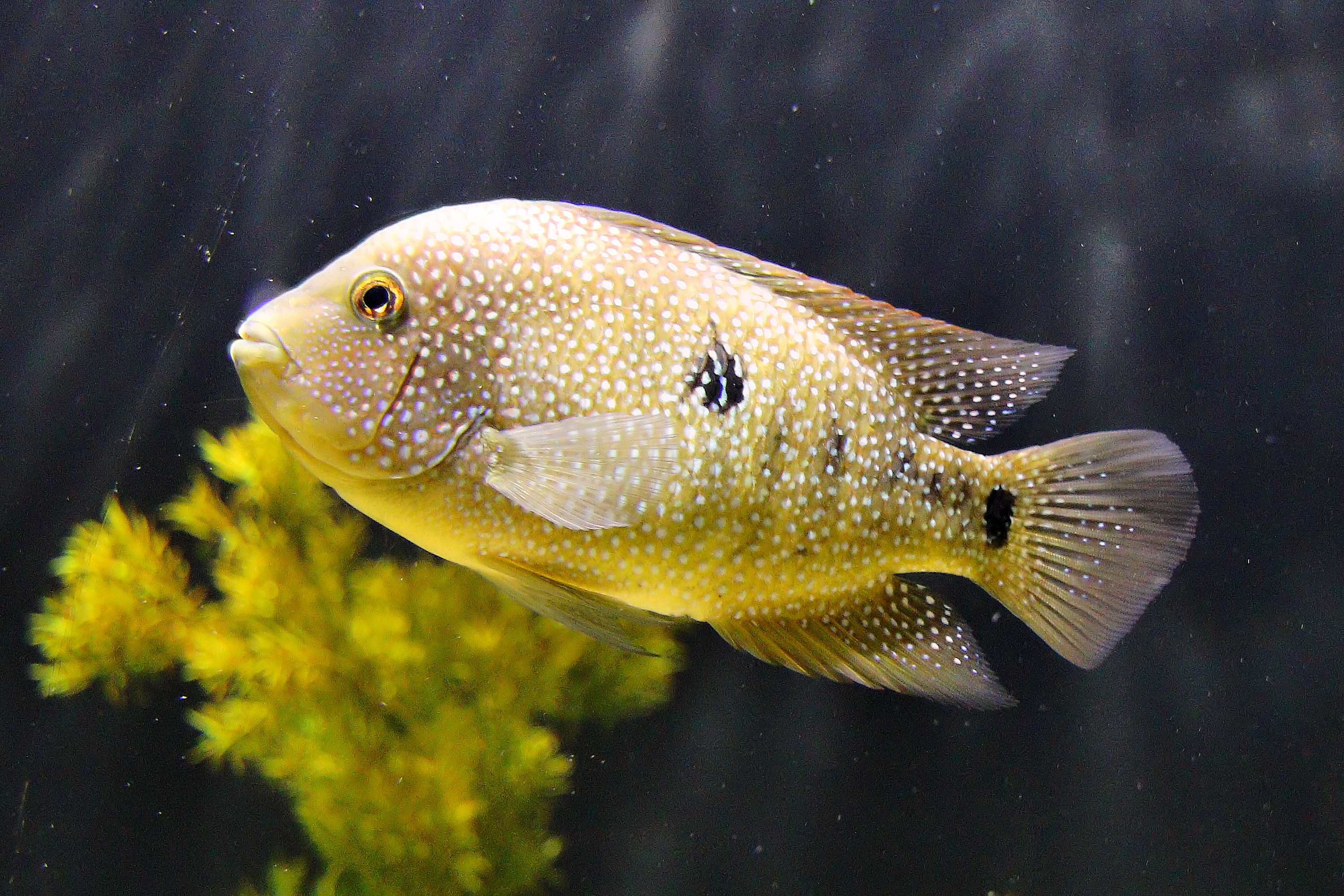

The Rio Grande cichlid (Herichthys cyanoguttatus) is one of the most beautiful and pugnacious fish in North American fresh water, and the only cichlid native to the United States. Known as the Texas cichlid or "Rio Grande perch," it wears a stunning coat of pearly blue-green spots over a dark, deep body, fights far above its weight, and has become a beloved target for anglers across central and south Texas, especially on the fly. Native to the Rio Grande drainage and now established in rivers, lakes, and famous spring-fed streams throughout the region (and introduced elsewhere), the "Rio" is aggressive, willing, and abundant, making it a perfect light-tackle and fly-rod quarry. This guide covers how to find and catch Rio Grande cichlids by every effective method.
What Is a Rio Grande Cichlid?
The Rio Grande cichlid is a true cichlid, a relative of tilapia, oscars, and the tropical cichlids of Central and South America, and the northernmost naturally-occurring cichlid in the Americas. It has a deep, laterally compressed, bluegill-like body, a single long dorsal fin, and a base color from olive to gray to nearly black, spangled all over the body and fins with iridescent turquoise, blue, and cream spots that give it a jewel-like appearance. Breeding adults darken dramatically and develop a pale vertical bar and a raised nuchal hump on the forehead. Most run 5 to 10 inches and up to about a pound, with big ones pushing 10-plus inches and over a pound.
For anglers, the key traits are that Rio Grandes are aggressive, territorial, structure-loving fish with small but capable mouths. They feed on insects, small crustaceans, snails, small fish, and plant matter, they relate strongly to rocky and woody cover and current, and, like all cichlids, they become intensely territorial when guarding nests and fry during the warm-season spawn. They thrive in the clear, warm, spring-fed and rocky rivers of the Texas Hill Country and south Texas, as well as lakes, canals, and urban waters, and they tolerate a range of conditions, which is why they've spread and even become established outside their native range.
Where and When to Catch Rio Grande Cichlids
Rio Grande cichlids are found throughout central and south Texas, the Rio Grande and its tributaries, the spring-fed Hill Country rivers (the Guadalupe, Comal, San Marcos, Nueces, Frio, and others), San Antonio's and Austin's urban rivers and creeks, and many lakes, ponds, and canals, plus scattered introduced populations elsewhere in the South. Look for them in warm, clear water around structure: rocky banks and ledges, submerged wood, boulders, undercut banks, spring runs, and current seams, often in the same water as sunfish and bass.
Because they're a warm-water fish, the best fishing is spring through fall, when Rio Grandes are active and aggressive; they can be caught year-round in the warmest spring-fed waters that hold steady temperatures. The peak is the spawn, from late spring through summer, when Rio Grandes pair up, fan nests on hard bottom in the shallows, and ferociously guard their nests and fry, at this time they attack anything that comes near, making them extremely catchable, and their spawning colors are at their most spectacular. Early morning and evening are productive in the heat, but around the beds, bedding fish will hit all day. In cooler months they slow down and move to deeper, warmer holding water.
Fly Fishing for Rio Grande Cichlids
Fly fishing is arguably the signature way to catch Rio Grande cichlids, and they've become a cult favorite among Texas fly anglers for their willingness, hard fight, and gorgeous looks.
Fly Fishing for Rio Grande CichlidsA light rod (a 3- to 6-weight) is perfect for these deep-bodied brawlers, which pull hard and use their broad bodies to fight well above their size. Fish small subsurface flies, wooly buggers, small streamers, nymphs, damsel and dragonfly nymphs, and small crayfish patterns, around rocky structure, ledges, and current, letting them sink and working them with short strips near the bottom. Rio Grandes will also crush small poppers and topwater bugs, especially in warm weather and around the beds, which makes for thrilling surface takes. Sight-cast to fish you spot around cover and on nests, keep your fly near the structure they call home, and be ready for an immediate, aggressive strike. Fly fishing the clear Hill Country rivers for these jewel-spotted cichlids is one of Texas's great fly-rod experiences.
Small Jigs and Soft Plastics
For spin and light-tackle anglers, small jigs and soft plastics are deadly on Rio Grande cichlids, especially worked slowly around rocky and woody structure.
Creek Fishing for Rio Grande CichlidsFish a small jighead (1/32 to 1/8 ounce) dressed with a tiny curly-tail grub, tube, or soft-plastic craw, and hop or drag it along the bottom near boulders, ledges, wood, and current seams. Small tube jigs and micro soft plastics excel because they imitate the crustaceans and insects Rio Grandes eat and can be crawled right through the rocky cover the fish love. Keep it compact, Rio Grandes have relatively small mouths, and fish it deliberately near structure rather than covering water fast. Micro crankbaits and tiny spinners also draw reaction strikes from aggressive fish. When you find a rocky bank or a good piece of cover holding fish, work it thoroughly, because Rio Grandes concentrate around the best structure.
Bait Fishing
Rio Grande cichlids are opportunistic and readily take natural baits, making them an easy and fun target for anglers of all ages fishing simple rigs.
Catching Rio Grande Cichlids on BaitSmall hooks baited with worms, nightcrawlers, crickets, small pieces of shrimp, corn, or bread fished near the bottom or under a small float around structure will catch Rio Grandes consistently. Because they hang tight to rocky and woody cover, cast your bait close to the structure and be ready for a quick, decisive take. This bait approach is a great way to introduce kids to fishing in the Hill Country rivers and urban creeks, where Rio Grandes are abundant and willing. As with jigs, keep hooks and baits small to match their mouths, and fish right in the fish's structure-oriented strike zone.
Sight-Fishing the Beds
Like all cichlids, Rio Grandes become intensely territorial when spawning, and sight-fishing to fish guarding their nests is one of the most exciting and effective ways to catch them.
Sight-Fishing for Rio Grande CichlidsDuring the warm-season spawn, look for the cleared, saucer-shaped nests on hard bottom in shallow water, with dark, brightly-colored adults hovering over them. A fly, small jig, or bait placed right into or beside the nest will draw a fierce, protective strike as the guarding fish attacks the perceived threat to its eggs or fry, this is aggression, not hunger, so the exact offering matters less than getting it into the strike zone. Approach quietly and keep a low profile in the clear water, since Rio Grandes on beds can spook, and make an accurate first cast. Because they pair up and often nest in colonies where habitat is good, finding one bedding fish usually means finding several. Sight-fishing bedding Rio Grandes combines the visual thrill of bed fishing with the fish's spectacular spawning colors.
Fishing Urban and Spring-Fed Rivers
One of the joys of Rio Grande cichlid fishing is how accessible it is, they thrive in urban rivers and spring-fed streams right in the heart of Texas cities, offering great fishing without a boat or a long drive.
Catching Rio Grande Cichlids in an Urban RiverThe San Antonio River, Austin's creeks, the San Marcos and Comal rivers, and countless Hill Country streams hold abundant Rio Grandes accessible from banks, parks, and greenbelts. In these clear, spring-fed waters you can often sight-fish, walking the banks and casting flies, jigs, or bait to fish holding around rocks, ledges, and current. The clear water makes for outstanding visual fishing, and the year-round stable temperatures of true spring-fed rivers keep the Rios active even in the cooler months. Urban and greenbelt fishing for Rio Grande cichlids has become a popular, low-barrier way to enjoy fly and light-tackle fishing in Texas, just bring light gear, polarized glasses, and a willingness to walk and hunt for fish.
Understanding Rio Grande Cichlid Behavior
Catching Rio Grandes consistently comes down to understanding an aggressive, structure-loving, territorial fish. They relate tightly to hard structure and current, rock, wood, ledges, boulders, and spring runs, where they find food and shelter, so your presentations should stay near that cover rather than out in open water. They're aggressive and willing feeders that will take flies, lures, and bait readily, so location and accurate presentation to the structure matter far more than finesse. Clear water is common in their spring-fed haunts, which makes stealth and sight-fishing both possible and important.
The spawn is the great multiplier. When Rio Grandes are on the beds in the warm months, their territorial nest-guarding turns them from willing to downright vicious, attacking anything near their nests and making them highly catchable, all while showing their most dramatic colors. Outside the spawn, target the rocky, woody, current-swept structure where they hold and feed. Think like you're hunting a small, colorful, hard-fighting predator of the rocks: find the cover, put a small fly, jig, or bait right in it, and hold on for a scrappy fight.
Reading the Water and Locating Fish
Because Rio Grande cichlids relate so tightly to structure, learning to read their water shortcuts you straight to the fish. In the spring-fed and rocky rivers they favor, focus on the obvious hard cover: limestone ledges, boulder gardens, gravel and rock flats, submerged logs and root wads, and undercut banks. Current is your friend, Rios stack up where moving water meets structure, holding in the softer water beside a seam or eddy where they can shelter and still ambush drifting food. The transition zones where a rocky run dumps into a deeper pool, or where a spring inflow keeps the water clear and cool, are classic Rio Grande spots.
In lakes, canals, and urban impoundments, apply the same logic to riprap, dock and bridge pilings, rock piles, and any hard-bottom shallows, especially those that warm quickly in spring. Because the water they live in is often gin-clear, polarized glasses transform the fishing: you can spot cruising fish, hovering nest-guarders, and the cleared saucer of a bed from well away, then plan your approach. Move slowly, use the sun at your back, and scan ahead before you cast, since a fish that sees you first won't cooperate. Once you locate productive structure, remember it, Rio Grandes return to good habitat and to the same spawning areas year after year, so a rocky bend that produced last summer will very likely produce again.
Tackle Tips for Rio Grandes
You don't need much to fish for Rio Grande cichlids, but scaling your gear correctly makes a real difference. On the fly side, a 3- to 6-weight rod with a floating line covers nearly everything, from dredging a weighted bugger through a deep pool to popping a small bug over a bedding fish; add a bit of tippet in the 3X to 5X range and you're set. For spin anglers, an ultralight or light rod with 4- to 8-pound line handles the small jigs, micro plastics, and light bait rigs these fish prefer, and it makes even a modest Rio feel like a worthy scrap.
Keep everything compact to match their small mouths, small hooks, small jigheads, and small flies consistently out-fish oversized offerings. Carry a few colors of soft plastics and flies, since fish keying on crayfish, insects, or small baitfish may want different looks on different days, and don't overlook a small popper for warm-weather surface action. Finally, bring polarized glasses and shoes you can wade in: so much Rio Grande fishing is a walk-and-hunt affair along clear, wadeable rivers and urban creeks that mobility and good eyewear are as important as any lure in the box.
Cleaning and Eating Rio Grande Cichlids
Rio Grande cichlids are good eating, the flesh is white, mild, and flaky, much like their relative the tilapia or a sunfish, and they make fine light table fare.
Rio Grande Cichlid: Catch, Clean, and CookFillet them as you would a bluegill or bass-shaped panfish, removing the skin and rib bones for clean, boneless fillets; larger Rio Grandes give a respectable amount of meat. The mild fillets are excellent pan-fried, deep-fried, or blackened, and they're a natural for a fish fry. In their native Texas waters, Rio Grandes are a valued native sportfish, so many anglers release them, especially trophy-sized fish, to preserve the fishery; where they're introduced or overabundant, keeping a mess for the table is perfectly reasonable. Whatever you decide, ice your catch promptly for the best quality, and always follow local regulations. Between their beauty, their fight, and their table quality, the Rio Grande cichlid rewards the angler on every front.
Bringing It All Together
The Rio Grande cichlid is a true North American gem, the continent's only native cichlid, dressed in turquoise jewels, fighting like a fish twice its size, and abundant in the clear, rocky, spring-fed and urban waters of Texas. Find the structure, rock, wood, ledges, and current, and present a small fly, jig, or bait right in it; or better yet, hunt the shallow beds in the warm-season spawn, when territorial Rios attack anything near their nests and blaze with color. Fish light, sight-fish where the water is clear, and enjoy one of the most accessible and rewarding light-tackle and fly-rod fisheries in the South.
For more warmwater panfish and cichlids, see our guides to the bluegill, the tilapia, and the peacock bass.
Want to learn to sight-fish the Hill Country and urban rivers for Rio Grande cichlids? Grab your polarized glasses, pick a clear spring-fed river or an urban greenbelt creek, and go chase some jewels.