Fish
Fish Fire
Fire Hike
Hike Bird
Bird

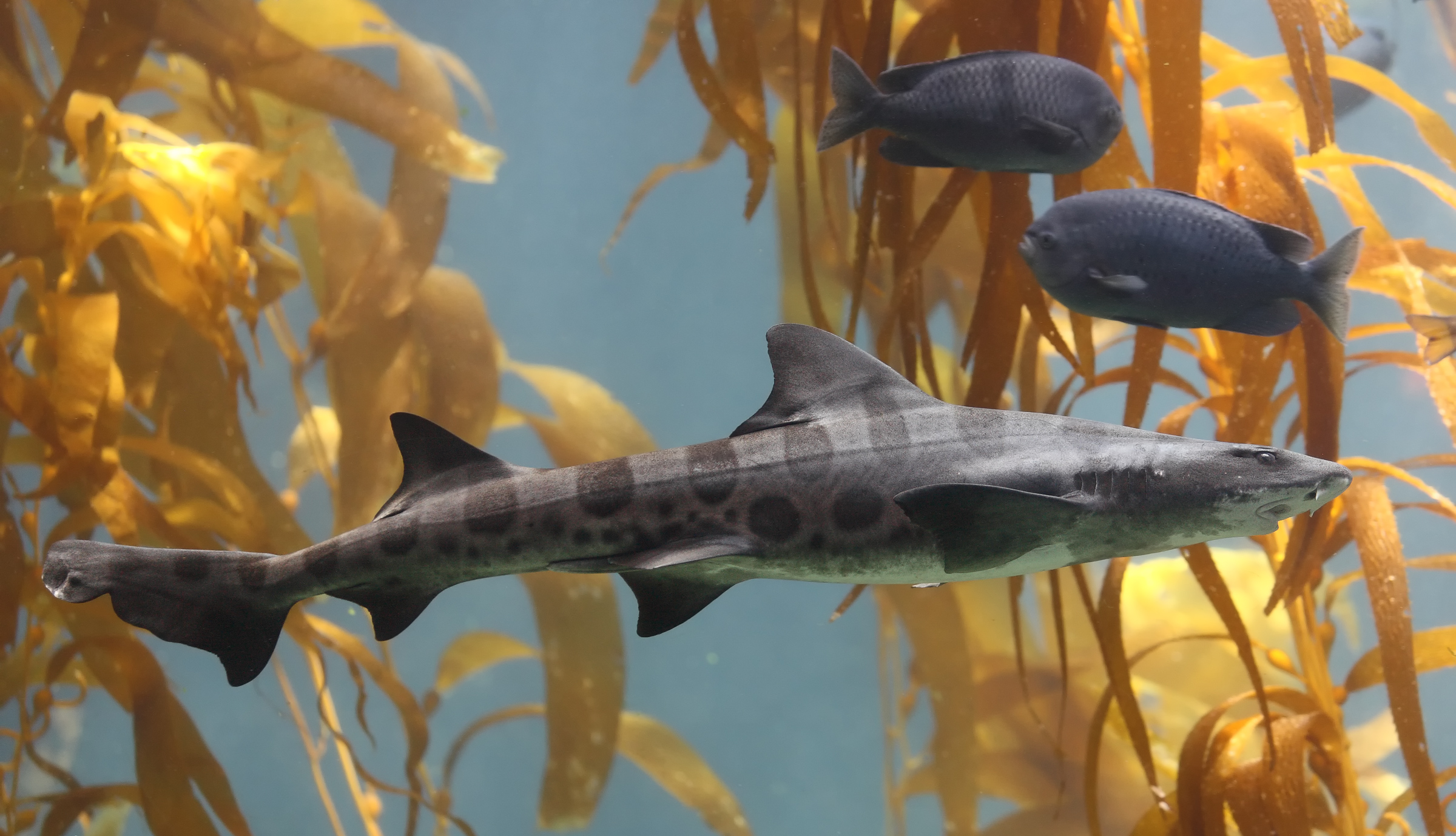

The leopard shark is one of the West Coast's most beautiful and accessible sharks, and a perfect target for anyone who wants to catch a shark from shore. Named for the striking pattern of dark saddles and spots along its silvery-tan body, Triakis semifasciata is abundant in the bays, estuaries, and surf of California and the Pacific coast, pulls hard on a rod, and can be caught by shore anglers with simple bottom gear. They're a favorite of pier, jetty, and beach fishermen, and they make a genuinely fun, strong-fighting, good-eating catch. Learn where they cruise and what they eat, and leopard sharks become one of the most dependable shark fisheries you can access without a boat.
This guide covers everything: how to identify a leopard shark, where and when to find them, the baits and bottom rigs that produce, how to land and handle a shark safely, and the regulations that protect this slow-growing species.
What is a leopard shark?
The leopard shark (Triakis semifasciata) is a member of the houndshark family (Triakidae). It's unmistakable: a slender, silvery-gray to bronze body marked with bold black saddles (crossbars) and round spots that give it its name, a rounded snout, and the classic small-shark shape. Leopard sharks commonly reach 3 to 5 feet, with big females occasionally approaching 6 feet and 30-plus pounds, and they are remarkably long-lived, with some individuals reaching 30 years or more. They are completely harmless to people, they have small teeth and feed on the bottom.
Leopard sharks are bottom-feeding predators that cruise shallow flats, bays, and the surf zone hunting crabs, clams, shrimp, worms, fish eggs, small fish, and, a specialty, innkeeper worms (fat innkeeper) and clam siphons that they suck out of the mud. That varied, scent-driven diet is exactly why they're so catchable on natural baits fished on the bottom.
An important note for anglers: leopard sharks are slow-growing and late-maturing, and they're a popular fishery, so they're managed carefully. Many anglers release most or all of their leopard sharks to keep the population healthy, more on regulations below.
What makes leopard sharks such a great target is the combination of accessibility and fight. Here is a real, hard-pulling shark, not a tiny panfish, that you can catch standing on a public pier, a bay jetty, or a beach with basic bottom tackle. For a lot of West Coast anglers, a leopard shark is the first shark they ever land, and it hooks them on the pursuit. They're abundant enough that on a good tide you can get steady action, big enough to test your drag, and beautiful enough that every one is a photo worth taking before the release.
Leopard Shark Fishing from a PierWhere and when to find leopard sharks
Leopard sharks range along the Pacific coast from Oregon down through California and into Baja, and they're strongly tied to shallow, warm inshore water. The best spots are:
- Bays and estuaries, San Francisco Bay, and the bays and harbors of Southern California, are famous leopard shark waters. They cruise the shallow flats, channels, and mudflats hunting crabs and worms.
- Piers, jetties, and shore, Leopard sharks come well within reach of shore anglers. Bay piers (like the Dumbarton Pier), jetties, and beaches are prime, accessible spots.
- Surf and sandy beaches, Along the open coast, leopard sharks patrol the surf zone and can be caught right off the sand.
- Warm, shallow water on a higher tide, Leopard sharks push up onto shallow flats and into the shallows to feed, especially on a rising or high tide.
They're most active and abundant in the warmer months, roughly spring through fall, when they move into the shallows to feed and, in spring and summer, to pup (they bear live young). A moving tide, particularly an incoming or high tide that floods the flats, is the classic window, and many anglers do well in the evening and after dark.
On the open coast, leopard sharks are a staple of Southern California surf shark fishing. From the beach, they cruise the trough and the deeper pockets just outside the breakers, hunting the same crabs and clams that draw corbina and perch. Surf shark anglers typically fish bigger baits and heavier gear than perch fishermen, casting a scent-heavy bait beyond the wash and letting it soak, often into the evening when sharks move in to feed under low light. The video below shows the SoCal beach approach.
Leopard Shark Fishing from the Beach Leopard Shark Fishing in San Francisco BayBest baits for leopard sharks
Leopard sharks hunt largely by scent on the bottom, so oily, smelly natural baits are the ticket:
- Squid, Fresh or frozen squid is a cheap, tough, reliable go-to and one of the most popular leopard shark baits.
- Market shrimp and ghost shrimp, Both are deadly; ghost shrimp (pumped from mudflats) are a bay favorite.
- Clams and clam necks, A natural food, especially in the bays.
- Bloodworms and other marine worms, Excellent, matching a big part of their natural diet.
- Cut bait (mackerel, anchovy, other oily fish), A bloody, oily chunk of fish puts out a strong scent trail that draws sharks from a distance.
- Midshipman and innkeeper worms, Where available, these local natural foods are premium leopard shark baits.
The common thread is scent. Fresh, oily baits that leak a scent trail on the bottom will draw cruising leopard sharks to your hook. Use enough bait to give off scent, and refresh it when it washes out.
Bait presentation for sharks is a bit different from finesse fishing. You want a generous, juicy bait that puts out a strong scent plume, so don't be shy about using a good-sized chunk of squid or a whole shrimp threaded on the hook. Some anglers "sweeten" a squid bait with a strip of oily cut fish to boost the scent. Because leopard sharks find food by smell, freshness matters enormously, a bait that's been soaking for an hour has washed out most of its scent, so change it regularly even if it hasn't been picked at. On days when the bite is slow, moving to fresh, bloodier bait often turns things around faster than changing spots. And because you're relying on scent to draw fish in, patience pays: give a good bait time to work, since a cruising shark may need several minutes to follow the trail to your hook.
Squid Baits for Leopard SharksRigs and how to fish them
Leopard shark fishing is bottom fishing, and the rigs are simple and sturdy:
Fish-finder / sliding sinker rig, A sliding egg or sinker slide above a swivel, then a leader to the hook. This lets a shark pick up the bait and move off without feeling the weight, the classic shark bottom rig. Because sharks have abrasive skin and some teeth, use a heavier mono or light wire/heavy-fluoro leader.
High-low / dropper rig, A sinker on the bottom with one or two baited hooks above, good for holding bottom in current from piers and the surf.
Use a sinker heavy enough to hold bottom in the tide or surf (a pyramid sinker grips sand well), a strong hook, circle hooks (4/0–8/0) are ideal, hooking sharks cleanly in the corner of the jaw for easy release, and a stout leader to withstand the shark's rough skin. Cast out, put the rod in a holder or hold it, keep the line reasonably tight, and wait for the rod to load. With circle hooks, don't swing hard, let the shark load the rod and come tight, then reel steadily.
Leader choice deserves a little thought. Leopard sharks don't have the shearing teeth of larger sharks, so you don't necessarily need heavy wire, but their skin is like sandpaper and can abrade line over the course of a fight. A length of heavy monofilament (40–60 lb) or a short piece of light single-strand or knottable wire makes a good leader that resists both the teeth and the skin. Keep the leader long enough that the shark's body and tail don't rub through your main line as it rolls and thrashes. From piers, a longer leader and a bridge net or hoop net help you land the fish, since you can't beach it, plan your landing before you hook up.
Rod holders and a bit of patience are part of the game. Many leopard shark anglers fan out a couple of rods with fresh baits and wait for a rod to load up. Keep drags set so a shark can take line rather than dragging your rod off a pier or breaking off on the strike, and stay close so you can grab the rod the moment a fish runs.
Fighting, landing, and handling
A hooked leopard shark makes strong, dogged runs and pulls hard for its size, giving a genuinely fun fight on appropriate tackle. Keep steady pressure and let the fish tire before landing it, and enjoy the pull, it's a real shark on the end of your line.
Leopard sharks tend to make several determined runs rather than one big blistering blast, and they'll roll and twist near the end of the fight, which is where a too-short leader or worn line fails. Let the fish run against a firm drag, gain line when it stops, and don't try to muscle a green shark to hand, a tired shark is much easier and safer to land and release. From the beach, time a wave to help slide the fish up; from a pier, use a hoop or bridge net rather than trying to lift a thrashing shark by the leader, which can break your line or injure the fish.
Handle any shark with respect and care, for the shark's safety and your own. Support the fish, keep your hands away from the mouth, and if you're releasing it (as many anglers do), minimize air time, keep it wet, and get it back in the water quickly. The video below from a shark expert covers how to hold a shark safely.
How to Safely Handle a SharkIf you plan to keep a legal fish, dispatch it promptly and bleed it. Leopard sharks, like other sharks, keep best when bled and iced immediately, which prevents the ammonia taste that poorly-handled sharks can develop.
Eating leopard shark
Leopard shark is good eating when handled well, firm, mild, white meat that's excellent grilled, in tacos, or fried. The key is immediate care: bleed the fish right away and get it on ice, because shark meat retains urea that turns to ammonia if the fish isn't cooled and bled promptly. Properly handled, leopard shark is a fine table fish.
If you've heard that shark "tastes like ammonia," it's almost always a handling problem, not the fish. Bleed the shark immediately by cutting the tail or gills, ice it right away, and fillet it as soon as you can. Some cooks also soak the fillets in a light milk, buttermilk, or lemon-water bath before cooking to further sweeten the meat. Done right, leopard shark is a firm, boneless, mild fillet that grills beautifully and holds together in tacos and skewers. That said, given how slowly leopard sharks grow, many anglers keep only the occasional legal fish for the table and release the rest, which lets them enjoy the fishery for years without depleting it.
How to Fillet a Leopard SharkRegulations and conservation
Because leopard sharks grow slowly and mature late, they're managed with specific rules. In California there is a minimum size limit (36 inches) and a daily bag limit, and the rules can change, always check current California Department of Fish and Wildlife regulations before keeping any. Given their slow growth and popularity, releasing most of your catch, especially large breeding females, is a responsible way to enjoy this fishery. Handle released sharks gently and get them back in the water fast, and they'll swim off strong.
Where to catch them
San Francisco Bay is legendary leopard shark water, and the bays, harbors, jetties, piers, and beaches of Southern California all offer excellent, accessible fishing. Spots like the Dumbarton and Berkeley piers, the flats of San Francisco and San Diego bays, and the open beaches of Orange and Los Angeles counties are all proven producers, and much of this fishing is free public access reachable without a boat, which is a big part of why the leopard shark has such a devoted following among shore and pier anglers. Leopard sharks are one of the best shark species for shore and pier anglers, families, and anyone who wants to catch a shark without a boat, and their willingness to bite on simple bait makes them a fantastic introduction to shark fishing for newcomers of any age. A little knowledge of the tides and productive flats, or a local guide, will get you into fish fast.
If you're fishing the West Coast bays and surf, keep building your skills with our guides on how to catch stingray, how to catch california halibut, and how to catch surfperch.