Fish
Fish Fire
Fire Hike
Hike Bird
Bird

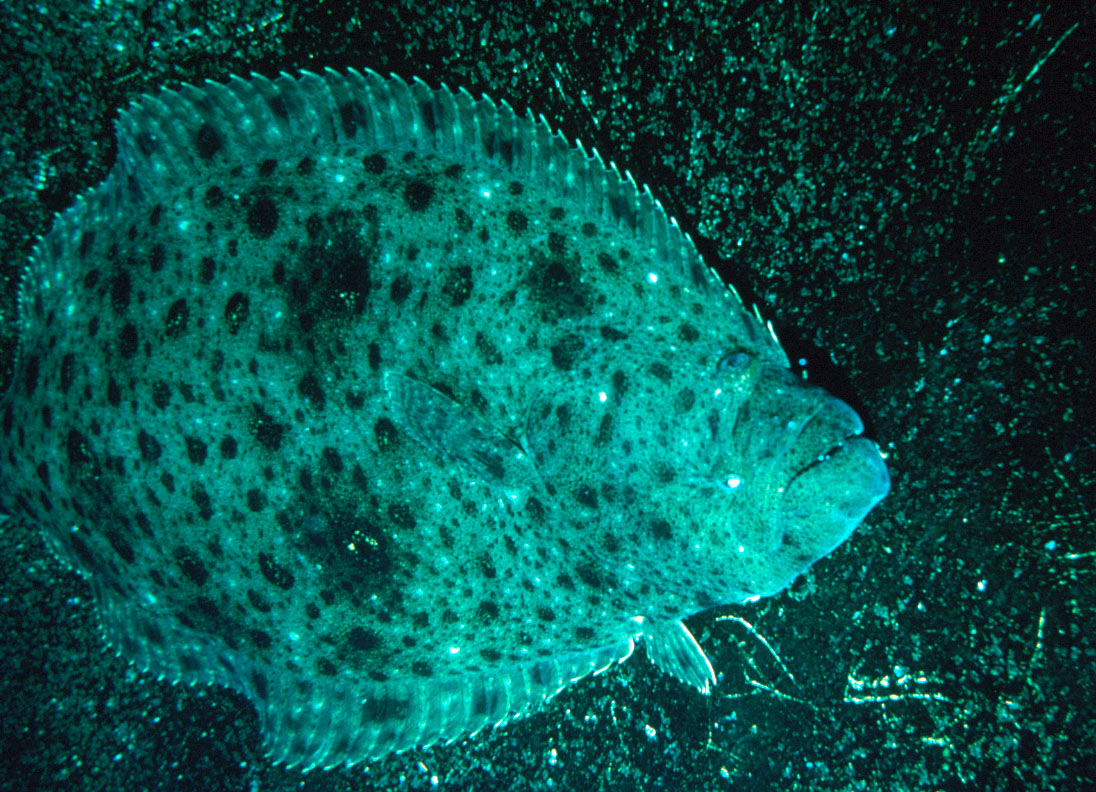

The California halibut is the West Coast's favorite flatfish, a hard-fighting, ambush-hunting, delicious flatty that lies buried on sandy bottom in bays, along beaches, and over nearshore flats, waiting to explode on a passing baitfish. Smaller and more accessible than its giant northern cousin the Pacific halibut, the California halibut is a fantastic light-tackle target that you can catch from a boat drifting the flats, from a kayak, or right off the beach in the surf, and it's one of the best-eating fish on the coast. It's a fish that rewards understanding: find the sand where they ambush, present a lively bait or a well-worked swimbait, and be ready for the sharp, distinctive bite. This guide covers what California halibut are, where and when to find them, and every core technique, with step-by-step instruction, to catch these sandy-bottom ambush flatties.
Ready to work the flats for a flatty? It's one of the most accessible and rewarding light-tackle fisheries on the West Coast, you can drift the bays and beaches for them from a boat or kayak, or catch them right off the sand in the surf. They share the West Coast sand and structure with other favorites, see our guide on how to catch Pacific halibut.
Meet the California Halibut
The California halibut (Paralichthys californicus) is a left-eyed (mostly) flatfish built for ambush: a diamond-shaped, flattened body that lies on the bottom, camouflaged mottled greenish-brown to sandy on the eyed side and white below, with a notably large mouth for its size, a clue to its predatory, fish-eating habits. Unlike bottom-grubbing flatfish, California halibut are active ambush predators that bury in the sand and then rush out to grab passing baitfish, which is why they hit lures and live baits with a sharp, aggressive strike.
California halibut are a good-sized, sporty flatfish: most run 2 to 8 pounds, a legal keeper is typically over 22 inches, solid fish are in the teens, and big "flatties" exceed 20 to 30 pounds (the record is over 60). They're found along the West Coast, from central California down through Baja, in bays, estuaries, along beaches, and over nearshore sandy flats, much shallower and warmer water than Pacific halibut. Prized as both a fun light-tackle gamefish and excellent table fare, sweet, mild, white fillets, California halibut are managed with size and bag limits that vary by area, so always check current regulations.
Where and When to Find California Halibut
California halibut are sand-oriented ambush fish, and finding the right sand is the key:
- Sandy bottom in bays and estuaries, flats, channels, and edges inside bays are classic halibut grounds, especially where current moves bait.
- Nearshore sand flats and along beaches, open-coast sand, often near structure, kelp edges, or where sand meets harder bottom.
- The surf zone, halibut come right into the surf along sandy beaches to ambush bait, making them a great surf target.
- Near bait and current, halibut set up where current and structure funnel baitfish past their ambush spots.
The key is sandy bottom where bait moves, often near an edge, drop, channel, or structure that concentrates baitfish. Halibut also follow bait and water temperature, moving into bays and shallows to feed and spawn in the warmer months (spring and summer are prime in many areas). Use your knowledge of the bays, beaches, and flats, and a sounder on a boat, to find the productive sand and the bait, and fish where current funnels food past ambush points. Because halibut relate to broad areas of sand rather than pinpoint structure, covering ground (by drifting or moving) to find fish is often key.
California Halibut From Shore: Swimbait SecretsDrift-Fishing Live Bait
The classic, deadly California halibut technique is drift-fishing a live bait over the sand. You drift across the flats with the wind or current, dragging a live baitfish (anchovy, sardine, smelt, or similar) along the bottom on a sliding-sinker rig, covering ground until you drift over an ambushing halibut. When a halibut grabs the bait, you get the distinctive halibut bite, often a sharp tap or a sudden weight, and after letting the fish take it, you come tight.
Drifting works because it covers water and puts a lively bait in front of fish spread over the sand. Control your drift speed (a drift sock helps in wind), keep the bait near the bottom where the halibut ambush, and stagger baits at different distances. The live-bait drift is how huge numbers of California halibut are caught, a natural, lively bait dragged over the sand is exactly what an ambushing halibut is waiting for. Cover the flats, keep the bait down, and be ready for the grab.
Best Ways to Fish a Live Bait for HalibutThe Trap Rig and Rigging Live Bait
Because California halibut often grab a baitfish sideways and slash at it, hookups can be tricky with a single hook, which is why the trap rig (a two-hook stinger rig) is a West Coast halibut staple. A trap rig uses a lead hook through the bait's nose and a trailing "stinger" or treble hook positioned back toward the bait's tail, so that when a halibut grabs the bait (often by the tail or midsection), the trailing hook finds it. This dramatically improves your hookup rate on short-striking halibut.
Rig your live bait on a sliding-sinker (Carolina) rig with a trap/stinger, using just enough weight to hold or drag the bait on the bottom, and a fluorocarbon leader. When you feel the bite, the standard is to give the fish a moment to take the bait, then come tight steadily rather than setting hard immediately. Getting the trap rig right and reading the halibut's tricky bite are two of the most important skills in halibut fishing, and they turn frustrating short strikes into hooked fish.
How to Tie a Trap Rig for HalibutSwimbaits and Lures
California halibut are aggressive ambush predators that crush lures, and fishing swimbaits for them is fast, fun, and highly effective. A soft-plastic swimbait on a leadhead jig, bounced or swum along the sandy bottom, imitates a fleeing baitfish and draws savage strikes. You cast or drift and work the swimbait with a lift-and-drop or steady swim near the bottom, keeping it in the strike zone where the halibut ambush. Bright and natural colors both produce, and swimbaits let you cover water and target aggressive fish.
The keys are keeping the swimbait near the bottom (halibut ambush upward from the sand) and imparting a lifelike, fleeing-baitfish action. Bounce it along the bottom on the drift, hop it back on the cast, or swim it steadily just off the sand, and be ready for a sharp strike. Swimbaits are a favorite for both boat and shore anglers because they're effective, active, and a blast, and they've become one of the top ways to target California halibut, from the bays to the surf.
Catching Halibut on SwimbaitsTrolling
Trolling is an effective and efficient way to find and catch California halibut, especially in bays like San Francisco Bay, because it covers a lot of sandy bottom and keeps your bait or lure in the strike zone continuously. You slowly troll a live bait or a lure (a swimbait, a plug, or a bait behind a trolling sinker) along the bottom over the flats and channels, letting the boat cover ground until you find fish. Trolling is a great way to locate halibut spread over broad sand flats.
The keys are to troll slowly and keep the offering near the bottom, using enough weight (or a diving lure) to stay in the strike zone, and to work the productive sand, edges, and channels. Trolling covers far more water than sitting, which is a big advantage when halibut are scattered, and it's a proven bay technique. Many anglers troll to locate concentrations of fish and then drift or cast to work an area more thoroughly once they find them.
Trolling Tips for Bay HalibutSurf Fishing for Halibut
One of the most accessible and exciting ways to catch California halibut is from the beach in the surf. Halibut move right into the surf zone along sandy beaches to ambush bait, and you can catch them by casting swimbaits, lures, or live/cut bait into the troughs, holes, and current seams of the surf. Reading the beach, finding the deeper troughs, holes, and structure where bait and halibut concentrate, is key, just as with any surf fishing.
The approach is to cast a swimbait or bait into the surf structure and work it back along the bottom, or fish bait on the bottom in a productive trough, and be ready for a halibut to ambush it in surprisingly shallow water. Surf halibut fishing is a fun, low-cost, walk-on fishery that puts a great gamefish and superb table fish within reach of anyone with a rod and a beach. Fish the moving water and the surf structure, keep your offering near the bottom, and you can catch halibut right off the sand.
Surf Fishing for California HalibutTackle, Timing, and the Table
California halibut are a light-to-medium-tackle target: a medium spinning or casting outfit with a smooth drag handles them well, matched to swimbaits, live-bait drifting, or surf casting. Use a fluorocarbon leader, a trap/stinger rig for live bait, and leadhead swimbaits for lures. On timing, spring and summer are prime in many areas as halibut move into the bays and shallows to feed and spawn, and moving water (tide and current) generally improves the bite by getting bait moving past ambush points.
For the table, California halibut are a treat, sweet, mild, white fillets that are excellent grilled, pan-fried, baked, or in fish tacos. Follow the size and bag limits (there's a minimum size and a daily limit that varies by area), measure carefully, and release short fish gently. Between the sharp, exciting strike, the fun light-tackle fight, and the delicious fillets, California halibut are one of the most rewarding and accessible gamefish on the West Coast.
Reading the Halibut Bite
One of the most important, and trickiest, skills in California halibut fishing is reading the bite, because halibut rarely just inhale a bait. On live bait, you'll often feel a sharp tap, a series of thumps, or a sudden weight as the halibut grabs the baitfish sideways and slashes at it, and the natural instinct to set immediately usually pulls the bait away. The standard is to feed the fish, drop the rod tip, give it a moment or a little line to turn and take the bait fully, then come tight steadily and let the trap/stinger hook find the fish. On swimbaits, the strike is often a sharp thump followed by weight; keep the pressure and come tight.
Learning to distinguish a halibut's tricky, tap-and-grab bite from the bottom or a small fish, and to feed rather than set, is what turns short strikes into hooked fish. Patience on the bite is the key, resist the urge to swing hard, let the fish commit, and then come tight steadily. This single skill accounts for a huge difference in hookup rates, and it's a big part of what makes halibut fishing a rewarding puzzle to master.
Common Mistakes to Avoid
California halibut punish a few common errors. Setting too hard, too soon on the bite pulls the bait from a sideways-grabbing fish; feed it and come tight steadily. Fishing a single hook instead of a trap/stinger rig misses short-striking halibut; use the stinger. Keeping the bait or lure off the bottom puts it above ambushing fish; keep it right on the sand where they hunt. Drifting too fast (in wind) drags the bait through the zone too quickly; use a drift sock to slow down. And fishing barren bottom instead of productive sand near bait and current leaves your offering where the fish aren't. Feed the bite, use a stinger, stay on the bottom, control your drift, and fish the right sand, and your halibut catch climbs.
Put It All Together
California halibut fishing is accessible, light-tackle ambush fishing: find the sandy bottom in bays, along beaches, and in the surf where halibut bury and ambush; drift a lively bait on a trap rig over the sand, bounce a swimbait along the bottom, troll to cover ground, or cast into the surf; read the tricky halibut bite and come tight steadily; and enjoy a sharp strike, a fun fight, and some of the best fillets on the coast. Fish the moving water and the productive sand, mind the size and bag limits, and you'll connect with these ambush flatties from a boat, a kayak, or right off the beach. Learn the sand, feed the tricky bite, and keep your offering right on the bottom, and you'll get on them. And for the giant northern cousin of the deep, read our guide on how to catch Pacific halibut next.