Fish
Fish Fire
Fire Hike
Hike Bird
Bird

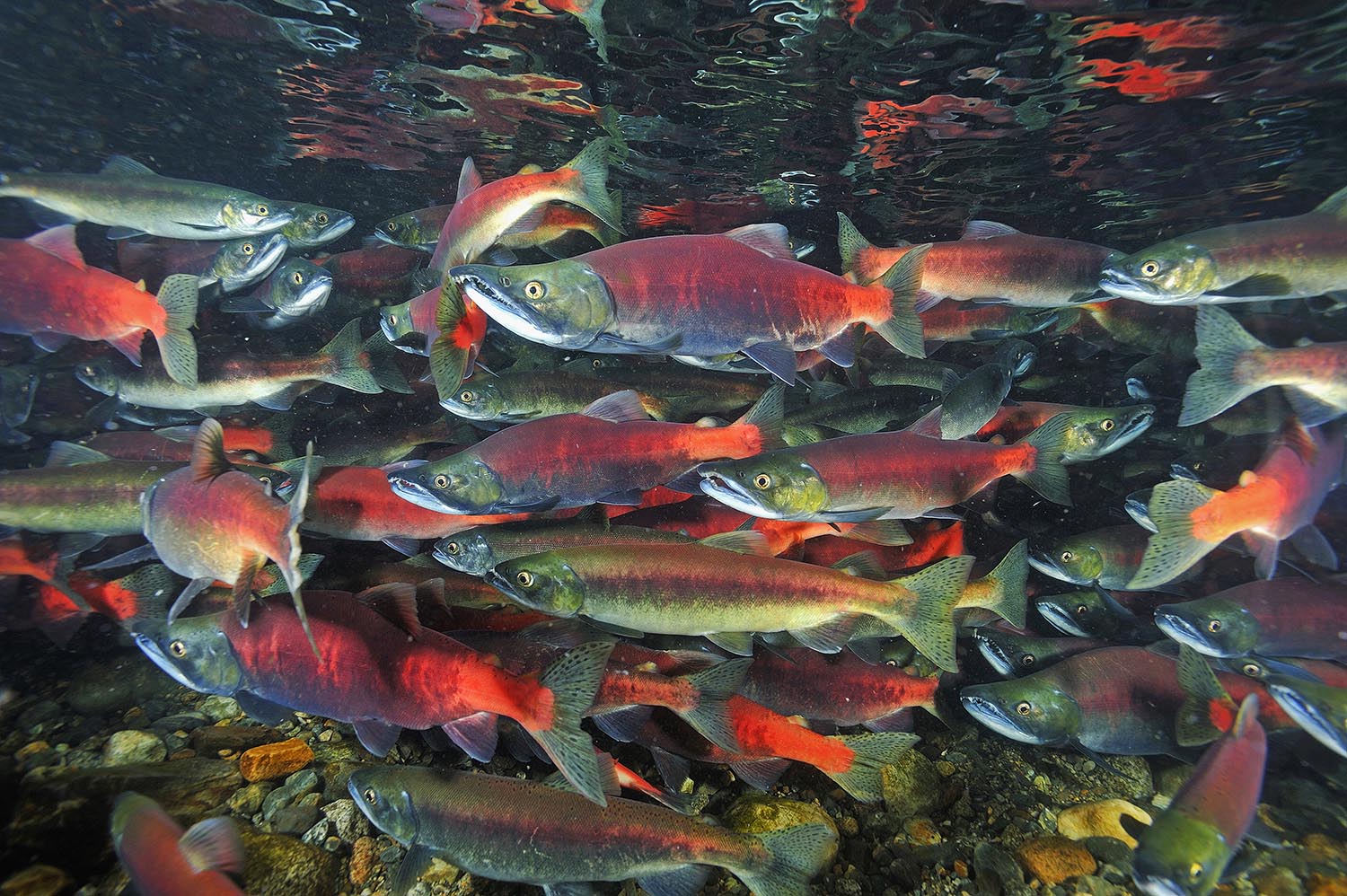

The kokanee salmon is one of the West's most beloved lake fish, a compact, brilliant, and surprisingly technical target that has spawned a devoted subculture of anglers. Kokanee are simply sockeye salmon that never go to sea: a landlocked form of the same species (Oncorhynchus nerka) that lives its entire life in a cold, deep freshwater lake, feeding on tiny plankton, growing to a modest size, and, like all Pacific salmon, turning brilliant red and dying after it spawns. They're not big (a typical kokanee runs 10 to 16 inches and a pound or two, with trophy fish in the best waters pushing 3 to 5 pounds), but they make up for it with scrappy fights, gorgeous color, and, above all, some of the finest eating of any freshwater fish, with rich, deep red-orange flesh that's superb on the grill or in the smoker. Stocked in cold reservoirs and lakes across the western U.S. and Canada, kokanee have become one of the most popular and passionately pursued lake fisheries in the region.
Catching kokanee is a game of precision and finesse unlike most other freshwater fishing. Because they eat microscopic plankton rather than baitfish, kokanee don't chase big lures out of hunger, they strike small, flashy attractor rigs out of aggression, curiosity, and territoriality. Success comes down to trolling the right bright lures at the right depth and speed, tipped with scented bait. This guide covers what a kokanee is, and the specialized-but-learnable techniques that consistently catch them.
Understanding the Kokanee
The kokanee is the landlocked, freshwater-resident form of the sockeye salmon, genetically the same species, but one that completes its whole life cycle in a lake instead of migrating to the ocean. In the lake, ocean-silver kokanee are bright, streamlined little salmon; as they mature (typically at about four years old) and prepare to spawn in the fall, they transform into the iconic brilliant red body with a green head, the males developing a hooked jaw, before spawning in tributaries or along shorelines and dying. They stay small because their food is small: kokanee are plankton feeders, straining tiny zooplankton from the water column with specialized gill rakers, rather than hunting fish or insects like most gamefish.
This diet is the single most important thing to understand about catching them. Because kokanee don't eat baitfish, they don't strike a lure because they think it's food, they hit small, bright, flashy lures out of aggression, competition, curiosity, and territorial reaction. That's why kokanee fishing revolves around small, gaudy attractor lures fished behind flash, tipped with scented bait to trigger the bite. They also school tightly and suspend at specific depths in the cold, oxygenated part of the lake, which makes precise depth control essential. Understand that you're targeting a schooling, plankton-eating, reaction-striking fish at a specific depth, and everything about kokanee technique falls into place.
Kokanee Salmon Fishing: Beginners Start HereTrolling: The Number-One Method
The overwhelmingly dominant way to catch kokanee is trolling, and it's an art form. The classic setup is an attractor (a dodger or flasher) trailed by a small lure, a hoochie (small squid), a wedding-ring spinner, a small spoon, or a micro-plug like an Apex, on a short leader. The dodger or flasher provides flash and action that draws kokanee in and fires them up, and the small trailing lure is what they strike. Trolling lets you cover water to find the schools, present your lure at a precise depth, and impart the enticing action kokanee react to.
Kokanee Dodgers and Lure CombosTwo details make or break kokanee trolling. Speed: kokanee want a slow troll, generally around 1 to 1.5 mph, and they love an erratic, changing action, troll in lazy S-turns so your lures speed up, slow down, and change direction, which triggers strikes. Tipping: kokanee lures are almost always tipped with scented bait, and the classic is a piece or two of white shoepeg corn soaked in kokanee scent (or dyed and scented), which dramatically improves the bite. Never fish a bare kokanee lure, tip it and scent it.
Depth Control: Downriggers and Leadcore
If there's a golden rule of kokanee fishing, it's this: you must fish at the exact depth the fish are holding. Kokanee suspend in tight schools at a specific depth, following cold, oxygen-rich water (often near the thermocline in summer), and a lure even a few feet off can get ignored. So kokanee anglers obsess over depth control. The two main tools:
- Downriggers, the gold standard, letting you put your lure at a precise, known depth and change it instantly as you mark fish on your sonar.
- Leadcore line, color-coded sinking line that lets you dial in depth by how many "colors" you let out, a proven and effective alternative to downriggers.
Use your fishfinder to locate the schools and the depth they're holding, set your gear to that exact depth, and adjust constantly as the fish move. Good electronics and precise depth control are the biggest keys to kokanee success.
Using Downriggers for Kokanee Depth ControlJigging for Kokanee
While trolling dominates, jigging is a deadly and increasingly popular way to catch kokanee, both in open water and through the ice. Once you've located a school on your electronics, drop a small jigging spoon or a kokanee jig (tipped, as always, with scented corn or a maggot) down to the fish and work it with subtle lifts and flutters. Jigging lets you stay right on a located school and pick fish off vertically, and it's a fun, active, boat-simple alternative to dragging trolling gear. In winter, ice anglers jig for kokanee over deep schools in the lakes that stay accessible. Pair jigging with good sonar to stay on the fish, and keep your presentations small, bright, and scented.
How to Jig for KokaneeColors, Scent, and Dialing It In
Kokanee are famously color- and scent-conscious, and dialing in what they want on a given day is a big part of the game. Pink, orange, red, chartreuse, and combinations (often with UV or glow finishes) are the staple colors, and the "hot" color can change day to day and lake to lake, so carry a range and experiment. Scent is critical, because kokanee bite out of reaction and then quickly reject anything that doesn't smell right, scenting your corn and lures (with kokanee-specific scents) keeps fish committed to the bite. Run different color and lure combinations on your rods until you find what's working, then switch everyone over. This willingness to experiment with color, scent, depth, and speed, and to change quickly when something works, is what separates consistent kokanee anglers from the rest.
Kokanee Tackle and Gear GuideWhere and When to Find Kokanee
Kokanee are stocked (and sometimes naturally reproducing) in cold, deep lakes and reservoirs across the western U.S. and Canada, California, Oregon, Washington, Idaho, Montana, Wyoming, Colorado, Utah, Nevada, and British Columbia all have notable kokanee fisheries. They need cold, well-oxygenated, deep water and a good plankton supply. Seasonally, their depth and location shift:
- Spring (after ice-out): Kokanee are often shallower and more spread out in the cooler surface water, a great time for easier depth fishing and even shallow trolling.
- Summer: As the surface warms, kokanee go deeper, following the cold, oxygenated water near the thermocline. This is prime downrigger/leadcore season, often fishing 30 to 80+ feet down.
- Fall: Maturing kokanee turn red and stage near their spawning tributaries and shorelines; the fishing changes as fish prepare to spawn (and in many places the season closes to protect spawners, check regulations).
The Fight and Why Anglers Love Kokanee
Don't let their modest size fool you, kokanee are a genuine blast to catch. For their size they fight hard, making quick runs and stubborn, twisting battles, and their soft mouths add a fun challenge: you have to play them carefully with a soft rod and light drag or you'll pull the hook, which keeps every fish interesting right to the net. Beyond the fight, kokanee fishing has a special appeal. It's a puzzle, a constantly shifting game of depth, speed, color, and scent that rewards attention, experimentation, and skill, and cracking the code on a given day is deeply satisfying. Add in the fish's stunning beauty (few freshwater fish match a chrome or crimson kokanee), the gorgeous cold-water lakes they live in, and the unbeatable table quality, and it's easy to see why kokanee have such a passionate following. Many anglers who discover kokanee fishing become devoted specialists, endlessly tinkering with gear and tactics in pursuit of these brilliant little salmon.
Reading Your Electronics for Kokanee
More than almost any other freshwater fishery, kokanee fishing rewards skilled use of your fishfinder, it's not optional, it's central. Kokanee show up on sonar as tight schools or clouds of marks suspended at a specific depth, often stacked in a distinct band in the water column. Your job is to find those marks, read the exact depth they're holding, and put your lures right in that zone. Watch how the depth changes through the day and across the lake, kokanee schools move, following food, light, and temperature, and adjust your downrigger or leadcore depth to match. Good electronics also reveal the temperature and the thermocline, helping you predict where the cold, oxygenated water (and thus the fish) will be. Learning to interpret those suspended marks, and to trust them enough to fish precisely at that depth rather than guessing, is the fastest way to go from occasional kokanee to consistent limits. When you mark a good school, work it thoroughly and keep your gear locked on their depth.
Tackle for Kokanee
Kokanee gear is specialized but not complicated:
- Rod and reel: A light, sensitive, soft-tipped kokanee/trolling rod is important, kokanee have soft mouths that tear easily, so a forgiving rod (and a good drag) prevents pulled hooks. Pair with a trolling reel (line-counter reels are popular for repeatable depth).
- Line: Light monofilament or braid; leadcore if you're using it for depth.
- Attractors and lures: Dodgers and flashers, plus a selection of hoochies, wedding-ring spinners, small spoons, and micro-plugs in pink, orange, red, and chartreuse.
- The essentials: White shoepeg corn, kokanee scents, a good fishfinder, and downriggers or leadcore for depth control.
The soft rod and the depth-control gear are the two things that most set kokanee tackle apart, don't skip them.
Are Kokanee Good to Eat?
Absolutely, this is a huge part of their appeal. Kokanee have rich, deep red-orange flesh (thanks to their plankton diet) and are widely considered among the very best-eating freshwater fish, with a flavor much like their sockeye relatives. They're superb grilled, baked, and especially smoked, smoked kokanee is a Western tradition and, for many anglers, the whole point. Because they're small and abundant where established, they often have generous limits (check your local regulations), making them a great fish to catch in numbers and take home. Bleed and ice your catch promptly to preserve that beautiful flesh, and you'll have some of the finest table fare fresh water offers.
Common Kokanee Mistakes
- Fishing the wrong depth. The number-one mistake. Kokanee hold at a precise depth, use your electronics and get your lure exactly there.
- Trolling too fast or too straight. Slow down (about 1–1.5 mph) and troll in S-turns for the erratic action kokanee react to.
- Not tipping with scented corn. A bare lure gets far fewer bites. Always tip with scented white shoepeg corn.
- Using a stiff rod. Kokanee have soft mouths that tear. A soft-tipped rod and a light drag prevent lost fish.
- Sticking with a dead color. The hot color changes. Experiment across your rods and switch to what's working.
Put It All Together
Catching kokanee comes down to precision: use your electronics to find the tightly schooled fish and their exact depth, then troll a bright dodger-and-hoochie (or spinner or spoon) rig, tipped with scented white corn, slowly and erratically at that depth with downriggers or leadcore, or drop a jig right on a located school. Experiment with color and scent until you find the hot combination, use a soft rod to protect their tender mouths, and target them shallow in spring and deep in summer. Do that, and you'll catch one of the West's most beautiful, scrappy, and delicious lake fish, and probably get hooked on the wonderfully technical pursuit of kokanee.
The kokanee is a landlocked salmon, and it connects to some of fishing's most famous fish. It is quite literally the sockeye salmon, the ocean-run, red-fleshed salmon, in landlocked form, and it shares its cold Western lakes with the rainbow trout, a frequent troll-caught companion. Learn the kokanee, and you've mastered one of the most rewarding and delicious fisheries in the West.
Ready to fill a cooler with kokanee? Half the battle is simply finding the right water, a cold, deep lake or reservoir that holds a healthy kokanee population, with a boat launch to get you on it. Scout your options, confirm the season and bag limits with your state's fish and wildlife agency (many waters close in fall to protect spawners), then go dial in the depth, color, and scent that put these brilliant little salmon in the net, and a cooler full of the best-eating fish in the lake.