Fish
Fish Fire
Fire Hike
Hike Bird
Bird

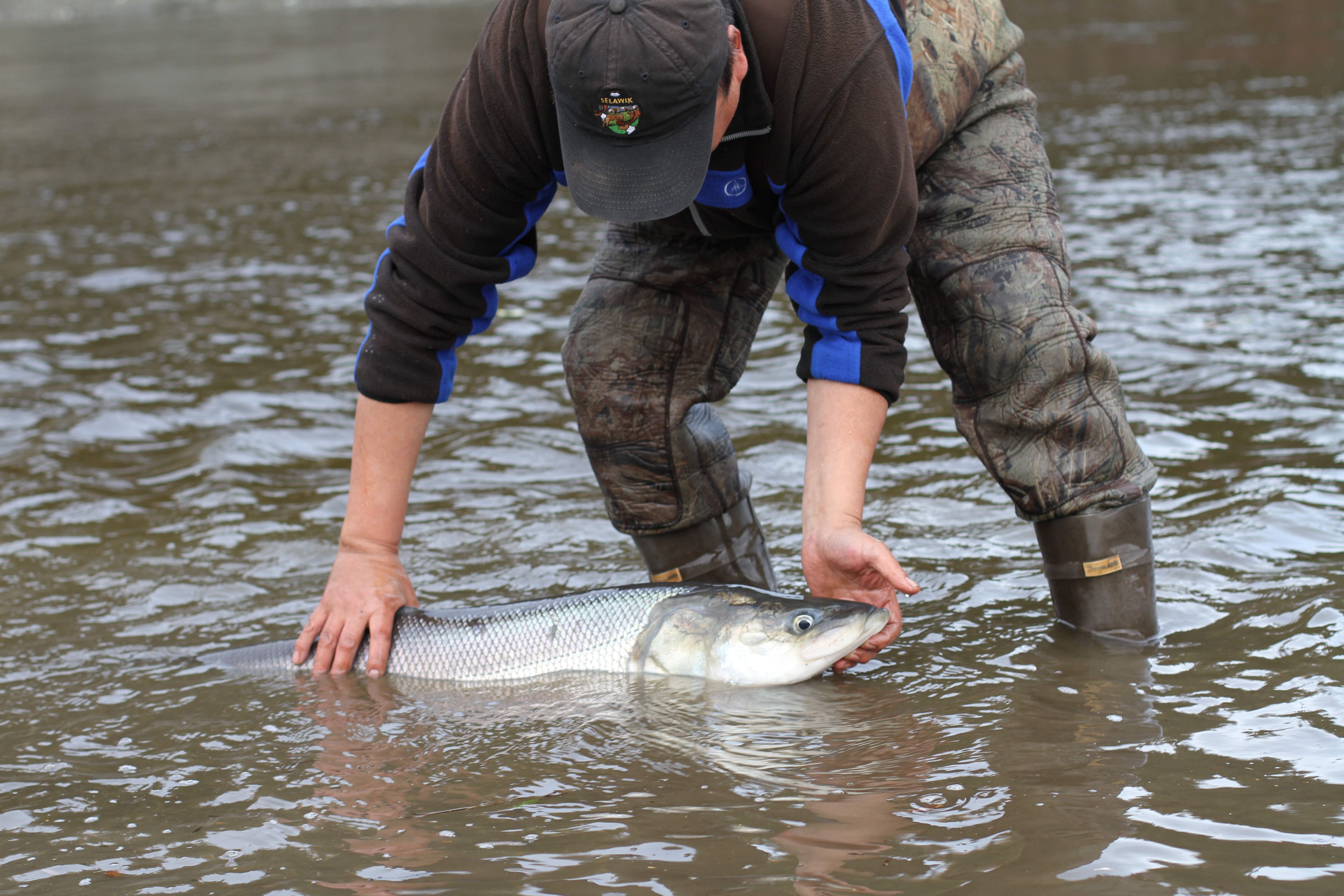

The inconnu (Stenodus leucichthys, also called Stenodus nelma) is one of the most remarkable and least-known gamefish in North America. Better known in Alaska as the sheefish, and nicknamed the "tarpon of the North," it is a giant, predatory member of the whitefish family that can top 30, 40, even 60 pounds, hits like a freight train, and leaps and runs like a saltwater gamefish. Its French name, inconnu, "the unknown", was given by early fur traders who had never seen anything like it. For the adventurous angler willing to travel to the rivers of Arctic and Interior Alaska, the sheefish offers a truly unique trophy fishery. This guide covers how to find and catch inconnu across the ways they're pursued: casting, fly fishing, jigging, and through the ice.
What Is an Inconnu (Sheefish)?
The inconnu is a coregonid, a whitefish, but unlike its plankton- and insect-eating cousins the lake whitefish and cisco, the sheefish is a full-blown predator. It has a large, upturned mouth with a projecting lower jaw, a sleek silvery body, big shimmering scales, and the char/whitefish family's adipose fin. Picture a tarpon crossed with a whitefish and you're close: bright, chrome-sided, big-scaled, and built to chase down baitfish.
Sheefish are the largest of the whitefishes. Arctic populations regularly reach 20 to 40 pounds, with the biggest fish exceeding 50 or 60 pounds, while some interior populations run smaller. They feed almost entirely on other fish, cisco, whitefish, smelt, juvenile salmon, and any baitfish they can catch, which is exactly why they smash lures and flies that most whitefish would ignore. Some populations are anadromous, migrating between the sea and freshwater; others are entirely freshwater. Either way, the sheefish is a long-lived, slow-growing, migratory fish that travels great distances up and down its home river systems.
Where and When to Catch Sheefish
Sheefish live in the far North, in Alaska, they're found in the great western and Arctic river systems: the Kobuk, Selawik, Yukon, Kuskokwim, and their tributaries, along with connected coastal waters like Kotzebue Sound. They also range across Arctic Canada and Siberia. This is remote country; most sheefish fishing involves a bush-plane flight, a boat, or a trip to an Arctic village.
Timing depends on the sheefish's migrations. In summer, sheefish move up the rivers, and anglers intercept them in the current, at confluences, and in deep holes, June through September is prime open-water fishing on rivers like the Kobuk. In late summer and early fall, sheefish concentrate on their spawning migration, staging in specific river reaches, which can produce outstanding fishing (though anglers should tread carefully around spawning fish). And in winter, sheefish become a premier ice-fishing target, especially around Kotzebue and the lower rivers and deltas, where they're caught through the ice, jigging in deep water. There's essentially a sheefish season year-round if you go where the fish are.
Casting Spoons and Spinners
The classic way to catch a sheefish is by casting large spoons and spinners, the sheefish's predatory, baitfish-chasing nature makes it a fantastic target for hardware.
Catching a 38-Inch Sheefish on the Ambler RiverThrow big, flashy spoons and large inline spinners (silver, gold, chrome, and bright patterns), and cast to the current seams, deep holes, drop-offs, and confluences where sheefish hold and hunt. Retrieve with speed and flash to imitate a fleeing baitfish, sheefish will chase down and crush a fast-moving lure. When one hits, hang on: sheefish make blistering runs and often clear the water with jumps, which is exactly why they've earned the "tarpon of the North" name. Their bony mouths can throw a hook, so use sharp trebles or single hooks and keep steady pressure. A medium-heavy rod with a good drag and strong line is the right tool, because you may hook a fish over 30 pounds in current.
Playing a sheefish well is its own skill. Because the takes are savage and the fish immediately runs or jumps, resist the urge to clamp down, let a smooth drag do its job, keep the rod loaded, and bow slightly to jumps so the fish can't use a taut line to throw the lure. In heavy current, use the flow to help tire the fish rather than fighting both the fish and the river at once, and try to work it into softer water before landing. A large rubber net or a careful hand-land in the shallows protects both the fish and your lure. Twenty- and thirty-pound fish are strong enough to break light gear or straighten cheap hooks, so don't cut corners on terminal tackle, a single failed knot or bent hook can cost you the fish of the trip.
Fly Fishing for Sheefish
Sheefish are a spectacular fly-rod target, and few fly-caught fish are more explosive. Because they eat baitfish, they respond beautifully to large streamers.
Surface and Streamer Fly Fishing for SheefishUse a 8- to 10-weight rod and strip big, flashy baitfish streamers, think large white, silver, and chartreuse patterns, Clouser-style and baitfish imitations, through the holding water and current seams. Strip them fast to trigger the chase, and be ready for a violent take and aerial fight. Sinking or sink-tip lines help get streamers down in the deeper holes and current where sheefish hold, though at times sheefish will blow up on flies near the surface, which is about as exciting as freshwater fly fishing gets. As with hardware, keep your hooks sharp and your drag smooth, because a big sheefish on a fly rod will test both.
Jigging in Rivers and Deep Holes
When sheefish are holding deep, in river holes, at confluences, or off drop-offs, vertical jigging is deadly and lets you work a specific piece of water thoroughly.
Jigging for Sheefish on the Kobuk RiverDrop heavy jigging spoons or jigs to the sheefish's depth and work them with a sharp lift-and-drop, letting the lure flutter down on the fall, which is when sheefish often strike. This is especially effective from a boat over deep holding water and is a natural bridge to the ice-fishing techniques below. Because you're often fishing deep, fast current, use enough weight to stay near the bottom and maintain contact with the lure so you feel the take and can set the hook into that hard, bony mouth.
Ice Fishing for Sheefish
In winter, sheefish are a beloved ice-fishing target across Arctic Alaska, most famously around Kotzebue Sound and the lower rivers and deltas, where local anglers and visitors alike jig them up through the ice.
Ice Fishing for Giant Arctic SheefishJig flashy spoons and jigs in deep water where sheefish congregate under the ice, working the lure with an aggressive lift-drop-flutter to draw fish in and trigger the strike. Sheefish keep hunting baitfish through the winter, so the bite can be excellent, and hooking a big chrome sheefish through the ice in the Arctic winter is a bucket-list experience. As always with sheefish, they hit hard and fight hard even in frigid water. Dress for genuine Arctic cold, fish the deeper holes and channels, and be mobile enough to find the schools.
Understanding Sheefish and Reading the Water
Everything about catching sheefish comes down to understanding a large, migratory predator that follows baitfish through big river systems. Sheefish are travelers, not homebodies, they move great distances seasonally, so success is often about being on the right stretch of river at the right time in their migration. Once you're on fish, the water you target is classic big-predator water: deep holes, current seams, the confluences where tributaries meet the main river, drop-offs, and eddies where baitfish concentrate and a big fish can rest out of the heaviest current while ambushing prey.
Sheefish relate strongly to their forage. Where cisco, whitefish, smelt, and juvenile salmon school up, sheefish won't be far away, so think about where the baitfish are holding and moving. During the spawning migration in late summer and early fall, sheefish stack in predictable staging areas, which concentrates the fishing but also demands responsibility, since these are the fish that make the next generation. Read the river like you would for any large predator: find the food, find the current breaks and depth, and you'll find the sheefish.
An Introduction to the Arctic SheefishIt also helps to appreciate just how much of a specialist expedition sheefish fishing is. These fish live where there are no tackle shops, no cell service, and often no roads, so preparation is everything: bring backups of your key lures and terminal tackle, a reliable reel with a drag you trust, and gear rated for both big fish and hard weather. Local knowledge is invaluable, village anglers, lodges, and guides know the migration timing and the productive holes on a given river better than any map, and that timing can shift week to week with water levels and temperature. A sheefish trip rewards flexibility: be ready to move up or down the river to intercept fish that may have pushed through since the last report, and treat finding the fish as most of the challenge, because once you're among them, the aggressive strikes tend to come quickly.
What Makes Sheefish Fishing Unique
Part of the appeal of the inconnu is that it doesn't fit any familiar category. It's a whitefish that behaves like a pike, a freshwater fish that fights like a saltwater one, and a trophy that most anglers, even well-traveled ones, have never seen in person. There's no put-and-take stocking program, no urban pond version, and no shortcut: a sheefish is a fish you earn by going to the country where it lives. That authenticity is a big reason the species has such a devoted following among anglers who chase it.
The fishing itself is a rare blend of numbers and size. On a good day during the summer run or under the ice, sheefish can be caught in genuine quantity, yet any cast can also connect with a fish measured in tens of pounds. Few freshwater fisheries offer both fast action and true trophy potential in the same outing. Add the setting, vast Arctic rivers, tundra, and the northern lights over a winter ice camp, and the inconnu becomes as much an experience as a catch. Approach it prepared and respectful of the resource, and it will reward you with fishing you simply can't find anywhere else.
Conservation: Handle a Slow-Growing Giant with Care
The sheefish's size and hard fight can obscure how fragile it really is. Inconnu are long-lived and very slow-growing, a trophy fish may be 20 or more years old, and they don't spawn every year, often skipping years between spawning runs. That combination makes sheefish populations highly vulnerable to overharvest, and some populations have declined where fishing pressure or habitat changes have hit the spawning stocks.
They are also a vital subsistence resource for Alaska Native communities along the Kobuk, Selawik, Yukon, and Kotzebue Sound, who have relied on sheefish for generations. Fish for them accordingly: know and follow the local regulations and any bag limits, which exist to protect these slow-to-replace fish; handle any fish you intend to release gently, keeping them in the water, minimizing air time, and reviving them fully before letting go; and be especially thoughtful about fishing over spawning aggregations. Take only what you'll use, respect the subsistence priority of local communities, and this magnificent Arctic giant will remain for future anglers.
Cleaning and Eating Sheefish
Sheefish are excellent eating and are a staple food across their range. The flesh is white, flaky, and mild, with a higher oil content than many whitefish, which makes it especially good and keeps it from drying out.
How to Fillet a SheefishFillet a sheefish as you would any large fish; the generous fillets yield a lot of clean white meat. Sheefish are famously versatile in the kitchen, pan-fried, baked, grilled, and smoked all work beautifully, and in Alaska Native communities sheefish is also traditionally eaten dried, and even frozen and sliced raw as quaq (frozen fish). As with all coldwater fish, ice or keep your catch cold promptly for the best quality. Given how slow-growing sheefish are, keep only what you'll actually eat and release the rest carefully, but a fresh sheefish fillet is a genuine reward for the long trip north.
Bringing It All Together
The inconnu, or sheefish, is a true North American original, a giant predatory whitefish that fights like a tarpon and lives in some of the wildest water on the continent. Catching one means going north, timing the migration, and then fishing like you would for any big river predator: cast and strip big flashy spoons and streamers through the deep holes, seams, and confluences, jig the deep holding water, or drill through the Arctic ice in winter. Hooked, it will run and jump and test your tackle; landed, it's one of the most unique trophies in freshwater. Handle these slow-growing giants with care, respect the communities who depend on them, and the sheefish will keep earning its reputation as the fish of the far North.
For more coldwater and northern species, see our guides to the cisco, the lake whitefish, and the northern pike.
Dreaming of a sheefish trip to Arctic Alaska? Time the migration, line up your logistics early, and go chase the tarpon of the North.