Fish
Fish Fire
Fire Hike
Hike Bird
Bird

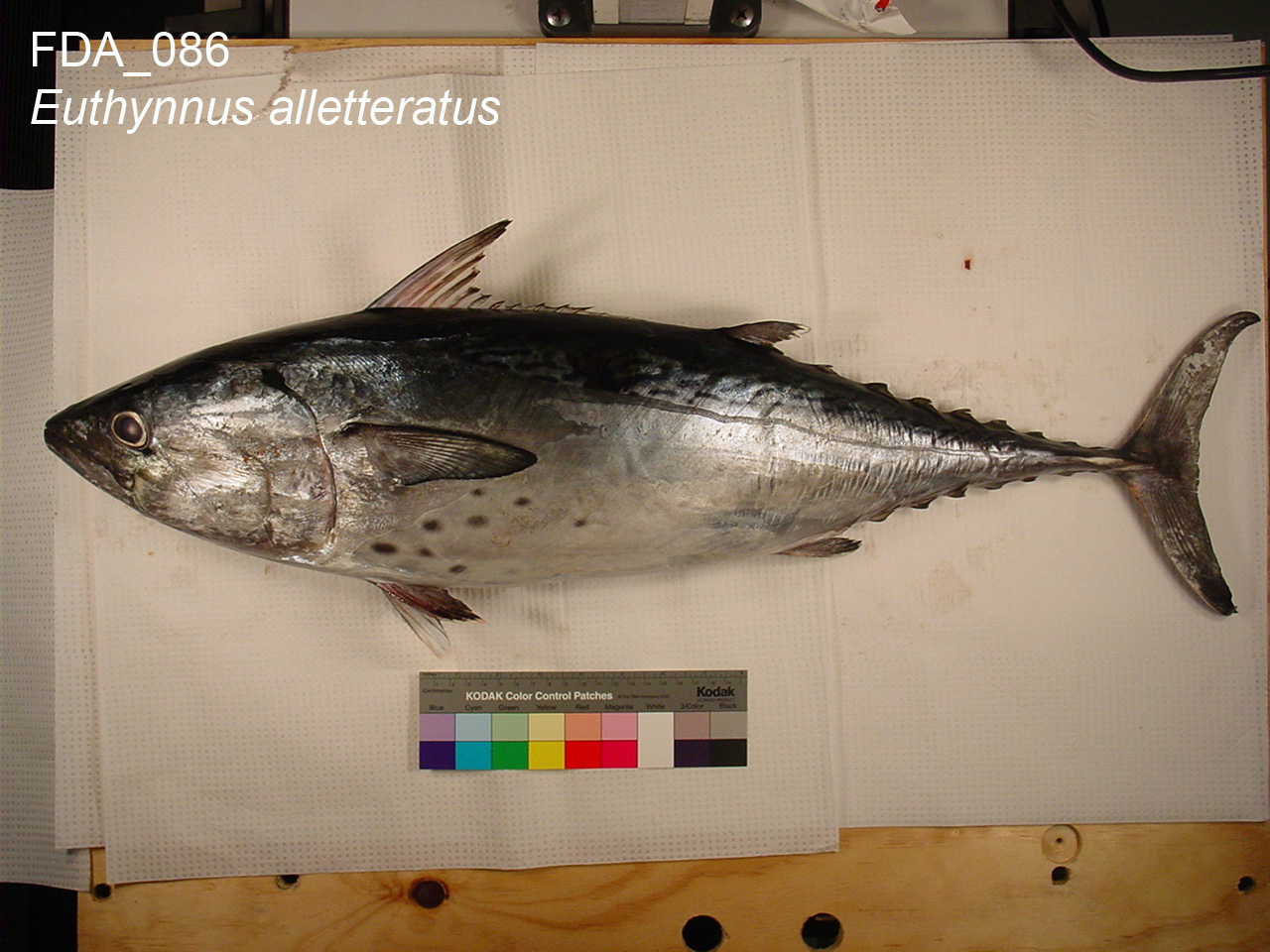

The false albacore (Euthynnus alletteratus), universally known to anglers as "albies," "little tunny," "fat albert," or "bonita", is one of the most thrilling light-tackle gamefish in the inshore ocean. A small, blazing-fast member of the tuna family, the albie explodes onto bait schools in wild feeding frenzies and, once hooked, peels off drag in blistering, reel-screaming runs that few inshore fish can match. Not prized for the table (the dark, bloody meat is an acquired taste at best), the false albacore is instead beloved purely as a sportfish, a fall-run addiction for light-tackle and fly anglers along the Atlantic coast. When the albies are in and busting bait, few fisheries are more exciting. This guide covers how to catch them.
What Is a False Albacore?
The false albacore is a member of the tuna and mackerel family (Scombridae), a small tuna, not a true albacore or a true bonito, though it's often loosely called both. It has a robust, torpedo-shaped, steel-blue-and-silver body built for speed, with wavy, worm-like dark markings ("scribbles") on the upper back behind the dorsal fin, a scattering of several dark spots between the pectoral and pelvic fins, and finlets running to the forked tail. Those wavy back markings and belly spots are the clinching ID features. Albies are fast, schooling, open-water predators. They commonly run 5 to 12 pounds, with bigger ones reaching 15 to 20-plus pounds, and even a small albie pulls astonishingly hard for its size.
For anglers, the defining traits are that false albacore are incredibly fast, schooling, bait-crushing predators. They roam nearshore and inshore waters chasing small baitfish (bay anchovies, silversides, peanut bunker, and other "rain bait"), corralling them into tight schools and blitzing them at the surface in spectacular feeding frenzies. When hooked, an albie makes long, screaming, drag-burning runs powered by its tuna physiology, the classic albie experience is a sudden, violent take followed by a run that empties your spool at frightening speed. They're most famous for the fall run, when they push inshore in numbers and provide addictive sight-casting to breaking fish. Blazing, acrobatic in their runs, visually exciting, and endlessly challenging, the false albacore is a pure sportfishing thrill, a fish you chase for the fight, not the fillet.
Where and When to Catch False Albacore
False albacore are found in warm and temperate waters of the Atlantic, and along the U.S. coast they're famously targeted from Cape Cod and southern New England down through the mid-Atlantic to the Carolinas (Cape Lookout/Harkers Island is legendary) and into Florida and the Gulf. They're nearshore and inshore fish that follow bait, so look for them around inlets, points, rips, jetties, along beaches, in the surf, around nearshore structure, and in bays and sounds, anywhere bait concentrates and current sets up. They roam and chase bait, so the key is finding the fish, usually by locating breaking schools and bait. Diving birds, busting fish, and nervous or showering bait are the giveaways.
The best fishing is the famous fall run, roughly late summer through fall (August to November, peaking in September–October in the Northeast and mid-Atlantic, later farther south), when albies push inshore in numbers to gorge on bait before migrating. This is the prime time and the stuff of light-tackle legend. In the Southeast and Florida, albies can be caught over a longer season. They feed best when bait is concentrated and often in low light and on moving tides, with calmer conditions making it easier to spot and reach breaking fish. The whole game revolves around finding feeding schools during the run, so timing your trips to the fall run and being ready to run-and-gun to breaking fish is the key. Watch for birds and busting fish, and be ready to move fast.
Casting Metals and Epoxy Jigs to Breaking Fish
The signature way to catch false albacore is casting small, fast lures to breaking fish, a run-and-gun, sight-casting game.
Best Lures for False AlbacoreThe go-to lures are small, dense metal jigs and spoons (like Deadly Dicks, Hopkins, and similar), epoxy jigs (Albie Snax and epoxy minnows are legendary), small soft-plastic jerkbaits, and small swimbaits, offerings that cast far, match the small "rain bait," and can be retrieved very fast. When you find breaking fish, cast into or just past the feeding school and retrieve at high speed, albies chase fast-moving lures and often ignore a slow retrieve. A soft-plastic jerkbait (like an Albie Snax) fished with an erratic, darting retrieve is deadly when albies are keyed on small bait. Because albies are fast, boat-shy, and move constantly, run-and-gun tactics, spotting a school, easing into casting range without running them over, casting quickly, and being ready to move to the next blitz, are essential. Use a spinning outfit with a smooth, strong drag and plenty of line capacity, since the runs are long and blistering. Matching the size of the bait and retrieving fast are the two biggest keys with lures.
Fly Fishing for False Albacore
False albacore are one of the most prized and addictive fly-rod targets in saltwater, fast, powerful, and visually exciting, they're a bucket-list fish for saltwater fly anglers.
Fly Fishing for False AlbacoreA fast-action saltwater fly rod (8- to 10-weight) with a reel that has a strong, smooth drag and plenty of backing is essential, because albies will run well into your backing on the first blistering run. The go-to flies are small baitfish and "rain bait" imitations, epoxy/surf candy flies, Clouser Minnows, small Deceivers, and albie-specific patterns that match the tiny bait albies are keyed on. Cast to breaking fish, strip fast (albies want speed), and hang on, the take is jolting and the run is unforgettable. Fly fishing for albies is largely a sight-casting, run-and-gun game: spot the blitz, get into range, deliver an accurate cast quickly, and strip fast. Clearing your fly line without tangles as the fish rips off on its run is a skill in itself. Landing a false albacore on the fly, after a screaming run deep into the backing, is one of saltwater fly fishing's great thrills and a big reason albies have a devoted following.
Finding Breaking Fish and Running the Blitz
The single biggest key to catching false albacore is finding the feeding schools, the whole fishery revolves around locating and reaching breaking fish.
Running the Rocks for AlbiesAlbies chase and corral bait, then blitz it at the surface, so the way to find them is to watch for the signs of a feeding frenzy: diving and wheeling birds, fish busting and showering bait on the surface, and slicks or nervous water. When you spot a blitz, move toward it quickly but carefully, don't run the boat over the fish, which puts them down. Ease into casting range, cast into or ahead of the feeding, and be ready for the school to go down and pop up elsewhere, requiring you to reposition. This "run-and-gun" style, covering water, watching for birds and busts, and repeatedly repositioning on moving schools, is the essence of albie fishing. From shore (jetties, points, inlets), the same principle applies: position where bait and current concentrate fish within casting range, and be ready when a blitz erupts. Patience, good eyes (and binoculars), watching the birds, and quick, accurate casting are what put you on albies. When the fish are up and feeding, the action can be fast and furious; between blitzes, keep moving and watching.
Fishing for Albies from Shore
You don't need a boat to catch false albacore, some of the best albie fishing happens from shore, at inlets, jetties, points, and beaches where the fish come within casting range.
How to Catch Albies from ShoreShore-based albie fishing centers on spots where current and structure push bait close to shore: inlet jetties, rocky points, breakwaters, and beaches near inlets, especially on moving tides during the fall run. Position yourself where albies are likely to blitz within casting range, and be ready to make long, quick casts with small metals or epoxy jigs when the fish show. A long spinning rod for distance casting helps you reach breaking fish. Because you can't chase the schools as you can from a boat, timing, spot selection, and patience matter even more from shore, you're waiting for the fish to come to you, then capitalizing fast when they do. When a blitz erupts within range of a jetty or beach, the shore angler can get in on the same blistering, screaming-run action, making land-based albie fishing hugely popular and rewarding along the fall-run coast.
Identifying the False Albacore
False albacore are often confused with the true Atlantic bonito and other small tunas, so identification is worth knowing.
False Albacore (Little Tunny) Facts and IDThe clinching features of a false albacore are the wavy, worm-like dark "scribble" markings on the upper back behind the dorsal fin, and a scattering of several distinct dark spots on the belly between the pectoral and pelvic fins. The body is robust, steel-blue above and silver below, torpedo-shaped, with finlets running to the tail. Compare it to the Atlantic bonito, which has slanting/oblique dark stripes running along the upper body (rather than the albie's wavy scribbles) and lacks the belly spots, and, notably, the bonito is decent eating while the albie is not. Both are small tuna-family fish and hard fighters. The false albacore's wavy back markings plus belly spots are the key ID. Regional names include "little tunny," "albie," "fat albert," "bonita," and "spotted bonito." When you catch a small, fast, torpedo-shaped tuna with wavy scribbles on its back and spots on its belly, screaming off drag, you've got a false albacore.
Understanding False Albacore Behavior
Everything about catching albies flows from the fact that they're fast, schooling, bait-crushing open-water predators. They chase and corral small baitfish, blitzing them at the surface, then power off in long, screaming runs when hooked, which is why finding breaking fish and casting fast lures or flies is the whole game, and why matching the small bait and retrieving fast are essential. They're boat-shy and constantly moving, so run-and-gun tactics and stealthy approaches to feeding schools matter. And their tuna physiology means blistering runs, so a strong, smooth drag and plenty of line or backing are non-negotiable.
Location is about bait and current: albies follow bait to inlets, points, rips, jetties, beaches, and nearshore structure, and the fishery peaks on the fall run. Find the feeding, birds, busts, showering bait, get into range without spooking the school, and present a small, fast lure or fly. They can be maddeningly finicky, keyed on tiny bait and refusing anything too big or too slow, which is part of the challenge and appeal. Fish the fall run, watch for blitzes, match the bait, retrieve fast, and hang on for the run. Think of albie fishing as a fast-paced, visual, run-and-gun pursuit of one of the ocean's hardest-pulling small fish, frustrating, addictive, and thrilling in equal measure.
Handling and the Table Question
False albacore are not considered good table fare, the flesh is dark red, oily, strong, and bloody, quite different from the mild white meat of true tunas or bonito, and most anglers release them or use them for bait rather than eating them.
Cleaning False Albacore for Bait or TableBecause of the strong, bloody meat, the false albacore is overwhelmingly a catch-and-release sportfish, anglers chase it for the electrifying fight, not the fillet. If you do want to try eating it, the keys are to bleed the fish immediately, ice it right away, and remove all the dark red bloodline, then prepare it fresh (some make it into ceviche, poke, or seared dishes, or use it as excellent cut bait for other species like sharks and stripers). Most albie anglers, however, simply revive and release their catch. To release albies in good shape, minimize the fight time and air time, support the fish, and revive it by moving it forward in the water until it kicks away strongly, these are tuna-family fish that need to swim to breathe, so a quick, careful release is important. Handle them firmly (they're strong and slippery), avoid overheating them, and get them back quickly. As a premier catch-and-release light-tackle gamefish, the albie is valued for the run, not the plate.
Bringing It All Together
The false albacore is inshore light-tackle fishing at its most electrifying, a small, blazing-fast tuna that blitzes bait in spectacular frenzies and, once hooked, tears off drag in unforgettable, screaming runs. Chase them on the fall run by finding breaking fish (watch the birds and the busts), running and gunning to the blitzes, and casting small metals, epoxy jigs, or flies that match the tiny bait, retrieved fast. Come with a strong, smooth drag and plenty of line or backing, because the runs are legendary. Whether from a boat or from a jetty, learn to read the feeding, get into range without spooking the school, and hang on. Not a fish for the table, but a fish that inspires devotion, the false albacore delivers one of saltwater's purest sportfishing thrills, and the fall-run "albie fever" is real.
For more fast, hard-fighting saltwater gamefish, see our guides to the atlantic bonito, the spanish mackerel, and the bluefish.
Want to time the fall run and get on breaking albies from boat or shore? Track the bait, watch the birds, and time your tides and spots to the peak of the migration, and experience one of the ocean's most thrilling light-tackle fisheries.