Fish
Fish Fire
Fire Hike
Hike Bird
Bird

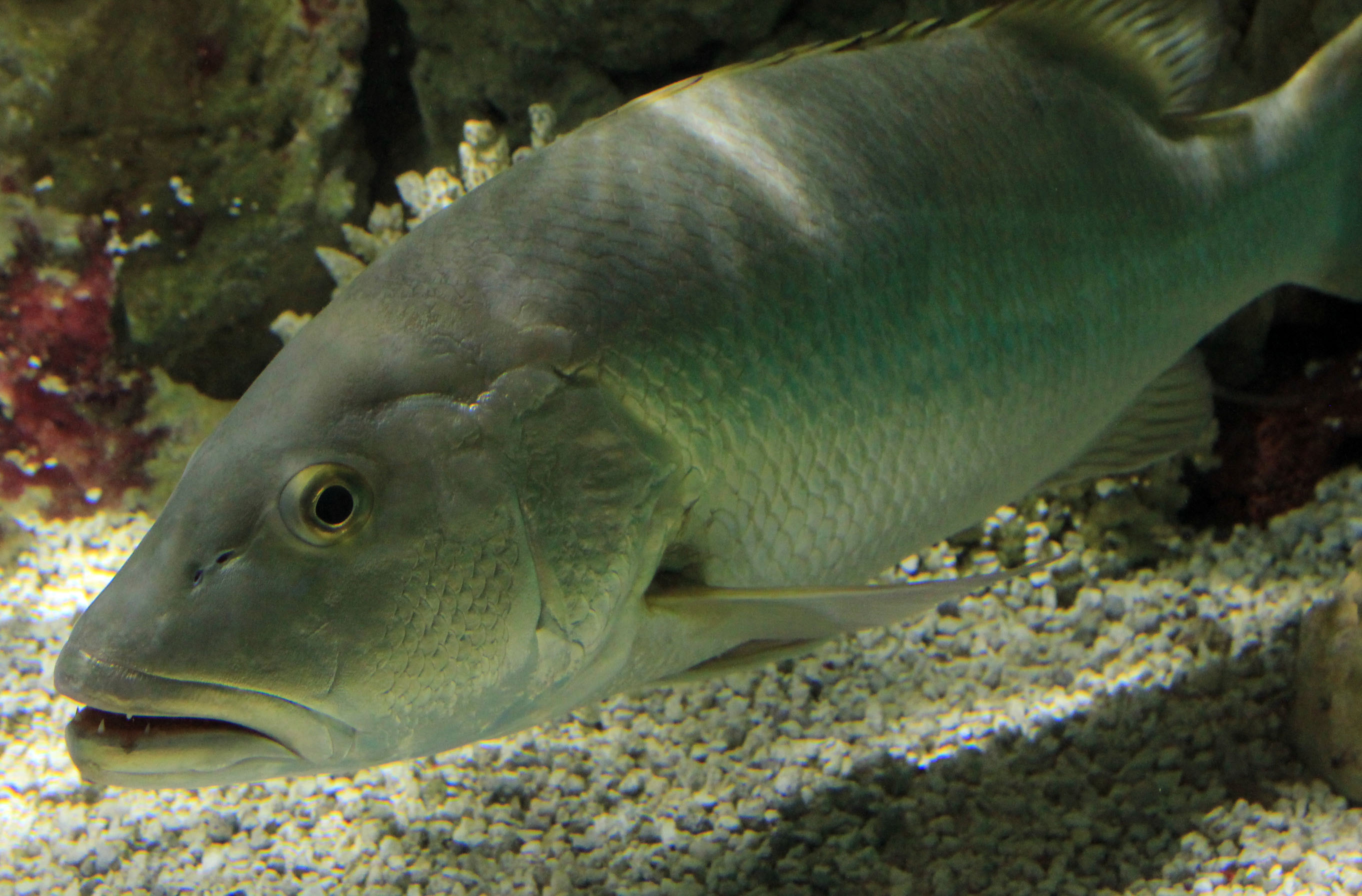

The cubera snapper (Lutjanus cyanopterus) is the undisputed heavyweight of the Atlantic snappers, a massive, powerful, deep-bodied bruiser that can exceed 100 pounds and pulls like a runaway truck toward the reef. The largest snapper in the Atlantic, the cubera is a trophy target that tests heavy tackle and skilled anglers, haunting wrecks, ledges, reefs, and bridges from Florida through the Caribbean. Catching a big cubera is a genuine achievement: they're wary, powerful, structure-diving fighters that demand big baits, stout gear, and know-how. Prized for the challenge and the spectacle (and, at smaller sizes, the table), the cubera snapper is a bucket-list fish for serious reef and structure anglers. This guide covers how to catch them.
What Is a Cubera Snapper?
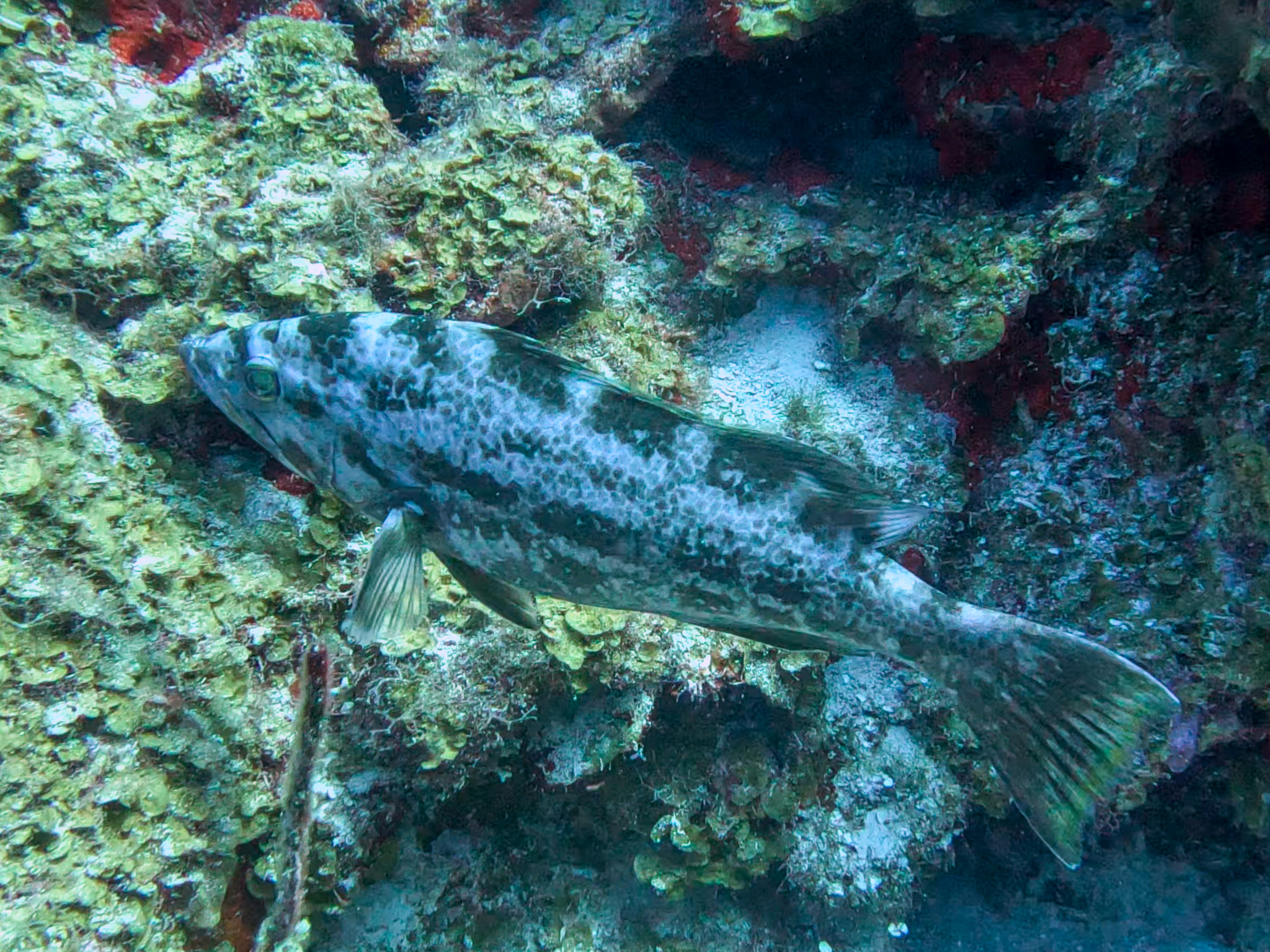
The cubera snapper is the largest member of the snapper family (Lutjanidae) in the Atlantic, dwarfing its cousins the red, mangrove, and mutton snappers. It has a massive, deep, robust body, a large broad head with thick lips, powerful jaws with prominent canine teeth (larger than a mangrove snapper's), and a color ranging from gray to dark brown, reddish, or nearly black, often with a purplish or coppery sheen. Cubera closely resemble giant mangrove (gray) snapper but grow far larger and have proportionally bigger teeth and a heavier build. They are big: while smaller cubera of a few pounds are caught, true cubera commonly run 20 to 60 pounds, with trophies exceeding 80, 100, and even 120-plus pounds, the world record is around 124 pounds.
For anglers, the defining traits are that cubera snapper are huge, powerful, wary, structure-oriented predators. They relate strongly to heavy structure, wrecks, reefs, ledges, rock piles, bridges, and deep holes, usually from moderate depths to a few hundred feet, where they ambush large prey: crabs, lobster, fish, and other sizeable food. When hooked, a big cubera makes a violent, powerful surge for the structure, and stopping that first run is the whole battle, they'll break you off in the reef in an instant if you let them. They're also wary and often nocturnal feeders. Big cubera famously form spawning aggregations in summer. Massive, immensely strong, structure-diving, and challenging, the cubera snapper is the ultimate snapper trophy and a true test of heavy tackle and angling skill.
Where and When to Catch Cubera Snapper
Cubera snapper are found in the western Atlantic from Florida (especially South Florida and the Keys) through the Gulf, the Caribbean, and down to Brazil. They're heavy-structure fish, so look for them around wrecks, reefs, ledges, rock piles, deep holes, and bridges and channels, big cubera often hold around major structure and deep bridge pilings, while smaller ones range shallower around reefs, mangroves, and inshore structure. They typically hold from moderate depths to a few hundred feet, relating tightly to the structure where they ambush prey. Finding big, isolated structure, wrecks, ledges, and bridge channels with strong current, is the key to finding trophy cubera.
The best fishing for big cubera is often in the warm months, especially summer, when they form spawning aggregations around structure (a famous but sensitive event), and at night, since cubera frequently feed after dark and big ones are notoriously wary in daylight. Night fishing around bridges, wrecks, and reefs, and targeting summer aggregations, are classic big-cubera tactics. Strong current (especially around bridges and channels) often triggers feeding. Smaller cubera can be caught more readily around inshore and reef structure through the warm season. Because they're wary and structure-bound, low light, night, moving current, and the summer aggregation period are prime. Time your efforts to night and summer for the biggest fish, fish major structure with current, and be ready for the wary giant's powerful strike.
Big Live Baits: Crabs, Lobster, and Fish
Giant Cubera Snapper TutorialThe classic and most effective way to catch big cubera snapper is with large live baits, these giants want a big meal.
Live Bait for Giant CuberaThe premier cubera baits are big live baits: whole live spiny lobster (a legendary cubera bait where legal), live crabs (blue crabs and others), and large live fish (like blue runners, pinfish, mullet, and other sizeable baitfish). A live lobster or a big crab fished near heavy structure is the go-to for trophy cubera, these baits match the large prey cubera hunt and are hard for a big fish to resist. Fish the bait on a stout rig near the structure (wreck, ledge, bridge, or reef), with a strong leader (cubera have powerful teeth and jaws) and enough weight to hold in the current. Because cubera are wary, a natural presentation and a big, lively bait matter. When a cubera eats, it typically inhales the bait and immediately powers for the structure, so you must be ready to turn the fish instantly. Big live baits on heavy tackle near major structure are how most trophy cubera are caught, and matching the giant's appetite for large prey is the key.
Heavy Tackle and Stopping the Run
Catching a big cubera is fundamentally about heavy tackle and stopping that first, violent run toward the structure, this is where most cubera are lost.
Battling a Giant Cubera SnapperWhen a big cubera eats near structure, it makes an immediate, powerful surge back into the wreck, reef, ledge, or bridge, and if you can't stop it, it cuts you off instantly. So you need very heavy tackle: a stout, powerful rod, a strong reel with a locked-down, high-quality drag, heavy braided line, and a heavy leader (cubera have big teeth and the structure is abrasive). The technique is to fish with a tight drag and be ready to apply maximum pressure the instant the fish eats, cranking hard and using the rod's backbone to turn the fish's head and pull it away from the structure before it can dive in. There's no finesse in the initial fight, it's a brute-force battle to gain the upper hand in the first few seconds. Once you've turned a big cubera and pulled it away from the structure, you can work it up, but that first run decides most cubera fights. Come with tackle that's genuinely up to the task (heavier than you might think), fish a tight drag, stay alert, and be ready to lock up and pull the instant a cubera eats. Undergunned anglers lose big cubera to the reef constantly.
Night Fishing and Bridges
Night fishing, especially around bridges and structure with current, is one of the most productive and accessible ways to target cubera snapper.
Cubera Snapper Bridge Fishing at NightCubera, especially big wary ones, feed heavily after dark, and bridges (with their deep pilings, channels, current, and abundant bait) are classic cubera spots. Fishing at night around bridge structure, channels, and shadow lines, with big live baits like crabs, lobster, or live fish presented near the pilings and structure on heavy tackle, accounts for many cubera, including big ones, and is accessible from bridges, piers, and boats. The current around bridges concentrates bait and triggers cubera to feed, and the darkness makes the wary giants less cautious. The same principles apply: heavy tackle, big baits, a tight drag, and readiness to stop the run into the pilings (bridge structure is especially unforgiving). Wrecks and reefs also fish well at night. Night fishing around structure with current is prime cubera time, it's when these wary giants let their guard down and feed, giving anglers their best shot at a trophy, so plan to fish after dark and around major structure for the best cubera action.
Identifying the Cubera Snapper
Cubera snapper are most often confused with the mangrove (gray) snapper, which they closely resemble, so identification matters, especially for regulations.
Cubera vs Mangrove Snapper IDThe clinching differences between cubera and mangrove (gray) snapper are size, teeth, and a few anatomical details. The cubera is by far the larger fish, a snapper over about 15 to 20 pounds is almost certainly a cubera, as mangrove snapper rarely exceed that. Cubera have large, prominent canine teeth (noticeably bigger than a mangrove's) and a more massive, broad head and body. A key technical difference is the vomerine tooth patch on the roof of the mouth: it's crescent- or chevron-shaped without a rearward extension in cubera, versus an anchor- or triangle-shaped patch with a backward extension in mangrove snapper. Cubera color ranges from gray to dark brown, reddish, or nearly black, often with a purplish sheen. Because small cubera and large mangrove snapper overlap in size and look very similar, checking teeth and the vomerine patch helps, and correct ID matters because cubera have specific (and often protective) regulations, including limits aimed at the big spawning fish. When you land a huge, heavy, big-toothed gray-to-dark snapper from heavy structure, you've got a cubera.
Understanding Cubera Snapper Behavior
Everything about catching cubera flows from the fact that they're huge, powerful, wary, structure-oriented ambush predators. They relate tightly to heavy structure, wrecks, reefs, ledges, rock piles, bridges, and deep holes, where they ambush large prey like crabs, lobster, and fish, which is why big live baits fished near structure work and why matching their appetite for large prey is key. When hooked, they surge violently for the structure, so heavy tackle and stopping that first run are the whole game. They're wary, especially big ones, and feed heavily at night and in low light, so night fishing and moving current are prime. And they form summer spawning aggregations, which are productive but sensitive and important to the population.
Location is about heavy structure and current: find wrecks, ledges, reefs, rock piles, and bridge channels, especially with current, and fish big live baits on heavy tackle near the structure, ideally at night or during summer aggregations for the biggest fish. Be ready to lock the drag and stop the run instantly. Cubera are a trophy pursuit, you may fish hard for a shot at a giant, so target the right structure at the right time, bring gear that's truly up to the task, and be prepared for a brutal, short, decisive fight. Land a big cubera, and you've bested the largest and most powerful snapper in the Atlantic, a genuine reef trophy.
Conservation and Handling
Cubera snapper, especially the big ones, are a conservation priority. Because they grow slowly, live long, and form predictable spawning aggregations that are vulnerable to overharvest, big cubera populations can be quickly depleted, and fisheries managers protect them with specific regulations, often a very small bag limit on large fish (for example, allowing only one large cubera per harvester per day in some areas, with the rest to be released) plus size rules. Know and strictly follow the current regulations where you fish, and take special care with the large, old spawning fish that are so important to the population.
For these reasons, catch and release of big cubera is strongly encouraged, and many anglers release trophy fish, keeping only smaller "eating-size" cubera where legal. Handle big cubera carefully for release: minimize fight and air time (they fight hard, so a quick, decisive battle helps), support the fish's weight horizontally, avoid hanging big fish vertically, and if the fish came from depth, use a descending device to address barotrauma and return it to depth. Watch the powerful jaws and big teeth when handling. Given their vulnerability, protecting spawning aggregations (some anglers avoid targeting them, or release all fish from them), following the strict bag limits, and releasing big breeders are the responsible path. If you keep a legal, smaller cubera for the table, dispatch and ice it promptly. Always confirm and follow current cubera regulations, which are protective and important.
Cleaning and Eating Cubera Snapper
Smaller cubera snapper are good eating, like other snappers, they have white, firm, mild flesh, and eating-size cubera (kept where legal) are a fine table fish. However, there's an important caveat with big cubera: large cubera snapper (like many big reef predators) can carry a risk of ciguatera poisoning in certain regions, so in many areas anglers avoid eating the largest fish for both conservation and food-safety reasons.
Cleaning and Filleting Cubera SnapperFor eating-size cubera that are legal to keep and from areas without ciguatera concerns, clean them by filleting, yielding firm white fillets; remove the skin for the best result. The mild, firm flesh takes well to grilling, baking, frying, blackening, and pan-searing, like other snappers. As always, ice your catch promptly for the best quality and cook it fresh. But given both the conservation importance of big cubera and the ciguatera risk in large reef fish in some regions, the prevailing ethic is to release the big ones and keep only smaller, legal fish for the table where it's safe and permitted. Know your local ciguatera situation and regulations, err on the side of caution and conservation with large fish, and if you do keep a legal eating-size cubera from safe water, enjoy the fine white flesh. For most anglers, though, the big cubera is a trophy to photograph and release, not a fish for the table.
Bringing It All Together
The cubera snapper is the giant of the Atlantic snappers, a massive, immensely powerful, wary reef bruiser that can top 100 pounds and will smoke you into the structure in seconds if you're not ready. Target them around heavy structure (wrecks, ledges, reefs, and bridges), especially at night and around summer aggregations, with big live baits like lobster, crabs, and live fish, and come with genuinely heavy tackle and a locked-down drag, because stopping that first violent run is the whole battle. Learn to tell them from big mangrove snapper (size, teeth, and the vomerine patch), strictly follow the protective regulations, and release the big spawning fish, both for conservation and, with large reef fish, food safety. Land a trophy cubera and you've conquered the largest and hardest-pulling snapper in the Atlantic, one of the ultimate achievements in reef and structure fishing.
For more powerful reef and structure species, see our guides to the mangrove snapper, the mutton snapper, and the goliath grouper.
Want to target trophy cubera snapper around the best wrecks, reefs, and bridges? Use Guidepole to map the ledges, wrecks, bridge channels, and boat-launch access near you, check the current and conditions before you go, and take on the giant of the Atlantic snappers.