Fish
Fish Fire
Fire Hike
Hike Bird
Bird

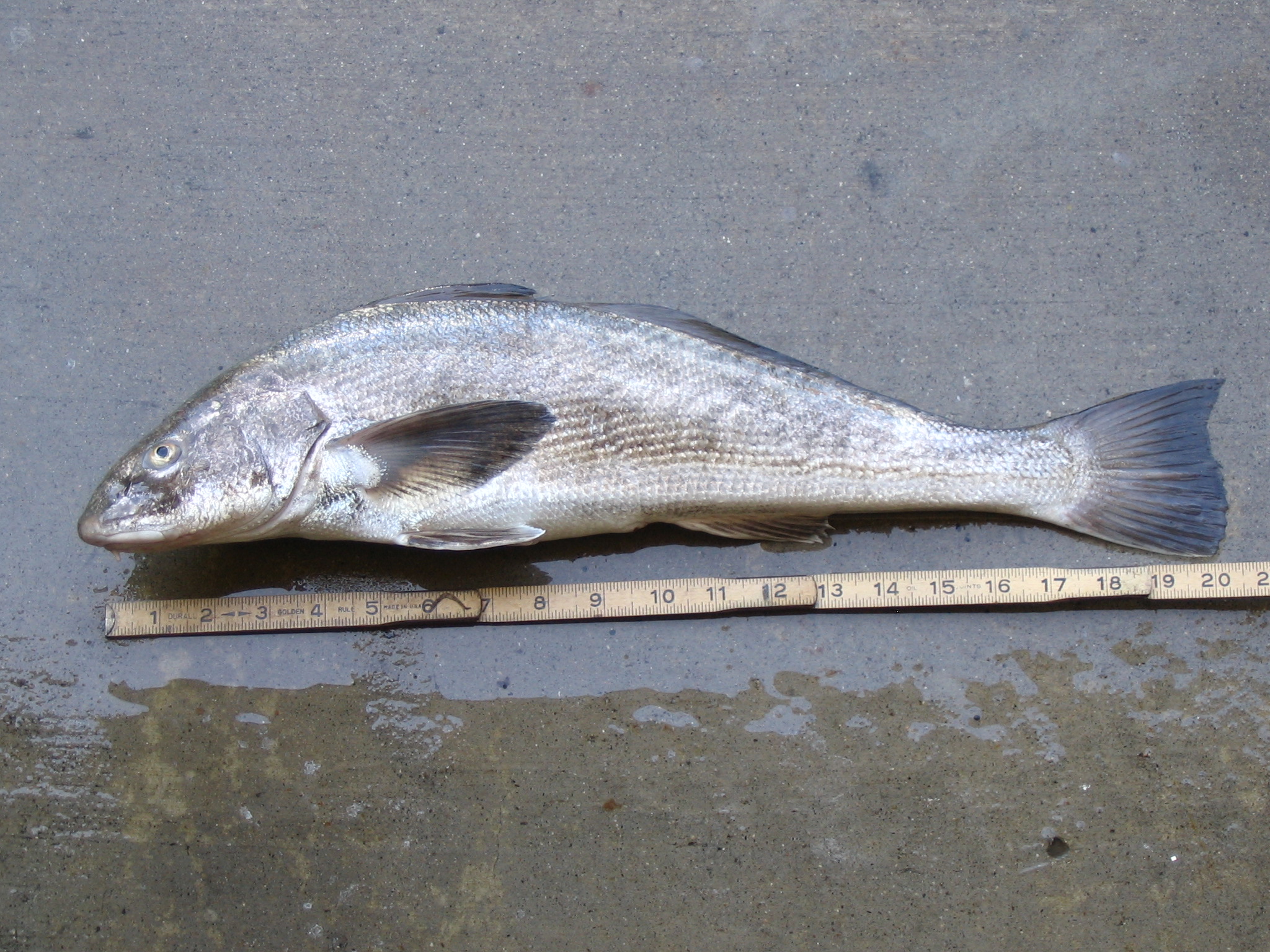

The California corbina is the crown jewel of Southern California surf fishing. A sleek, silvery member of the croaker family, the corbina cruises the skinny water right where the waves wash the sand, rooting for sand crabs with the single barbel under its chin. They're wary, spooky, and famously hard to fool, you can often watch one swim within feet of your rod tip and refuse everything you throw. That challenge, combined with a strong fight and beautiful surroundings, is exactly why corbina have a devoted following. Learn to read the wash, present a sand crab naturally, and stalk fish you can see, and you'll crack one of the most rewarding puzzles in beach fishing.
This guide covers everything: how to identify a corbina, where and when to find them, how to sight-fish the surf, the baits, lures, and rigs that produce, and how to land and handle this prized surf fish.
What is a California corbina?
The California corbina (Menticirrhus undulatus) is a member of the croaker family (Sciaenidae), related to white seabass and the various croakers. It has a long, slender, slightly rounded silvery body, grayish above, white below, sometimes with faint wavy bars, a small, distinctly downturned (subterminal) mouth, and a single short barbel on the chin that it uses to feel for buried prey in the sand. Most corbina run 1 to 3 pounds, with a good one going 4 to 6 and trophies pushing 7 to 8-plus pounds, and even a modest corbina fights well above its weight in the shallow surf where it's hooked.
Corbina are specialized sand-crab hunters. They cruise the shallow surf, often in just inches to a couple of feet of water, using that chin barbel and downturned mouth to root sand crabs (mole crabs) out of the wet sand as waves wash back and forth. They'll also eat clams, worms, and other small invertebrates, but sand crabs are the heart of their diet, and the heart of catching them.
Interestingly, corbina rarely "bite" a lure or bait aggressively the way a bass does; they mouth and root at food on the bottom, which is why detecting the take and presenting bait naturally are the whole challenge.
This feeding behavior explains the corbina's reputation as a "puzzle" fish. Because they root through the sand for buried crabs rather than chasing prey, they inspect their food carefully and reject anything that feels or looks wrong, a bait pinned too tightly, a heavy sinker, a visible leader, or a crab hooked so it looks unnatural. Corbina also have relatively small mouths and soft takes, so even when one eats, you may feel nothing more than a subtle tap or a slight tightening of the line. Add their preference for skinny, clear water where they can see you coming, and you have a fish that demands stealth, finesse, and a natural presentation. That difficulty is precisely why serious surf anglers prize them: catching a corbina on purpose, especially a sight-fished one, is a real mark of skill.
How to Catch Corbina in the SurfWhere and when to find corbina
California corbina range from Point Conception down through Southern California and into Baja, living almost exclusively in the surf zone of sandy beaches, plus bays and estuaries. Focus on:
- Sandy beaches with sand-crab colonies, Corbina go where the sand crabs are. Beaches with healthy mole-crab beds in the wet sand are the places to fish.
- Troughs, cuts, and the inside edge of the wash, Corbina cruise the shallow trough right at the shoreline and the deeper pockets where waves stir up food. Watch for them in the skinny water.
- Warm months, Corbina are a warm-water species and bite best from late spring through fall, peaking in summer when they push right up into the wash to feed.
Timing the tide is important. Many corbina anglers favor a higher or incoming tide that lets fish move into the shallow feeding zone, and low-light periods (early morning, evening) when fish feed with less caution. On a calm, clear day you can often sight-fish them in the shallows.
Corbina Surf Fishing: How to Catch ThemSight-fishing the surf
The most exciting way to catch corbina, and one of the most exciting techniques in all of surf fishing, is sight-fishing. On calm days with clear water, you can spot corbina cruising the wash, their tails and backs sometimes breaking the surface as they root for crabs in inches of water.
The approach is like hunting: move slowly, stay low, and watch the receding wash for the silvery flash or dark shape of a feeding fish. When you spot one, lead it, cast your bait a few feet ahead of and slightly beyond the fish's path so it settles where the corbina is heading, then let the fish come to it. A corbina that swims up to a naturally presented sand crab will often tip down and root it up. Watch the fish and your line closely; the take is subtle. Sight-fishing rewards patience and stealth, and fooling a corbina you've stalked and watched eat is one of surf fishing's great thrills.
A few sight-fishing details make a big difference. Wear polarized sunglasses, they cut the surface glare and let you actually see fish in the wash, which is the whole game. Approach from an angle that keeps the sun at your back and your shadow off the water, since a shadow or sudden movement will send a corbina bolting. Look not just for the fish itself but for the signs of one feeding: a wake pushing through skinny water, a tail tipping up, or a puff of sand where a fish is rooting. When you cast to a sighted fish, resist the urge to drop the bait right on its head, which spooks it; place it ahead and let the fish find it. And once the bait is down, be patient, a corbina may circle back several times before committing. If a fish spooks, don't chase it; another will usually come cruising down the wash in a few minutes.
Sight Fishing for CorbinaBest bait: sand crabs
There is one bait that stands above all others for corbina: the sand crab (mole crab). It's their primary natural food, and a fresh sand crab presented naturally is the single most reliable way to hook one.
Gather sand crabs right at the beach you're fishing, look for the V-shaped ripples in the receding wash that mark a colony, then scoop and sift the wet sand. Soft-shell (molting) sand crabs are the premium bait, as corbina strongly prefer them; you can spot softies by their darker, softer shells. Hook a sand crab from the bottom up through the shell so the point exits near the top and the crab looks natural, or bury a small hook inside a soft crab. Keep your baits cool and damp to stay fresh.
How to Hook Sand Crabs for CorbinaWhere sand crabs aren't available, fresh mussel, marine worms (bloodworms), and small pieces of shrimp will also catch corbina, though nothing matches a soft-shell sand crab.
A few bait details separate corbina anglers who catch fish from those who don't. First, size your crab to the fish and the hook, corbina have small mouths, so a modest crab on a small hook out-fishes a giant crab on a big hook. Second, match the hatch on shell condition: when the local crabs are molting and soft, corbina key on softies hard, and a soft-shell crab will often get eaten when a hard one is refused. Third, present the crab so it drifts and tumbles naturally in the wash rather than anchored stiffly to the bottom; corbina are used to eating crabs that are being rolled around by the surf, so a bait that moves with the water looks alive and natural. Finally, keep your bait fresh and rotate it often, a washed-out, waterlogged crab loses its appeal quickly, and with a fish this picky, a fresh bait is worth the effort of re-hooking.
Lures: grubs and soft plastics
Corbina can be caught on artificials, and doing so is a rewarding challenge. Small soft-plastic grubs, sand-crab imitations, and scented plastics (like Gulp sand fleas and sandworms) on a light leadhead can fool a feeding corbina, especially when you can sight-fish and place the lure in a cruising fish's path. Work it slowly along the bottom in the wash, imitating a tumbling crab, and watch for the fish to tip down and take. Lure fishing lets you cover water and target sighted fish without gathering bait, and a corbina on a grub is a genuine accomplishment.
The keys to lure success on corbina are subtlety and patience. Rig a small grub on a light leadhead, just heavy enough to reach the fish and stay near the bottom in the surge, and work it with a slow, crawling retrieve punctuated by pauses, letting it tumble naturally with the wave wash. Natural, sand-crab colors tend to work best, and scented soft plastics add a real edge because they give the corbina a reason to hold the lure a moment longer. As with bait, the presentation to a sighted fish is everything: place the lure ahead of a cruising corbina, let it settle, and give a tiny twitch as the fish approaches to imitate a crab digging in. When it works, watching a corbina tip down and inhale a plastic you've cast to it is as satisfying as any strike in surf fishing.
Catching Corbina on a Plastic GrubRigs and how to fish them
Corbina are wary and feed in shallow, clear water, so keep your rig light and unobtrusive.
Carolina rig (light), A small sliding sinker (an egg or a bean/Carolina weight) above a swivel, then a length of fluorocarbon leader to a modest hook. This is the standard corbina rig: it lets the bait settle naturally on the bottom in the wash and lets a corbina root it up without feeling much resistance. Keep the sinker as light as conditions allow.
Fish-finder / sliding rig, Similar principle, letting line slide through the sinker so the fish feels little resistance when it picks up the bait.
Use a small, sharp hook (size 4 to 1 is typical), light fluorocarbon leader, and just enough weight to hold or cast in the surf. Keep a fairly tight line to feel the subtle take, and when you feel weight or the line moves off, sweep into the fish smoothly rather than yanking. Corbina fight hard for their size, making strong runs in the shallow water.
Line and leader choice matters more with corbina than with almost any surf fish because they feed in clear, shallow water and inspect their food. A light fluorocarbon leader, often lighter than you'd use for surfperch, is less visible and draws more takes; many corbina specialists drop to 8 to 12-pound fluorocarbon. Braided main line helps you feel the subtle take through the wash and gives a good hook-set at distance, but the near-invisible fluoro leader is what gets the wary fish to eat. Keep your terminal tackle minimal and streamlined; a bulky swivel, big bead, or heavy sinker sitting right next to the bait is exactly the kind of unnatural detail a corbina will notice and avoid. The lighter and cleaner you can fish while still holding bottom in the surf, the more corbina you'll fool.
Landing, handling, and eating
A hooked corbina puts up a spirited, dogged fight in the surf, using the current and shallow water. Keep steady pressure, let the fish tire, and time a wave to slide it up onto the sand. Handle it carefully if releasing, corbina are a beloved sport fish, and many anglers release them, especially the larger breeders.
For the table, corbina are good eating, mild, white, and flaky, though many California surf anglers treat them primarily as a catch-and-release sport fish out of respect for the fishery. If you do keep one, bleed and ice it promptly and check current regulations, as corbina have specific rules (for example, they generally may not be taken commercially and there are recreational limits). Note that corbina may not be taken by net from the surf in California, they're a hook-and-line sport fish.
How to Clean a Corbina (Croaker)Where to catch them
Southern California's sandy beaches are corbina country, from Santa Barbara and Ventura down through Los Angeles, Orange County, and San Diego, any beach with good sand-crab beds can hold corbina in the warm months. They're a shore fishery through and through, reachable by anyone willing to walk the sand, read the wash, and put in the time to learn a beach. Getting to know a stretch of sand, which sections hold fish and crabs, and how they shift with the tide, shortens the learning curve on this famously tricky fish, and dialing in the right beach at the right tide is often the difference between a blank session and a banner day. Scout a few beaches, note where the sand-crab beds are thickest, and let the conditions on a given morning tell you where to start.
If you're fishing the SoCal surf, keep building your skills with our guides on how to catch surfperch, how to catch california halibut, and how to catch white seabass.