Fish
Fish Fire
Fire Hike
Hike Bird
Bird

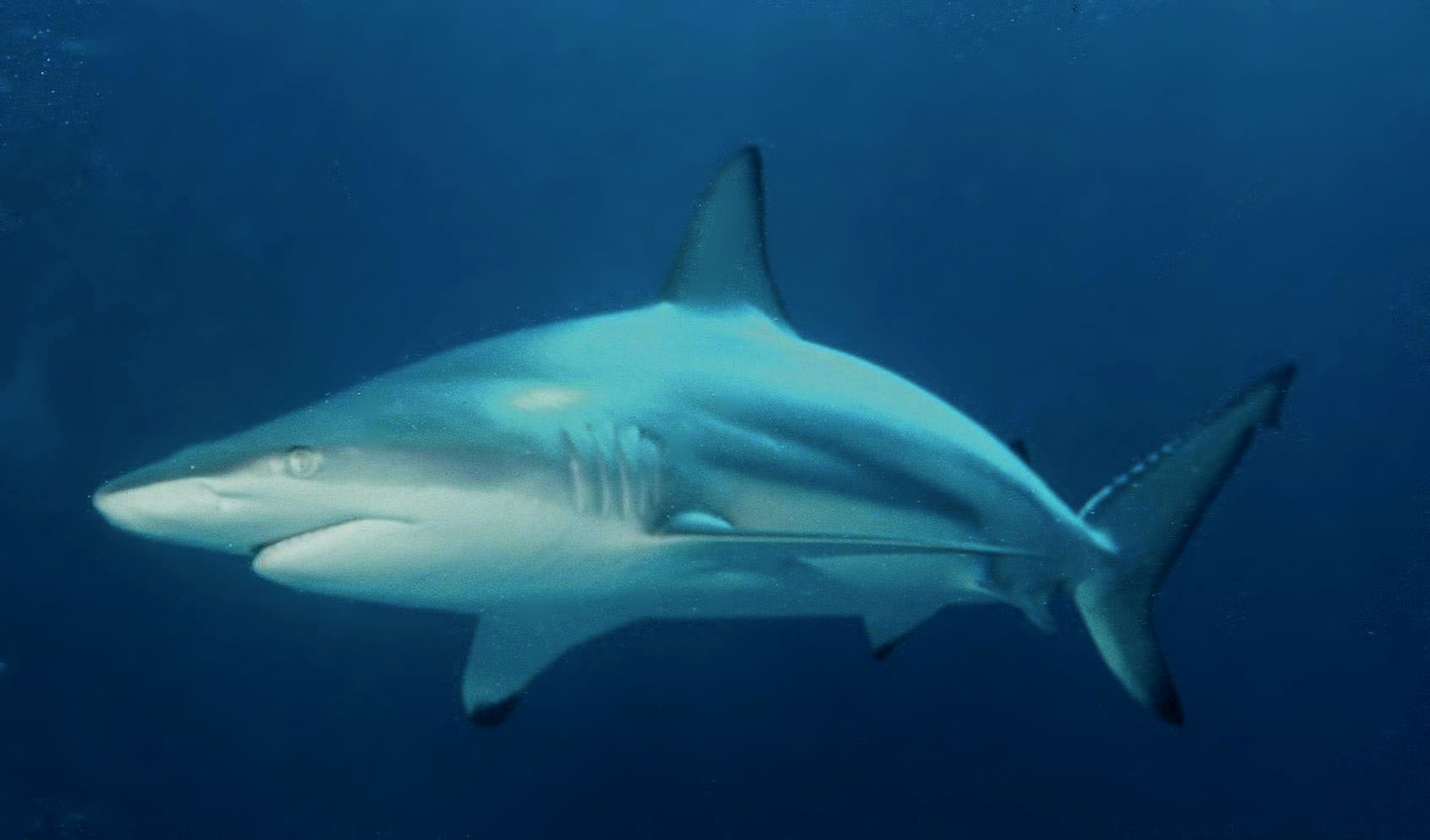

The blacktip shark (Carcharhinus limbatus) is one of the most exciting and accessible sharks an angler can target, a fast, sleek, hard-running predator famous for launching itself clear of the water in spinning, cartwheeling leaps when hooked. Found in warm coastal waters worldwide, blacktips patrol the surf zone, beaches, bays, inlets, and nearshore waters where anglers can reach them from the beach, from piers and jetties, and from boats. They are strong, acrobatic, and abundant, making them a favorite of surf sharkers and inshore anglers alike.
Named for the distinctive black tips on their fins, blacktip sharks are medium-sized as sharks go, commonly 4 to 5 feet and up to around 6 feet and 100-plus pounds, but they punch far above their weight on the end of a line. A hooked blacktip peels drag in searing runs and often goes airborne, spinning in the air in a display that few gamefish can match. That combination of accessibility and acrobatics is exactly why blacktip sharks are such a beloved target.
This guide covers where blacktip sharks live, how to identify them, the tackle and rigs that handle a powerful shark, the best baits and techniques from the surf and the boat, and how to fight, land, and safely release these fast inshore predators.
Understanding Blacktip Shark Behavior
Blacktip sharks are warm-water coastal predators. They cruise the surf zone, beaches, bays, estuaries, inlets, and nearshore waters, often in surprisingly shallow water, and they follow the bait. In many regions they make dramatic seasonal migrations, the famous winter blacktip migration along the southeast Florida coast, for example, brings huge numbers of sharks close to shore, sometimes visible in the waves right off the beach. Where the bait goes, the blacktips follow.
How to Catch Blacktip Sharks From the BeachThey are fast, active hunters that feed heavily on schooling fish, mullet, menhaden, sardines, herring, and other baitfish, as well as smaller sharks and rays. Their reliance on schooling baitfish is a key to catching them: find the bait, and you find the blacktips. They frequently feed near the surface and in the wash, chasing bait schools, which is part of why they are so often caught close to shore and why their strikes are so aggressive.
Blacktips are known for their speed and their spectacular jumping. When feeding or hooked, they can rocket out of the water and spin, an athletic display tied to their fast-twitch, high-energy hunting style. That same energy makes them a blistering fight on rod and reel, expect long, fast runs and aerial acrobatics rather than the slow, heavy slug-out of a big bottom shark.
Current, tide, and bait presence drive the fishing. Moving water that concentrates bait, low-light periods around dawn and dusk, and the presence of bait schools all increase your odds. A blacktip is an opportunistic, aggressive feeder, so a fresh, bloody bait in the right place at the right time rarely goes unnoticed.
Reading the water is a big part of surf sharking for blacktips. Learn to spot the signs that bait and sharks are present: diving birds working a bait school, mullet or menhaden flipping and showering, slicks of oil on the surface, or the sharks themselves finning and crashing bait in the wash. During the peak of a run, blacktips can be almost comically close to shore, and casting a bait just beyond the first bar or into a nearshore trough can be all it takes. When the bait is thick and the sharks are on it, the action can be nonstop; when the bait moves out, so do the sharks.
Water temperature is another driver. Blacktips are warm-water sharks, and their seasonal presence in any given area is tied closely to temperature, they push into an area as the water warms into their preferred range and vacate as it cools. Knowing the seasonal window when blacktips are in your local waters, and watching for the bait that draws them, lets you time your trips for when the sharks are actually around rather than fishing hopefully in the off-season.
How to Identify Blacktip Shark
Blacktip sharks are named for their markings, but a few features confirm the ID:
- Black-tipped fins. The pectoral fins, dorsal fins, and lower lobe of the tail have distinct black tips; the anal fin, notably, usually lacks a black tip (a key difference from the similar spinner shark).
- Sleek gray body. A streamlined, fast-looking gray to bronze-gray body with a white belly and often a pale band along the side.
- Pointed snout. A moderately long, pointed snout.
- No interdorsal ridge. Blacktips lack the ridge of skin between the dorsal fins that some other sharks have.
The blacktip is most easily confused with the spinner shark, which also leaps and spins and has black fin tips, but the spinner usually has a black-tipped anal fin, while the blacktip's anal fin is typically plain. Both are fantastic light-tackle sharks, and telling them apart comes down to that anal-fin tip and subtle differences in snout and size.
Best Tackle for Blacktip Shark
Blacktip sharks demand tackle stout enough to handle a fast, powerful fish and, crucially, a bite tippet that resists their sharp teeth.
Rod and reel: For surf and beach fishing, a heavy surf rod (10 to 12 feet) with a strong conventional or large spinning reel holding plenty of line for long runs. From a boat or pier, a stout conventional or heavy spinning setup. Blacktips make blistering runs, so line capacity and a smooth drag matter.
Line: Braid (or heavy mono) in the 30 to 80 pound range depending on the size of sharks and whether you are surf casting for distance or fishing from a boat.
Leader: A wire leader (or very heavy mono/fluorocarbon) is essential, a shark's teeth will slice through standard line instantly. A section of single-strand or cable wire, or heavy 200-plus-pound mono, ahead of a strong hook is the standard shark leader.
Hooks: Strong, sharp non-offset circle hooks are the best choice, they hook the shark in the corner of the jaw, which is far better for the shark's survival on release and reduces gut-hooking.
How to Make a Shark RigCircle hooks deserve emphasis. Because most blacktip sharks are released, and because gut-hooking a shark on a J-hook can be fatal, non-offset circle hooks are both more ethical and, in many places, required for shark fishing. Rig a wire bite leader to a circle hook and you have the core of an effective, responsible blacktip rig.
Bait and Rigs
Blacktip sharks are drawn to fresh, oily, bloody baits that match their baitfish diet. Fresh cut bait, chunks or halves of mullet, menhaden (bunker), bonito, mackerel, ladyfish, or other oily fish, is the classic and highly effective choice, pouring scent and blood into the water. A live baitfish, where legal and practical, is also deadly.
Why to Use Giant Cut BaitFish your bait on a fish-finder rig (a sliding sinker above the wire leader) from the surf, casting or kayaking baits out past the breakers, or drift and anchor with baits from a boat. Big baits pour out scent and also help select for larger sharks. A blacktip's aggressive nature means it will often find a well-placed bait quickly when sharks are in the area.
Blacktip Shark ChummingChumming is a powerful tool from a boat: a steady stream of chum draws sharks up-current to your baits and can turn a slow day into fast action, sometimes bringing blacktips right to the surface behind the boat. Combine a chum slick with fresh cut baits at various depths and you create exactly the scent trail a blacktip is built to follow.
From the surf, getting a bait out past the breakers is often the challenge. Anglers use several methods: a long, powerful surf rod to cast a bait as far as possible, a kayak or paddleboard to carry baits out beyond the bars, or even a bait-dropping drone where legal. Once the bait is out, a heavy sand spike holds the rod, the drag is set with enough tension to drive a circle hook but enough give to let a big shark run, and the wait begins. When a blacktip picks up the bait and starts to run, the circle hook does its work as the line comes tight, resist the urge to swing hard.
Positioning matters from the boat, too. Anchoring or drifting up-current of structure, a bait school, or a channel edge lets your chum and baits work down to where the sharks are hunting. Set baits at staggered distances and depths behind the boat to cover the water column and the length of the slick, and keep fresh, bloody bait going out so the scent trail never breaks. When blacktips move into a well-established slick, the action can come in fast, chaotic bursts with multiple hookups at once.
Fighting, Landing, and Releasing
When a blacktip eats, hold on, the fight is fast and spectacular. Expect long, drag-screaming runs and, often, one or more spinning leaps clear of the water. Let the circle hook do its job (a steady pull-up rather than a hard swing), keep steady pressure, and be prepared to let a running fish take line rather than horsing it. The acrobatic fight is the whole appeal, so enjoy it while keeping the fish under control.
How to Safely Catch and Release SharksLanding and releasing a shark demands care for both the shark and you. Most anglers release blacktip sharks, and doing it right matters. Keep the shark in the water as much as possible, do not drag a shark far up a dry beach or hoist it for long photos. Use long-handled dehooking tools and heavy gloves, keep clear of the mouth, and if the shark is deeply hooked, cut the leader close rather than digging for the hook. Support the shark, revive it by keeping water moving over its gills, and release it quickly. A blacktip handled well swims off strong to fight another day.
Always know and follow local shark regulations, which are often strict: many species are protected, size and bag limits apply, certain species must be released, and specific gear (like non-offset circle hooks and dehooking tools) is frequently required. Proper shark identification is essential, because it is easy to confuse protected species, and the rules differ sharply among them.
Safety is paramount when handling any shark. Even a tired blacktip is fast and powerful, with a mouthful of sharp teeth, and it can twist and snap unexpectedly. Never put your hands near the mouth, control the shark by the tail and body when necessary, and have your tools, long dehookers, cutters, and gloves, ready before you land the fish rather than fumbling for them with a shark thrashing at your feet. On a crowded beach, keep bystanders and especially children well back during landing and release. A calm, prepared approach protects both you and the shark and makes the whole process faster, which is better for the animal.
For anglers who practice catch-and-release shark fishing responsibly, the reward is repeated shots at one of the most exciting fish in the surf without harming the population. A quick photo with the shark kept in the wash, a clean release, and a healthy shark swimming off strong is the goal every time.
Eating Blacktip Shark
Where regulations allow harvest, blacktip shark is considered good eating, among the better-tasting sharks, with firm, mild, white flesh often compared favorably to other mild fish. The single most important step is to bleed the shark immediately and get it on ice fast, because sharks carry urea in their flesh that turns to ammonia if not handled promptly; a properly bled and iced blacktip is clean and mild, while a poorly handled one can taste strongly of ammonia. Soaking the fillets in milk or a brine before cooking further improves the flavor, and the firm meat grills, fries, and blackens well, holding together like few other fish. That said, given conservation concerns and strict regulations, many anglers release blacktips and target them purely for the sport, keeping a fish only occasionally and where clearly legal. Whatever you decide, knowing the local rules and handling the shark properly is the responsible foundation of any shark fishery.
Putting It All Together
The blacktip shark is one of the most thrilling and accessible sharks you can catch. Find the bait and the moving water along beaches, inlets, and nearshore; fish fresh, bloody cut baits on wire leaders and circle hooks from the surf or the boat; use chum to draw sharks to you; and hold on for blistering runs and spinning jumps when one eats. Handle and release these fast predators with care and respect the regulations, and the blacktip will reward you with some of the most exciting light-tackle action in saltwater.
Ready to put it into practice? Shorten the learning curve by timing the run, follow the water temperature and the bait through the season, scout the beaches, inlets, and nearshore access near you, and be there with a fresh, bloody bait past the bars when the sharks push in close.
For more on chasing sharks and big inshore fish, see our guides on how to catch bull shark, how to catch lemon shark, and how to catch redfish.