Fish
Fish Fire
Fire Hike
Hike Bird
Bird

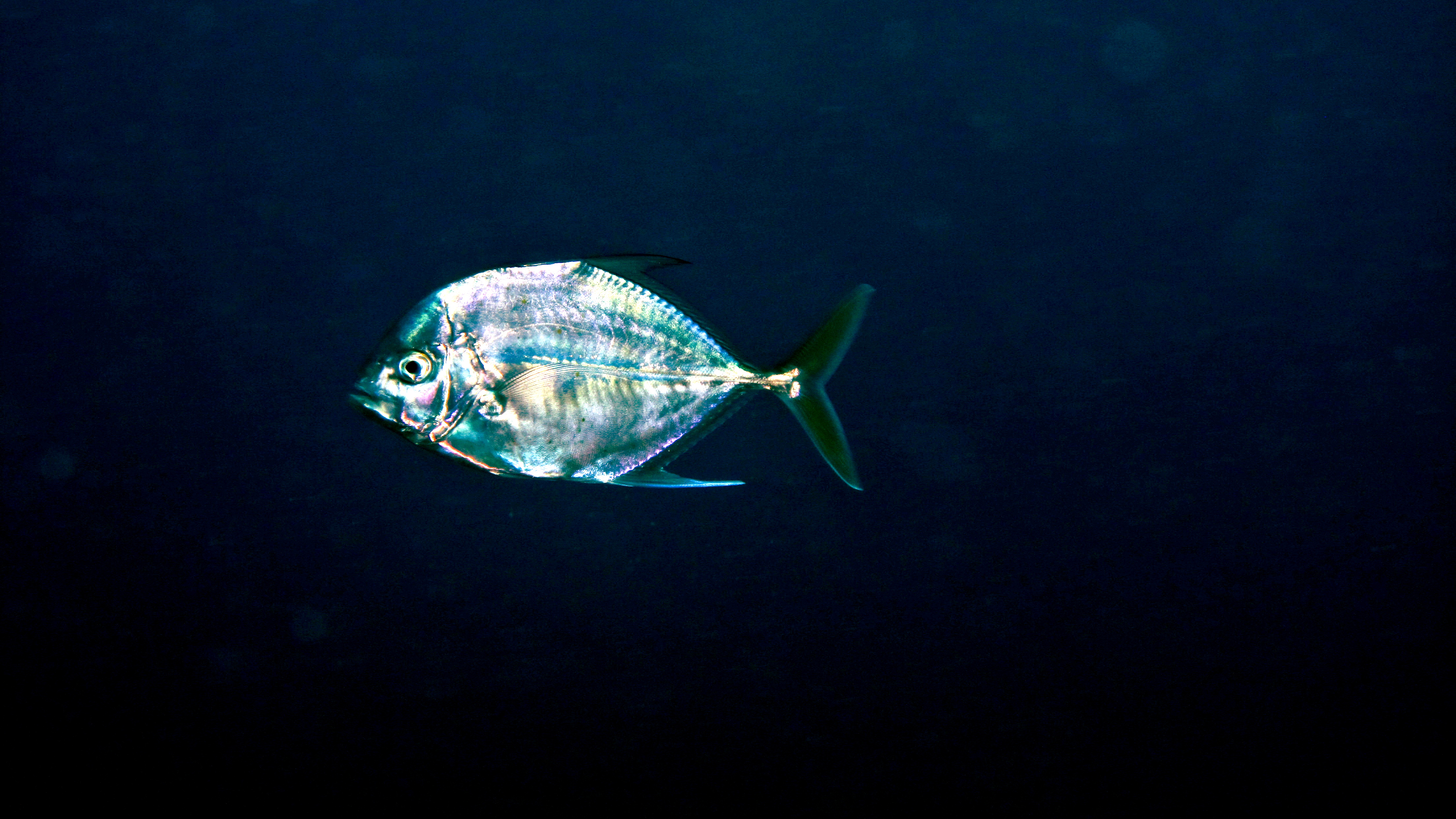

The African pompano (Alectis ciliaris) is one of the ocean's most striking and powerful jacks, a tall, deep-bodied, silvery bruiser that haunts wrecks, reefs, and hard-bottom structure in warm seas worldwide, and fights with the relentless, bulldogging power the jack family is famous for. Despite the name, it's not a true pompano but a member of the jack family (Carangidae), and hooking one on a wreck is a battle: African pompano use their broad, flat bodies to turn sideways and pull like a freight train. Prized by offshore anglers for both their fight and their excellent table quality, and dramatically beautiful, especially the trailing thread-like fins of juveniles, the African pompano is a top-tier reef and wreck target. This guide covers how to catch them.
What Is an African Pompano?
The African pompano is a large member of the jack family (Carangidae), found in warm waters around the world, including the tropical and subtropical Atlantic (Florida, the Gulf, the Caribbean) and Pacific. Adults have a very deep, strongly compressed, silvery body with a steep, blunt forehead, a small mouth, and a metallic sheen. Juveniles are famous for their long, trailing, thread-like filaments extending from the dorsal and anal fins (giving rise to the old name "threadfin" and "Cuban jack"), which shorten as the fish grows. Adults lose most of the threads and become deep, silvery, disk-shaped fish. African pompano are big and strong: they commonly run 5 to 20 pounds, with trophy fish exceeding 30 to 40 pounds and the largest topping 50 pounds.
For anglers, the defining traits are that African pompano are structure-oriented, hard-fighting jacks. They relate strongly to wrecks, reefs, ledges, and hard-bottom structure, usually in moderate depths (roughly 60 to 300-plus feet), where they feed on crabs, shrimp, small fish, and other prey near the bottom and in the water column around structure. They're powerful, dogged fighters that use their broad, flat bodies to great advantage, turning sideways and bulldogging toward structure, a hooked African pompano is a serious, arm-testing battle. They're most often caught by jigging and bottom-fishing bait around wrecks and reefs. Big, beautiful, strong, structure-loving, and excellent eating, the African pompano is a prized and challenging offshore gamefish.
Where and When to Catch African Pompano
African pompano are found in warm waters worldwide; in U.S. waters they're most targeted off South Florida, the Florida Keys, the Gulf of Mexico, and the southeastern Atlantic coast, as well as throughout the Caribbean and in the Pacific. They're structure fish, so the key is finding the right bottom: wrecks, artificial reefs, natural reefs and ledges, rock piles, and hard-bottom areas, typically in moderate depths from around 60 to 300-plus feet. They hold on and around this structure, often suspending in the water column above or near it, where they feed. Locating productive wrecks and reefs, with good electronics and knowledge of structure, is the single biggest key to targeting African pompano, since they relate so tightly to bottom structure.
The best fishing is generally in the warmer months and periods of warm, stable conditions, though in the tropical and subtropical parts of their range they can be caught much of the year; in South Florida, winter and spring are also prime for wreck fishing as the fish concentrate on structure. They feed around structure through the day, and many anglers favor periods of good current, which gets the fish active around wrecks and reefs. Because they're structure-oriented, timing matters less than location and conditions: find productive wrecks and reefs, fish them when current and weather allow good bottom presentations, and you'll have your shot. Calm, fishable offshore days with workable current over good structure are ideal for African pompano.
Slow-Pitch and Vertical Jigging
One of the most effective and exciting ways to catch African pompano is jigging, especially slow-pitch jigging, around wrecks and reefs.
Slow-Pitch Jigging for African PompanoSlow-pitch jigging has become a premier technique for African pompano: drop a slow-pitch or flat-fall jig to the bottom near a wreck or reef, then work it with the rhythmic lifts and flutters of the slow-pitch style, letting the jig flutter and fall enticingly through the strike zone. African pompano readily hit these fluttering jigs, and the take is often followed by a powerful, sustained run. Vertical (butterfly) jigging with heavier speed jigs also works, especially in current, worked from the bottom up through the water column around structure. Match jig weight to the depth and current so you can maintain contact and control near the structure. Use a stout jigging rod, a high-capacity reel, and braided line for the depth and power needed. Jigging is a fun, active, effective way to target African pompano and has grown hugely popular for these hard-fighting jacks, just be ready, because the strike leads to a bulldogging fight toward the structure.
Live and Dead Bait on the Bottom
The classic and highly effective way to catch African pompano is bait-fishing on the bottom around wrecks and reefs.
Wreck Fishing with Live BaitEffective baits include live baits (small live fish like pilchards, threadfins, goggle-eyes, and pinfish, plus live crabs and shrimp) and fresh dead baits (cut fish, squid, and whole small baitfish). Fish them on or near the bottom around the structure, using a suitable bottom rig, a knocker rig, fish-finder rig, or a jig head tipped with bait, with enough weight to hold in the current near the wreck or reef. Present the bait in the strike zone around the structure and be ready for a strong take. Crabs and shrimp are especially good, matching a big part of the African pompano's natural diet. Because these fish hold tight to structure and fight hard toward it, use stout tackle and be prepared to turn the fish quickly after the hookset to keep it away from the wreck. Bait-fishing the bottom around good structure, often while also targeting snapper and grouper, is a reliable and traditional way to catch African pompano.
Finding Wrecks, Reefs, and Structure
The single biggest key to catching African pompano is finding and fishing the right structure, since these jacks relate so tightly to wrecks and reefs.
Fishing Wrecks and ReefsAfrican pompano hold on and around wrecks, artificial reefs, natural reefs and ledges, rock piles, and hard bottom, typically in moderate depths (roughly 60 to 300-plus feet). Use quality electronics (sonar/fishfinder and GPS) to locate structure and to spot fish holding on or above it, and mark productive spots for return trips. Position your boat to present jigs or baits precisely to the structure and the fish, accounting for current and drift. Because African pompano often suspend in the water column above or near the structure, watch your electronics for fish marks and target the depth where they're holding. Fishing productive wrecks and reefs, often the same structure that holds snapper, grouper, and amberjack, with good boat positioning and precise presentations is what puts African pompano in the boat. Local knowledge of proven wrecks and reefs, or a good guide, dramatically shortens the learning curve for finding these structure-loving fish.
The African Pompano Fight and Tackle
African pompano are among the hardest-pulling fish for their size, so understanding the fight and matching your tackle to it is essential.
How to Catch African PompanoWhen an African pompano eats, it uses its broad, deep, flat body to turn sideways and pull with tremendous, sustained power, bulldogging toward the structure it lives on, a fight that can test both angler and gear. To handle this, use stout tackle: a strong jigging or bottom rod with plenty of backbone, a high-capacity reel with a smooth, strong drag, and heavy braided line with a suitable leader. After the hookset, work to turn the fish and gain line quickly to keep it away from the wreck or reef, where it can cut you off. Then settle in for a dogged, back-and-forth battle, using the rod and drag to wear the fish down. Landing a big African pompano is a genuine accomplishment and one of the reasons anglers prize them. Come prepared with tackle up to the task, keep steady pressure, and be ready for a fish that fights far above its weight.
Identifying the African Pompano
African pompano are distinctive, though juveniles and adults look quite different, and they can be confused with other jacks and with true pompano.
African Pompano Facts and IDAdults are deep, tall, strongly compressed, silvery fish with a steep, blunt forehead, a small mouth, and a metallic sheen, disk-shaped and unmistakable in profile. Juveniles are famous for the long, trailing, thread-like filaments extending from the dorsal and anal fins (hence "threadfin" and "Cuban jack"), which shorten and mostly disappear as the fish matures. Despite the name, the African pompano is not a true pompano (like the Florida pompano or permit) but a large jack in the family Carangidae; it's bigger, deeper-bodied, and more silvery than the true pompanos, and it lives around offshore structure rather than surf and flats. It can be told from other jacks by its very deep, compressed body, steep forehead, and (in juveniles) the trailing filaments. When you land a tall, silvery, disk-shaped jack with a steep forehead from a wreck or reef, or a smaller one trailing thread-like fins, you've got an African pompano.
Understanding African Pompano Behavior
Everything about catching African pompano flows from the fact that they're structure-oriented, hard-fighting jacks. They relate tightly to wrecks, reefs, ledges, and hard bottom in moderate depths, feeding on crabs, shrimp, small fish, and other prey around the structure and in the water column near it. This is why finding and fishing the right structure is the whole game, and why jigs and baits presented in the strike zone around wrecks and reefs work so well. They often suspend above or near the structure, so targeting the right depth matters. And they're extraordinarily powerful, using their broad flat bodies to bulldog toward structure, which is why stout tackle and quick, firm fighting are essential.
Location and structure are everything: find productive wrecks, reefs, and hard bottom (with good electronics), position the boat to present precisely, and fish jigs or baits in the strike zone when current and conditions allow. African pompano frequently share structure with snapper, grouper, and amberjack, so they're often a welcome bonus (or a target) on wreck and reef trips. Fish good structure, present well, and be ready for the powerful take and dogged fight, and these beautiful, hard-pulling jacks will reward you. Think of African pompano fishing as structure fishing first and foremost, locate the fish on the wreck or reef, and the rest follows.
Conservation and Handling
African pompano are a prized gamefish and food fish, and while they're not generally considered threatened, they benefit from responsible angling as with all offshore species. Because they relate so tightly to structure and are strong but can be vulnerable to overharvest on heavily-fished wrecks and reefs, thoughtful anglers keep only what they'll use and release the rest, especially larger fish. Follow all local regulations, which for African pompano commonly include minimum size limits and bag limits (for example, in Florida waters), and know the current rules where you fish, since they can change.
Handle African pompano carefully: they're powerful and have sharp gill plates and spines, so use a gaff or a secure grip appropriately and mind your hands. If releasing, especially fish brought up from depth, watch for and address barotrauma, use a descending device or venting tool as appropriate to help the fish return to depth and survive. Support and revive release fish, minimize air time, and return them promptly. If keeping fish for the table, dispatch and ice them quickly for the best quality. Practicing good catch-and-release for the fish you don't keep, following regulations, and respecting the structure-based fishery all help keep African pompano populations and their wreck-and-reef habitats healthy for the future.
Cleaning and Eating African Pompano
African pompano are excellent eating, despite not being a true pompano, they share fine table quality, with firm, white, mild-to-sweet flesh that's highly regarded and versatile. They're considered one of the better-eating jacks and a prized catch for the table.
Cleaning and Filleting African PompanoAfrican pompano are cleaned by filleting: because of their deep, flat body, they yield thick, boneless white fillets once the skin is removed. The firm, mild flesh takes well to almost any preparation, grilling, baking, pan-searing, broiling, frying, or serving as ceviche or in fish tacos. Because the fillets are firm, they hold together well on the grill and in various dishes. As with all fish, bleed and ice your catch promptly after landing for the best flavor and texture, and fillet it fresh. The mild, sweet, firm flesh of the African pompano makes it a genuinely excellent table fish and a rewarding catch to bring home. Keep what you'll use within regulations, prepare it fresh, and enjoy one of the finer-eating jacks in the sea.
Bringing It All Together
The African pompano is a spectacular offshore prize, a tall, silvery, powerful jack that haunts wrecks and reefs and fights with the relentless, bulldogging power that makes the jack family legendary. Find them on wrecks, reefs, ledges, and hard bottom in moderate depths, use good electronics to locate the structure and the fish, and target them with slow-pitch or vertical jigs or with live and dead baits presented in the strike zone. Come with stout tackle, because a hooked African pompano turns its broad body sideways and pulls like a freight train toward the structure. Learn to identify them (deep and silvery as adults, trailing threads as juveniles), handle and release fish responsibly, and enjoy both an arm-testing battle and some of the finest-eating fillets among the jacks. For structure-loving anglers who prize a real fight, the African pompano is a top-tier target.
For more hard-fighting offshore and structure species, see our guides to the greater amberjack, the almaco jack, and the permit.
Want to find the best wrecks and reefs for African pompano and other offshore bruisers? Put in the time with good electronics, mark and revisit productive structure, and take on one of the ocean's hardest-pulling jacks.