Fish
Fish Fire
Fire Hike
Hike Bird
Bird

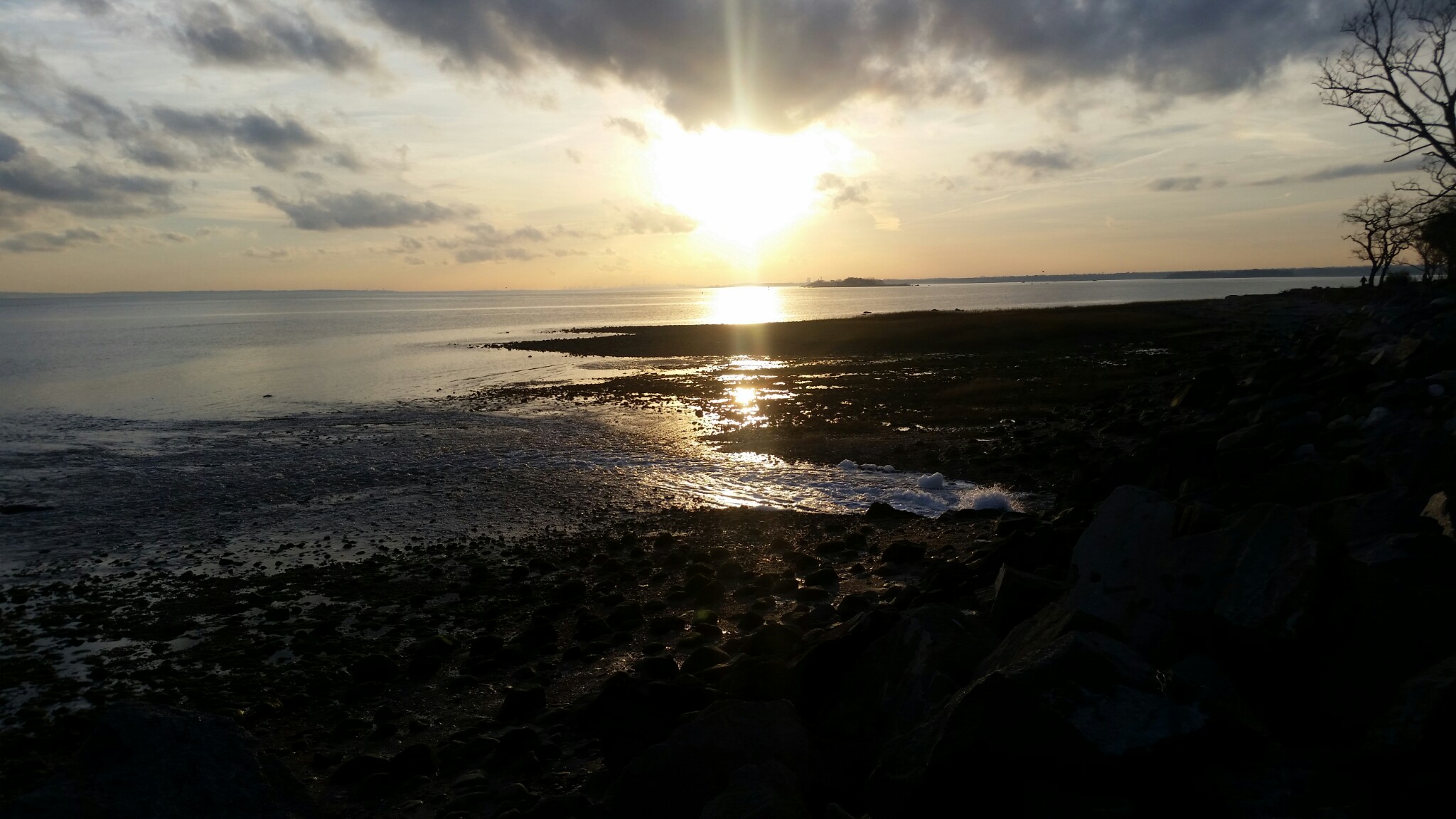

Long Island Sound is a great tidal estuary tucked between the Connecticut coast and the north shore of Long Island, roughly 110 miles of protected saltwater running from the East River at New York City to the open Atlantic between Orient Point and Fishers Island. It sits in the middle of the striped bass migration route, right in the backyard of tens of millions of people, and it serves up one of the richest mixed-bag fisheries on the East Coast: hard-charging stripers and bluefish, tasty fluke and porgies, hard-pulling blackfish and black sea bass, and, in fall, screaming false albacore. This whole-Sound guide walks through the species, the famous rips, the structure, and the seasons, and how to fish them from Connecticut to Long Island.
Striped Bass: The King of the Sound
The striped bass is the fish that defines Long Island Sound. Stripers pour into the Sound each spring as they migrate north, hold around its reefs and rips through the summer, and blitz bait on their way back out in the fall, and for many anglers the striper is the whole reason they own a boat or a surf rod. You can catch them almost every way there is: drifting live eels or bunker through the rips, trolling tube-and-worm rigs and umbrella rigs along the reefs, casting plugs and soft plastics to the rocks and blitzes, and jigging bucktails in the current. Big fish over forty and even fifty inches move through the Sound, especially in the eastern end. One important rule: when fishing bait for striped bass, non-offset inline circle hooks are required, which greatly improves survival of released fish.
Striped Bass Fishing TechniquesThe Rips: The Race and Plum Gut
At the eastern end of the Sound, where it meets the Atlantic, enormous tides funnel through narrow gaps between the islands and create some of the most famous striper water on the East Coast: The Race (between Fishers Island and Little Gull Island) and Plum Gut (between Orient Point and Plum Island). Here the current roars and stacks bait, and striped bass and bluefish gather in the roiling rips to feed. Anglers drift live eels, bounce heavy bucktails and parachute jigs, and troll through the turbulence, timing their drifts to the powerful tide. The rips are big, fast, and demanding water, but they concentrate the Sound's biggest fish, and a drift through The Race on a moving tide is a bucket-list experience for any striper fisherman.
Bluefish: Gators and Blitzes
Where there are stripers, there are usually bluefish, and the Sound grows plenty of big "gator" blues. From May through November, blues chase bait through the rips, the reefs, and the harbors, and when they corral a school of bunker to the surface, the resulting blitz is pure chaos: birds diving, water boiling, and every cast getting slammed. Blues hit trolled spoons, cast plugs, poppers, and metal, but their teeth are razors, so a short wire or heavy fluorocarbon leader is a must. Fast, aggressive, and hard-fighting, bluefish are the Sound's most reliable action and a perfect fish to get a first-timer bent over the rail.
Fluke (Summer Flounder): The Summer Staple
When the water warms, the Sound's sandy bottom comes alive with fluke, or summer flounder, a flatfish that is both a blast to catch and superb on the plate. Anglers drift the sandy flats, channel edges, and drop-offs, bouncing a bucktail tipped with a squid strip or a Gulp bait along the bottom, often with a teaser above it. Fluke are ambush predators that hammer a moving bait, and sorting through the "shorts" for a keeper "doormat" is a beloved summer ritual on both shores of the Sound. Drift speed and staying in contact with the bottom are everything.
Porgy and Black Sea Bass: The Bottom Bounty
For nonstop action and a full cooler, nothing beats the Sound's bottom fish. Porgy (scup) are abundant, scrappy panfish that swarm the reefs, rock piles, and mussel beds all summer, biting simple bottom rigs baited with clam or squid, they're the perfect fish for kids and beginners. Sharing that same structure are black sea bass, handsome, hard-fighting, and among the best eating in the sea, caught on jigs and bait over the reefs and wrecks. A day of porgy and sea bass fishing is easy, productive, and delicious, the meat-and-potatoes of Long Island Sound.
Blackfish (Tautog): The Rock Wrestlers
As the water cools in fall, the Sound's structure gives up its toughest customer: the tautog, or blackfish. These bulldogs live in the rocks, reefs, wrecks, and jetties, and they crush crabs with powerful jaws, so you fish for them with green crabs or Asian crabs on a stout rig or a tog jig, dropped right into the boulders, and set the hook fast before they drag you back into the snags. The blackfish grounds around Orient Point and Plum Island are legendary. Tog fishing is a spring and, especially, a fall game, and landing a big "white chin" out of the rocks is one of the most satisfying catches in the Northeast.
The Fall Run and False Albacore
If the Sound has a magic season, it's the fall run. As the water cools from September into November, everything feeds hard for the migration south, and the fishing reaches its peak, surf and boat blitzes of stripers and blues, and the arrival of the Northeast's most electric light-tackle target: the false albacore. "Albies," along with Atlantic bonito, blitz through the Sound and off the points in September and October, and their blistering runs on light spinning gear and the fly rod inspire an almost cult-like following. When the albies are in and the birds are working, it's the most exciting fishing of the year. It's why so many Sound anglers live for autumn.
Western Sound vs Eastern Sound
The Sound isn't uniform, and knowing its two ends helps you plan. The western Sound, closer to New York City, is warmer, a bit more turbid, and lined with harbors, river mouths, and rocky reefs; it tends to hold fish earlier in spring and later in fall, offers excellent porgy, sea bass, and fluke fishing, and gives shore and small-boat anglers plenty of protected water. The eastern Sound, out toward the Atlantic, is colder, cleaner, and dominated by the great tidal rips, The Race, Plum Gut, and the reefs around the islands, where the biggest striped bass and the fall false albacore concentrate. Neither end is better; they simply peak at different times and suit different fish, and a Sound angler learns to follow the season from one to the other.
Reading the Tide
More than almost anything, Long Island Sound fishing turns on the tide. The Sound breathes through its narrow eastern gaps, and that huge tidal exchange creates the current that positions every fish. Stripers, blues, fluke, and blackfish all set up on the down-current side of reefs, points, rock piles, and rips, waiting to ambush bait swept past them, and the bite typically fires on the moving water and slows at slack. In the rips, timing your drift to the strong flood or ebb is the whole game; over the reefs and along the beaches, an incoming or outgoing tide that pushes bait against structure is the window. Learn to fish the moving water, and to read a tide and current chart before you launch, and you'll out-fish anyone who just shows up at a convenient hour.
Fishing the Reefs, Wrecks, and Structure
Long Island Sound is a rocky, structure-rich estuary, and finding structure is finding fish. Its reefs, boulder fields, mussel beds, wrecks, and rock piles hold blackfish, black sea bass, and porgy, and give stripers and blues ambush points on a moving tide. The middle-ground reefs, the rocky points off both shores, and the humps that break the current all concentrate fish. Learn to read your chart and sounder for the rock and the depth changes, fish the structure on the tide, and you've cracked the code of the Sound. A good chartplotter that marks the reefs and wrecks is worth its weight anywhere on this water.
Bunker: The Bait That Drives It All
If there's one thing that dictates where the big fish are in Long Island Sound, it's bunker, Atlantic menhaden, the oily baitfish that stripers and bluefish gorge on. When you find a big school of bunker flipping on the surface, you've very likely found the predators beneath them. Savvy anglers snag a bunker with a weighted treble, then either live-line it back down on a light leader or let it swim under a float, and hang on, because a big bass or a gator blue will crush it. The presence of bunker often makes or breaks the striper fishing, so learn to spot the tell-tale flips, the nervous water, and the diving birds that mark a school. Follow the bait, and the Sound's biggest fish are rarely far away.
From Shore, Beach, and Jetty
You don't need a boat to fish the Sound. Both the Connecticut and Long Island shorelines are lined with public beaches, rocky points, breakwaters, and jetties that put surfcasters on striped bass and bluefish, especially during the spring and fall runs, and especially at dawn, dusk, and into the night. Shore anglers also catch fluke from the beaches and porgy and sea bass from the piers and jetties. Surfcasting the Sound with a plug bag and a pair of waders, working the rocks on a fall-run tide, is one of the great traditions of Northeast fishing, and it costs almost nothing to start.
When to Go
- Spring (April–June): Striped bass migrate into the Sound; fluke season opens; blackfish have a spring run; bluefish arrive.
- Summer (July–August): Prime fluke, porgy, and black sea bass on the reefs and flats; stripers and blues hold around the rips and reefs.
- Fall (September–November): The famous fall run, striper and bluefish blitzes, false albacore and bonito, and the best blackfish of the year. The season most anglers wait all year for.
- Winter: The Sound largely quiets down as fish migrate offshore and south; a few hardy anglers chase holdover stripers in the rivers and harbors.
Licenses and Regulations
Long Island Sound is shared by New York and Connecticut, and both require you to be registered or licensed for marine fishing, New York through its free Recreational Marine Fishing Registry, Connecticut through its marine-waters fishing license. You need the right credential for the state whose waters you fish. The Sound's fish are tightly and separately regulated: striped bass have strict slot limits and seasons and require inline circle hooks when bait fishing, and fluke, black sea bass, porgy, and blackfish all carry size limits, seasons, and bag limits that differ between the two states and change from year to year. Always check the current New York DEC and Connecticut DEEP regulations for your target and your waters before you keep a fish.
A Beginner's First Trip
The easiest, most rewarding introduction to the Sound is a party boat or a light-tackle charter for porgy and black sea bass in summer, you'll drop bait to the reefs and catch fish nearly nonstop, and come home with dinner. If you want excitement, aim for the fall run: get on a striper and bluefish blitz, or chase false albacore on light tackle, and you'll understand why Sound anglers love autumn. Surfcasters can start right from a public beach or jetty on a fall evening with a plug bag. Any of these gets you into fish and shows you a corner of one of the country's great urban fisheries.
Guides and Gear
A charter or party boat is the fastest way to learn the Sound's rips and reefs. For gear, a 7- to 8-foot medium-heavy conventional or spinning outfit covers stripers with live eels, bunker, bucktails, and plugs (add a wire leader for blues); a lighter spinning rod with a bucktail-and-teaser rig handles the fluke drift; a simple hi-lo bottom rig with clam or squid loads up porgy and sea bass; and a stout rod or tog jig with green crabs is the blackfish tool. For false albacore, a fast light spinning rod or an 8- or 9-weight fly rod with small metals and epoxy jigs is the ticket. Bring waders and a plug bag if you plan to surfcast, and tie your terminal tackle on with a knot you trust. And watch the tide, on the Sound, the moving water is what turns the fishing on.
How to Tie the Palomar KnotThe Sound rewards anglers who fish the tide and the structure. Drift The Race for a trophy striper, bounce a bucktail for a doormat fluke, drop crabs into the rocks for a blackfish, or chase albies through a fall blitz, check the New York and Connecticut rules, and fish one of the great mixed-bag estuaries on the East Coast, a world-class fishery sitting right in the backyard of millions of anglers.