Fish
Fish Fire
Fire Hike
Hike Bird
Bird

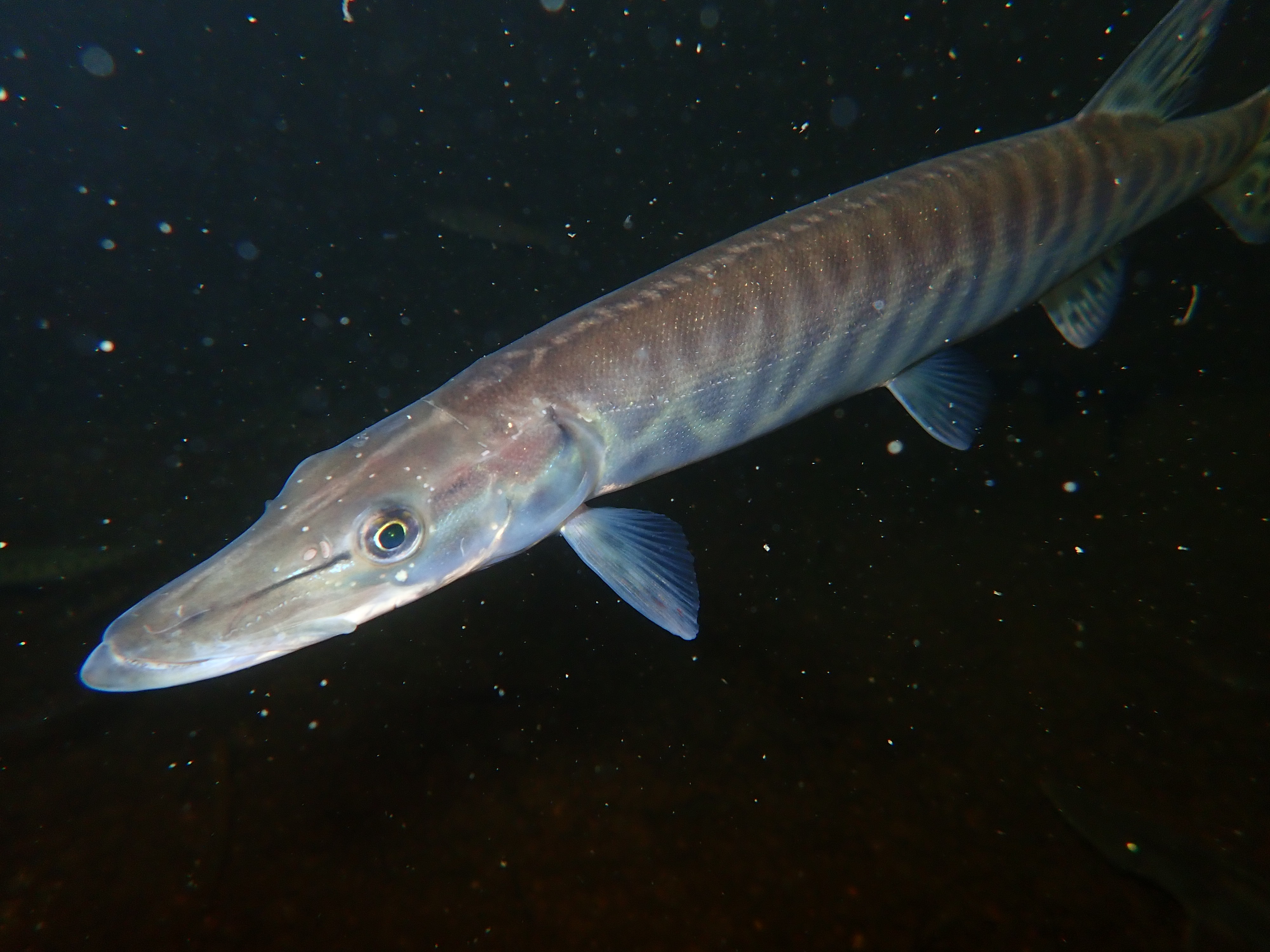

The tiger musky is one of freshwater fishing's most spectacular predators, a natural and hatchery-produced cross between a northern pike and a muskellunge that combines the best traits of both parents into a hard-fighting, fast-growing, boldly marked trophy fish. Named for the dark, tiger-like vertical bars that streak its golden-green flanks, the tiger musky (also spelled tiger muskie) is sterile, which turns out to be its greatest gift to anglers: because it puts no energy into reproduction, it grows faster than either parent species, is exceptionally hardy, and can be stocked into lakes and reservoirs to create instant apex-predator fisheries without the risk of an uncontrolled population explosion. State agencies from the Upper Midwest to the Mountain West and the Northeast stock tiger musky heavily, and the result is a thrilling gamefish that can top 30, 40, and even 50 inches, pulling like a freight train and striking with the kind of violence that has earned the whole musky family the nickname "the fish of 10,000 casts."
That reputation for difficulty is real but often overstated. Tiger musky are more aggressive and often easier to catch than pure muskellunge, inheriting the northern pike's willingness to strike, and while they demand big baits, heavy tackle, and patience, an angler who puts in the casts with the right approach can absolutely connect. This guide covers what a tiger musky is, where to find them, and the proven techniques, bucktails, glide baits and jerkbaits, topwater, the all-important figure-8, and live suckers, that put these magnificent hybrids in the net.
What Is a Tiger Musky?
A tiger musky is the hybrid offspring of a northern pike (Esox lucius) and a muskellunge (Esox masquinongy). The cross occurs naturally where the two species overlap and spawn at the same time, but the vast majority of tiger musky in North America are produced in hatcheries and stocked deliberately. Like many hybrids, the tiger musky is sterile, it cannot reproduce, and this sterility drives its two defining characteristics: extraordinarily fast growth (it channels all its energy into body size rather than eggs or milt) and a self-limiting population that gives fisheries managers total control over stocking density.
Identifying a tiger musky is usually straightforward, which is part of their appeal. They show bold, dark vertical bars or broken tiger-stripe markings over a light golden-green to olive background, a pattern more striking and higher-contrast than either parent. They inherit the rounded tail lobes of the northern pike (a true muskellunge has more pointed tail lobes), fully scaled cheeks and gill covers on the northern-pike side, and a robust, muscular body. Fin coloration tends toward the pike's orange-red hues. The overall impression is of a supercharged, more colorful pike, which, in a sense, is exactly what a tiger musky is.
Because they're stocked to be caught and grow fast, tiger musky reach impressive sizes quickly. Fish of 30 to 40 inches are the realistic target on most managed waters, and true giants beyond 45 inches, some pushing past the magical 50-inch mark and 30-plus pounds, swim in the best fisheries. Every one is a trophy.
Where to Find Tiger Musky
Tiger musky live in cool, clear lakes and reservoirs across the northern United States and into Canada, wherever agencies have stocked them: the Upper Midwest (Minnesota, Wisconsin, Michigan, Ohio, Pennsylvania), the Mountain West (Colorado, Utah, Montana, Idaho), the Northeast (New York, New England), and beyond. Because they're stocked rather than naturally reproducing, your first step is simple: check your state's stocking reports to learn which specific lakes and reservoirs hold tiger musky. Many outstanding fisheries are relatively small, overlooked waters that would surprise anglers who don't know they're there.
Once you're on a tiger-musky water, hunt them like the ambush predators they are. Look for:
- Weed edges and weed beds, the classic musky spot. Tiger musky lurk along the deep edge of green weeds, waiting to ambush baitfish, and the edges of cabbage and coontail beds are prime.
- Rock structure, points, humps, reefs, riprap, and rocky shorelines, especially those adjacent to deep water.
- Points and drop-offs, where shallow feeding flats meet deeper water, giving fish easy access to both.
- Sunken timber, brush, and wood, any cover that concentrates baitfish and gives an ambusher a place to hide.
- Bays and back ends in spring and fall, and main-lake structure and open-water basins where fish follow schools of ciscoes, suckers, and other forage.
As the water warms through the season, tiger musky often slide from shallow spring haunts to deeper summer structure and open water, then back shallow in fall. Following the forage, and the temperature, is the key to staying on fish.
Tiger Musky Techniques and How to Catch ThemBucktails and Inline Spinners
The bucktail is arguably the most productive and beginner-friendly musky lure ever made, and it's a perfect starting point for tiger musky. A big inline spinner with a flashing blade and a pulsing hair or synthetic tail, the bucktail lets you cover water fast, calls fish in with vibration and flash, and triggers the tiger musky's aggressive, pike-like strike instinct.
Tiger Musky Smashes a BucktailFish a bucktail on a fast, steady retrieve just under the surface or at mid-depth, keeping the blade thumping, you can feel it pulse through the rod. Bulge it just beneath the surface over weed tops, or let it run a little deeper along weed edges and over rock. Vary your speed until the fish tell you what they want; sometimes a screaming-fast burn triggers reaction strikes, other times a slower, deeper roll is the ticket. Big Colorado or French blades throw maximum vibration for stained water and low light, while smaller willow-leaf blades excel in clear water. Bucktails shine in warm water from late spring through fall, when tiger musky are most active, and they're the ideal search bait to locate fish before you slow down with other presentations.
Glide Baits and Jerkbaits
When tiger musky want a bigger, more lifelike meal, or when you need to trigger a following fish that won't commit to a bucktail, glide baits and jerkbaits are deadly. These large, minnow-shaped lures dart, glide, and dance with an erratic, wounded-baitfish action that big predators find impossible to resist.
Fishing the Ultimate Glide Bait for MuskyA glide bait is worked with a rhythmic sweep-and-pause of the rod tip, sending the lure gliding side to side in wide, seductive S-curves; the pauses, when the bait hangs and shimmers, are when most strikes come. Jerkbaits, both the diving/pulling type (like a Suick) and the gliding type, are ripped and jerked with sharp rod strokes to make them dive, dart, and rise erratically. Both demand a stout rod and constant attention, but they excel at drawing reaction strikes and are especially effective in cooler water and on fish that have grown wary of faster-moving baits. Watch closely as the lure approaches the boat, tiger musky frequently follow these baits right to the boatside, setting up the figure-8.
Topwater
Few things in freshwater fishing are as heart-stopping as a tiger musky demolishing a topwater lure. When conditions are right, warm water, low light, calm-to-moderate surface, big surface baits produce explosive, visual strikes that no angler ever forgets.
Pike and Muskie Crushing Topwater Whopper PloppersThe main topwater categories are prop baits and "plopper" style lures (with a rotating tail that churns a rhythmic plopping wake), walk-the-dog gliders (worked with a steady side-to-side rod cadence), and big buzzers and creepers that crawl a wake across the surface. Fish topwater over weed tops, along weed edges, and across shallow flats, especially early and late in the day and on warm summer and early-fall evenings. Keep a steady, hypnotic cadence, and, this is critical, do not set the hook when you see the blow-up. Wait until you feel the weight of the fish, or the strike will pull the bait away from a missed fish. The topwater bite is one of the most thrilling ways to catch a tiger musky.
The Figure-8: The Most Important Musky Skill
If you learn only one thing about musky fishing, learn the figure-8. Tiger musky (and their muskellunge parents) are notorious for following a lure all the way to the boat without striking, and the figure-8 is the technique that converts those followers into caught fish. It is not optional; a huge percentage of musky are boated on the figure-8, and skipping it means leaving fish in the water on nearly every trip.
Epic Boatside Tiger Musky Strike on the Figure-8Here's how it works: as every single cast reaches the boat, plunge your rod tip into the water and sweep the lure in a big, smooth figure-8 pattern beside and under the boat, wide turns, deep, and with speed changes. A following fish, seeing the lure "escape" and then turn, will often strike on the turns of the 8. Make the turns wide (a tight, cramped figure-8 gets far fewer bites), keep the lure moving fast and erratically, and be ready, the strike at boatside is sudden and violent, right at your feet. Even when you see no follower, do the figure-8 anyway; fish often trail a lure unseen in stained water or below the surface. Master the figure-8 and you'll catch tiger musky that other anglers never even know were there.
Live Suckers, Especially in Fall
As the water cools in autumn, tiger musky feed heavily to pack on weight for winter, and few presentations tempt a big, lethargic cold-water fish like a large live sucker. Fall is prime time for the biggest tiger musky of the year, and live-bait fishing with suckers is a time-honored trophy tactic.
Giant Fall Tiger Musky Eats a Live SuckerFish a big sucker (10 to 14 inches or larger) on a quick-strike rig, a two-hook harness designed so you can set the hook immediately without deep-hooking the fish, which is essential for a clean release. Suspend the sucker under a large float over weed edges, rock, and drop-offs, or fish it on a free line, and let its natural swimming action do the work. When a tiger musky takes the sucker, the quick-strike rig lets you set the hooks in the corner of the jaw right away. Live suckers are especially effective on tough, cold-front days and on pressured fish that have seen every artificial in the box, and they consistently produce the giants that fall fishing is famous for. (Check local regulations, some waters restrict live baitfish or require specific rigs.)
Tackle: Go Heavy
Tiger musky are big, powerful fish with a mouthful of teeth, and they demand heavy-duty tackle. This is no place for light gear:
- Rod: A stout 7'6" to 9' heavy or extra-heavy musky rod, with the backbone to cast heavy baits, work big lures, drive hooks through a bony jaw, and execute a proper figure-8.
- Reel: A large, rugged low-profile or round baitcasting reel with a strong drag and plenty of line capacity.
- Line: Heavy braided line, commonly 65 to 100+ pound test, for its strength, low stretch, and hook-setting power.
- Leader: A wire or heavy fluorocarbon leader is mandatory, a tiger musky's teeth will slice straight through unprotected line. Use a strong (100+ pound) fluorocarbon or a knotted/single-strand wire leader on every lure, every time.
- Tools: Long-nose pliers, a jaw spreader, a large cradle or oversized net, and hook cutters for safe unhooking and release. A big fish deserves quick, careful handling.
Undergunned tackle costs you fish and, worse, endangers the fish. Come prepared for the biggest tiger musky in the lake, because you never know when she'll strike.
Where the Tiger Musky Fits
The tiger musky is the middle child of a fascinating predator family, and knowing its parents makes you a better musky angler. Its mother or father, the muskellunge, is the legendary "fish of 10,000 casts" and the largest member of the pike family, prized for its size and difficulty. Its other parent, the northern pike, is the aggressive, widely distributed water wolf that gives the tiger musky its willingness to strike. The tiger musky blends the two, the muskellunge's size and mystique with the pike's aggression, into a sterile, fast-growing hybrid that many anglers consider the best of both worlds.
Catch and Release
Tiger musky are apex predators that grow slowly to trophy size and, being sterile, cannot replace themselves, every fish in the lake got there by stocking or is irreplaceable. For that reason, catch and release is the ethic of the musky world, and it's how great fisheries are sustained. Handle every fish with care: use heavy tackle so you can land fish quickly rather than fighting them to exhaustion, keep the fish in the water as much as possible, use a large cradle or net and proper tools, support the fish horizontally, minimize air time, and revive it fully before release. A trophy tiger musky released healthy can be caught again at an even larger size and thrill another angler for years.
Put It All Together
Catching a tiger musky comes down to putting in the casts with big baits on heavy tackle in the right places: burn bucktails along weed edges and over rock to find aggressive fish, work glide baits and jerkbaits for a bigger, triggering presentation, throw topwater over the weeds in warm low light for explosive strikes, and, as fall cools the water, soak a big live sucker on a quick-strike rig for the giants. Above all, finish every single cast with a wide, fast figure-8, because that boatside turn catches more tiger musky than anything else. Use a wire or heavy fluoro leader on every lure, come with a rod that has real backbone, and keep making casts, the "fish of 10,000 casts" reputation just means the payoff is that much sweeter.
Ready to tangle with a tiger? Start by pulling your state's stocking reports to find the lakes that hold them, learn the seasonal patterns cold, and work the bucktail-to-sucker progression through the year. Put in the casts with the right bait in the right place, and one of these fish of a lifetime will eventually meet you boatside.