Fish
Fish Fire
Fire Hike
Hike Bird
Bird

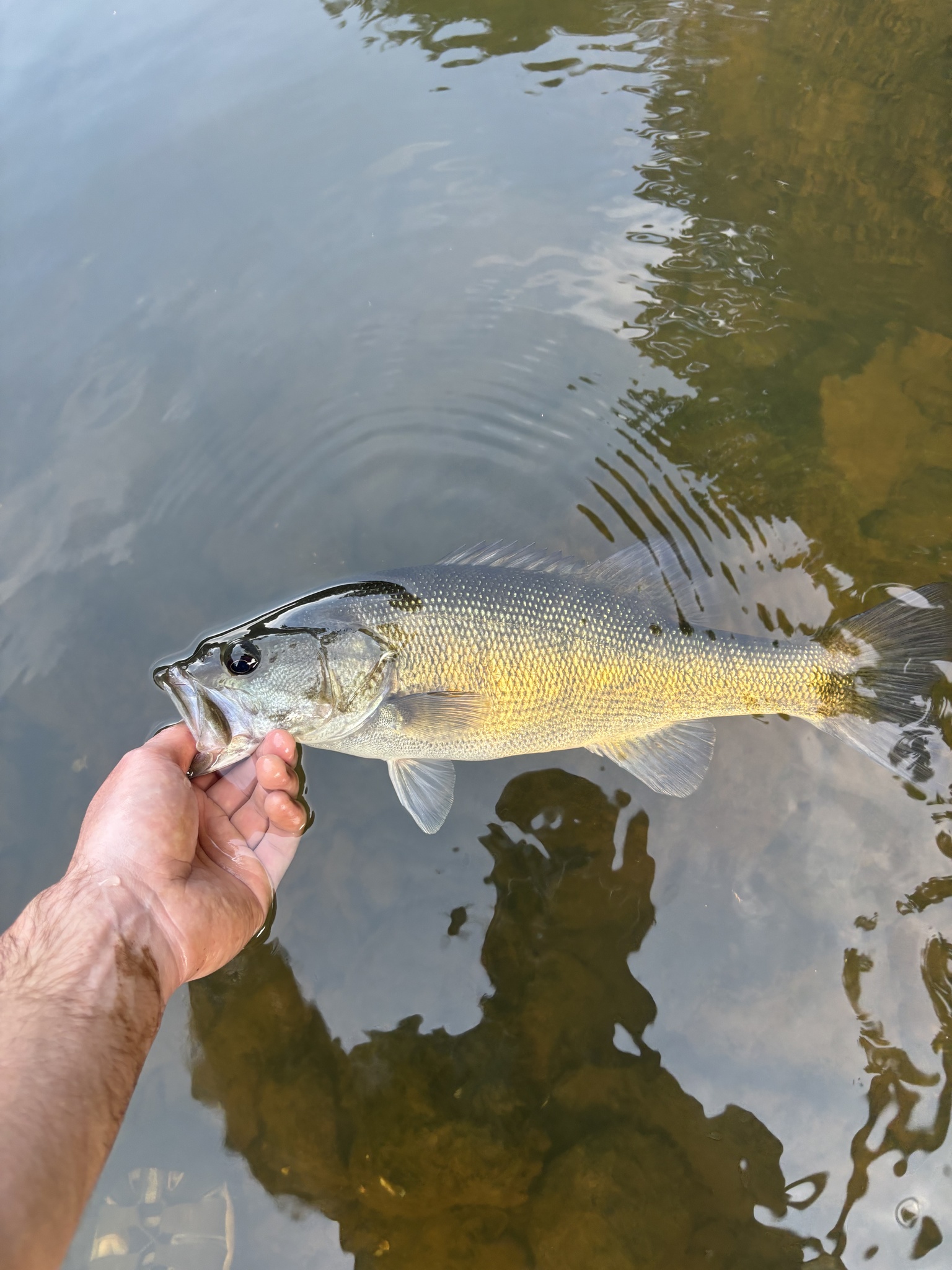

The shoal bass is one of the Deep South's best-kept fishing secrets, a powerful, current-loving black bass found only in a handful of river systems in Georgia, Alabama, and the Florida Panhandle. As its name suggests, this fish is a specialist of the shoals: the rocky rapids, riffles, and boulder-strewn runs of rivers like the Flint, the Chattahoochee, and the Apalachicola basin, where it holds in the fast, oxygen-rich water and ambushes prey swept past in the current. Hook one in heavy flow and you'll understand why anglers who chase them are so devoted: a shoal bass fights with a bulldog power that punches well above its weight, using the current to turn a two- or three-pounder into an arm-wrenching battle.
Shoal bass are a river fisherman's fish. They're not found in reservoirs and still water like a largemouth; they demand moving water and rocky habitat, which makes fishing for them an adventure, wading the shoals, drifting a kayak through the runs, and reading current the way a trout angler does. This guide covers where shoal bass live, the lures and flies that catch them, and the tactics that put these hard-charging river natives in your hands.
Understanding the Shoal Bass
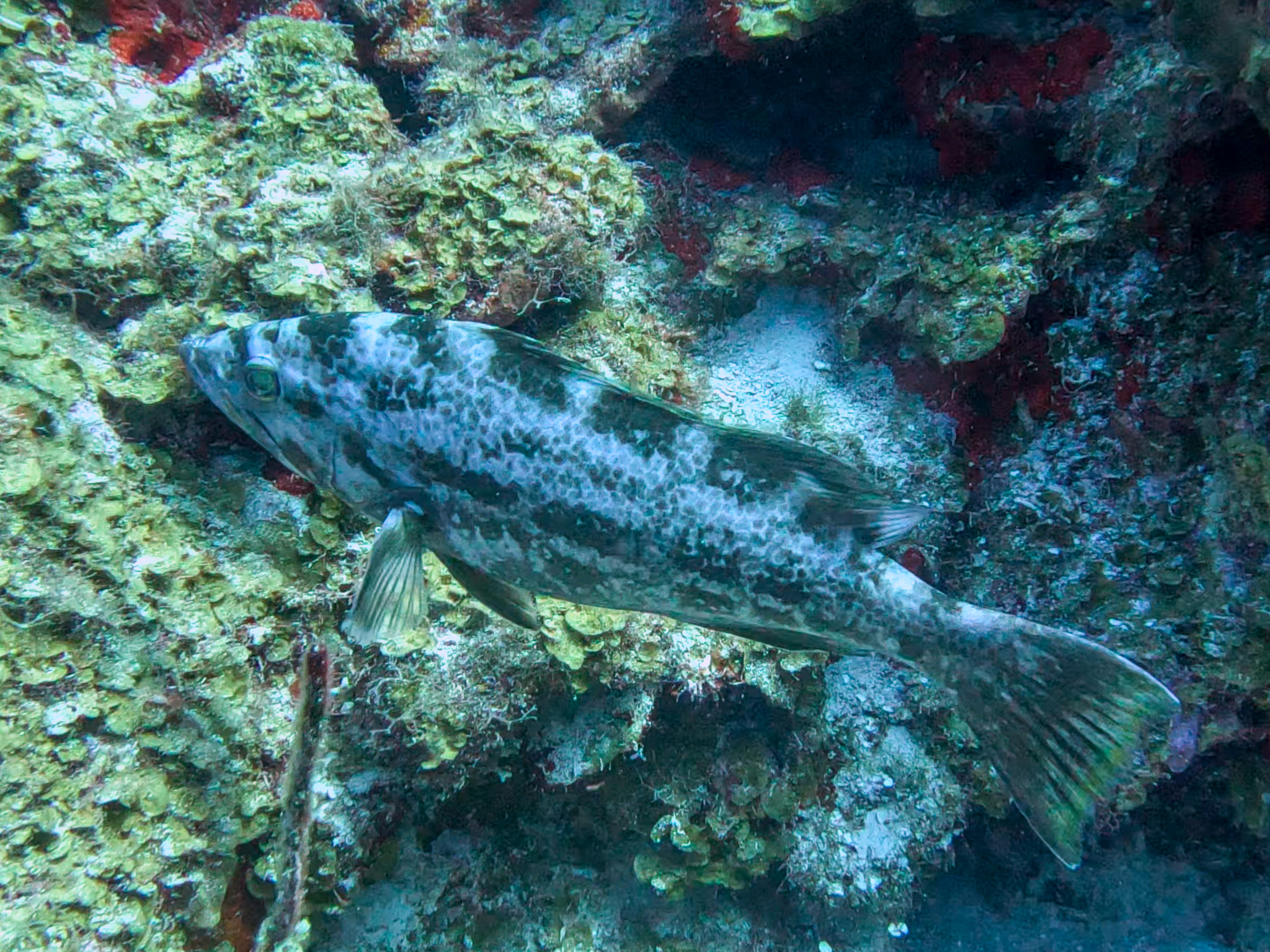
The shoal bass is a member of the black bass family, related to the smallmouth, spotted, and Guadalupe basses. It's a handsome fish, olive to bronze-green, often with a series of dark blotches or "tiger stripes" along the sides, dark spots forming rows below the lateral line, and distinctive dark markings radiating from the eye. It's built like a river fish: streamlined, muscular, and powerful. Shoal bass commonly run 1 to 3 pounds, with trophy fish topping 5 or even 6 pounds, big for a river bass, and a genuine prize.
What defines the shoal bass is its bond with current and rocky shoals. These fish live in and around the fast water, the shoals, rapids, riffles, chutes, and runs where rivers tumble over rock and gravel. They position behind current breaks, in the pockets and eddies around boulders and ledges, and at the heads and tails of shoals, waiting to ambush crayfish, baitfish, and insects. Where the water is fast and rocky, the shoal bass thrives; in the slow, muddy, sandy stretches, you won't find them. Find the shoals, and you've found the fish.
Shoal Bass: A Rare Native River BassFishing the Shoals: Reading the Water
Success with shoal bass starts with reading moving water. These fish relate to current the way trout do, so target:
- Current seams where fast water meets slower water, prime ambush lanes.
- Eddies and pockets behind boulders, ledges, and rock shelves, where fish rest out of the flow and dart out to feed.
- The heads and tails of shoals, where current funnels food to waiting fish.
- Chutes and slots between rocks where water accelerates and concentrates bait.
Cast up-current and let your lure or fly move naturally with the flow, keeping just enough contact to feel the strike. A shoal bass will crush a well-presented offering swept through its ambush zone, and the take in heavy current is jarring.
A Record Shoal Bass from the Flint RiverSoft Plastics and Crawfish Baits
Crayfish are a staple of the shoal bass diet, and soft-plastic craws, creature baits, tubes, and grubs are among the most reliable lures. Rigged on a light jighead, a Texas rig, or a shaky head, and worked through the rocky pockets, seams, and shoal edges, they imitate a crawfish or baitfish perfectly. Hop or drift the bait along the bottom and through the current, staying in contact with the rock where shoal bass feed. Natural crawfish, green-pumpkin, and baitfish colors are proven producers. This is a go-to approach for methodically picking apart a shoal. Pay attention to how the current carries your bait: shoal bass expect food to tumble and drift naturally with the flow, so a craw that sweeps convincingly through a seam or pocket will draw far more strikes than one dragged unnaturally against the current. Let the river do the work and stay ready for the subtle tick of a fish inhaling it in the flow.
Shoal Bass on Soft-Plastic Craw BaitsTopwater and Hard Baits
Shoal bass will readily blow up on topwater lures, and it's one of the most exciting ways to catch them. Poppers, walking baits, and prop baits worked over the shoals and along current seams, especially in low light, draw explosive strikes. Crankbaits and jerkbaits that imitate baitfish are also effective, cast across and swung through the current to trigger reaction bites. Because shoal bass are aggressive ambush feeders in current, a lure that appears to be fleeing or struggling in the flow is often too much for them to resist. Keep a topwater rod handy for the surface bite around the rocks.
Shoal Bass Fishing the ShoalsFly Fishing for Shoal Bass
The shoal bass has earned a devoted fly-fishing following, and its rocky river home is perfect for it. Anglers cast streamers, poppers, and crayfish and hellgrammite patterns to the current seams, pockets, and shoal edges, working them through the holding water much like fishing for smallmouth or trout. A 5- to 7-weight fly rod handles the fish and the wind, and the takes, a shoal bass smashing a streamer swung through fast water, are unforgettable. Fly fishing the shoals of a Southern river for these hard-pulling natives is a bucket-list experience for warmwater fly anglers.
Fly Fishing Streamers for Shoal BassKayak and Canoe: The Best Way to Cover Water
Because shoal bass live in rivers with limited road access, a kayak or canoe is the ideal way to fish for them. Paddling a river lets you drift from shoal to shoal, hop out to wade the best rocky runs, and reach remote, lightly pressured water far from any boat ramp. A float trip down a river like the Flint, hopping between shoals, casting to pockets and seams as you go, is the classic shoal bass adventure and often the most productive way to fish. A kayak also lets you position on current and work baits through the runs efficiently as you move downstream.
Kayak and Canoe River Trip for Shoal BassThe Fight: Why Shoal Bass Punch Above Their Weight
Anyone who's hooked a good shoal bass in current comes away impressed. These fish are built like little freight trains, thick, muscular, and powered by a life spent holding in fast water, and when they eat, they turn immediately and use the current against you. A three-pound shoal bass in a heavy chute can feel like a fish twice its size, throwing hard head-shakes and bulldogging runs that bury into the flow and the rocks. That current-fueled power, combined with the aggression of a black bass, is exactly what makes them such a beloved sport fish.
Landing them takes a firm hand. You have to turn the fish before it wraps you around a boulder or dives into a line-cutting ledge, which is why anglers fish stouter gear than the fish's modest size would suggest. Set the hook hard, keep steady pressure, and use the rod to steer the fish out of the worst rock and into softer water where you can work it to hand. The reward is a beautiful, hard-earned native bass, and a fight you'll remember long after you've released it.
The Rivers of the Deep South
Part of the appeal of shoal bass fishing is the water itself. These fish live in some of the most scenic rivers in the Southeast, and each has its own character. The Flint River in Georgia is perhaps the most famous shoal bass destination, a spring-influenced river with long stretches of shoals, limestone, and clear water that grows big fish. The Chattahoochee River and its tributaries hold shoal bass through Georgia and along the Alabama line, and the broader Apalachicola-Chattahoochee-Flint (ACF) basin, reaching into the Florida Panhandle, is the heart of the species' range. Other river systems in the region hold populations too, some established through stocking. Exploring these rocky, shoal-studded rivers, many flowing through beautiful and lightly developed country, is a big part of what makes chasing shoal bass so rewarding, it's as much a river adventure as a fishing trip.
Bank and Wading Access
While kayaks and canoes open up the most water, you don't always need a boat. Many shoals are reachable on foot from public access points, parks, bridges, and river crossings, and wading the rocky runs is a productive and enjoyable way to fish. Wading lets you approach quietly, position precisely on current seams, and thoroughly work a shoal that a boat would drift right past. The keys are good footwear with solid grip (shoal rock is slick), a cautious approach to fast and slippery water, and a stealthy profile, since these fish can be spooky in clear, low water. A bank or wading angler with a light rod, a box of craws and topwaters, and a willingness to explore can get right into excellent shoal bass fishing without ever launching a boat.
Tackle for Shoal Bass
Shoal bass demand tackle a notch stouter than you'd think for their size, because you're fighting a powerful fish in heavy current around rock. For spinning or baitcasting, a medium or medium-heavy rod with 8- to 15-pound line (braid or fluoro) gives you the backbone to pull fish out of the current and away from line-cutting rock. For fly fishing, a 5- to 7-weight outfit with a floating line and stout leader handles the fish and the flies. Rig soft-plastic craws and creatures on light jigheads, Texas rigs, and shaky heads; carry a few topwaters, crankbaits, and jerkbaits; and keep leaders abrasion-resistant, since shoal habitat is all sharp rock. Balance the gear so it's sporting but strong enough to control a bulldogging fish in fast water.
Timing and Conditions
- Spring and fall are prime, with comfortable water temperatures and aggressive, actively feeding fish. The prespawn and spawn periods in spring can be excellent.
- Summer fishing is very good, especially early and late in the day; shoal bass stay active in the oxygen-rich shoals through the heat, and wading a cool, rocky river on a hot Southern day is a pleasure. Fish the shade and faster water midday.
- Flow is everything. Healthy river flow keeps fish positioned predictably in the current and feeding hard. After heavy rain, rivers blow out and muddy, give them time to clear and drop. Very low flows concentrate fish in the remaining shoals and pools.
Match your trips to good flows and comfortable temperatures, prioritize low-light periods in summer, and you'll find shoal bass eager to eat.
Conservation: A Fish Worth Protecting
Like other range-restricted native black bass, the shoal bass faces conservation pressure, chiefly hybridization with introduced bass (such as Alabama and spotted bass stocked or spread into its rivers) and habitat loss from dams, sedimentation, and altered flows. Because shoal bass exist in only a limited set of river systems, protecting those rivers is essential to the species' future. As an angler, treat shoal bass as a catch-and-release sport fish, handle them gently and release them quickly (especially the big ones), support river and flow conservation, and never move fish between watersheds. Keeping the shoals healthy keeps this remarkable native fish swimming.
Common Shoal Bass Mistakes
- Fishing slow, sandy water. Shoal bass are current-and-rock specialists. Skip the frog water and target the shoals, rapids, and rocky runs.
- Too-light tackle. A shoal bass in heavy current around rock will break light gear. Use enough rod and abrasion-resistant line to control the fight.
- Unnatural presentations. A lure dragged against the current looks wrong. Cast up-current and let it move naturally with the flow.
- Poor wading safety. Rocky, fast shoals are slippery and swift. Wade carefully, wear good footwear, and respect the current.
- Fishing blown-out rivers. After heavy rain, wait for the water to clear and drop; muddy, raging flow shuts the bite down.
Put It All Together
Catching shoal bass comes down to going to the rock and the current: find the shoals, rapids, and rocky runs of the Deep South's rivers, and present a soft-plastic craw, a topwater, a crankbait, or a fly naturally through the current seams and pockets where these fish ambush their prey. Wade or paddle the beautiful rivers they call home, use tackle stout enough to control a powerful fish in fast water, fish the good flows and comfortable seasons, and release your catch to protect a rare native treasure. Do that, and you'll tangle with one of the hardest-fighting river bass in America.
The shoal bass is one of several current-loving black bass, and its cousins fish much the same way. The smallmouth bass is the famous river brawler of cooler climates, and the Guadalupe bass is a fellow range-restricted river native, the state fish of Texas. Learn the shoal bass and you've added one of the South's rarest and finest gamefish to your list.
Ready to feel a shoal bass pull in heavy current? Scout the shoals, the float-trip put-ins, and the public river access of the Deep South, check the flows before you go, and pick a stretch of fast, rocky water to explore, the hard-fighting native waiting there is worth the trip.