Fish
Fish Fire
Fire Hike
Hike Bird
Bird

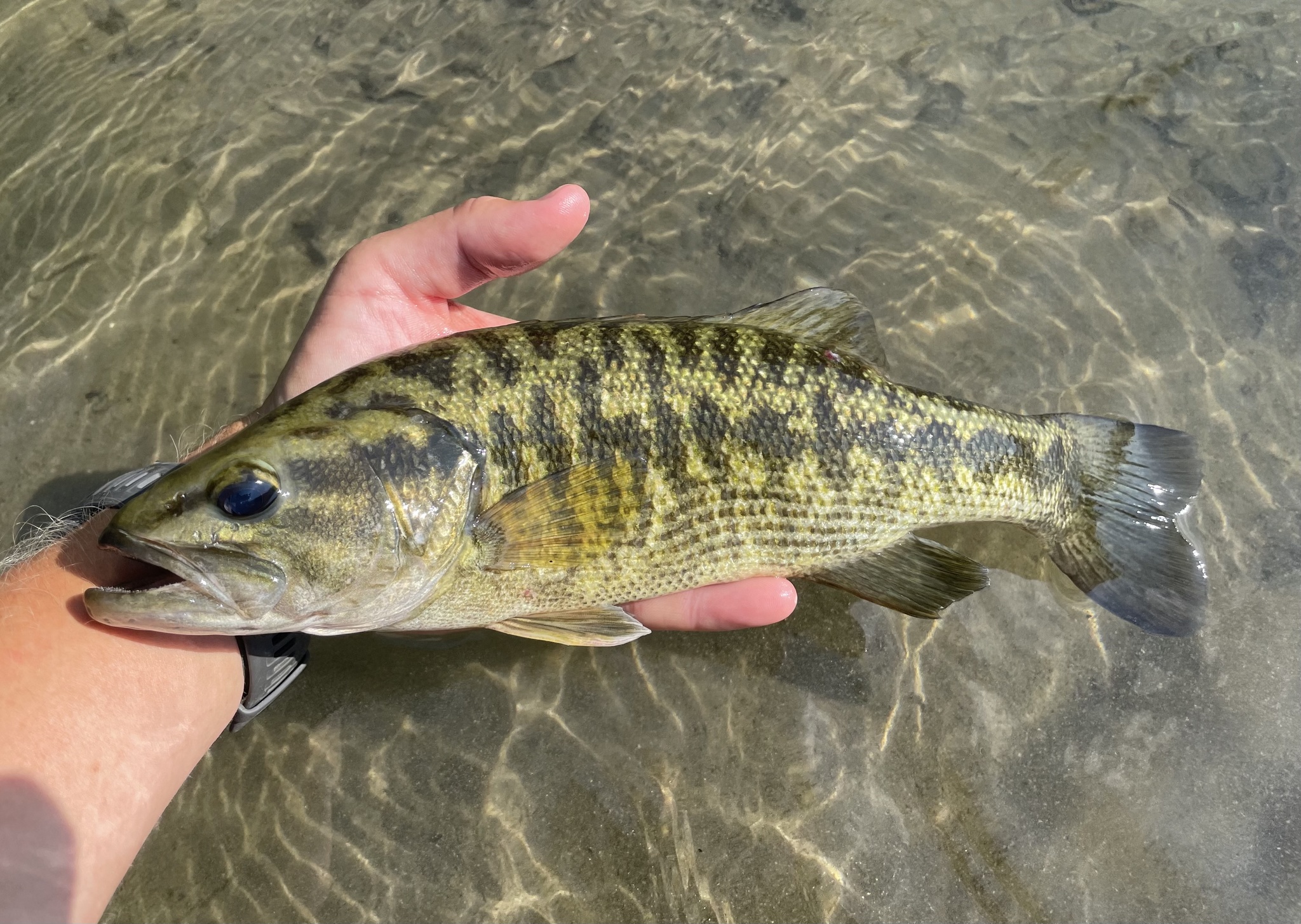

The Guadalupe bass is a true Texas original. Found nowhere else on earth, this feisty little black bass is native only to the clear, flowing rivers of the Texas Hill Country, the Guadalupe, San Marcos, Colorado, Llano, Blanco, and Pedernales among them, and in 1989 it was named the official State Fish of Texas. It's not a big fish; a typical Guadalupe runs well under a pound, and a two-pounder is a genuine trophy. But what it lacks in size it more than makes up for in fight and character: pound for pound, a "Guadalupe" pulls like a fish twice its weight, using the current of its home rivers to bulldog and battle far above its class. For anglers who love wading a spring-fed river on a warm Texas day, catching this endemic gem is a special experience.
Guadalupe bass are a river fish through and through. Unlike their largemouth cousins that favor still water, Guadalupes love current, they hold in flowing water, behind current breaks, and in the riffles and runs of Hill Country streams. That makes them a favorite of fly anglers and light-tackle river fishermen who wade and paddle the clear waters where these fish live. This guide covers where to find Guadalupe bass, how to catch them on fly and spinning gear, and how to enjoy, and protect, this uniquely Texan fishery.
Understanding the Guadalupe Bass
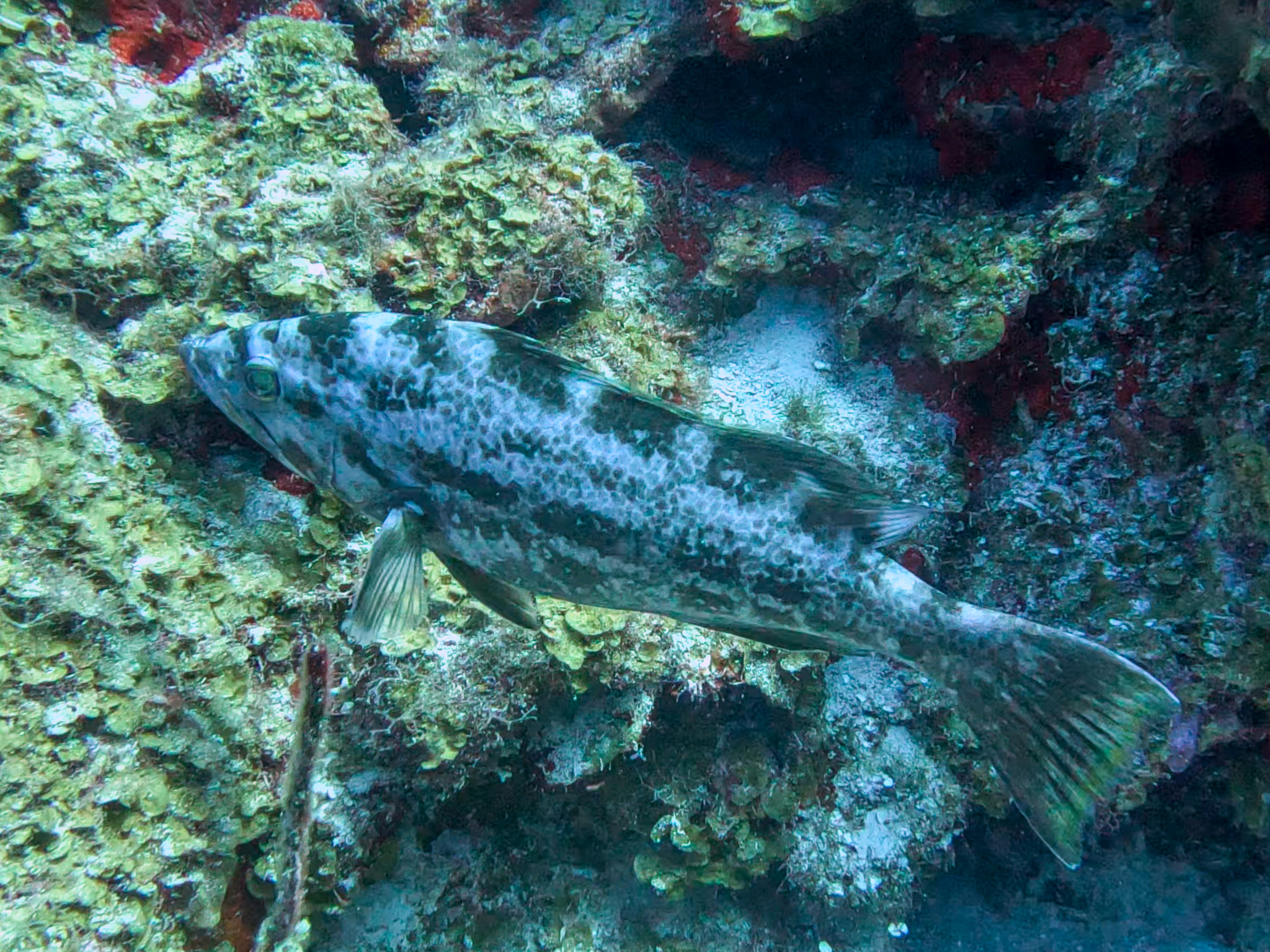
The Guadalupe bass is a member of the black bass family, closely related to the smallmouth and spotted bass. It's slender and streamlined, olive-green to brownish, with a distinctive series of dark diamond-shaped blotches along its sides that often extend below the lateral line, one of the features that helps distinguish it from the similar spotted bass. Guadalupes are small by bass standards, but they're perfectly built for life in current: a compact, muscular fish that thrives in flowing water.
Their love of current is the defining trait. Guadalupe bass position in and around moving water, the heads and tails of pools, current seams, eddies behind boulders and logjams, riffles, and runs, where they ambush the insects, small baitfish, and crayfish that the current delivers. They're aggressive feeders that will readily attack a well-presented fly or lure, which, combined with their spirited fight, makes them a joy to catch on light gear. Find the current, and you'll find the Guadalupes.
Guadalupe Bass: The State Fish of TexasFly Fishing: The Classic Approach
The Guadalupe bass is arguably the premier fly-rod target of the Texas Hill Country, and fly fishing its clear rivers is a beloved tradition. A light fly rod (a 3- to 5-weight is perfect) lets you present small streamers, poppers, and nymphs to fish holding in the current, and the takes, especially on a popper drifted over a riffle, are a blast. The key is to read the water like a trout stream: cast to the current seams, the pockets behind rocks, and the heads and tails of pools, and let your fly drift or swing naturally through the holding water. When a Guadalupe eats, it turns and uses the current immediately, giving you a fight that belies its size.
Fly Fishing the Riffles for Guadalupe BassReading the Riffles and Runs
Because Guadalupe bass relate so strongly to current, learning to read moving water is the single most important skill. Focus your casts on:
- Current seams, the lines where fast water meets slow, where fish sit and pick off drifting food.
- Eddies and pockets behind boulders, ledges, and logjams, where fish rest out of the main flow.
- Riffles and runs, the shallow, broken, oxygen-rich water where Guadalupes actively feed.
- Heads and tails of pools, where current funnels food to waiting fish.
Approach quietly and fish upstream where you can, since these fish live in clear water and can be spooky. A drag-free drift or a natural swing through the seam is what draws the strike.
Going for Guad: Fly Fishing for Guadalupe BassLight Spinning Tackle
You don't need a fly rod. Light spinning gear is deadly and accessible for Guadalupe bass, and it's how many anglers fish for them. A light or ultralight spinning outfit with small lures covers the water beautifully: small soft-plastic grubs, tubes, and craws on light jigheads; small crankbaits; in-line spinners; and small topwaters. Work these through the same current seams, pockets, and riffles a fly angler would target, casting up-current and letting the lure move naturally with the flow. Guadalupes aren't fussy, a small, natural-looking lure presented in the current gets bit.
Topwater Fishing for Guadalupe Bass in TexasWading the Rivers
One of the great pleasures of Guadalupe bass fishing is that it's a wading game. The Hill Country rivers are typically clear, shallow, and cool (many are spring-fed), and you can wade them for hours, casting to pockets and seams as you move upstream. Wading lets you approach fish quietly, reach water a boat can't, and cover a productive stretch thoroughly. A pair of wading shoes or boots, a small chest pack of lures or flies, and a light rod are all you need for a full day of fishing, one of the most relaxing and rewarding ways to spend a Texas afternoon.
Wading and Camping the Texas Hill Country for Guadalupe BassKayak and Canoe Float Trips
For covering more water, and reaching remote, lightly fished stretches, a kayak or canoe float trip is hard to beat. Paddling a Hill Country river lets you drift from pool to pool, hopping out to wade the best riffles and runs, and access water far from any road or crossing. Multi-day float-and-camp trips down rivers like the Colorado or the Llano are a Texas rite of passage, combining great Guadalupe fishing with the beauty of the Hill Country. A kayak also lets you fish efficiently, positioning on current seams and drifting baits through holding water as you go.
Kayak Fishing a Texas Hill Country RiverThe Fight: Pound for Pound, a Bruiser
Don't let the size fool you. A Guadalupe bass may only weigh a pound, but it fights like a fish two or three times heavier, and that's a big part of why anglers love it. The secret is the current: a hooked Guadalupe immediately turns broadside to the flow and uses the moving water against you, throwing hard head-shakes and short, dogged runs that feel far bigger than the fish on the end of the line. On the light tackle these fish are meant to be caught on, a whippy fly rod or an ultralight spinning outfit, even a modest Guadalupe delivers a genuinely satisfying tussle.
That scrappy, current-powered fight is what turns a river full of small fish into a full day of fun. You're not chasing one giant; you're catching a steady procession of hard-pulling, beautifully marked native bass, each one using its home river to battle above its weight. For anglers who measure a fishing trip by smiles per hour rather than pounds per fish, the Guadalupe bass is hard to beat. It's also a fantastic species to introduce newcomers and kids to the sport: the fish are willing, the tackle is simple and light, and the clear, wadeable rivers make for a safe, scenic, and endlessly engaging day on the water.
The Great Hill Country Rivers
Part of the joy of Guadalupe bass fishing is the water itself. The Texas Hill Country holds a network of clear, spring-fed rivers that are as beautiful as they are productive. The Guadalupe River, the fish's namesake, winds through cypress-lined banks and is a classic destination. The Llano River is a wade-and-float favorite known for excellent Guadalupe fishing over granite and gravel. The Colorado River above and around the Highland Lakes offers long float-trip stretches, while the San Marcos, Blanco, and Pedernales rivers provide clear, intimate water perfect for wading and fly fishing. Each river has its own character, but all share the cool, flowing, rocky habitat that Guadalupe bass need. Many of these rivers also hold largemouth, spotted, and (unfortunately, from a conservation standpoint) smallmouth bass, so a day on the water can produce a mixed bag of black bass, but it's the native Guadalupe, with its diamond-marked flanks and current-powered fight, that makes the trip memorable. Exploring these rivers, many flowing through public parks and access points, is half the adventure, and part of why a Hill Country Guadalupe trip is about more than just the fishing.
Bank Fishing and Access
While wading and paddling are the classic approaches, you can catch Guadalupe bass from the bank too, especially at the many public river crossings, parks, and access points scattered through the Hill Country. Fish the same current features you'd target while wading, cast to the seams, riffles, and pockets you can reach from shore, and work upstream where possible. Public access is a real asset in this fishery: state parks, river accesses, and paddling trails put anglers on productive water without a boat. Always respect private property (much Hill Country riverbank is privately owned) and know the local access rules, but with a little scouting, a bank angler with a light rod and a handful of small lures can get right into the Guadalupe action.
Tackle for Guadalupe Bass
Keep it light, that's the whole appeal. For spinning, a light or ultralight rod around 6 to 7 feet with a small reel spooled with 4- to 8-pound line handles small lures perfectly and makes the fight of these scrappy fish shine. For fly fishing, a 3- to 5-weight rod with a floating line, a tapered leader, and a box of small poppers, streamers, and nymphs is ideal. Because Guadalupe bass live in clear, often shallow water and aren't large, finesse and light presentations out-produce heavy gear every time. Bring a variety of small, natural-colored lures or flies and let the fish tell you what they want.
Timing and Conditions
Guadalupe bass can be caught year-round in the Hill Country's mild climate, but conditions matter:
- Spring and fall are prime, comfortable water temperatures and active fish. Spring, as fish feed up and spawn in the rivers, is especially good.
- Summer fishing is excellent early and late in the day; the spring-fed rivers stay cool and the fish stay active, and wading a cool river on a hot day is a joy. Midday, fish the shade and deeper runs.
- Flow matters most. Healthy flow keeps fish positioned in predictable current spots and feeding well. After rains, rivers can blow out and muddy; give them time to clear and settle. Very low flows in drought concentrate fish in the remaining pools.
Match your timing to good flows and comfortable temperatures, fish the low-light periods in summer, and you'll find willing Guadalupes.
Conservation: Protecting a Texas Treasure
The Guadalupe bass faces a real conservation challenge: hybridization with introduced smallmouth bass. When non-native smallmouth were stocked in some Hill Country rivers, they interbred with Guadalupe bass, threatening the genetic purity of the native species. Texas Parks and Wildlife has run an extensive restoration program, removing hybrids, stocking pure Guadalupe bass, and restoring habitat, to protect this endemic fish. As an angler, you can help: support habitat and flow conservation, handle and release fish carefully (Guadalupe bass are best treated as a catch-and-release sport fish given their limited range), and never move fish between watersheds. Protecting the rivers protects the fish.
Common Guadalupe Bass Mistakes
- Fishing still water. Guadalupes are current fish. Skip the dead pools and target the moving water, seams, riffles, and pockets.
- Too-heavy tackle. Heavy gear kills the fun and spooks fish in clear water. Go light.
- Spooking fish. Clear, shallow rivers demand a stealthy approach. Wade quietly, fish upstream, and keep a low profile.
- Unnatural presentations. A lure or fly dragged unnaturally against the current gets ignored. Let it drift and move with the flow.
- Confusing them with spotted bass. Know your catch, the diamond blotches extending below the lateral line help identify a true Guadalupe, which matters for appreciating (and conserving) this native fish.
Put It All Together
Catching Guadalupe bass comes down to embracing the river: find the current, the seams, riffles, runs, and pockets of the clear Hill Country streams, and present a small fly or light-tackle lure naturally in the flow. Wade or paddle the beautiful spring-fed rivers, keep your gear light to enjoy the scrappy fight, fish the comfortable seasons and good flows, and handle this special native fish with care. Do that, and you'll connect with a true Texas original in some of the prettiest water in the state.
The Guadalupe bass is one of several black bass an angler can chase, and its closest kin fish much the same way. The current-loving smallmouth bass is its northern counterpart and a fellow river brawler, and the spotted bass is a close look-alike that shares some of the same waters. Learn the Guadalupe and you've added a one-of-a-kind fish to your list.
Ready to catch a piece of Texas? Scout the public river crossings, state parks, and paddling-trail put-ins scattered across the Hill Country, check the flows before you head out, and pick a clear, wadeable stretch of the Guadalupe, Llano, or San Marcos, then go put yourself on the state fish of Texas in the beautiful rivers it calls home.