Fish
Fish Fire
Fire Hike
Hike Bird
Bird

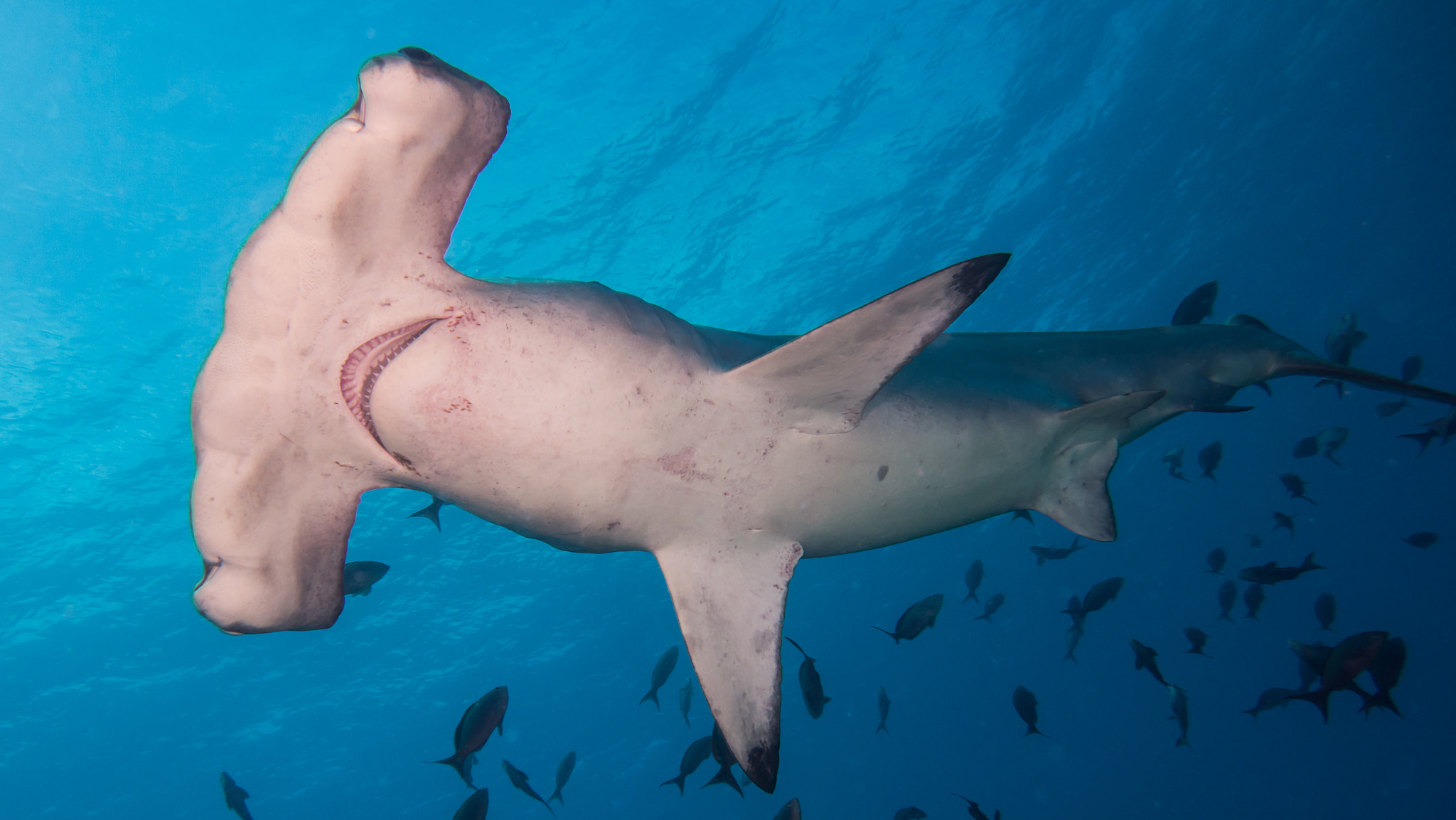

The hammerhead shark is easily one of the most unmistakable and awe-inspiring fish in the sea, a powerful predator with an extraordinary wing-shaped head (the "cephalofoil") and, in the case of the great hammerhead (Sphyrna mokarran), a fish that can exceed 14 feet and weigh well over 500 pounds. For anglers, a big hammerhead is one of the ultimate trophies of land-based and inshore shark fishing: enormous, immensely strong, and capable of a long, punishing fight. Several hammerhead species exist, but the great hammerhead is the giant that most anglers dream of hooking, with the scalloped and smooth hammerheads as smaller relatives that share the distinctive head.
Hammerheads patrol beaches, flats, channels, and nearshore waters throughout warm coastal seas, and the great hammerhead in particular is a shallow-water hunter that comes within reach of surf and inshore anglers. Because they are so large, so powerful, and, critically, quite vulnerable, hammerheads demand the heaviest tackle, the utmost care in handling, and strict attention to regulations. In many places the great hammerhead is protected and must be released, and hammerheads as a group are notably fragile after a hard fight, so responsible catch-and-release is very much the rule.
This guide covers where hammerheads live, how to identify them, the extreme tackle required, the baits and techniques that hook a giant, and, most importantly, how to fight, land, and release these magnificent sharks so they survive.
Understanding Hammerhead Behavior
Great hammerheads are warm-water coastal and pelagic predators that hunt beaches, flats, channels, reefs, and nearshore waters, often in surprisingly shallow water. They are highly mobile, following prey and warm water, and in many regions they are seasonal visitors that arrive as the water warms. The great hammerhead is famous for cruising shallow flats and beaches hunting its favorite prey, which makes it accessible to land-based and inshore anglers who might never expect to tangle with a 12-foot shark from the sand.
Massive Hammerhead Shark Caught FishingThat famous head is not just for show. The wide cephalofoil spreads the shark's sensory organs, including the electroreceptors it uses to detect prey buried in the sand, across a broad span, and it may aid maneuverability. Great hammerheads are specialist predators of rays and other sharks, using the head to pin stingrays to the bottom, and they also eat a variety of fish. This is why a stingray is such a classic big-hammerhead bait: it is exactly what these sharks are built to hunt.
Hammerheads relate to the same ambush points as other big coastal sharks, inlets, passes, channel edges, flats, and beaches where bait and prey concentrate and where tide moves water and food. They hunt actively, often in low light, and follow the tide. A great hammerhead cruising a beach or flat on a feeding mission is a focused, powerful predator, and a well-placed bait in its path can draw a ferocious take.
One crucial behavioral note: hammerheads are physiologically fragile and stress badly during a fight, building up dangerous levels of lactic acid. A hammerhead fought too long or handled poorly may die even after swimming away. This vulnerability shapes everything about how they should be targeted, heavy tackle to land them fast, and careful, quick release.
It is also worth appreciating how the great hammerhead hunts, because it tells you where and how to fish. These sharks use their broad, sensor-packed heads to sweep the bottom of flats and channels, detecting the faint electrical signals of rays and fish hidden in the sand. A hammerhead on the hunt will cruise a shallow flat methodically, and anglers who have watched one work a beach describe an almost purposeful, patrolling movement. Because they are keyed in on rays and bottom prey, presenting a bait low, in their cruising lane, on a piece of flat or beach they are known to hunt, is far more effective than random casting. Where you can actually see hammerheads working a flat, sight-fishing a bait ahead of a cruising shark is the pinnacle of the sport.
Seasonality is a major factor. In most temperate and subtropical regions, great hammerheads appear on a fairly predictable seasonal schedule tied to water temperature and the movements of their prey, such as the migrations of rays and other sharks along the coast. Learning that local window, often spring into summer as the water warms, and fishing when hammerheads are actually present is half the battle. Outside the season, you may soak baits for nights without a shot at one.
How to Identify Hammerhead Shark
The hammer-shaped head makes hammerheads instantly recognizable, but distinguishing the species matters:
- The cephalofoil (hammer head). The flattened, laterally extended head with eyes at the tips is unmistakable and unique to hammerheads.
- Great hammerhead: the largest, with a nearly straight front edge to the head and a very tall, distinctly sickle-shaped (falcate) first dorsal fin, the tall dorsal is a key mark. Can exceed 14 feet.
- Scalloped hammerhead: smaller, with a curved, scalloped (notched) front edge to the head; a common and important species, often found in schools.
- Smooth hammerhead: a smoothly curved head without the central notch; tolerates cooler water.
The great hammerhead's combination of huge size, nearly straight head margin, and towering sickle-shaped dorsal fin identifies it. Correct identification is essential because the great and scalloped hammerheads are protected in many jurisdictions and must be released, and the rules differ by species and location.
Best Tackle for Hammerhead Shark
Landing a big hammerhead requires the heaviest of shark tackle. These fish are huge and powerful, and, because they must be landed quickly to survive release, you need gear that can apply serious pressure.
Rod and reel: A heavy stand-up or land-based shark rod paired with a large-capacity conventional reel with a powerful drag. This is the top end of shark tackle; for a giant hammerhead you want a reel that holds hundreds of yards of heavy line.
Line: Heavy line, often 80 to 130 pound or more, plus abundant capacity, because a big hammerhead can make very long runs.
Leader: A robust leader system is essential: a long, heavy monofilament abrasion leader (300 to 500 pound) connected to a heavy single-strand or cable wire bite section that the shark's teeth cannot sever. The abrasion leader guards against the shark's rough hide and thrashing during a long fight.
Hooks: Large, strong non-offset circle hooks (typically 16/0 or larger) that hook in the corner of the jaw for a cleaner, survivable release.
How to Make a Big Shark RigDo not under-gun a hammerhead. Beyond the obvious challenge of a several-hundred-pound fish, using tackle heavy enough to land the shark quickly is a conservation imperative, a prolonged fight on light gear is far more likely to kill the shark. Extreme tackle here is the responsible choice.
Bait and Techniques
Big hammerheads want big baits. A whole or half stingray is the classic great-hammerhead bait, matching their natural prey, but large oily fish, jack, ladyfish, mullet, bonito, or a big fish head, also work well, pouring scent into the water. Bigger baits both draw and select for the biggest sharks.
Fishing Big Baits for Hammerhead SharkFrom the beach, land-based shark anglers kayak large baits far out past the breakers, then set the heavy rod in a stout sand spike and wait, often through the night when big hammerheads move in to feed. From a boat, present baits near flats, channel edges, inlets, and beaches where hammerheads hunt, and use a chum stream to draw sharks up-current to your baits.
Land-Based Hammerhead Shark FishingTiming and location matter enormously. Fish the seasonal window when hammerheads are present, target the moving tide and low-light periods, and position baits where these sharks hunt, on the flats and beaches, at inlets and passes, and along channel edges. A stingray bait fished in a hammerhead's cruising lane is one of the most reliable ways to draw a giant.
Rigging deserves care for a fish this size and this vulnerable. Beyond the wire bite leader and heavy abrasion leader, use a strong barrel swivel rated well above your line class, and check every knot, crimp, and connection before you fish, a failure against a giant hammerhead not only loses the fish but can leave it trailing gear. Many land-based sharkers use crimped connections rather than knots in the heavy leader for reliability. Keep your hooks razor sharp so they set cleanly in the corner of the jaw with the steady pressure of a circle-hook hookup, and match your weight to hold the big bait in place against the current so it stays in the strike zone.
Deploying a big bait from the beach is a production in itself. Anglers paddle or kayak the bait hundreds of yards out, drop it in a likely lane, and return to a rod locked in a heavy sand spike, then settle in for a long wait, hammerhead fishing rewards patience and time on the water. When a run finally comes, it is often unmistakable: line pouring off the reel as a giant shark moves off with the bait.
Fighting a Giant
When a big hammerhead eats, be ready for one of the hardest fights in inshore fishing. Great hammerheads run long and fight with tremendous power and stamina. Let the circle hook set with steady pressure, then apply maximum pressure throughout, with a hammerhead, ending the fight as quickly as possible is not just about the angler's endurance, it is essential for the shark's survival. Use a harness or rod belt, keep the pressure relentless, and gain line whenever you can. A long, drawn-out battle may win you the fish only to lose it to post-release stress, so the goal is to land a big hammerhead fast and get it released quickly.
This is why gear selection and physical preparation matter so much. Fighting a giant hammerhead is genuinely strenuous, and doing it on a beach with the surf pushing at you adds another layer of difficulty. A quality harness distributes the load so you can put your legs and back into the fight rather than just your arms, and a smooth, powerful drag lets you apply steady pressure without risking a break-off. Work the fish methodically, pump and reel, gaining line on the drops, never giving slack, and communicate with anyone helping you. The faster and more efficiently you fight the shark, the better its odds when you release it, so treat a quick, controlled battle as the mark of a skilled and responsible hammerhead angler rather than a failure to prolong the excitement.
Landing and Releasing Safely
This is the most important part of hammerhead fishing, because these sharks are both dangerous to handle and highly vulnerable. In many places great and scalloped hammerheads are protected and must be released, and even where harvest is legal, responsible anglers release them.
How to Safely Catch and Release Sharks- Keep the shark in the water. Never drag a big hammerhead onto dry sand or pull it fully out of the water, hammerheads are especially prone to dying from the stress and from being taken out of the water. Keep it in the wash or alongside the boat with water over its gills.
- Work fast. Minimize handling time out of the water and at the leader. Have long dehookers, bolt cutters, and heavy gloves ready and within reach before the shark is landed.
- Cut the leader if needed. If the hook cannot be quickly and safely removed, cut the leader as close to the hook as possible rather than prolonging the stress.
- Revive thoroughly. A hammerhead often needs extended reviving, keep water flowing over its gills and support it until it can swim off strongly. Because of their fragility, give hammerheads extra time and care, and never release one that has not regained its strength.
Always know and follow local regulations. Great and scalloped hammerheads are protected in many areas, size and species rules vary, and required gear (non-offset circle hooks, dehooking tools) is common. Given their vulnerability and protected status, a fast fight, a photo with the shark kept in the water, and a careful release is the only responsible way to fish for these giants.
Putting It All Together
The hammerhead shark is a true trophy, a giant, powerful, unmistakable predator that rewards heavy tackle, big baits, and, above all, responsible handling. Fish whole stingrays or big oily baits on extreme tackle with cable bite leaders and large circle hooks; target the flats, beaches, inlets, and channels where hammerheads hunt on the moving tide; and when one eats, fight it hard and fast so you can release it quickly and healthy. Respect the protections on these vulnerable sharks, handle them with care, and you will have connected with one of the ocean's most magnificent fish.
Ready to put it into practice? Scout the beaches, flats, inlets, and channel edges where hammerheads hunt, nail down the local seasonal window when they move in with the warming water, and rig up with the heavy tackle, cable bite leaders, and careful release plan these giants demand. Do that homework, fish the moving tide and the low-light hours, and you will shorten the learning curve dramatically.
For more on chasing sharks and big inshore fish, see our guides on how to catch bull shark, how to catch blacktip shark, and how to catch lemon shark.