Fish
Fish Fire
Fire Hike
Hike Bird
Bird

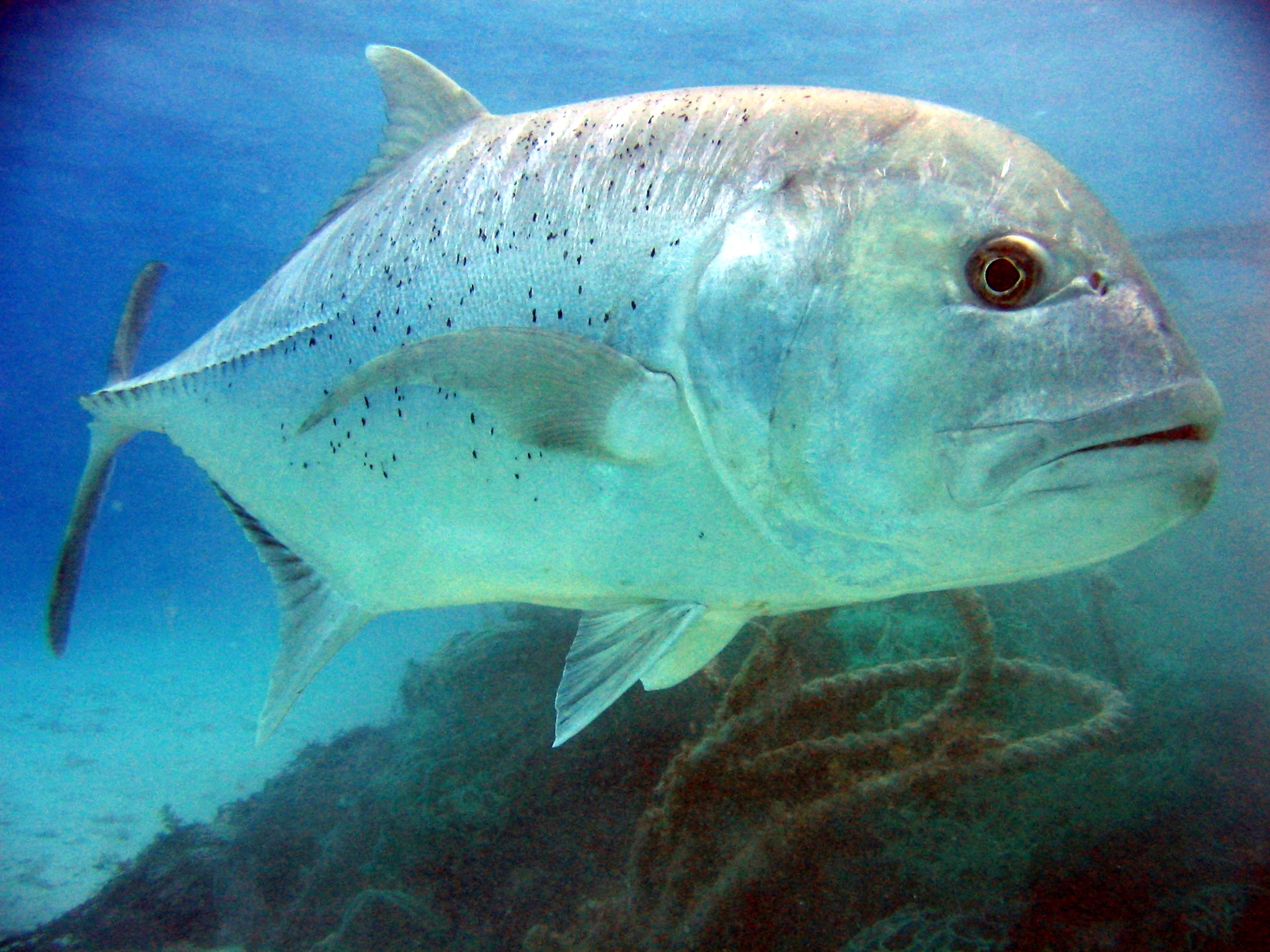

Among the world's inshore gamefish, few inspire the awe, and dread, of the giant trevally. Known simply as the GT, the giant trevally (Caranx ignobilis) is the apex thug of tropical Indo-Pacific reefs: a broad-shouldered, silver-plated predator with a blunt bulldog head, a bad attitude, and raw power that can destroy tackle and break spirits. When a big GT crushes a popper and sprints for the coral, everything happens in a heartbeat, and if your drag, your knots, or your nerve fail, you lose. Anglers travel to the far corners of the earth, the Seychelles, the Andamans, Australia, Oman, and the atolls of the Pacific, for a shot at one, and in Hawaii the big ulua (the local name for GT) is the stuff of legend.
Catching a GT is as much about tackle and toughness as it is about technique. These fish are hooked in shallow water over sharp coral and reef, and their entire game plan is to bury you in the structure. That means the heaviest inshore gear in the sport, a hookset like you mean it, and a stand-up fight where you simply cannot give an inch. This guide covers where GTs live, the methods that catch them, popping, stickbaiting, jigging, fly, and bait, and how to win the brutal battle that follows the strike.
Understanding the Giant Trevally
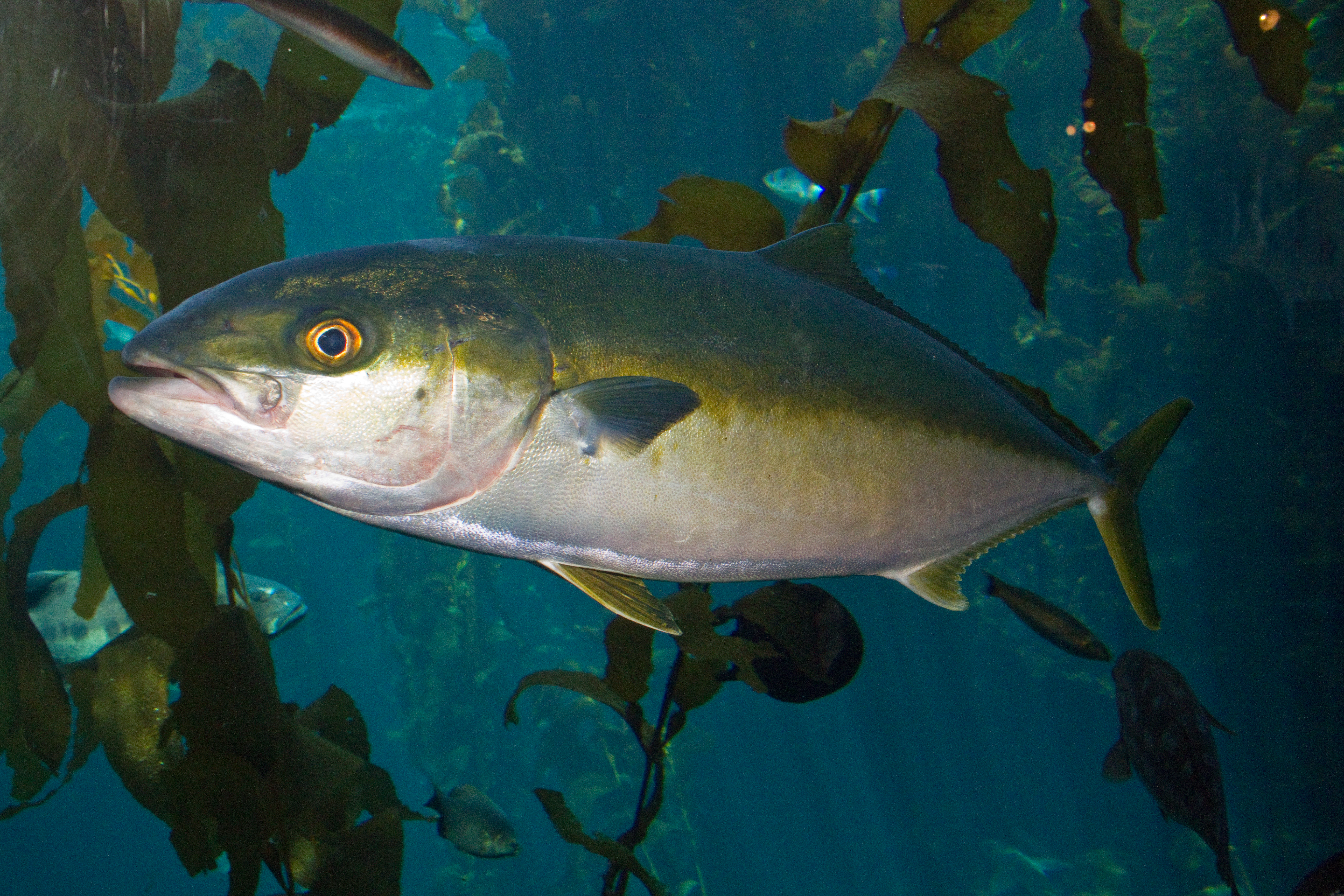
The GT is the largest of the trevally (jack) family, reaching well over 100 pounds, though a "good" GT on most trips is in the 40-to-80-pound class and any fish over the magic 100-centimeter mark is a genuine trophy. They're silvery-gray, deep-bodied, and heavily built, with a steep forehead and a large mouth. Big old males often turn dark, almost black. Everything about their build says power: they're all shoulders and tail, engineered for short, violent, unstoppable bursts of speed.
GTs are apex reef predators and supremely aggressive. They hunt in shallow water over and around coral reefs, atolls, drop-offs, lagoon edges, channels, and flats, smashing baitfish, squid, crustaceans, and even birds and small turtles. They frequently hunt in skinny water where you can see them coming, and watching a black-backed GT charge across a flat to demolish your lure is one of the most heart-stopping sights in all of fishing. They range across the Indo-Pacific, from East Africa and the Red Sea through Southeast Asia and Australia to Hawaii and the Pacific islands.
Giant Trevally Fishing at a Remote ReefPopping: The Signature Method
The iconic way to catch a GT is popping. You cast a big surface popper, a chunky, cupped-face lure that throws water and noise, over the reef, and work it back with hard, rhythmic sweeps of a heavy rod so it chugs and spits across the surface like a fleeing, wounded baitfish. GTs find that commotion irresistible, and the strike is savage: an explosion of white water as a fish the size of a coffee table engulfs the popper. Popping lets you cover water, draw fish up from the reef, and get the most visual, violent strikes in the sport.
Working a GT popper is physically demanding, the big lures and heavy rods take real effort to work properly all day, but the technique is everything. Keep the popper moving with a steady, aggressive cadence, and don't stop when a fish appears behind it; a GT often won't commit until the lure keeps fleeing. When it eats, hit it hard and hold on.
How to Work a Popper for Giant TrevallyStickbaits: The Other Topwater
Alongside poppers, stickbaits are the other essential GT topwater. A stickbait is a long, sliding surface (or subsurface) lure worked with a sweeping "walk-the-dog" action that mimics a fleeing baitfish more subtly than a chugging popper. On days when GTs are following poppers but not committing, or when the water is calmer, a stickbait's more natural swimming action often triggers the eat. Serious GT anglers carry both and switch between them to read what the fish want on a given day. The right rod, heavy split rings, and strong hooks are critical, a big GT will straighten cheap hardware instantly.
Giant Trevally Popping and Stickbait TackleJigging: Reaching Deeper Fish
When GTs are holding deeper, along drop-offs, channel edges, and reef structure below the surface zone, vertical jigging is deadly. Drop a heavy metal jig to the bottom or the holding depth and work it back with sharp, fast rod-and-reel strokes to imitate a fleeing baitfish, and a GT will crush it and immediately try to rocket back into the structure. Jigging lets you target fish that won't come up to topwater and to pick apart deeper reef and current lines. It's brutally effective and, like everything with GTs, demands stout tackle and a locked-down drag to turn the fish before it reaches the reef.
Catching Giant Trevally Popping and JiggingFly Fishing for GTs
The giant trevally has become the ultimate prize in saltwater fly fishing, the fish that has redefined what a fly rod can do. Sight-casting a big baitfish or brush fly to a GT cruising a shallow flat, then stripping hard and clearing line as a hundred pounds of fury eats and bolts for the coral, is considered by many the pinnacle of the entire sport. It takes a 12-weight (or heavier) outfit, a rock-solid drag, heavy leaders, and flawless technique, and even then, the reef wins more often than the angler. Destinations like the Seychelles atolls are world-famous for fly-rod GTs, and landing one is a career achievement for any fly angler.
Giant Trevally Eat on FlyFlats Fishing: Sight-Casting the Skinny Water
One of the most thrilling GT fisheries is on the flats, the shallow sand and coral shelves where big trevally cruise in ambush, often with their backs nearly out of the water. Here it's a hunting game: you pole or wade the flats, spot a cruising or feeding fish, and make a fast, accurate cast to intercept it with a popper, stickbait, or fly. The takes are visual and explosive, and the challenge of stalking a giant fish in water barely deep enough to cover it is unmatched. Flats GTs are spooky and demand a good presentation, but the payoff, a huge fish hunting in ankle-to-knee-deep water, is pure adrenaline.
Giant Trevally on the Shallow FlatsLive Bait and Other Methods
While GT fishing is dominated by lures, live and dead bait absolutely works and is a mainstay in many regions, including for the ulua anglers of Hawaii who soak big baits from shore for trophy fish. A live baitfish, a chunk of fresh cut bait, or a whole squid fished on heavy tackle near reef structure, channels, and current will draw big GTs, and shore-based bait fishing off rocky points and ledges accounts for some of the largest fish ever landed. Whatever the method, the constant is heavy gear and a plan to keep a hooked fish out of the reef.
Tackle: Go Heavy or Go Home
There is no fish that punishes light tackle like a GT. Gear up accordingly:
- Rod: A heavy popping or jigging rod built for the job, powerful, with the backbone to work big lures and stop a running fish.
- Reel: A large, high-capacity spinning or conventional reel with a powerful, smooth drag (often locked to 15-25+ pounds). This is not the place to skimp.
- Line and leader: Heavy braided main line (65-100+ pound) and a very heavy shock leader (100-200 pound) to survive coral and the initial shock of the strike.
- Terminal tackle: Strong split rings, heavy-duty hooks, and quality connections, GTs find and expose every weak link. Upgrade the hooks on your lures before you fish them.
Under-gun a GT and it will straighten your hooks, snap your leader on the reef, or simply spool you. The tackle isn't overkill; it's the price of admission.
The Fight: Winning in the First Ten Seconds
A GT fight is won or lost in the opening seconds. The instant it eats, a big GT turns and runs flat-out for the nearest coral, and your only hope is to stop it before it gets there. That means a locked-down drag, a rod loaded to the maximum, and you leaning back with everything you have to turn the fish's head. There is no letting it run, give a big GT line near the reef and it's gone, cut off on the coral. Anglers describe the first run as trying to stop a truck.
If you turn it and get it into open water, the battle becomes a brutal slugfest of short, powerful surges, but you've won the critical moment. Keep the pressure relentless, gain line whenever you can, and be ready for more surges at the boat. Landing a big GT is as much a feat of strength and will as of angling skill, and it's exactly why the fish has such a cult following.
Timing, Tides, and Reading the Reef
GTs are catchable year-round across the tropics, but conditions make a huge difference. Moving water is the number-one trigger, GTs use current to ambush bait, so the strong parts of the tide, the water pouring through reef channels and passes, and the edges where current meets structure are prime. A pass or channel that's dead on slack water can come alive as the tide starts pumping. Time your best spots to the best stages of the tide and you'll dramatically improve your odds.
Beyond tide, watch for bait and birds. Concentrations of baitfish getting harassed, working birds, and nervous water all signal feeding GTs. Low light around dawn and dusk can be excellent, but GTs hunt hard in bright sun too, and on the flats sunlight actually helps you spot cruising fish. Learning to read the reef, where the current sets up, where bait stacks, where the drop-offs and channels funnel fish, is what separates anglers who catch GTs consistently from those who just cast and hope.
GT Destinations Around the World
Chasing GTs is a global adventure, and a handful of places are legendary. The Seychelles atolls, Cosmoledo, Astove, Providence, are the fly-fishing mecca, famous for numbers of big GTs on the flats. The Andaman Islands and remote parts of the Indian Ocean offer world-class popping. Northern Australia and the Great Barrier Reef, Oman's coast, and the atolls of French Polynesia and the wider Pacific all produce trophy fish on poppers and stickbaits. And in Hawaii, the shore-based ulua fishermen pursue big GTs from rocky ledges with heavy bait gear, a deeply rooted local tradition with its own culture and lore. Wherever you go, a knowledgeable local guide or charter who knows the reefs, the tides, and the fish is invaluable, GT fishing is remote, physical, and technical, and local expertise turns a hard trip into a successful one.
Common GT Mistakes
- Tackle that's too light. The number-one way anglers lose GTs is by bringing gear that can't stop the first run. Go as heavy as the rules and your body allow.
- Weak hooks and split rings. A GT will straighten factory hardware. Upgrade the hooks and rings on every lure before you fish it.
- Letting the fish run at the reef. Give a big GT line near coral and it's gone. Lock the drag and turn its head immediately, win the first ten seconds.
- Stopping the lure. A GT following a popper or stickbait often won't commit until the lure keeps fleeing. Keep working it all the way to the rod.
- Fishing dead water. No current, fewer fish. Chase the moving water around channels, passes, and drop-offs.
Conservation and Handling
GTs are magnificent, slow-growing apex predators, and the modern ethic is to release them. Big fish especially should be handled with great care: keep them in the water, support the body horizontally (never hang a big GT vertically by the jaw, it can injure the fish), minimize air time, and revive it fully so it swims back down strong. Many premier GT fisheries are catch-and-release only for exactly this reason. Follow local regulations and handling guidelines, and treat these fish as the irreplaceable trophies they are.
Put It All Together
Catching a giant trevally comes down to bringing the heaviest inshore tackle you can, presenting a popper, stickbait, jig, fly, or bait around shallow reefs, flats, drop-offs, and channels where GTs hunt, hitting the strike with a bone-jarring hookset, and then winning the war in the first few seconds by turning the fish before it reaches the coral. It is the most demanding, adrenaline-soaked inshore fishing on earth, and the reason anglers cross the globe for a single shot at a big one.
The GT shares the jack family's brute strength with other prized gamefish. The eastern Pacific's roosterfish brings the same hard-charging beach fight with an unmistakable comb, and the widespread jack crevalle delivers pound-for-pound trevally power in more accessible inshore waters. Master the GT and you've conquered the toughest of them all.
Ready to go to war with the reef's apex predator? Study the tides, gear up as heavy as you can stand, and pick your reef, flat, or channel with care, then keep that popper working all the way to the rod tip and be ready to stop the run of your life.