Fish
Fish Fire
Fire Hike
Hike Bird
Bird

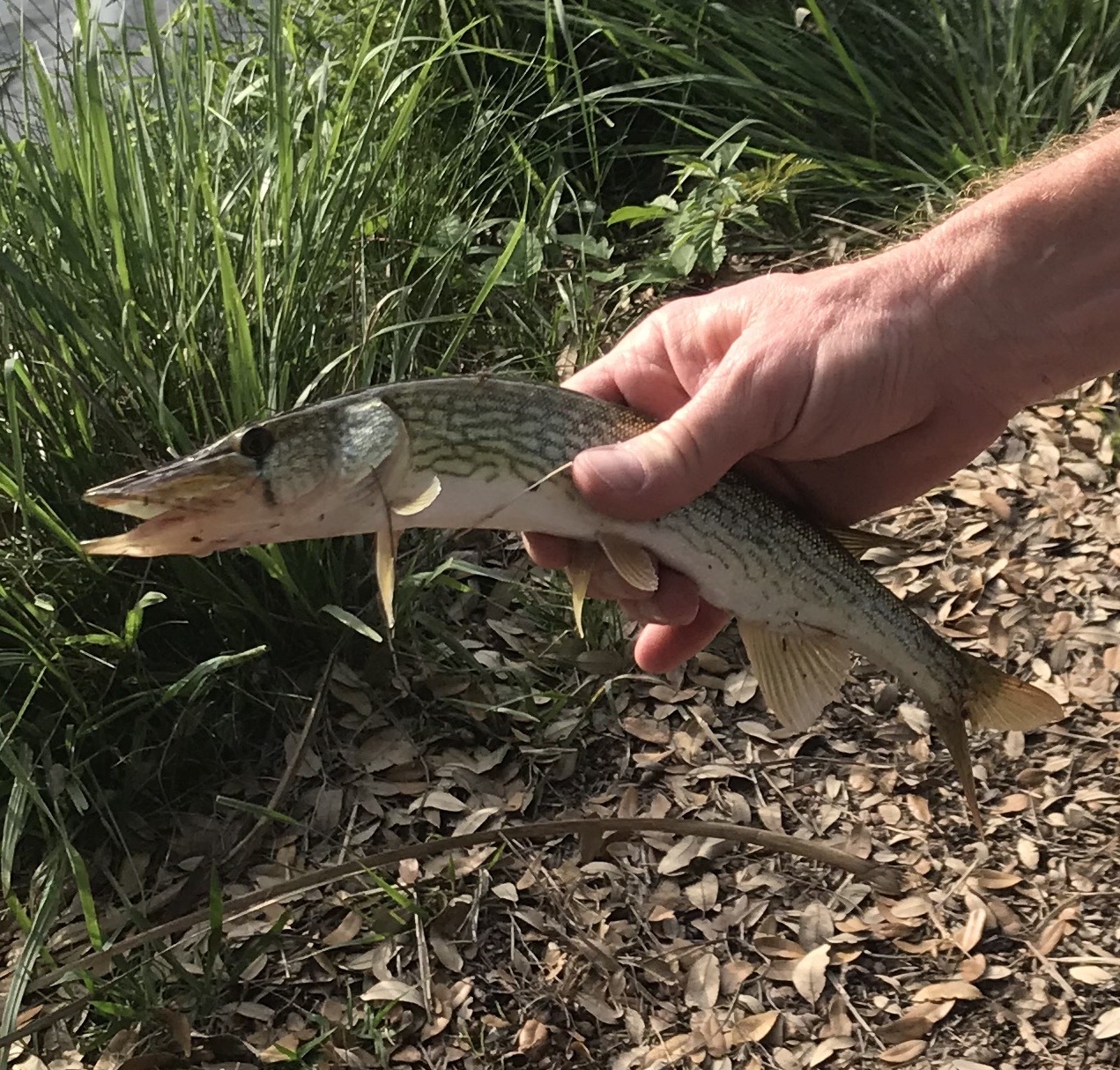

The chain pickerel is the scrappy, underrated member of the pike family, a lean, toothy, aggressive ambush predator that strikes with startling ferocity and, crucially, keeps biting through the cold months when most other freshwater fish shut down. Named for the beautiful dark, chain-link reticulated pattern that decorates its golden-green flanks, the chain pickerel (Esox niger) is a smaller cousin of the northern pike and muskellunge, typically running 15 to 24 inches, with good fish topping 24 inches and rare trophies pushing past that. What it lacks in size it more than makes up for in attitude: pound for pound, few freshwater fish hit a lure harder or fight with more slashing, head-shaking fury than a chain pickerel. For anglers across the eastern United States, especially in the dead of winter, when the pickerel is one of the only games in town, it's a gift of a gamefish.
Best of all, chain pickerel are easy to catch and wonderfully accessible. They live in shallow, weedy water within easy reach of bank anglers, kayakers, and small-boat fishermen; they attack a wide range of lures with reckless aggression; and they're active in cold water that puts bass and other species into a stupor. You don't need a big boat or fancy gear to catch them, a spinnerbait, a spoon, or a live shiner and a wire leader will do just fine. This guide covers what a chain pickerel is, where to find them, and the simple, proven techniques that fill a cold winter day with slashing strikes.
What Is a Chain Pickerel?
The chain pickerel is a member of the pike family (Esocidae) and the largest of the three pickerels (it dwarfs the little redfin and grass pickerels). It has the classic Esox profile, a long, slender, torpedo-shaped body, a duck-bill snout full of sharp teeth, and a single dorsal fin set far back near the tail, built for explosive short-range ambush. Its defining feature is unmistakable: a bold, dark chain-link or reticulated pattern over a light golden-green to yellowish body, from which it takes its name. It also typically shows a dark vertical bar beneath the eye. Fully scaled cheeks and gill covers, and rounded fins, complete the picture.
Chain pickerel are smaller than their pike and muskellunge relatives. A typical fish runs 15 to 20 inches and a pound or two; a good one stretches past 20 inches, and a genuine trophy exceeds 24 inches and 3 pounds, with the all-tackle record around 9 pounds. But their modest size belies their ferocity, a chain pickerel eats fish, frogs, crayfish, and just about anything else it can ambush, and it hits a lure with a violence out of all proportion to its length.
Tips and Secrets for Catching Big Chain PickerelWhere to Find Chain Pickerel
Chain pickerel range across the eastern United States, from the Maritime provinces of Canada down the Atlantic seaboard to Florida and west along the Gulf into Texas, with introduced populations elsewhere. Wherever they live, they favor the same habitat: shallow, weedy, slow or still water. Find the weeds and you'll find the pickerel. Focus on:
- Weed beds, lily pads, and submerged vegetation, the number-one pickerel spot. They lie motionless in or along the edge of the salad, waiting to ambush anything that swims by.
- Grass edges and weed lines, the transition from vegetation to open water is a highway for feeding pickerel.
- Sunken wood, laydowns, docks, and brush, any cover in shallow water holds fish.
- Coves, backwaters, and creek arms, especially the shallow, protected, weedy ones.
- Shallow flats adjacent to deeper water, pickerel move up to feed and drop back to the edge.
Chain pickerel thrive in lakes, ponds, slow rivers, tidal creeks, reservoirs, and swamps, including small, overlooked waters that get little fishing pressure. Because they're ambush hunters glued to cover, they're one of the most predictable fish to locate: think shallow and think weeds.
Spinnerbaits
The spinnerbait may be the single best all-around chain pickerel lure. Its flashing, thumping blades call fish out of the weeds, its safety-pin design comes through cover reasonably well, and its profile perfectly imitates the small baitfish pickerel love, and pickerel absolutely crush them.
Catching Chain Pickerel on a SpinnerbaitFish a spinnerbait on a steady retrieve along weed edges, over submerged grass, and past any cover, keeping the blades thumping just fast enough to stay above the salad. Bright colors, white, chartreuse, and combinations, throw maximum flash and visibility, which pickerel key on. Slow-roll it deeper in cold water, or burn it just under the surface when fish are active. The spinnerbait's semi-weedless nature lets you fish it right where pickerel live, and its aggressive flash triggers their reaction-strike instinct better than almost anything. It's the perfect search bait to cover water and find willing fish.
Inline Spinners
Small inline spinners, think Mepps, Panther Martin, and similar, are deadly on chain pickerel and one of the most fun ways to catch them. The constant flash and vibration of the spinning blade drives pickerel wild, and it's not unusual to catch fish after fish, even schooling them up, on a simple inline spinner.
Schooling Chain Pickerel on Inline SpinnersCast an inline spinner to weed edges, pockets in the vegetation, and along cover, and retrieve it steadily just fast enough to keep the blade turning. Their compact size makes them easy to cast on light tackle, and their nonstop flash makes them irresistible. Because pickerel have sharp teeth, always run a short wire or heavy fluorocarbon leader ahead of the spinner, otherwise a slashing strike will bite you off and cost you the lure. Inline spinners shine in the warmer months when pickerel are active and aggressive, and they're a fantastic choice for light-tackle and ultralight fun.
Jerkbaits and Crankbaits
Minnow-imitating jerkbaits (and lipless or diving crankbaits) are excellent chain pickerel producers, especially in cooler water. The darting, erratic, wounded-baitfish action of a twitched jerkbait is exactly the kind of easy meal a pickerel is programmed to ambush.
Chain Pickerel on a Jerkbait in the FallWork a suspending or floating jerkbait with a twitch-twitch-pause cadence, letting it dart, roll, and hang; pickerel often smash it on the pause. Cast to weed edges, pockets, and along cover, and vary your pauses, in cold water, a long pause with the bait sitting still can be the trigger. Lipless crankbaits fished with a yo-yo or steady retrieve, and shallow-diving crankbaits worked along weed edges, also draw savage strikes. These moving baits cover water and appeal to the pickerel's love of chasing down a fleeing baitfish, and they're a top choice in fall and early winter as fish feed up.
Topwater
For heart-stopping visual strikes, throw topwater for chain pickerel in warm weather. When pickerel are up in the shallow weeds and pads, a surface lure produces some of the most explosive blowups in freshwater fishing, a pickerel will erupt through the pads to nail a frog or buzzing lure.
Topwater Frog Fishing for Chain PickerelThe most exciting option is a weedless hollow-body frog crawled and twitched across lily pads and matted vegetation, pickerel love to demolish a frog. Walk-the-dog surface lures, poppers, and buzzbaits worked over and along weed edges also draw ferocious strikes. Fish topwater in the warmer months, especially early and late in the day, over the thickest shallow cover. Keep a steady cadence, and, as with all toothy fish, wait until you feel the weight of the fish before setting the hook, since pickerel often slash and miss on the first try. The topwater bite is the most thrilling way to catch a pickerel.
Weedless Spoons
Because chain pickerel live buried in vegetation, the weedless spoon is a classic and highly effective presentation, it lets you fish the thick, snaggy cover other lures can't touch. A spoon like the Johnson Silver Minnow, with its wobbling flash and single upturned weedless hook, slithers over pads, through grass, and across matted weeds where the biggest pickerel hide.
Catching Big Chain Pickerel on Weedless SpoonsFish a weedless spoon by casting it into and over the heaviest vegetation and retrieving it steadily so it wobbles and flashes just over or through the salad; add a soft-plastic or pork trailer for extra action and to slow its fall. The spoon's side-to-side wobble and bright flash (gold and silver are standbys) trigger pickerel to strike, and its weedless design means you can fish it right in the thick stuff where they ambush. It's the go-to tool for picking apart heavy weed cover and matted pads.
Live Shiners and Bait
When you want to make it simple, or when a cold front has the fish sulking, nothing beats a live shiner. A frisky baitfish suspended in front of a chain pickerel is almost impossible for it to resist, and live-bait fishing is a deadly, relaxing, and beginner-friendly way to catch them, especially through the winter.
Chain Pickerel Fishing with Live ShinersSuspend a large golden shiner (or other live minnow) under a float over weed edges, along grass lines, and near cover, letting its natural swimming action draw a strike. A wire or heavy fluorocarbon leader is essential to keep those teeth from cutting you off. When the float goes down, give the pickerel a moment to turn the bait, then set the hook. Live shiners are especially deadly in cold water and are the top method for winter pickerel through the ice or from open water, a bobber, a shiner, and a leader account for an enormous number of chain pickerel every year, and it's a fantastic way to introduce kids and newcomers to the fun.
Tackle and the All-Important Leader
Chain pickerel don't require heavy gear, but they do require one non-negotiable: a leader. Their mouthful of needle-sharp teeth will slice through monofilament or braid in an instant, so always fish a short wire or heavy (30–50+ lb) fluorocarbon leader ahead of your lure or bait. Beyond that, a medium or medium-light spinning or baitcasting combo with 8 to 15 pound line handles pickerel beautifully and makes their slashing fight a blast. Bring long-nose pliers or a hook remover, their toothy, bony mouths are no place for fingers, and handle them carefully for release. Light, simple, and inexpensive gear is all it takes to enjoy one of freshwater's most willing biters.
Seasonal Patterns
Understanding how chain pickerel move through the year turns a good day into a great one. In spring, as the water warms, pickerel push shallow into the emerging weeds and back-cove flats to feed and spawn, and they'll crush spinnerbaits, spinners, and shallow jerkbaits fished over the new growth. Through summer, they hold tight to the thickest vegetation, lily pads, matted grass, and weed edges, where topwater frogs and weedless spoons are the tools that reach them; early morning and evening produce the most aggressive fish when the midday sun drives them deep into the salad. Fall is a feeding frenzy: cooling water and shortening days trigger pickerel to fatten up for winter, and they roam the weed edges chasing baitfish, making it prime time for jerkbaits, crankbaits, and spinnerbaits.
Then comes winter, the season that defines the chain pickerel's reputation. While bass and panfish grow lethargic, pickerel stay aggressive in frigid water, and a live shiner under a float, through the ice or from open water, is the deadliest presentation of all. For ice anglers across the Northeast, the chain pickerel is a cold-season staple that keeps the tip-ups flying when little else is biting. Learn to follow the pickerel from shallow spring weeds to summer pads to fall edges to winter shiner holes, and you'll have fast action twelve months a year.
Where the Chain Pickerel Fits
The chain pickerel is the small, aggressive member of the pike clan, and knowing its bigger relatives makes you a more complete Esox angler. Its famous cousin the northern pike is the larger, more widespread "water wolf" that shares the pickerel's ambush style and toothy grin, and the mighty muskellunge is the giant of the family, the celebrated "fish of 10,000 casts." The chain pickerel gives you the same slashing, weed-ambush action in a smaller, more accessible, cold-water-loving package, and it's often the most reliable biter of the three.
Eating and Release
Chain pickerel are perfectly good to eat, their flesh is white, flaky, and mild, but they are notoriously bony, with a row of Y-bones that deters many anglers. Those who take the time to fillet them properly (or who "pickle" them, which dissolves the small bones) find them quite tasty, and they're excellent in a fish fry. That said, many anglers release most of their pickerel to keep the fishery strong and simply enjoy the sport, keeping only a few for the table. Whether you keep or release, handle these toothy fish with pliers, support them properly, and check your local regulations for size and bag limits.
Put It All Together
Catching chain pickerel comes down to fishing shallow, weedy water with the right presentation and a leader on your line: burn a spinnerbait or inline spinner along the weed edges to find aggressive fish, twitch a jerkbait for cold-water strikes, slither a weedless spoon through the thick pads where the big ones hide, throw a frog for explosive warm-weather blowups, and, when you want it easy or the water's cold, float a live shiner over the grass. Fish the vegetation, use a wire or heavy fluoro leader every time, and enjoy one of the hardest-hitting, most reliable, and most accessible gamefish in fresh water, the fish that keeps biting when everything else quits.
Ready for a day of slashing strikes? Start by scouting the shallow, weedy water closest to you, the protected coves, lily-pad flats, and grassy creek arms where pickerel lie in ambush, then match your presentation to the season, tie on that all-important leader, and go put these toothy, hard-hitting little predators in front of you. Few freshwater fish are more willing, and none more reliable when the water turns cold.