Fish
Fish Fire
Fire Hike
Hike Bird
Bird

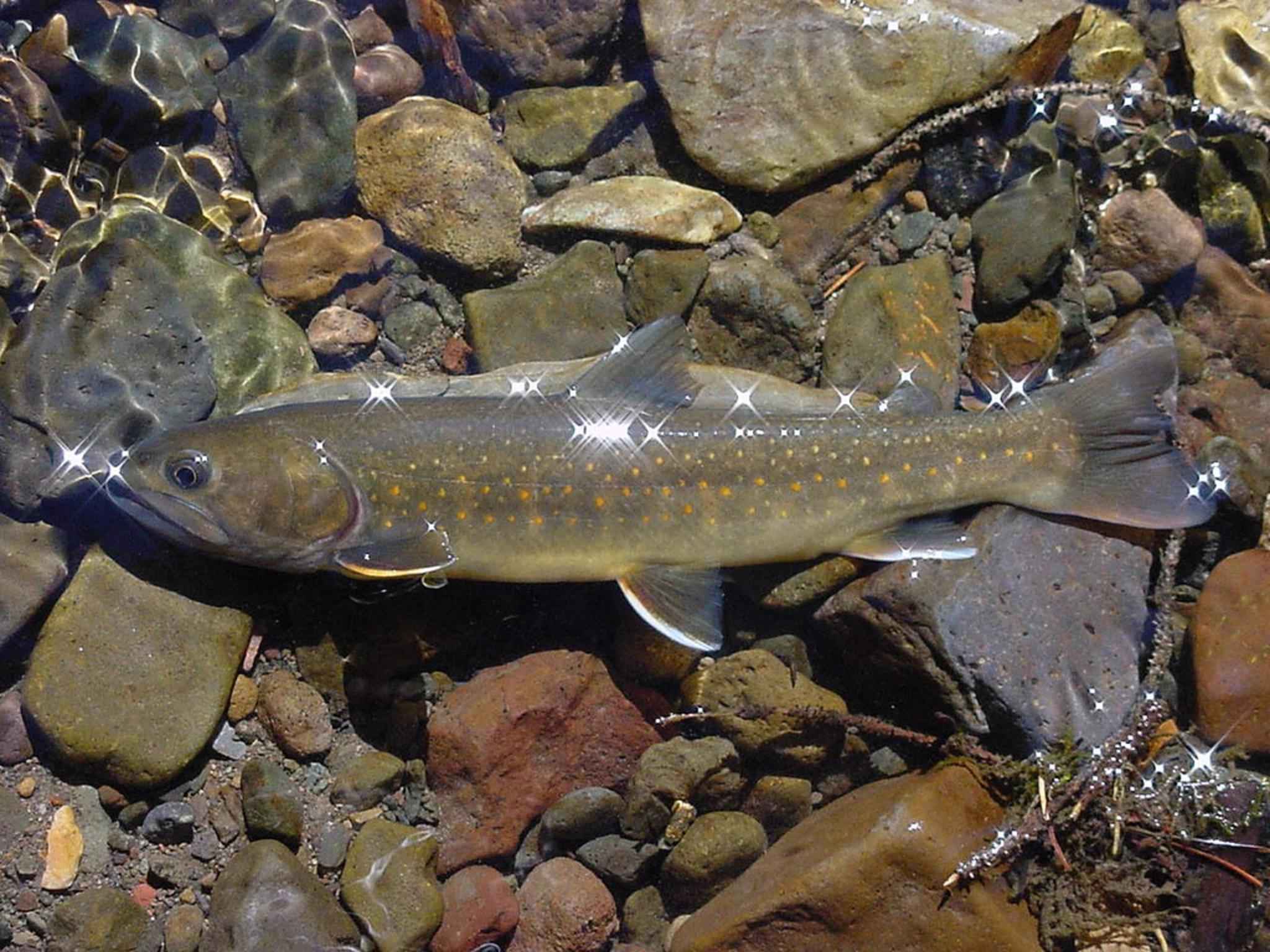

The bull trout is a fish of wild, cold, pristine places, and one of the most special catches in North America. Despite its name, it isn't a trout at all but a char, a close relative of the brook trout, lake trout, and Dolly Varden, native to the cold, clean rivers and lakes of the Pacific Northwest and northern Rockies. It's an apex predator: a big, aggressive, fish-eating machine that grows to trophy size by hunting other trout, whitefish, and sculpins in the frigid waters it calls home. A big bull trout, olive-backed, cream-and-orange spotted, with a broad head and a predator's mouth, is a genuine bucket-list fish, and hooking one that charges out of a deep run to crush a streamer is an experience anglers chase for a lifetime.
But catching bull trout comes with a serious responsibility. In the United States, the bull trout is listed as a threatened species under the Endangered Species Act, and it is heavily protected. Many waters are entirely closed to targeting them, and where fishing is allowed, parts of Montana, Idaho, and especially British Columbia and Alberta, it is almost always strict catch-and-release with special regulations. Before you fish for bull trout, you must know and follow the local regulations. This guide covers where bull trout live, how to catch them where it's legal, and, above all, how to handle and protect this remarkable native char.
Know the Rules First
This is the most important section in this guide. Because bull trout are threatened and protected, regulations vary enormously by state, province, and even individual water, and they change. Some waters are completely closed to fishing for bull trout; others require a special permit or catch card; most that are open are catch-and-release only, often with single barbless hooks and bans on bait. In some places it is illegal to even target them, and an incidentally hooked bull trout must be released immediately and unharmed. It is your responsibility to check the current, specific regulations for the exact water you plan to fish before you go. When in doubt, treat every bull trout as a protected fish: don't remove it from the water, don't keep it, and release it as quickly and gently as possible. Respecting the rules is what keeps this fishery open at all.
Understanding the Bull Trout
Bull trout are char, and they show the char's classic look: pale cream, yellow, and often orange or pink spots on a dark olive-to-brown body (never black spots, a key identifier), with white leading edges on the lower fins. They have a large, broad head and a big mouth built for eating other fish, the name "bull" fits. They come in different life-history forms: stream-resident fish that stay in small headwaters, and larger migratory forms (fluvial fish that roam rivers, and adfluvial fish that live in lakes and run up rivers to spawn) that grow big by following and feeding on baitfish. The migratory fish are the trophies, reaching well over 10 pounds and sometimes 20-plus in the best systems.
Two things define bull trout: they are cold-water obligates and apex piscivores. They require very cold, very clean, well-connected water, they're often called an indicator species because their presence signals a pristine, healthy watershed. And they eat fish: a bull trout's world revolves around hunting other trout, mountain whitefish, sculpins, and any baitfish it can catch. Understanding that they're cold-loving fish predators is the key to everything about how you find and catch them.
How to Catch Bull Trout: Streamer FishingWhere to Find Bull Trout
Bull trout live in the cold, clean waters of the Northwest and northern Rockies, Montana, Idaho, Washington, Oregon, and up into British Columbia and Alberta. Focus your search (where legal) on:
- Cold, deep river runs, pools, and pockets where big fish hold and ambush prey, especially near current that funnels baitfish.
- Confluences and areas holding baitfish, bull trout position where other trout and whitefish concentrate.
- Cold headwater streams for smaller resident fish, and big glacial or mountain rivers and lakes for the migratory giants.
- Deep, cold, structure-rich water in lakes for the adfluvial fish, which move up tributaries to spawn in fall.
Because they demand cold water, bull trout push into the coldest available water in summer and are strongly tied to the healthiest, cleanest parts of a system. Find the cold water and the baitfish, and you've found the bulls.
Big Streamers: The Go-To Method
The classic way to catch bull trout on the fly is with big streamers. Bull trout eat fish, so you fish flies that imitate fish, large articulated streamers, sculpin patterns, and baitfish imitations, often several inches long, in white, olive, natural, and flashy colors. Fish them on a stout rod (a 6- to 8-weight) with a sink-tip or sinking line to get down into the deep, cold runs and pools where bulls hold, and strip them back with an aggressive, erratic retrieve that mimics a fleeing or wounded fish. When a bull trout commits, it often charges the fly and crushes it, and sometimes you'll see the fish materialize behind the streamer before it eats. It's visual, aggressive, big-fish fishing at its finest.
Streamers That Bull Trout LoveThe Follow: A Bull Trout Trick
One of the most famous bull trout behaviors is the follow. Bull trout are so aggressive and so keyed on eating other fish that they will chase a hooked trout or whitefish right to the net, and savvy anglers use this. If you're fishing a river that holds bull trout and you hook a smaller trout or whitefish, keep an eye out: a big bull may follow your hooked fish in, giving you a shot at casting a streamer or a lure to the visibly fired-up predator. Some anglers deliberately target bulls this way, using the commotion of a smaller fish to draw a big one into view. Where legal, it's a deadly and thrilling tactic, sight-fishing to an apex predator you've enticed into the open.
Giant Bull Trout on the FlySpoons, Spinners, and Jerkbaits
Bull trout aren't just a fly-rod fish. Where conventional gear and lures are legal (again, check the rules, single barbless hooks are often required), big spoons, large spinners, and minnow-imitating jerkbaits and swimbaits are excellent for imitating the baitfish bulls hunt. Cast and retrieve them through deep runs, pools, and around structure, or troll them in lakes for the adfluvial fish. A flashing spoon or a wobbling jerkbait swimming through a bull's ambush zone triggers the same predatory response as a streamer. Match the size of the local baitfish and fish the lure with an erratic, wounded-baitfish action to draw the strike.
Fishing a River for Big Bull TroutReading the Water and Finding Big Fish
Locating a trophy bull trout is often the hardest part, these are not numerous fish, and the big ones are relatively few and far between. Persistence and covering water pay off. Work the deep, cold, fishy-looking runs and pools thoroughly, focus on areas holding the baitfish bulls eat, and be willing to hike and explore to find the pristine, lightly pressured water these fish prefer. In clear water you can sometimes sight-fish, spotting a big bull holding in a pool or run and presenting to it directly. The reward for the effort is a fish that represents the very best of a wild, healthy river.
Timing matters too. Bull trout feed hardest when the water is cold and baitfish are on the move. Late summer and fall, as bulls stage and migrate toward spawning tributaries, can concentrate big migratory fish in the rivers and offer some of the year's best (and most sensitive) fishing, which is exactly why many spawning areas and seasons are closed to protect the fish. Spring and early summer, as flows drop and clear after runoff, also produce well. Always weigh the timing against the regulations, and steer clear of spawning fish on their redds even where fishing is otherwise open.
The Quest to Find a Bull TroutTackle for Bull Trout
Gear up for big fish and big flies or lures:
- Fly: A 6- to 8-weight rod with a sink-tip or full sinking line to get streamers deep, a stout leader, and a box of large articulated streamers, sculpin, and baitfish patterns.
- Conventional: A medium to medium-heavy spinning or casting outfit with a smooth drag and 8- to 15-pound line, throwing big spoons, spinners, and jerkbaits, where legal, with single barbless hooks.
- Landing and release gear: A large rubber net, forceps or pliers for quick unhooking, and wet hands. Everything about your setup should be built to land and release a big fish fast and unharmed.
Because you may hook a genuine trophy, don't under-gun yourself, but the priority is always gear that lets you release the fish healthy.
Catch-and-Release: Do It Right
Given their threatened status, careful release isn't optional, it's the whole point. Follow best practices every time:
- Keep the fish in the water. Minimize or eliminate air exposure; don't lay a bull trout on rocks or the bank.
- Use barbless hooks and unhook quickly with forceps or pliers, keeping the fish wet.
- Handle with wet hands, support the fish horizontally, and never squeeze it or hold it by the gills.
- Revive fully by holding the fish upright in gentle current until it swims off strongly.
- Skip the trophy photo if it means keeping the fish out of water, or make it fast, with the fish over the water and back in within seconds.
A bull trout released perfectly is a fish that spawns and swims for another angler. That's the standard.
Catching and Releasing Bull Trout in the BackcountrySome of the best and most responsible bull trout fishing happens deep in the backcountry, on foot, far from crowds, where the water is coldest and cleanest and the fish are least pressured. Hiking or backpacking into remote, legal water not only improves your odds at an unpressured trophy, it also disperses angling pressure away from the vulnerable spawning and staging areas closer to the road. If you're willing to put in the miles, you'll often find the healthiest populations and the most rewarding fishing, all while treading lightly on the fishery.
The Fight: A Cold-Water Bruiser
A big bull trout doesn't fight like a leaping rainbow, it fights like the heavy, muscular predator it is. When one eats your streamer in a deep run, expect a strong, dogged battle: powerful head-shakes, bulldogging dives back toward the bottom and any woody cover, and the sheer weight of a fish that's spent its life eating other fish in cold, oxygen-rich water. On a fly rod loaded to fight big fish, it's a deeply satisfying tussle, but you'll want to land the fish efficiently rather than playing it to exhaustion, a quick, controlled fight is both more sporting and far better for a threatened fish you intend to release. Keep steady pressure, use the rod's backbone, steer the fish away from snags, and get it to the net before it's totally spent so you can revive and release it strong.
Part of what makes the whole experience so memorable is the setting. Bull trout live in the most beautiful, remote, and pristine water on the continent, glacier-fed rivers, clear mountain pools, and cold wilderness lakes ringed by peaks. Chasing them takes you into wild country and rewards you with a fish that is, quite literally, a living symbol of a healthy watershed. That combination of stunning surroundings, big aggressive fish, and the responsibility of protecting a threatened native is exactly what makes bull trout fishing so special.
Common Bull Trout Mistakes
- Not checking the regulations. The cardinal sin. Fishing a closed water or targeting bulls where it's illegal harms the fish and the fishery. Know the rules for your exact water.
- Fishing warm or degraded water. Bull trout need cold, clean water. Fish the coldest, cleanest parts of a system.
- Small flies and lures. Bulls eat fish. Go big to imitate the baitfish, trout, and whitefish they hunt.
- Poor release handling. Air exposure, dry hands, and rough handling can kill a threatened fish. Release perfectly, every time.
- Confusing them with brook trout or Dolly Varden. Know your char, bull trout have pale spots (never black) and specific features. Correct ID matters for regulations and conservation.
Put It All Together
Catching bull trout comes down to a few things done right: first and foremost, know and follow the strict regulations for the exact water you fish; then find the cold, clean, baitfish-rich runs, pools, and lakes where these apex predators live; present a big streamer, spoon, spinner, or jerkbait that imitates the fish they eat; watch for the follow; and handle every fish you catch with flawless catch-and-release care. It's demanding, low-numbers, big-fish fishing in some of the most beautiful country on the continent, and landing a trophy bull trout, then watching it swim away strong, is one of the great experiences in the sport.
The bull trout is a char, and its relatives offer more cold-water adventure. The lake trout is the giant char of deep cold lakes, and the beautiful brook trout is the char of clean headwater streams. Learn the bull trout, and treat it with the care a threatened native deserves, and you've connected with one of the wildest fish in North America.
Ready to chase a bull trout the right way? It starts with homework: confirm the current regulations for the exact water you plan to fish, scout the cold, clean, well-connected rivers and lakes where these apex char actually live, and commit to flawless catch-and-release before you ever make a cast. Nail those three things, the rules, the water, and the release, and you are set up not just to catch one of North America's wildest fish, but to protect it for the next angler who comes looking.