Fish
Fish Fire
Fire Hike
Hike Bird
Bird

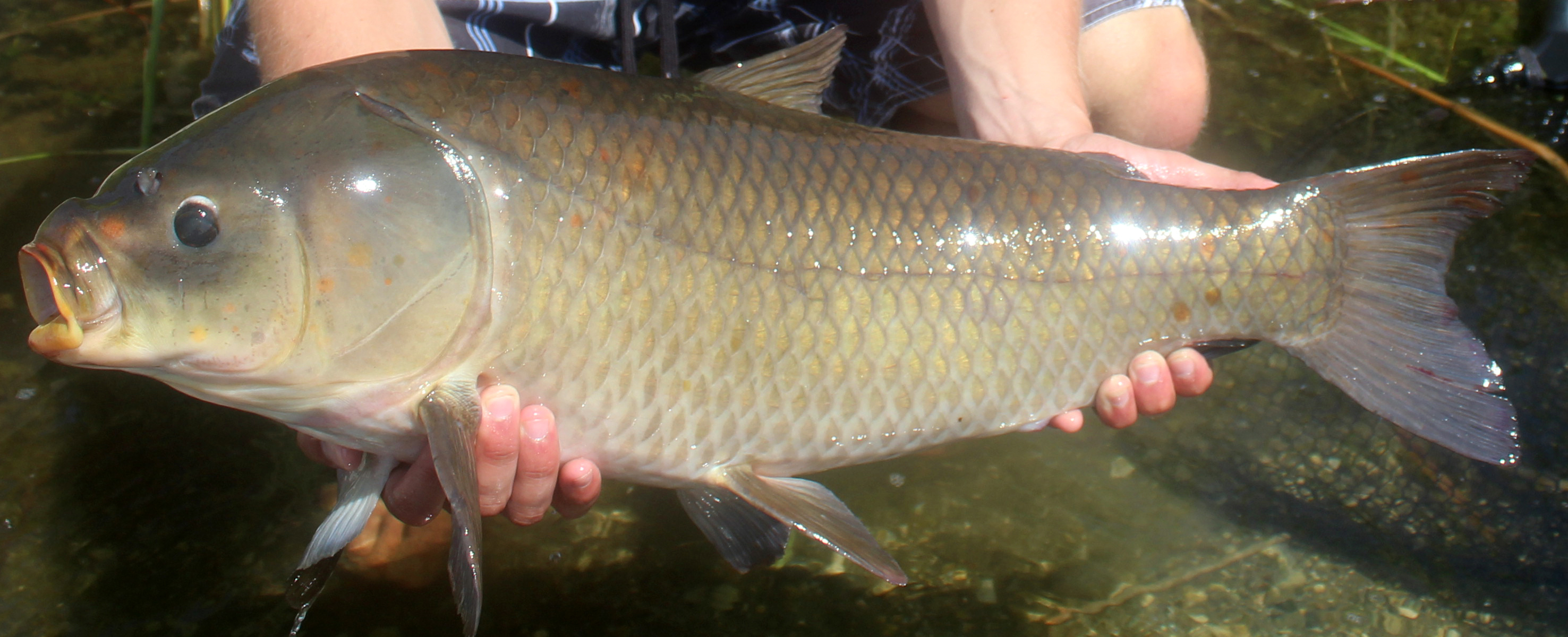

The bigmouth buffalo (Ictiobus cyprinellus) is a true North American giant, the largest member of the sucker family, a deep-bodied, hard-fighting native fish that can top 30, 50, or even 70-plus pounds, and one of the most extraordinary animals in fresh water. Recent science revealed that bigmouth buffalo are among the longest-lived freshwater fish on Earth, with individuals aged at well over 100 years, some past 110, 120, even 127 years old. Long dismissed as a "rough fish" and left to bowfishers, the bigmouth buffalo is increasingly recognized as a genuine rod-and-reel challenge: a wary, filter-feeding leviathan that fools very few anglers on hook and line. Catching one on rod and reel is a real accomplishment. This guide covers how to catch bigmouth buffalo on bait, how to bowfish them, and how to tell them from carp and their smallmouth cousins.
What Is a Bigmouth Buffalo?
The bigmouth buffalo is the largest sucker (family Catostomidae) in North America, native to the Mississippi, Missouri, Ohio, and Red River drainages and the lakes and reservoirs of central North America and the Prairie provinces. It has a deep, robust, laterally compressed body, a high arching back, a long sickle-shaped dorsal fin, and large scales, colored a dusky olive-bronze to slate gray. Its defining feature is the mouth: unlike the downturned mouth of most suckers, the bigmouth buffalo has a large, forward-facing (terminal), sharply oblique mouth that opens upward, a filter-feeding mouth built to strain plankton and tiny invertebrates from the water column, not just graze the bottom. Bigmouth buffalo commonly run 5 to 20 pounds, with trophy fish exceeding 30 to 50 pounds and the largest topping 70 pounds; it is the biggest of the three buffalo species.
For anglers, the key trait is that bigmouth buffalo are filter-feeders, they eat zooplankton, tiny crustaceans, insect larvae, and other minute organisms strained from open water and the bottom, feeding in the water column as well as along the bottom. That diet is exactly why they're so hard to catch on hook and line: they aren't chasing lures or grabbing big baits, so fooling one demands small, soft, subtle baits and a lot of patience. They're also extremely wary, powerful, schooling, and, famously, capable of living more than a century. Add in their enormous size and dogged, bulldogging fight, and the bigmouth buffalo is one of freshwater's most fascinating and formidable targets.
Where and When to Catch Bigmouth Buffalo
Bigmouth buffalo are native to and abundant across the central U.S. and up into Canada, the Mississippi, Missouri, Ohio, and Red River drainages, the Great Lakes region, and reservoirs, lakes, and slow rivers from the Gulf north into Saskatchewan and Manitoba, with introductions elsewhere (including desert reservoirs in the Southwest, where some of the oldest fish have been found). Look for them in lakes, reservoirs, oxbows, backwaters, and slow river reaches, bigmouth buffalo favor quieter, more still water than the current-loving smallmouth buffalo. They cruise and feed in loose schools, holding over soft bottoms and flats and roaming the water column where plankton is thick.
The best fishing is generally spring through fall, with spring especially productive as buffalo move shallow into bays, flats, and backwaters to feed and spawn, becoming accessible to bank and shallow-water anglers. Warm-weather months bring active feeding, and buffalo can be caught throughout the open-water season. They feed throughout the day; rod-and-reel specialists favor calm, warm days when they can spot buffalo rolling, cruising, or feeding shallow. Bowfishers target them in the shallows, especially in spring when fish move up to spawn. Wherever you fish, watch for cruising or surface-rolling buffalo, because they feed in the water column, they often give themselves away near the top on calm days.
Dough and Bread Baits: The Rod-and-Reel Approach
Catching a bigmouth buffalo on rod and reel is a genuine challenge, and the key is small, soft baits that match their filter-feeding, plankton-and-invertebrate diet.
Bigmouth Buffalo, Fun Facts and FishingThe most productive baits are dough baits, bread, and similar soft offerings, buffalo respond to bread flake or paste, dough balls (often made with cornmeal, flour, wheat bran, and flavorings), and sometimes tiny bits of worm. Because bigmouth buffalo feed in the water column as well as the bottom, some anglers fish soft baits under a float set at feeding depth as well as on the bottom, but a small soft bait presented where buffalo are feeding is the constant. Use a small hook, light and low-visibility line, and a subtle presentation, this is finesse fishing, not big-bait power fishing. A hair rig or a small hook lightly embedded in dough or bread works well. Patience is essential: buffalo are finicky and cautious, mouthing and rejecting baits, so watch for subtle takes and be ready for a powerful run once you hook up. Landing a big buffalo on appropriate tackle is a serious battle.
Baits, Rigs, and Chumming
Dialing in your bait, rig, and especially your chumming dramatically improves your odds with these wary filter-feeders.
Best Baits for Buffalo and CarpEffective rigs include a simple bottom rig or a hair rig with a small hook and a dough or bread bait, using just enough weight to hold, or a float rig set to suspend a soft bait in the water column where buffalo cruise. Keep everything scaled down and unobtrusive. The real game-changer is chumming: pre-baiting an area with bread, dough, cracked corn, wheat bran, range cubes, or similar attractants concentrates buffalo and gets them feeding confidently, much as carp anglers pre-bait. A cloud of fine chum is especially effective for filter-feeding bigmouth buffalo, drawing them in and getting them straining the water where your hookbait waits. Buffalo competing over a chummed spot are far more likely to take your hookbait. Build a spot with chum, present a matching soft bait, and be patient, the combination of good chumming, a subtle rig, and matched hookbait is often what separates success from a blank day.
Filter-Feeding Tactics: Fishing the Water Column
What sets bigmouth buffalo apart from other buffalo is that terminal, upturned mouth and their habit of filter-feeding in open water, and adjusting your tactics to it pays off.
A Fishing Method for BuffaloBecause bigmouth buffalo strain plankton from the water column, they're often found suspended or cruising rather than glued to the bottom, and on calm days they'll roll and porpoise at the surface as they feed. Watch for that surface activity and for mud clouds where fish are working, then present a soft bait, under a float set to the feeding depth, or slow-sinking through the zone, right where they're straining water. Fine, cloudy chum that mimics a plankton bloom is deadly here. This is a different game from bottom-grazing smallmouth buffalo: think of it as matching the "hatch" of tiny drifting food with a small, soft, suspended offering. Dial in the depth, keep your presentation subtle, and be ready, a hooked bigmouth in open water will make long, powerful runs.
Bowfishing for Bigmouth Buffalo
For many anglers, the traditional way to take bigmouth buffalo is bowfishing, and because buffalo are big, abundant, and move shallow to spawn, they're a premier bowfishing target.
Bowfishing for BuffaloBowfishers stalk the shallows, especially in spring when buffalo move up into bays, flats, and backwaters to feed and spawn, looking for fish cruising, rolling, or feeding near the surface, and take them with a bowfishing arrow. It's sight-fishing that rewards stealth, good polarized vision, and quick, accurate shooting, often done from a boat with elevated platforms and lights for night bowfishing. Bigmouth buffalo's great size makes them a prized bowfishing catch. That said, because bigmouth buffalo are so extraordinarily long-lived and slow to replace their numbers, bowfishing pressure is a real conservation concern, so check your local regulations carefully, rules on methods, seasons, and which species may be taken vary by state and province, and some waters protect buffalo. Bowfishing is also a common way buffalo are harvested for the table.
Telling Bigmouth Buffalo from Carp and Smallmouth Buffalo
Bigmouth buffalo are frequently confused with common carp and with their cousin the smallmouth buffalo, so identification matters, especially where regulations differ.
Identifying the Buffalo FishesThe quickest way to distinguish buffalo from common carp: carp have two barbels (whiskers) at each corner of the mouth and a serrated spine at the front of the dorsal fin, while buffalo have no barbels and no dorsal spine. Buffalo also have a cleaner, more uniform bronze-slate color without the carp's dark scale outlines. To separate bigmouth from smallmouth buffalo: the bigmouth has a large, forward-facing (terminal), oblique mouth that opens upward for filter-feeding in the water column, and a somewhat less arched back, while the smallmouth buffalo has a smaller, distinctly downturned (subterminal) mouth for bottom feeding and a more sharply humped, compressed body. Both are native suckers, not carp (which are introduced from Eurasia). Learning these differences helps you correctly identify your catch, follow regulations, and appreciate that you've caught a native buffalo, not an introduced carp.
Understanding Bigmouth Buffalo Behavior
Everything about catching bigmouth buffalo flows from the fact that they're wary, filter-feeding specialists. They eat tiny, soft foods, zooplankton, small crustaceans, insect larvae, and organic matter, strained from the water column and the bottom, so they simply don't respond to lures or big baits the way predators do; fooling one means a small, soft, subtle bait presented where they're feeding, ideally amid a cloud of fine chum. They're extremely cautious, often mouthing and rejecting baits, which is why finesse presentations, light low-visibility line, and patience are essential. And they're powerful and long-lived, giving a hard, dogged fight and rewarding the angler who earns the bite.
Location is a matter of finding still or slow water with plankton and food: bigmouth buffalo favor lakes, reservoirs, oxbows, backwaters, and slow river reaches, moving shallow in spring and roaming flats and the water column otherwise. They school, so chumming to concentrate a group and get them competing is the key to consistent rod-and-reel success. Think of buffalo fishing as a blend of carp-style chumming and finesse fishing for a wary, giant native fish, find the fish, pre-bait the spot with fine chum, present a matched soft bait where they're straining water, and be ready for a serious battle when one of these ancient, powerful fish finally commits. It also helps to fish quietly and keep a low profile, since buffalo in shallow water spook easily, and to give a chummed spot time to work, buffalo often take a while to move in and settle, and the angler who waits out a pre-baited swim is usually the one who connects with these cautious giants.
Conservation: Among the Oldest Fish on Earth
The bigmouth buffalo carries one of the most remarkable conservation stories in fresh water. Recent research using bomb-radiocarbon dating and growth-ring analysis revealed that bigmouth buffalo are astonishingly long-lived, individuals have been aged at well over 100 years, with documented fish past 110, 120, and even 127 years old, making the bigmouth buffalo the longest-lived freshwater teleost (bony fish) known to science. A big buffalo may be far older than the reservoir it swims in, and may have hatched before the dam that created its home even existed.
Buffalo Living Past 100 YearsThis extreme longevity has major implications. Studies have found some populations dominated by very old fish with almost no successful young recruitment for decades, meaning the fish you catch may be irreplaceable for a human lifetime. That makes bigmouth buffalo highly vulnerable to overharvest, particularly from unlimited bowfishing and commercial pressure that removes the biggest, oldest fish. These are not disposable "rough fish" but ancient native animals, so a growing number of anglers practice catch and release with rod-and-reel buffalo, especially trophy fish. Where you do harvest buffalo, do so thoughtfully and within regulations, and consider releasing the largest, oldest fish. Handle release fish gently, support their weight, minimize air time, and revive them fully. Valuing the bigmouth buffalo as a century-old native marvel, rather than a nuisance, is part of a growing movement to protect these extraordinary fish.
Cleaning and Eating Bigmouth Buffalo
Bigmouth buffalo are good eating and have long supported commercial and subsistence fisheries, the flesh is white, firm, and mild, and buffalo are a traditional food fish across their range, especially in the South and Midwest. Bigmouth buffalo is also the primary buffalo raised in aquaculture and sold as "buffalo fish." The catch is that, like other suckers, they have a set of small "floating" Y-bones that require handling.
Cleaning and Filleting Buffalo FishThe classic preparations deal with the bones: buffalo are often scored (many closely-spaced shallow cuts) and fried, which crisps the small bones so they're unnoticeable, or smoked, which softens the bones and yields a rich, flavorful product. Buffalo ribs (the fatty belly meat) are a Southern delicacy, and buffalo is also canned. The flesh is best from cooler, cleaner water. If you keep buffalo to eat, ice them promptly and prepare them by scoring, smoking, or filleting as appropriate. That said, given how extraordinarily long-lived these fish are, many anglers now release the biggest ones and keep only smaller, more replaceable fish for the table where legal, a thoughtful balance between enjoying good table fare and protecting ancient giants. Always follow local regulations.
Bringing It All Together
The bigmouth buffalo is a true native heavyweight, the largest sucker in North America, a powerful, wary, century-old giant that offers one of freshwater's most rewarding challenges on rod and reel. Find them in the still and slow waters of lakes, reservoirs, and backwaters, chum a spot with fine attractant to concentrate and settle these cautious fish, and present a small, soft dough or bread bait where they're straining the water, then hang on for a bulldogging fight from a fish that may be older than your grandparents. Bowfishing offers another way to pursue them in the shallows. Learn to tell them from carp and smallmouth buffalo, handle these ancient natives with respect, and consider releasing the biggest fish. Whether you chase them with bait, bow, or simply admiration, the bigmouth buffalo is one of North America's most impressive and underrated fish.
For more big, hard-fighting bottom fish and buffalo relatives, see our guides to the smallmouth buffalo, the common carp, and the white sucker.
Want to take on one of freshwater's toughest rod-and-reel challenges? Chum a spot with a fine cloud, dial in a small soft bait at the feeding depth, and out-wait these wary giants, landing a trophy bigmouth buffalo on hook and line puts you in rare company.