Fish
Fish Fire
Fire Hike
Hike Bird
Bird

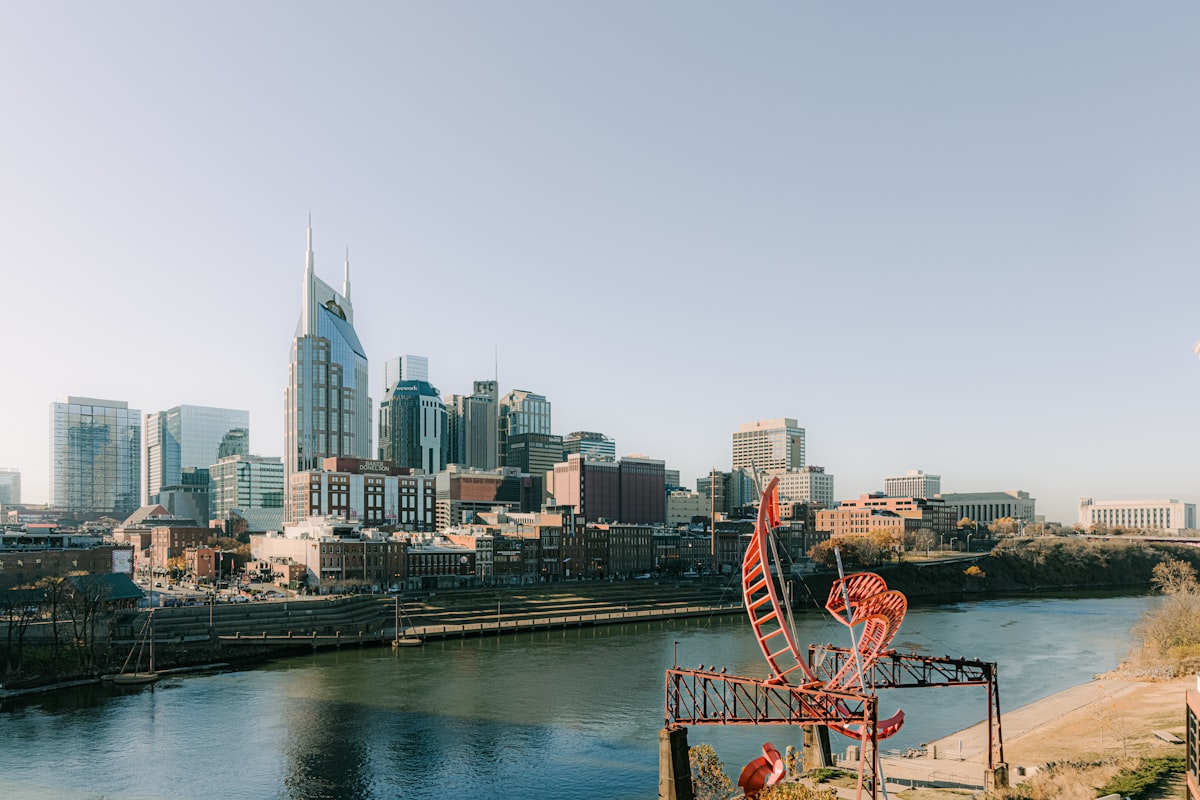

Nashville has quietly assembled one of the most diverse fishing portfolios of any major American city. Within the metro area, Percy Priest Lake offers 14,000 acres of bass, crappie, and striper fishing with 15 free boat ramps. The Cumberland River below Old Hickory Dam produces trophy striped bass exceeding 50 pounds and state-record blue catfish. An hour east, the Caney Fork tailwater holds brown and rainbow trout year-round. Two hours northeast, Dale Hollow Lake produced the world-record smallmouth bass, a record that's stood since 1955.
All of this sits behind a city known for honky-tonks and hot chicken, which means the fishing pressure is a fraction of what you'd find near any comparably productive waters in the Ozarks, the Carolinas, or the Great Lakes.
Percy Priest Lake: Nashville's Backyard Fishery
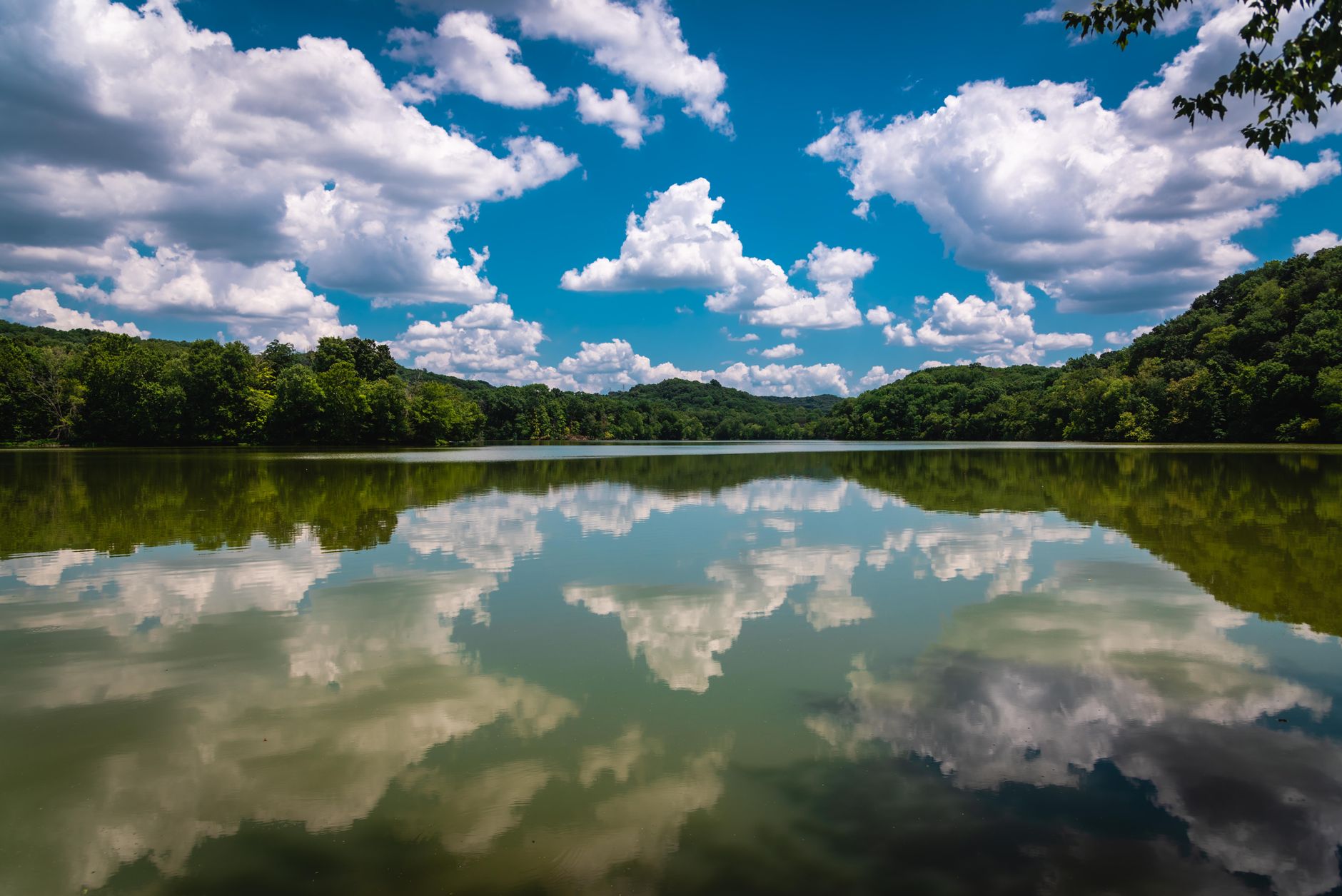
Percy Priest is the lake that Nashville locals fish on weekday evenings and Saturday mornings. Eight miles from downtown, 14,200 acres of water spread across the Stones River valley with 260 miles of shoreline. Largemouth bass, smallmouth bass, crappie, striped bass, walleye, and catfish, it's a full-menu fishery with year-round access.
Bass: The main draw. Largemouth hold along the upper reservoir embayments, Spring Creek, Fall Creek, and Stewart Creek are the marquee coves. Smallmouth concentrate near Hamilton Creek on rocky structure. In spring, work shallow spawning banks with lipless crankbaits and white spinnerbaits near brushy shorelines. Summer pushes fish deeper, Ned rigs and shaky heads along bluff walls. Fall is topwater season: schooling bass chase shad on the surface, and a Heddon One Knocker Spook across the boils produces explosive strikes.
TWRA has placed fish attractors, engineered brush piles, throughout the lake, designed so you can run spinnerbaits and crankbaits through them without snagging. These hold bass year-round, particularly from November through April in 6-15 feet of water.
Crappie: Percy Priest is a top Tennessee crappie destination, and the spring spawn (mid-April through May) is the main event. Crappie move shallow to spawn, and a single long panfish rod with a curly-tail grub or Roadrunner jig is all you need. When fish are scattered, spider rigging, slow-trolling multiple rods to cover water, is the go-to technique. TWRA brush piles at 14-20 feet hold fish year-round for vertical jigging with minnows or small jigs.
Stripers and hybrids: Percy Priest holds both striped bass and hybrid stripers. Trolling and downlining are the standard patterns, but casting artificials near dam structures and bluff walls produces too.
Access: 15 free public boat ramps (no launch fees). Five marinas offer gas, boat rentals, and food. Popular shore-fishing spots at Stewart Creek, Vivrett Creek, and Cook Recreation Areas. You don't need a boat to catch fish here.
Cumberland River: Trophy Stripers and State-Record Catfish
The Cumberland River below Old Hickory Dam is serious trophy water. This is not suburban pond fishing, this is big fish in big current.
Striped bass: Stripers stack up in the boils and eddies below the dam, holding in current seams and behind breaks. Live bait is the preferred method for trophies, skipjack herring, gizzard shad, and even rainbow trout on heavy gear (50-pound test, titanium hooks). Spoons and jigs produce too. Fish regularly exceed 40-50 pounds. The peak run is late April through early June when stripers push upriver to spawn, but they're catchable year-round.
Blue catfish: The Cumberland River is a legitimate trophy blue catfish destination. Angler Micka Burkhart caught a 118.7-pound blue cat in September 2022, then broke his own state record with a 122.3-pound blue in June 2023. Both fish came from the Cumberland in Stewart County. On the day of his first record, he also landed 72-pound and 69-pound blues. The technique is simple: cut bait (skipjack, shad) in deep holes and pools on 30-pound test. Channel cats and flatheads are also present throughout the system.
Old Hickory Lake: The Other Nashville Lake
Old Hickory covers 22,500 acres northeast of Nashville with 450 miles of shoreline. Largemouth bass, smallmouth bass, and hybrid stripers are the primary targets. Smallmouth work the dam riprap on crankbaits and grubs in 3-10 feet. The lake doesn't get the attention that Percy Priest does, which works in your favor, less pressure, more room.
Dale Hollow Lake: The Smallmouth Capital of the World
Two hours northeast of Nashville, straddling the Tennessee-Kentucky border, Dale Hollow holds a distinction no other water on earth can match: the world-record smallmouth bass. David L. Hayes caught an 11-pound, 15-ounce smallmouth here on July 9, 1955. Six of the top ten smallmouth bass ever recorded came from Dale Hollow. The record has stood for seventy years.
Modern anglers routinely catch 20-40 smallmouth per day, with fish in the 3-5 pound range common. The lake's exceptional water clarity, visibility often exceeds 15 feet, makes it ideal for sight-fishing along rocky points and bluffs. Crayfish-imitating jigs, drop-shot rigs, and topwater poppers are the standard approaches.
Dale Hollow also holds walleye, trout (stocked in deeper sections), largemouth bass, and catfish. It's worth a multi-day trip.
Caney Fork River: Tailwater Trout
An hour east of Nashville, the Caney Fork below Center Hill Dam is a year-round tailwater trout fishery, cold, clean water holding brown and rainbow trout with fish regularly reaching 20 inches. This is primarily a fly fishing destination (see our detailed Caney Fork guide), but spin anglers catch plenty of trout on small Rapalas, Rooster Tails, and Trout Magnets. Check the dam generation schedule before going, the river rises fast when turbines run.
The Harpeth and Duck Rivers: Smallmouth Streams
The Harpeth River runs through Franklin and Bellevue in Nashville's suburbs with nine public access points. Smallmouth bass to 20 inches, rock bass, and sunfish. Best from a canoe with crankbaits, topwater poppers, and small swimbaits.
The Duck River, an hour south, is one of the most biologically diverse rivers in North America with 30-plus public access points and excellent smallmouth fishing in low-pressure conditions. Float trips by canoe or kayak are the best way to cover water.
Fishing License
Tennessee non-resident fishing licenses are affordable: $49/year for all-fish (no trout), or add the $21 trout supplement if you're heading to the Caney Fork or Elk River. Short-term options: $30.50 (10-day), $20.50 (3-day), or $6.50 (1-day). Purchase at GoOutdoorsTennessee.com, you'll need a Social Security number (state law requirement).
When to Fish Nashville
March-May: The sweet spot. Crappie spawn on Percy Priest. Bass move shallow on all lakes. Striper run begins on the Cumberland. Trout fishing picks up on the Caney Fork with sulphur hatches.
June-August: Summer bass fishing peaks with topwater action on Percy Priest. Striper fishing stays strong during generation releases. Caney Fork trout fish well despite the heat (55°F tailwater).
September-November: Fall is arguably the best all-around window. Bass are schooling on Percy Priest. Trophy brown trout are aggressive on the Caney Fork. Catfish feed heavily before winter. Dale Hollow smallmouth are active. Weather is perfect.
December-February: Slower but fishable. Winter crappie in Percy Priest brush piles. Midge fishing on the Caney Fork. Blue cats in the Cumberland.
The Hot Chicken Mandate
No Nashville fishing trip is complete without hot chicken. Prince's Hot Chicken Shack is the original. Hattie B's is the tourist-friendly version. Bolton's is the locals' favorite. Order it "hot" your first time, "shut the cluck up" is for repeat visitors. After a day on Percy Priest or the Cumberland, there is no better meal.
Come for the music. Fish everything in between.