Fort Myers Fishing: Island by Island, Pass by Pass, Fish by Fish
← All field notes

Fort Myers · Florida

Fort Myers Fishing: Island by Island, Pass by Pass, Fish by Fish

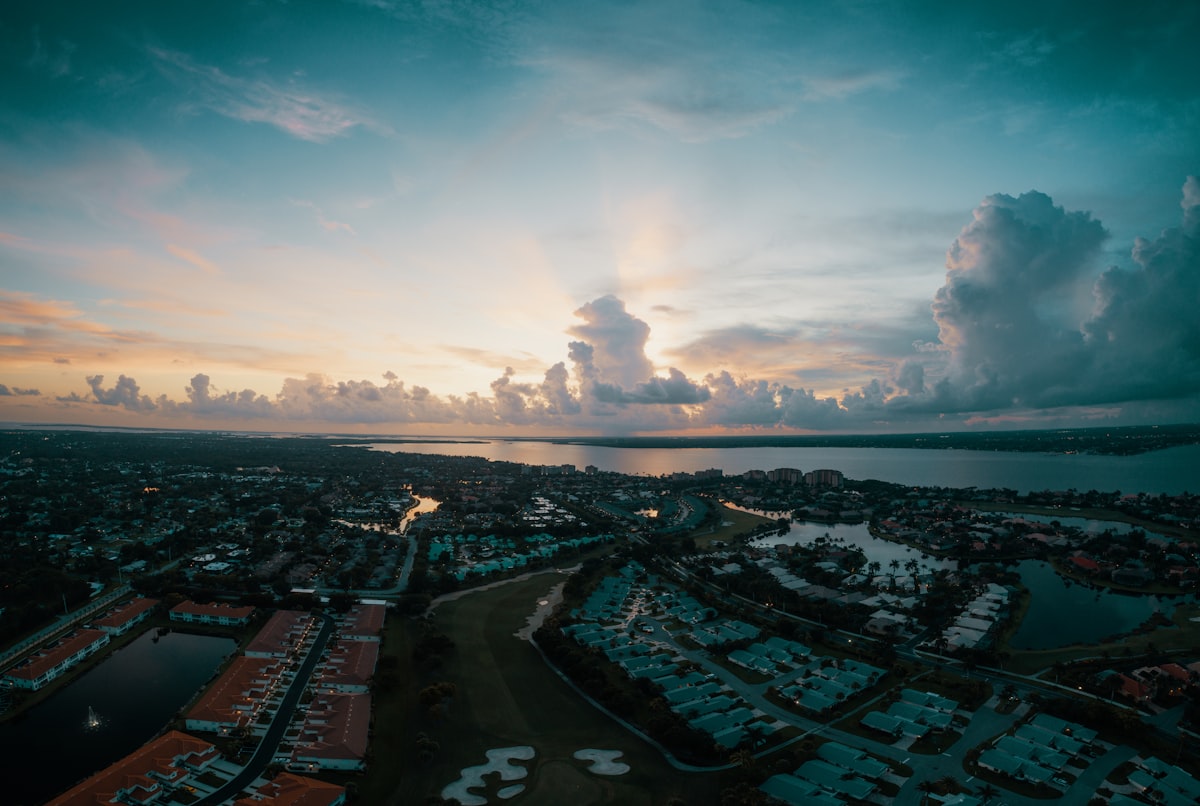
Fort Myers sits where the Caloosahatchee River meets the Gulf, and the islands that fan out from the coast, Pine Island, Sanibel, Captiva, Boca Grande, each create their own fishery with their own signature species.

Colin Van Dyke

Colin Van Dyke

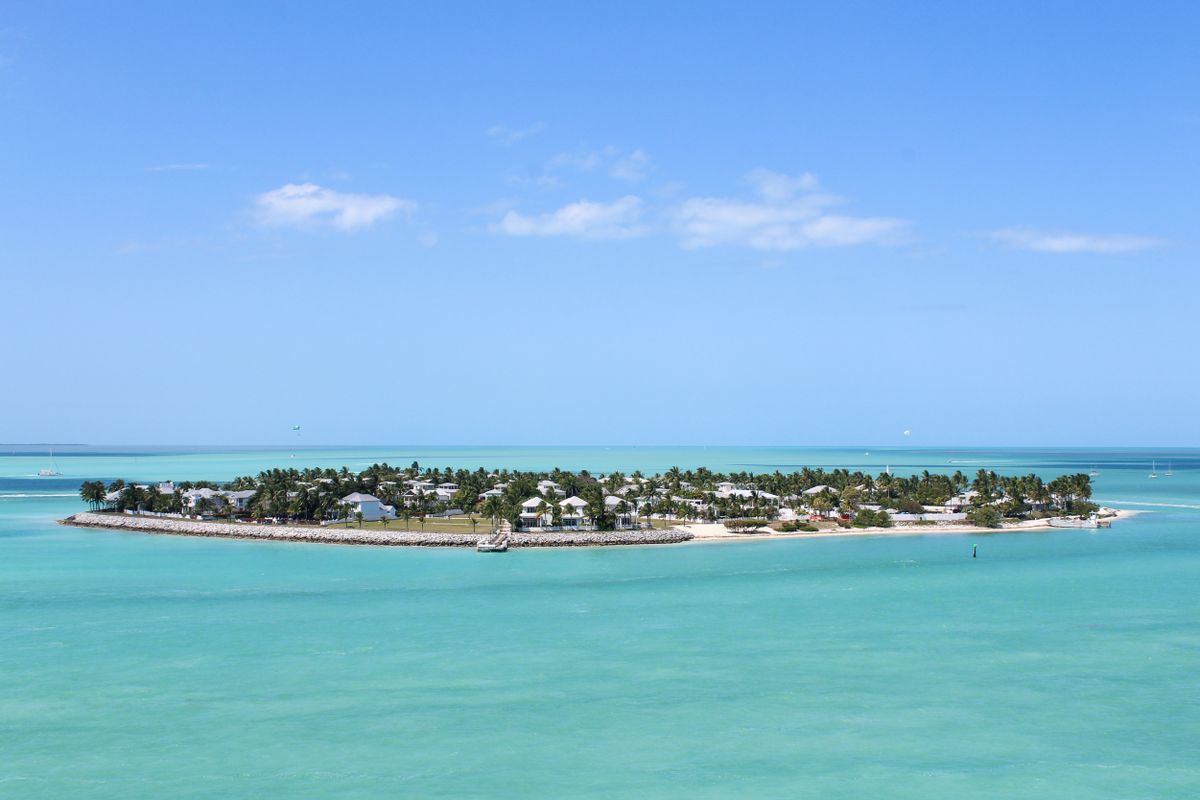
Fort Myers sits on the Caloosahatchee River where it widens into a broad estuary and empties into the Gulf of Mexico through San Carlos Bay. But the real fishing starts at the islands, a chain of barrier islands and mangrove keys stretching from Sanibel south through Captiva, Pine Island, and down to Boca Grande Pass. Each island shapes the water differently, creating distinct fisheries within a half-hour's run of each other.

The result is one of the most diverse inshore fisheries in Florida, tarpon, snook, redfish, goliath grouper, and trout all within the same island system, each holding in the habitat that suits them best.

Pine Island Sound, The Heart of the Fishery

Pine Island Sound is the sheltered body of water between Pine Island and the barrier islands. It's shallow, studded with mangrove islands, and holds fish in every season.

Snook are the signature Pine Island species. They hold under mangrove overhangs, along seawalls, and in the passes between islands, ambushing bait on the tide. Pine Island Sound snook fishing peaks in spring and summer (April through August) when the fish are aggressive and spread throughout the system. Live pilchards, white bucktail jigs, and topwater plugs at dawn are the standard approaches.

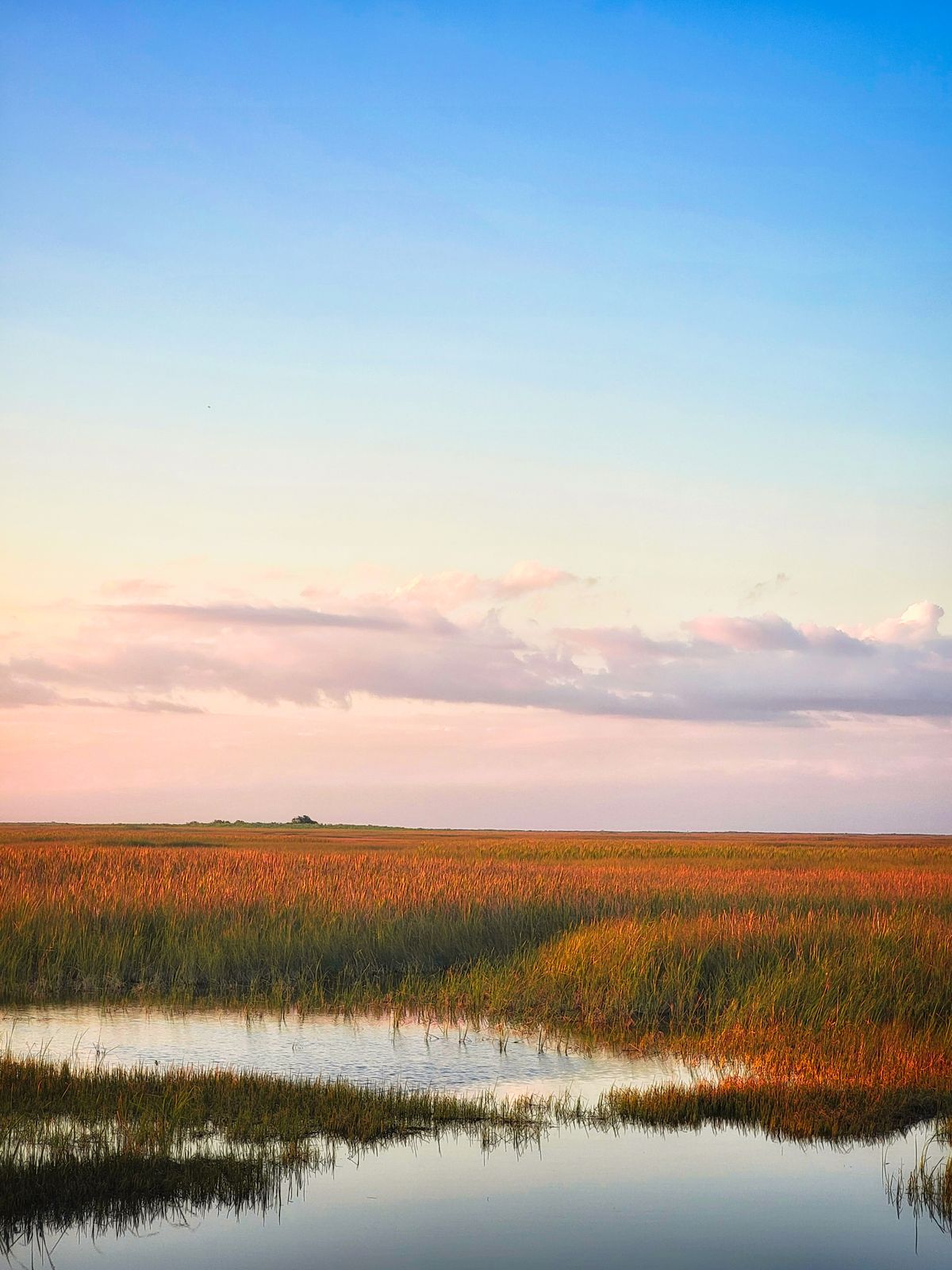
Redfish cruise the shallow grass flats and mangrove edges in schools. The sight-fishing on Pine Island Sound, poling a skiff across clear water, spotting copper-backed reds pushing through the grass, rivals anything on the Texas coast or the Florida Keys.

Spotted seatrout hold over the grass flats and around the deeper potholes, especially in the cooler months when they concentrate and the bigger fish show up.

Sanibel and Captiva, The Passes

Sanibel Island and Captiva Island create a natural barrier between the Gulf of Mexico and the sound. The passes between and around the islands, Blind Pass, Redfish Pass, Captiva Pass, funnel tidal current that concentrates bait and predators.

Snook stack in the passes during their summer spawning season (June through August), staging in the strong current and feeding aggressively. A big snook in Redfish Pass, 10 to 15 pounds of angry fish in ripping current, is one of the best fights in Florida inshore fishing.

Tarpon roll through the passes from April through July, following the bait that flushes in and out with the tide. The fish run 60 to 150 pounds, and the combination of big tarpon, strong current, and mangrove-lined shoreline makes the fight dramatic and technical.

Boca Grande Pass, Tarpon Capital

Boca Grande Pass, about 30 miles south of Fort Myers, is the most famous tarpon fishery in the world. The deep pass between Gasparilla Island and Cayo Costa concentrates migrating tarpon from May through July in numbers that defy description, on peak days, hundreds of fish roll on the surface in the pass.

The Boca Grande technique is distinctive: anglers drift through the pass, presenting crabs, live bait, or jigs at specific depths where tarpon hold in the current. The pass is deep (70 feet in places) and the current is strong, so the presentation is more vertical than in other tarpon fisheries. Hooking a 120-pound tarpon in the main current of Boca Grande Pass, with 50 other boats watching, is the defining moment of Southwest Florida fishing.

Goliath Grouper, The Giants

Fort Myers' nearshore Gulf structure, bridges, artificial reefs, and wrecks, holds goliath grouper that grow to 400-plus pounds. These massive, protected fish (strictly catch-and-release) stage around structure from July through September, and hooking one on heavy tackle is like pulling on a parked truck.

The fight is a tug-of-war rather than a run, goliath grouper dive for the structure and try to wedge themselves in. Landing one requires heavy gear, strong drag, and the willingness to pull harder than seems reasonable. It's not delicate fishing, but it's unforgettable.

When to Go

  • April–June: Tarpon arriving in the passes, snook spawning, the best overall window
  • May–July: Peak Boca Grande tarpon, goliath grouper staging, snook in every pass
  • August–October: Snook on the flats, redfish schooling, goliath grouper, fall transition
  • November–March: Trophy trout, sheepshead on structure, redfish concentrated, the "winter" season that isn't cold
Recommended gear

  • Penn Battle III 3000 Combo

    Mid-tier, Pine Island Sound inshore snook and reds

  • Shimano Stradic FL 3000

    Premium, mangrove casting, tarpon in the passes

  • Penn Pursuit IV 3000 Combo

    Entry level, Sanibel pier and bay fishing

  • DOA CAL Shad 3-inch Glow/Chartreuse

    Fort Myers inshore standard for trout and reds

  • Rapala X-Rap 10 Ghost

    Jerkbait for snook around Fort Myers bridges

  • LiveTarget Scaled Sardine

    Matches the whitebait schools in Pine Island Sound

Frequently asked

Do you need a fishing license in Fort Myers?

On a charter, the captain's license covers everyone aboard. Fishing on your own from shore, a pier, or a private boat, non-residents need a Florida saltwater license, a 3-day is about $17, at GoOutdoorsFlorida.com. Tarpon harvest requires a separate tag, though they're almost always released.

How much does a Fort Myers fishing charter cost?

Inshore trips in Pine Island Sound and around Sanibel for redfish, snook, and trout typically run about $450 to $650 for a half day. Boca Grande tarpon charters in the spring season and nearshore grouper trips run higher, generally $700 to $1,000-plus for a full day.

What is Boca Grande Pass famous for?

Boca Grande Pass is the most famous tarpon fishery in the world. Migrating tarpon concentrate in the deep pass from May through July in extraordinary numbers. Anglers drift the pass presenting crabs and live bait to fish that commonly run 80 to 150 pounds.

What is Pine Island Sound fishing like?

Pine Island Sound is a shallow, mangrove-studded body of water between Pine Island and the barrier islands. It holds snook in the mangroves, redfish on the grass flats, and trout over deeper structure. It's sheltered from the Gulf and fishes well year-round.

Can you catch goliath grouper near Fort Myers?

Yes, nearshore bridges, wrecks, and artificial reefs hold goliath grouper up to 400+ pounds from July through September. They're strictly catch-and-release (a protected species) and require heavy tackle. Hooking one is unlike any other fishing experience in Florida.

When is the best time to fish Fort Myers?

April through July is the peak window, tarpon in the passes, snook spawning, and goliath grouper staging. The fishing is excellent year-round, though, winter brings trophy trout and concentrated redfish. There's no true off-season in Southwest Florida.

What islands should I fish near Fort Myers?

Pine Island Sound (between Pine Island and Sanibel) for snook and redfish. Sanibel and Captiva's passes for summer snook and tarpon. Boca Grande Pass (30 miles south) for the world's best tarpon fishing. Each island creates its own fishery, match the island to the species.

More Florida field notes

Three Zones, Three Different Seasons, One Scallop

Steinhatchee, FL

Three Zones, Three Different Seasons, One Scallop

Florida's bay scallop season is three separate seasons, and only one of them runs on its own dates while the other two share a calendar. Pick the zone before you pick the weekend, because the drive between them is hours.

You Take the Claw and the Crab Goes Back

Everglades City, FL

You Take the Claw and the Crab Goes Back

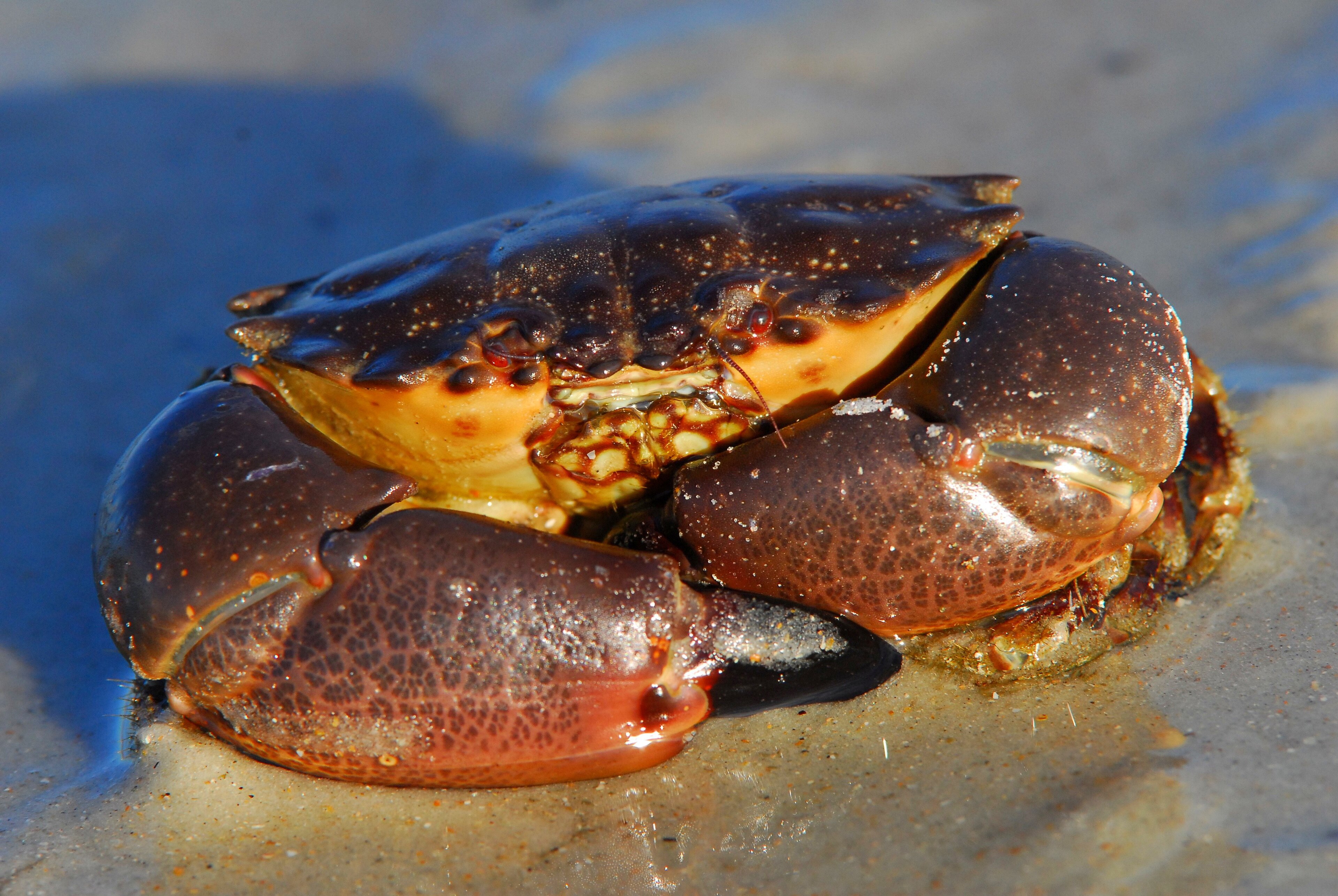
Florida stone crab is the one American fishery where you harvest a limb and return the animal alive. It regrows the claw in about a year. Whether that makes it harmless is a more interesting question than the marketing suggests.

Fly Fishing Everglades National Park: Tarpon, Snook, and Redfish in America's Wildest Saltwater Backcountry

Everglades City, FL

Fly Fishing Everglades National Park: Tarpon, Snook, and Redfish in America's Wildest Saltwater Backcountry

Everglades National Park is 1.5 million acres of mangrove backcountry, grass flats, and tidal channels holding tarpon over 100 pounds, snook that ambush from the mangrove roots, and redfish tailing on shin-deep flats. It's the only national park in America where the main attraction wears scales.

Fly Fishing Dry Tortugas National Park: Giant Tarpon, Permit, and the Fort at the End of the World

Key West, FL

Fly Fishing Dry Tortugas National Park: Giant Tarpon, Permit, and the Fort at the End of the World

Seventy miles of open Gulf separate Key West from a hexagonal Civil War fortress built on a sand island the size of a few football fields. Migratory tarpon over a hundred pounds stage in the channels around Fort Jefferson each spring, permit tail on the surrounding flats, and barracuda slash through schools of baitfish against the fort walls. Getting there is the hard part. Fishing it is the reward.

Fly Fishing Biscayne National Park: Bonefish, Permit, Tarpon, and the Best Saltwater Flats You Can Reach by Uber

Homestead, FL

Fly Fishing Biscayne National Park: Bonefish, Permit, Tarpon, and the Best Saltwater Flats You Can Reach by Uber

Biscayne National Park is 95% water, the largest marine park in the National Park System, with gin-clear turtle grass flats holding bonefish, permit, and tarpon 30 minutes south of downtown Miami. Here's the fly box, the seasonal calendar, and why this park is the Everglades' clear-water sister.

How to Fish Tampa Bay: A Beginner's Guide to Flats, Bridges, Passes, and Piers

Tampa, FL

How to Fish Tampa Bay: A Beginner's Guide to Flats, Bridges, Passes, and Piers

A hands-on beginner guide to fishing Tampa Bay, from wading the grass flats of Weedon Island and Cockroach Bay to night fishing the Gandy Bridge, working the passes on a falling tide, and pier fishing the Skyway. Covers gear, rigs, bait, species, tides, and the local knowledge that separates a good day from a blank.