Fish
Fish Fire
Fire Hike
Hike Bird
Bird

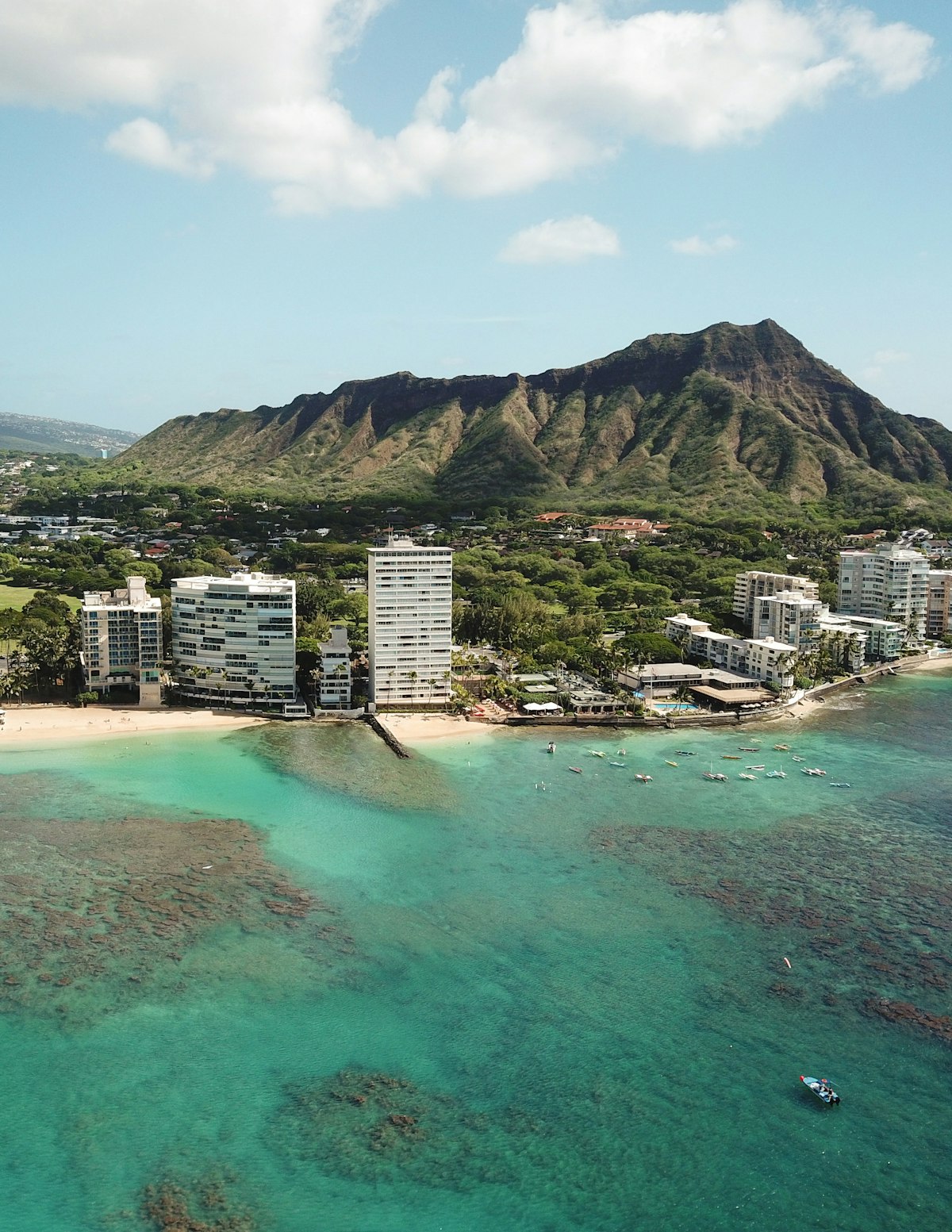

Honolulu is the only major American city where you can catch tropical reef fish from the beach, hook a trevally from a public pier, sight-fish for bonefish on the flats, and then drive 30 minutes to a reservoir for peacock bass, a Amazonian cichlid introduced to Hawaii decades ago and now established in warm freshwater ponds and reservoirs across Oahu. This is urban fishing in a tropical paradise, and the water temperature never drops below 70 degrees.
Hawaii residents do not need a licence for saltwater fishing. Walk to the beach, cast a line, catch a fish. It is that simple. Non-residents need a marine licence (starting at $20/day), but the barrier to entry is still lower than almost any state on the mainland.
Ala Moana and Magic Island: The Urban Reef
Ala Moana Beach Park is Honolulu's 100-acre waterfront park, a long stretch of sand, reef, and lagoon between Waikiki and downtown. Magic Island, the man-made peninsula at the east end of the park, is the most popular shore fishing spot in the city.
Where at Ala Moana
Magic Island: The rocky point and lagoon edges produce papio (juvenile trevally), moi (Pacific threadfin), goatfish, and reef fish. Cast small metal jigs or soft plastics along the drop-offs at sunrise. Walk-on from the park with free parking.
Ala Moana Beach frontage: The long reef flat holds various reef species. Fish the channels and deeper pockets on the incoming tide. Bait fishing with shrimp or squid on a small hook.
Kewalo Basin (harbor): The jetties and walls at Kewalo Basin produce trevally, ladyfish, and reef fish. Walk-on from the harbor area.
Ala Moana Techniques
Papio (trevally), whipping: A 7- to 8-foot medium spinning rod, 3000-size reel, 15-pound braid, 20-pound fluorocarbon leader. Small metal jigs (25-40 gram) or soft plastic swimbaits cast and retrieved fast, "whipping" is the local term for this high-speed retrieve technique targeting papio and other trevally species. Fish the sunrise and sunset periods along the reef edges and drop-offs.
Reef fishing (bait): A light spinning rod, 10-pound line, small hooks (size 6-8) baited with shrimp, squid, or pieces of fish. Fish the reef flats and channels on the incoming tide. Goatfish, wrasse, surgeonfish, and various reef species.
Bonefish (flats): Bonefish cruise the shallow sand flats in Honolulu, including areas near the airport and along the south shore. A 7- or 8-weight fly rod or a light spinning rod with small shrimp or crab flies. Sight-fish on the incoming tide. Not easy, but the fish are there.
Waikiki Fishing from Shore, Oahu, Hawaii Fishing Guide Waikiki Beach, Honolulu, Oahu, HawaiiWaikiki and Diamond Head
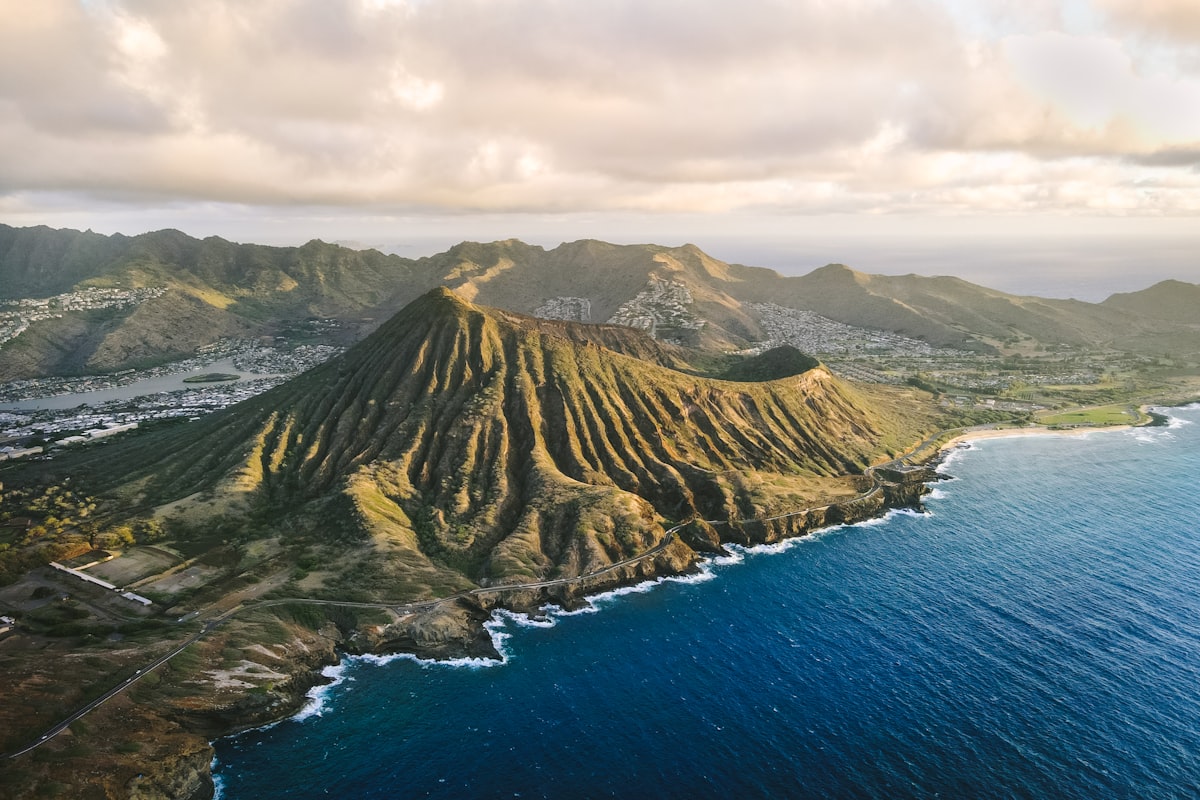
The Waikiki-Diamond Head shoreline opens for fishing in even-numbered years (2026 is open). The reef flats and rocky points hold trevally, snapper, and various reef species. Fish from the beaches and rocky access points along the seawall.
Diamond Head area: The rocky shoreline past the lighthouse holds larger fish, omilu (bluefin trevally), ulua (giant trevally on the bigger end), and reef species. Walk-on from the trail or beach access. Heavier tackle for the rocks.
Freshwater: Peacock Bass and Largemouth
Oahu's freshwater reservoirs hold introduced peacock bass, a stunning Amazonian cichlid with electric blue and gold markings that fights like a fish twice its size. Largemouth bass, smallmouth bass, tilapia, and Oscar cichlids are also present.
Wahiawa Reservoir (Lake Wilson)
The premier freshwater fishery on Oahu. Located in central Oahu, about 30 minutes from Honolulu. Holds peacock bass, largemouth bass, smallmouth bass, tilapia, and channel catfish. Public fishing area with walk-on access (entry permit required from DLNR, available online).
Peacock bass technique: A 6'6" to 7' medium spinning rod, 2500-size reel, 10-pound braid, 10-pound fluorocarbon. Small crankbaits, topwater poppers, and soft plastic swimbaits retrieved aggressively. Peacock bass are ambush predators that hit hard and fight explosively. They average 1 to 3 pounds on Oahu with occasional 5-pound fish.
Hawaii Shore Fishing, Papio and Lai, Oahu Bluefin Trevally Catch and Cook, Beach Fishing in HawaiiFishing Licence and Regulations
Saltwater (residents): No licence required for Hawaii residents fishing saltwater. Free.
Saltwater (non-residents): Marine licence required. One-day $20, 7-day $40, annual $70.
Freshwater (everyone): Required for anyone 9+. Resident $5. Nonresident $25. 7-day tourist $10.
Regulated fishing areas: Some Oahu shoreline areas have special regulations, restricted species, closed seasons, or gear restrictions. Waikiki-Diamond Head opens in even-numbered years only. Check DLNR Division of Aquatic Resources for current regulated areas.
Wahiawa Reservoir: Entry permit required (separate from fishing licence). Available from DLNR.
When to Fish
Hawaii fishing is year-round, water temperatures stay 74-82°F.
May-September (Summer): Trevally peak, papio and ulua most active. Peacock bass spawn. Longer daylight for dawn and dusk sessions.
October-April (Winter): North shore surf creates difficult shore conditions, but south shore (Honolulu side) stays fishable. Bonefish on the flats. Reservoir fishing year-round.
Tide dependent: All shore fishing in Honolulu is tide-dependent. The incoming tide pushes baitfish and gamefish onto the reef flats. Fish the last two hours of incoming and the first hour of high tide for the best action.
Practical Details
Getting there: TheBus reaches Ala Moana Beach Park (multiple routes). Waikiki is walkable. Magic Island has free parking. Wahiawa Reservoir requires a car (30 minutes from Honolulu). Many fishing spots are bikeable.
Gear that travels: A two-piece 7-foot medium spinning rod covers papio, reef fish, and freshwater bass. For ulua (big trevally) on the rocks, heavier gear is needed. Most visitors don't bring gear, fishing rods are available at Walmart (multiple Oahu locations) and local tackle shops.
Tackle shops: K&S Fishing Supplies (Honolulu, the local institution), McCully Bicycle and Sporting Goods (Honolulu), Walmart (Ala Moana and other locations).
For more Hawaii fishing, read our Kona fishing guide (Big Island marlin and yellowfin) or our Maui fishing guide. For a mainland tropical comparison, see urban fishing in San Diego (spotted bay bass and pier halibut) or urban fishing in Los Angeles (pier fishing and LA River carp).
Reef etiquette: Hawaii's reefs are fragile. Do not stand on live coral. Use barbless hooks when possible. Release fish you won't eat. Respect marine protected areas. Fishing is part of Hawaiian culture, malama ka aina (care for the land and sea).
Surface Whipping Fishing Technique, Fishing in Hawaii