Fish
Fish Fire
Fire Hike
Hike Bird
Bird

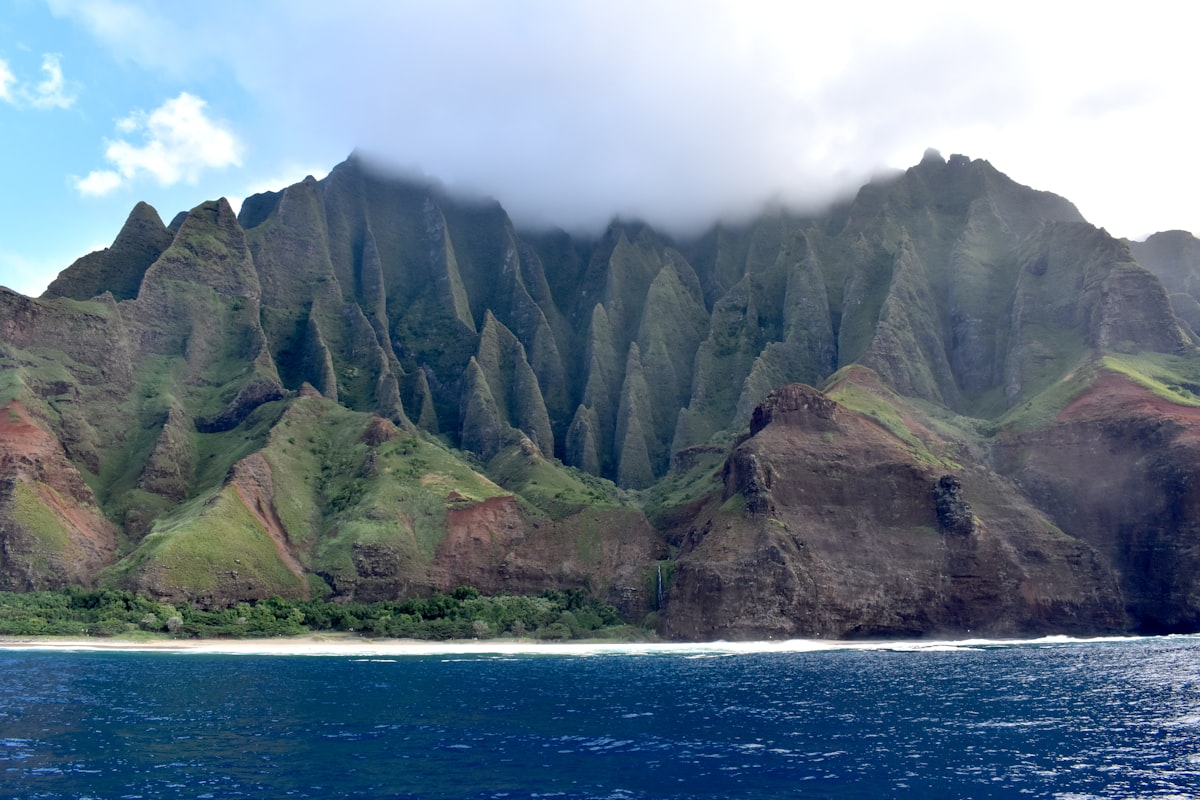

Kauai, the Garden Isle, is the oldest and northernmost of the main Hawaiian Islands, and it has a fishing trick the others can't match: the ocean floor drops away so sharply right off its shores that blue-water game fish are unusually close in. That means a Kauai offshore charter spends less time running and more time fishing for marlin, mahi-mahi, ahi, and ono. Add accessible shore fishing for ulua and papio, public piers, and even a freshwater bass reservoir, and Kauai offers a full range for a first-timer. This guide covers it.
For the bigger picture, the species, the harbors, and the charter scene, read our complete Kauai fishing guide.
First: The (Simple) License Rules
Good news: Hawaii requires no recreational saltwater fishing license for residents or visitors, so you can fish the ocean, shore or charter, for free. (Mind the regulated areas, marine reserves, and species size/season rules; check the Hawaii Division of Aquatic Resources rules for Kauai.) Freshwater is different and does require a license, so if you fish Wailua Reservoir for bass, buy the inexpensive freshwater license (short-term tourist options exist) first.
Offshore: Big Game Close to Shore
The deep water surrounding Kauai is the headline. Because the bottom plunges sharply near the island, the pelagic species gather close in, and charters reach them fast. The targets:
- Blue and striped marlin, Pacific blue marlin (100–600 lb) run spring into fall (roughly March–October); smaller striped marlin show in winter.
- Ahi (yellowfin tuna), year-round, with the biggest fish (100–200+ lb) from about May through September.
- Mahi-mahi (dorado), present all year, best in spring and fall, and a beautiful, acrobatic, great-eating fish that's often a beginner's favorite.
- Ono (wahoo), strong in spring and fall and around all summer, blistering-fast and superb on the table.
Offshore fishing is trolling, pulling a spread of skirted lures and rigged baits at speed over the drop-offs, pinnacles, and the FAD buoys where bait and predators concentrate. It's done on heavy stand-up or chair gear the charter provides, departing mostly from Nāwiliwili Harbor near Līhuʻe on the east side or Port Allen on the south shore. Your job: when a reel screams, get to the rod the mate points you to and reel under the captain's direction. A marlin or a big ahi will test you, and a mahi or ono is pure fun.
Hawaii Offshore Big-Game FishingShore Fishing: Ulua, Papio, and Oio
You don't need a boat to fish Kauai. The shoreline, rocky points, and the public piers offer real fishing for free. Whipping, casting and retrieving a small lure (a casting jig or a Nomad Madscad), catches aggressive papio (juvenile giant trevally) along the rocks and shoreline, and it's the most fun, active way for a beginner to get bit. Dunking (slide-baiting) off a rocky point at night, with heavy gear and a big bait soaking on the bottom, is the patient game for a trophy ulua. And oio (bonefish) cruise the sand and reef flats and surf, fish a shrimp or a Berkley Gulp on a light baitcaster or spinning setup (15–30 lb), or a fly, and you can tangle with a bonefish over 5 pounds.
The two most popular public piers are the Ahukini Recreational Pier on the east side and the Waimea Recreational Pier on the west, both free, open all day, and great spots to soak bait for reef fish or whip for papio. Nearshore and bottom species like uku (gray jobfish), blue and gray snapper, and kahala (amberjack) are also catchable from the rocks, piers, and on nearshore charters.
Hawaii Shore Fishing for BeginnersFreshwater: Wailua Reservoir Bass
Kauai's freshwater gem is Wailua Reservoir, which holds tucunaré (peacock bass), largemouth and smallmouth bass, and bluegill. Summer is prime, when the fish are active and the bite is hot. Throw a Rapala or a jig along the shoreline and structure, the same way you'd fish a warm-water bass pond on the mainland. Remember this requires a Hawaii freshwater fishing license (unlike the free saltwater), and respect the bag and size rules. It's a fun, kid-friendly change of pace, especially on a windy or rainy day when the ocean's tough.
Reading Kauai: Wind, Swell, and Which Shore
Kauai's fishing is shaped by its weather and its shape. The island has a wet, often windier north and east and a drier, more sheltered south and west, and the prevailing trade winds and the season determine which side fishes comfortably. In general, the south shore (Port Allen) and the west (Waimea) offer the calmer, more protected water much of the year, while big winter north swells make the north shore dangerous, never fish exposed rocks or ledges when a north swell is running, and always keep an eye on the ocean. For offshore, the captains pick the lee side and the day's conditions; for shore fishing, fish the sheltered spots and the moving tide, favoring the low-light hours of dawn, dusk, and night when predators feed closest in. As always in Hawaii, a quick check with a local tackle shop about current conditions and what's biting is the smartest thing a visitor can do.
More on the Offshore Day
A Kauai offshore trip is the classic Hawaii big-game experience, compressed by the close-in deep water. The boat leaves the harbor, and within a short run the captain is trolling the drop-offs, ledges, and the FAD buoys, anchored floats the state maintains that gather bait and, with it, mahi, ono, ahi, and the marlin that hunt them. The crew sets a spread of skirted lures and rigged baits at staggered distances, and then you wait and watch the spread until a reel goes off. When it does, the mate clears the other lines and gets you on the fish; you settle into the chair or a stand-up harness and reel under direction, letting the drag do its work on a fish that may run hard and deep. Mahi-mahi often come in schools, hook one and others may follow, so the crew may have you keep a hooked fish in the water to hold the school while others cast. It's exciting, social, and, because Kauai's blue water is so close, often more fishing time and less running than other islands. Take seasickness medication ahead of time if you're prone, bring sun protection, and let the crew handle the gaffing and the fish.
More on Shore Fishing and Oio
Shore fishing is where Kauai is most accessible and most free, and oio (bonefish) deserve special mention because Hawaii's bonefish grow big and fight hard. Unlike the famous flats of the Caribbean, Hawaiian bonefishing is often a "soaking" game from the sand and reef edges: cast a shrimp or a Berkley Gulp on a light setup out onto the flat or into the surf line, set the rod, and watch for the run, though sight-casting lures and flies to cruising fish in skinny water is also productive and a thrill. Papio whipping is the active, fun alternative, cover water along the rocks and shoreline with a small lure and you'll find aggressive juvenile trevally. And the patient, after-dark ulua dunking tradition is alive on Kauai's points the same as the other islands, with heavy gear and a long wait for a trophy. The Ahukini and Waimea piers are the friendliest entry points: free, accessible, and productive for a mixed bag of reef fish on simple bait rigs, perfect for a family or a first-timer.
A Note on Respect and Conservation
Fishing in Hawaii comes with a strong ethic of respect, for the ocean, the fish, and the local community. Take only what you'll eat, follow the size and bag rules and the marine reserves and regulated areas (the Hawaii Division of Aquatic Resources publishes these for Kauai), and release what you don't need, especially undersized fish and big breeding ulua. On the reef, don't trample coral and use reef-safe sunscreen. Many shore spots are treasured local fishing grounds, so a visitor who fishes respectfully, follows local etiquette, and cleans up is always welcome. Fishing pono, doing right, keeps Kauai's waters productive for everyone.
Gear: What to Bring
The charter supplies everything for offshore. For shore fishing on your own:
- Whipping (papio/reef): a 7-to-9-foot medium spinning rod, a Daiwa BG 4000 reel, 20-30 lb braid, and casting lures (a Nomad Madscad), jigs, and Berkley Gulp.
- Dunking (ulua): a long, heavy shore-casting rod, a big reel (a Penn Spinfisher VI 8500), heavy line and leader, lead, a sand spike, and fresh bait, plus patience and a headlamp.
- Oio (bonefish): a light baitcaster or spinning setup, 15-30 lb line, and shrimp or Gulp.
- Freshwater: a light bass setup, Rapala lures and jigs, and a Hawaii freshwater license. Bring reef-safe sun protection, sturdy footwear for the rocks, and a light rain layer.
When to Go
- Year-round shore fishing: Papio, ulua, oio, and reef fish are catchable all year; bonefish flats fish year-round.
- March–October: Peak Pacific blue marlin.
- May–September: Largest ahi (yellowfin tuna).
- Spring and fall: Best mahi-mahi and ono (with ono and mahi around all year).
- Summer: Red-hot freshwater bass at Wailua Reservoir.
A First-Timer's Plan
The easiest start on Kauai is free: walk out on the Ahukini or Waimea pier with a simple rod and some bait and catch reef fish, or whip a lure along the rocks for papio, no license required. Ready for the big stuff? Book an offshore charter from Nāwiliwili or Port Allen for marlin, mahi, ahi, or ono, and because the deep water is so close, you'll be fishing fast. If the ocean's rough or you've got kids, grab a freshwater license and chase peacock bass at Wailua Reservoir. Check the Hawaii DAR rules for any regulated areas, and you're set.
For the full seasonal calendar and the charter rundown, see our complete Kauai fishing guide. Fishing more of Hawaii? We also have first-timer guides for Kona and Hilo.