Fish
Fish Fire
Fire Hike
Hike Bird
Bird

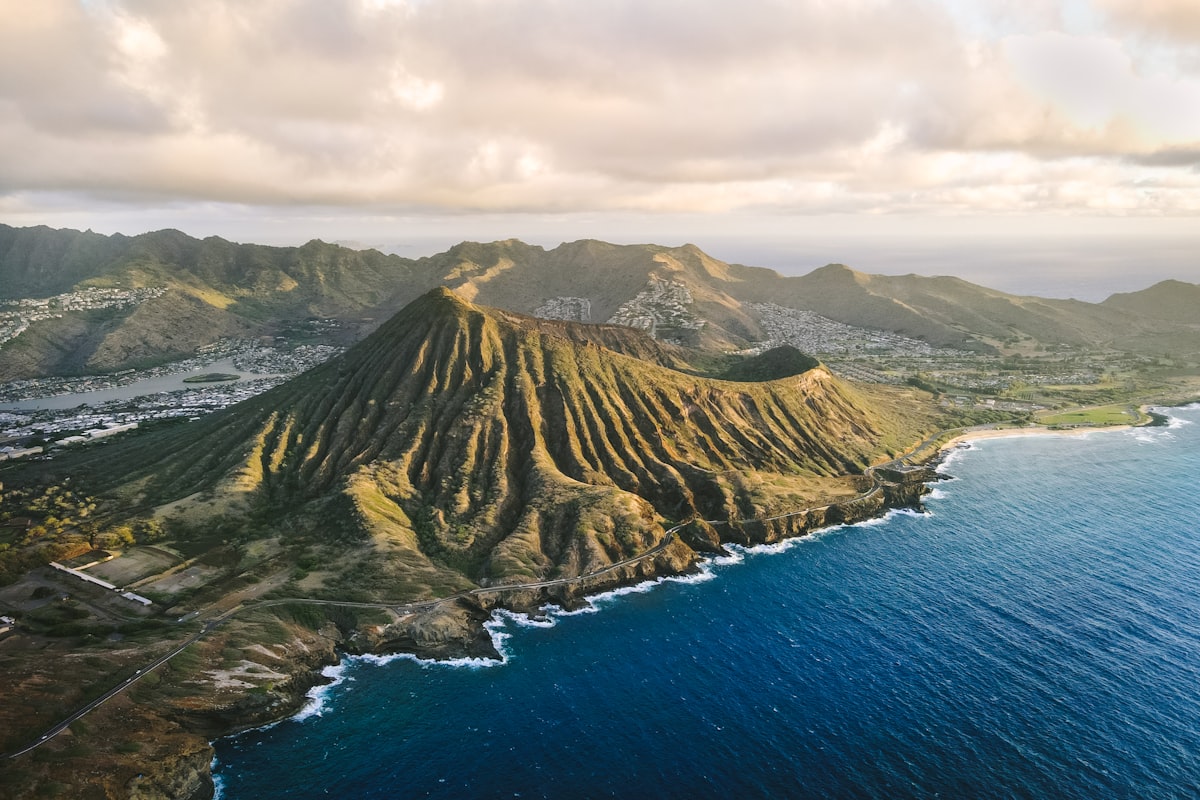

O'ahu is where most people's Hawai'i fishing story begins, and it is one of the few world-class fisheries you can walk right into. Stand on a rock at Sand Island before sunrise and you are casting the same water that has produced Pacific bonefish records; drive twenty minutes from Waikiki to Kewalo Basin and you can be trolling for blue marlin over a mile of blue water by mid-morning. What makes O'ahu special for a first-timer is that so much of it happens from the shoreline, no boat, no license, just a rod and the reef in front of you. This guide breaks the island down the way local anglers actually think about it: the three shore techniques that catch almost everything, where to fish each coast, and how to step up to the blue water when you're ready.
For the bigger picture, the charter fleet, the seasons, and how to plan a trip around the island, read our complete O'ahu fishing guide.
First, the Good News: No Saltwater License
Hawai'i is one of the only states in the country where recreational saltwater fishing requires no license at all, for residents and visitors alike. You can walk onto almost any beach, pier, or reef flat on O'ahu and start fishing legally. That is a genuine rarity, and it is a big part of why shore fishing is woven so deeply into island life.
The exceptions are worth knowing. Freshwater fishing, the reservoirs like Wahiawā, and the few stocked streams, does require a Hawai'i Freshwater Game Fishing License, which applies to everyone nine and older regardless of residency and is sold online at the state's ehawaii.gov portal. And while the shoreline is broadly open, certain areas are off-limits or restricted: wildlife refuges, harbors, military installations, and marine life conservation districts like Hanauma Bay. There are also size and bag limits on specific species and a handful of seasonal closures (the moi/threadfin closure runs June through August). Regulations change, so check the Hawai'i Division of Aquatic Resources (DAR) rules before you keep anything.
Learn the Local Names First
Half of fishing O'ahu is understanding what people are talking about. Hawaiian and pidgin names dominate, and you'll be lost at the bait shop without them:
- Papio, juvenile trevally (jacks), the bread-and-butter shore fish. A papio over about ten pounds graduates to being called an ulua.
- Ulua, the adult giant trevally, the shore angler's trophy. A big ulua is a fish of a lifetime, caught mostly at night off the reef.
- O'io, bonefish. O'ahu holds some of the best bonefishing on the planet, and most visitors have no idea.
- Ahi (yellowfin tuna), aku (skipjack), ono (wahoo), mahimahi (dorado), and a'u (marlin), the blue-water pelagics you chase offshore.
- Uku (grey snapper), toau (blacktail snapper), and menpachi (soldierfish, caught at night), the reef fish that fill a cooler.
- Ika, squid, the workhorse cut bait for shore fishing.
Use the local names. It signals you did your homework, and it's how every shop, forum, and old-timer on the pier will talk to you.
The Three Shore Techniques
Nearly all of O'ahu's shore fishing comes down to three methods. Learn these and you can fish any coast on the island.
Hawaii Shore Fishing for BeginnersWhipping (for Papio)
Whipping is active, run-and-gun lure fishing, the most beginner-friendly way to catch fish on O'ahu and the most fun. You cast a lure onto the reef flat and retrieve it, covering water and searching for papio, needlefish, and small trevally.
The rig is simple: a 7- to 9-foot medium spinning rod, a 4000-size reel, 20- to 30-pound braid, and a couple feet of 30-pound fluorocarbon leader. Tie on a soft-plastic grub, a white or chartreuse Berkley Gulp! Swimming Mullet on a 1/4- to 1/2-ounce jighead is the classic, or a small metal jig like a Shimano Coltsniper for more distance. Cast, let it sink a beat, and retrieve with quick twitches. Whipping is a morning and evening game; fish the low-light windows over shallow reef and sand pockets. It rewards walking, cover a lot of shoreline until you find fish.
Whipping for Papio in Hawaii, Grubs and LuresDunking (Bait on the Bottom)
Dunking is the sit-and-wait bait game, and it catches everything from papio and oio to uku and toau. The standard setup is a three-way (or sliding) rig: your mainline to a three-way swivel, a short dropper to a pyramid or bank sinker, and a leader to a baited hook. A key local trick is to make the sinker line a lighter test than your main and hook lines, if the lead snags in the reef, you break off the cheap sinker, not the whole rig.
Bait with strips of ika (squid), shrimp, or cut fish. Cast out over the reef edge or into a sandy channel, prop the rod in a sand spike or PVC holder wedged in the rocks, and watch the tip. Fish the incoming to high tide, and the hour on either side of sunrise and sunset, that's when reef fish move up to feed. Dunking is how most locals put dinner on the table, and it's the easiest way for a first-timer to catch a variety of fish.
Slide-Bait (for Trophy Ulua)
This is the big-game version of shore fishing, and it's an O'ahu institution. Slide-baiting is how anglers land 40-, 60-, even 100-pound ulua from the rocks, almost always at night. You cast a heavy lead far out onto the reef with a stout rod, set the rod in a holder, then clip a large live or dead bait onto a "slider" that runs down the tensioned mainline to the water. When an ulua takes it, the rod loads up violently.
It's not a beginner's first outing, it demands a 12-foot-plus rod, a big conventional reel, 50-pound-plus line, spikes to hold the rod, and a lot of patience through the dark. But it's worth knowing about, because if you spend any time on O'ahu's reefs at night you'll see the ulua fishermen with their bell-rigged poles lined up along the rocks, and it's the pinnacle of the island's shore-fishing culture.
Where to Fish, Coast by Coast
O'ahu's four coastlines each fish differently. Here's where to start on each.
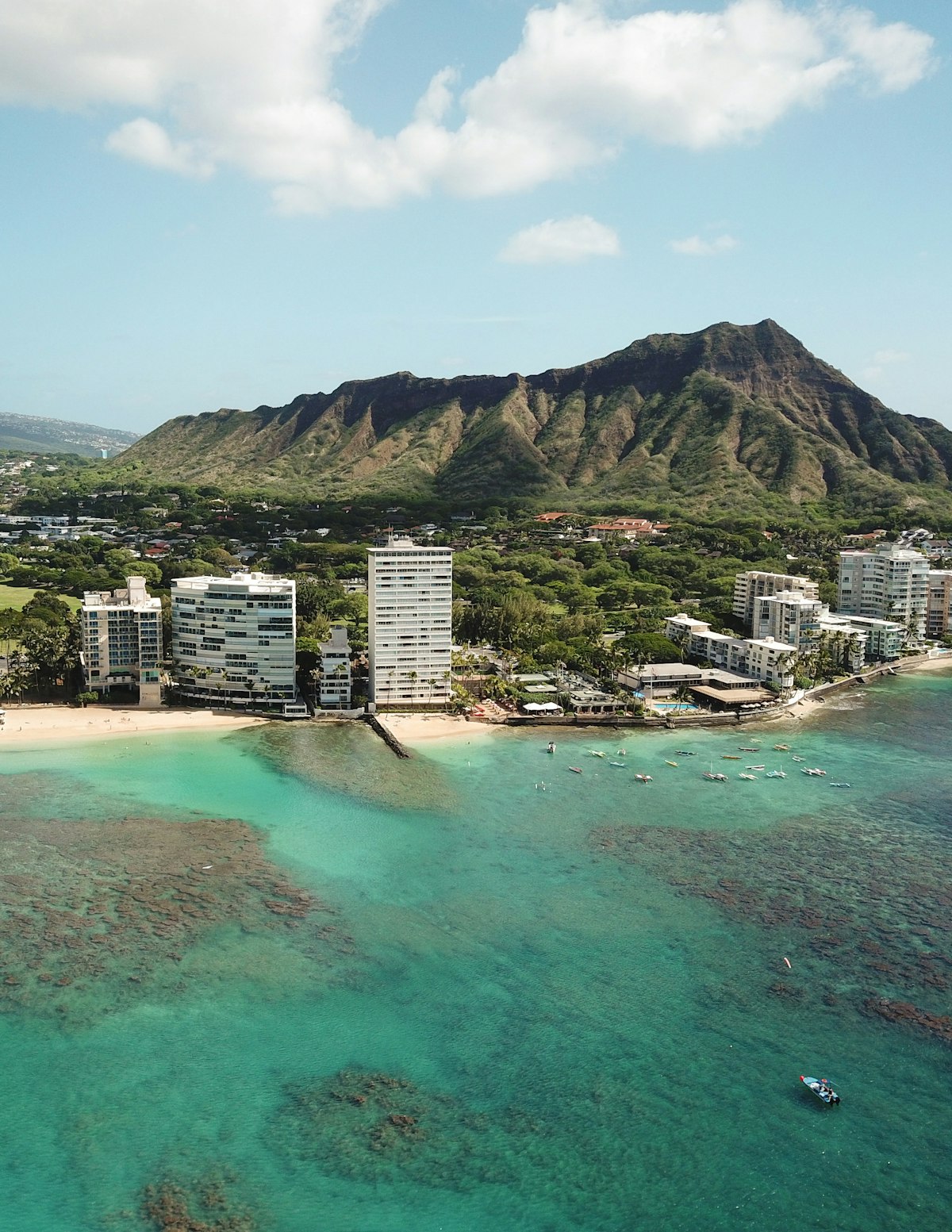
South Shore (Honolulu / Waikiki). The most accessible fishing on the island. Sand Island State Recreation Area and the flats around Keehi Lagoon hold world-class oio (bonefish) and are prime whipping and dunking ground. Kewalo Basin, a mile or two from Waikiki, is the main charter departure point and also fishes for papio off the wall. Below the Diamond Head lookout, a flat reef with sandy pockets gives up papio, oio, and toau on cut ika strips, best an hour either side of sunset on a rising tide. Black Point, just east, has a reef drop-off full of deep lava holes that hold ulua and uku.
Windward / East (Kailua, Waimanalo). Calm, clear, and beginner-friendly. Kaiona Beach Park in Waimanalo is a standout, anglers land papio and bonefish right off the sand in gentle water. The whole windward stretch is good sight-fishing water for oio on a pushing tide.
North Shore (Haleiwa). In summer the North Shore is flat and fishable; in winter the big surf shuts most of it down. Pua'ena Point Beach Park near Haleiwa is a reliable shore spot, and Haleiwa itself is the North Shore's charter hub for offshore trips.
Leeward / West (Ko Olina, Ewa, Kaena Point). The dry, sunny side. Ewa Beach in the southwest is a long-standing local shore-fishing zone, and Ka'ena Point State Park at the island's northwest tip is a rugged, remote reef that gives up ulua, papio, and oio, but it takes a hike or 4WD to reach the best water, and you should never turn your back on the ocean there.
O'io on the Flats: World-Class Bonefishing
It surprises most visitors, but O'ahu is one of the great bonefish destinations on earth. The oio here run larger on average than in the Bahamas, double-digit fish are landed regularly, and the state holds numerous Pacific records, many from the Keehi Lagoon and Sand Island area.
You can chase them two ways. On spinning gear, sight-cast a live crab or a Berkley Gulp! Shrimp ahead of a cruising or tailing fish on a shallow flat, let it settle, and wait for the line to come tight. On the fly, an 8-weight rod with a crab or shrimp pattern, a tan Gotcha or a small Charlie, is the tool; the flats fishery is best May through October. Either way, this is stalking, not casting blindly: wear polarized glasses, wade slowly, and look for nervous water, tails, or the flash of a feeding fish. It's some of the most exciting shallow-water fishing anywhere, and it's a short drive from downtown Honolulu.
Going Offshore: Blue Water Off Waikiki
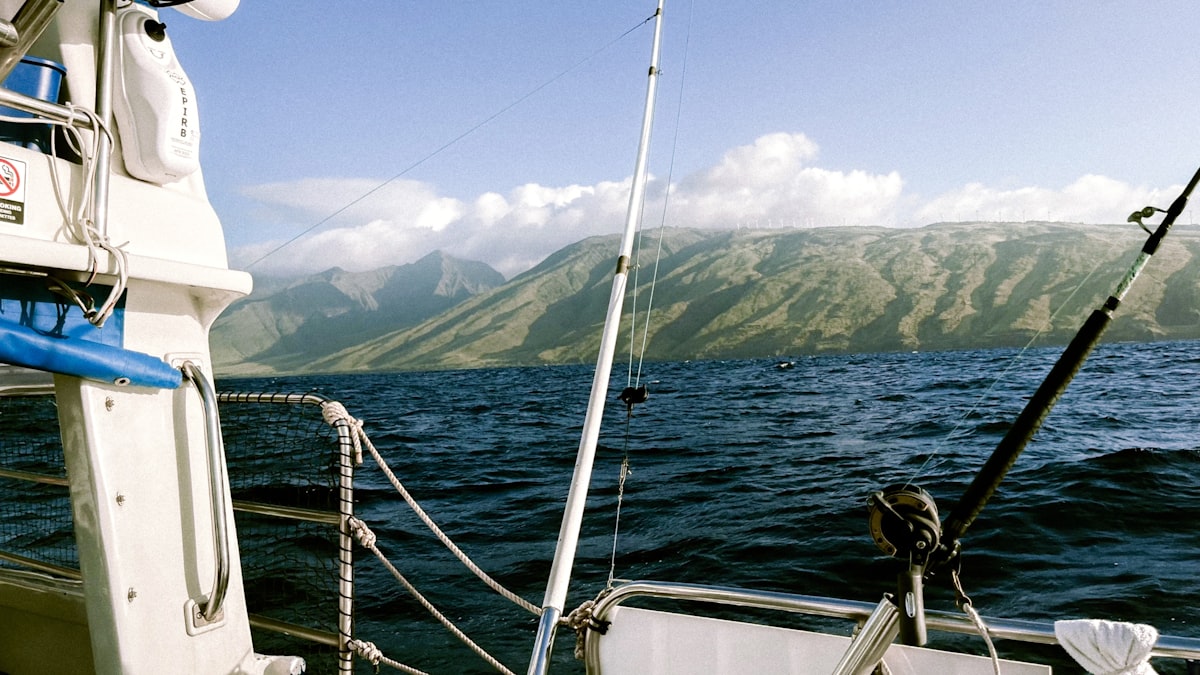
O'ahu's blue water starts fast, the bottom drops to over 1,000 feet within a mile or two of shore, which means you can be in true marlin water minutes after leaving the harbor. Charters run mainly out of Kewalo Basin in Honolulu, Ko Olina on the west side, and Haleiwa on the North Shore.
The targets are the classic Hawaiian pelagics: mahimahi, ono (wahoo), ahi (yellowfin tuna), aku (skipjack), and a'u (marlin). Mahimahi are around all year but peak in spring and fall. Ono run best May through October. Ahi over 100 pounds show most in summer. And marlin, Hawai'i is the only place on earth where blue marlin over 1,000 pounds have been caught in every month of the year, with the heaviest fish in summer. As a beginner you don't buy any of this gear: the captain supplies the heavy trolling outfits, rigs the lures, and tells you exactly what to do when a reel screams. Your job is to hold on and crank.
Tuna, Ono, Marlin and Mahi Mahi Deep Sea Fishing in HawaiiReading the Tide and the Reef
Tides on O'ahu are gentle, often less than two feet of swing, but that small movement still drives the bite. As a rule, the incoming and high tide push reef fish up onto the flats to feed and are the most productive windows from shore, especially when they line up with dawn or dusk. Low tide exposes the reef and lets you read it: note the sandy channels, holes, and drop-offs, then come back on the push and fish the spots you scouted.
Respect the ocean's mood as much as the tide. O'ahu's reefs are sharp lava and the surf can surge without warning, particularly on the North Shore in winter and at exposed spots like Ka'ena Point. Wear reef shoes or tabis for grip, fish with a partner when you can, and never put your back to the water on a rocky ledge. The old island rule is the right one: never turn your back on the sea.
When to Go
O'ahu fishes year-round, there's no true off-season, but the calendar shifts what's biting:
- Spring (March–May): Papio and ulua are abundant along the shore; mahimahi build toward their spring peak; the bonefish flats start to warm up. A great all-around window.
- Summer (June–August): Prime offshore season, ahi over 100 pounds and peak blue marlin. Calm North Shore water opens up. The oio flats fish well. (Note the moi closure June–August.)
- Fall (September–November): A second mahimahi peak, continued good ono and ahi, and pleasant, less-crowded conditions all around.
- Winter (December–February): Big North Shore surf shuts down much of that coast, but the South and Windward shores stay fishable, and marlin are still caught every month.
Gear: What to Bring
If you want your own shore setup, two rods cover almost everything on O'ahu:
- Whipping / all-around: A Shimano Ulua or Daiwa BG 4000 on a 7-to-9-foot medium spinning rod, 20-to-30-pound braid, 30-pound fluorocarbon leader. This handles papio, whipping, and light dunking.
- Heavy dunking / small ulua: A 9-to-12-foot surf/reef rod with a Penn Spinfisher VI 6500 or 8500, 40-to-50-pound braid, for casting bait out over the reef.
- Terminal tackle: Pyramid and bank sinkers, three-way swivels, 2/0–5/0 circle hooks, and a spool of lighter mono for sinker droppers.
- Lures: Berkley Gulp! Swimming Mullet and Gulp! Shrimp in white/chartreuse, plus a couple of metal jigs like the Shimano Coltsniper for whipping and distance.
- Bait: Fresh or frozen ika (squid), shrimp, and cut fish from any O'ahu bait shop.
- Safety and comfort: Reef shoes or tabis, polarized sunglasses, a rod holder or sand spike, a headlamp for dawn/dusk sessions, reef-safe sunscreen, and plenty of water.
For offshore trips, bring nothing but motion-sickness medication (take it an hour before departure) and a hat, the boat provides the rest.
Fish Like a Local: Respect the Kai
Fishing in Hawai'i carries a cultural weight it doesn't on the mainland. The ocean, the kai, feeds the islands, and there's a deep-rooted ethic of taking only what you need and leaving the rest. Honor it: keep only the fish you'll actually eat, observe every size and bag limit, and let the big breeding females go. Don't fish marked conservation areas, don't leave line or trash on the reef, and if a local shows you a spot or a technique, treat that knowledge as the gift it is. Nowhere is "leave it better than you found it" taken more seriously than on a Hawaiian shoreline.
A Word on Conservation
O'ahu's reefs are living systems under real pressure from runoff, warming water, and heavy fishing traffic. The good news is that anglers are among the reef's best stewards when they fish thoughtfully. Use circle hooks to reduce gut-hooking, crush your barbs when you're practicing catch-and-release, and revive fish fully before letting them go. Pack out every scrap of monofilament, discarded line is deadly to turtles and monk seals. Respect the moi closure and all size and bag limits, and give the honu (sea turtles) and monk seals a wide berth; both are protected. The papio you release today is the ulua someone lands in five years.