Fish
Fish Fire
Fire Hike
Hike Bird
Bird

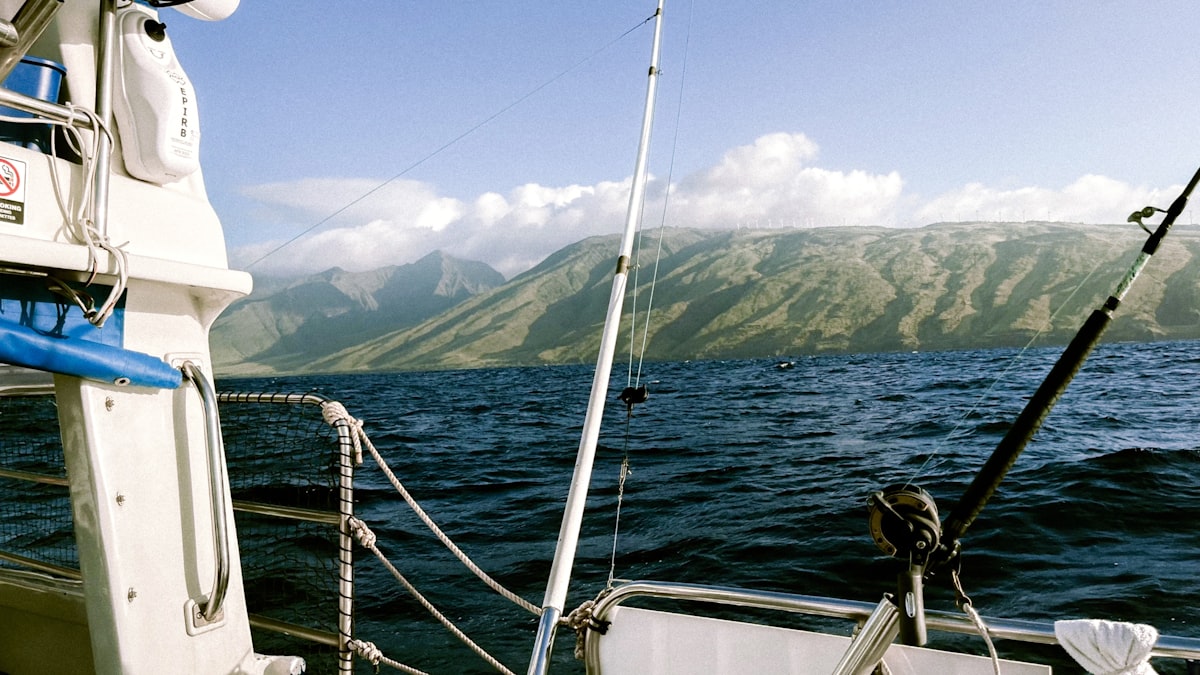

Maui sits in the middle of the Pacific Ocean with 120 miles of coastline, offshore waters that drop to thousands of feet within a few miles of shore, and a reef system that supports hundreds of species you will not find anywhere else in the United States. The fishing here is unlike anything on the mainland, different species, different techniques, different culture, and a different vocabulary. A jack crevalle is a papio until it hits 10 pounds, then it becomes an ulua. Yellowfin tuna is ahi. Wahoo is ono. Mahi-mahi is still mahi-mahi, but everything else has a Hawaiian name, and learning a few of them is part of the experience.
The good news for beginners: Maui fishing is accessible. You can walk to the shoreline at a dozen public beach parks, cast a simple rig, and catch fish. You do not need a boat. You do not need expensive gear. The reef species are cooperative, the papio are aggressive, and the scenery, volcanoes, palm trees, humpback whales (in winter), makes a slow fishing day feel like a gift.
This guide covers the practical how-to for shore fishing, reef fishing, and offshore charters on Maui. For the full destination overview, seasons, species, charter fleet, and trip planning, read our complete Maui fishing guide. For more Hawaii fishing, see our Kona guide and our Oahu guide.
Shore Fishing: Whipping and Dunking
Shore fishing is the soul of Hawaiian fishing culture. Locals fish from rocky points, beaches, harbors, and piers using techniques refined over generations. Two main methods cover most shore situations.
Whipping
Whipping is casting and retrieving artificial lures or flies with light to medium spinning gear. It is the most active and exciting form of shore fishing on Maui, you are walking, casting, watching for fish, and covering water. The primary target is papio (juvenile trevally), but you will also catch omilu (bluefin trevally), snapper, barracuda, and various reef species.
Gear: A 7- to 8-foot medium-light spinning rod with a 2500 to 3000 reel. The Penn Battle III 2500 combo or Shimano Sienna 2500 combo are solid travel-friendly options. Spool with 10- to 15-pound braid (PowerPro Spectra) and a 3-foot leader of 15- to 20-pound Seaguar Blue Label fluorocarbon.
Lures: Small metal jigs, spoons, and grub-style soft plastics are the standards. A 1/4- to 1/2-ounce Kastmaster in chrome is a universal Hawaiian whipping lure, cast it past the reef edge and retrieve with a steady crank, letting it flash and wobble. Berkley Gulp 3-inch Grubs in white or chartreuse on a 1/8-ounce jighead work well over the reef. Some locals use a popping bobber with a small fly or grub suspended 2 to 3 feet below, the popping attracts papio from a distance.
Where: Rocky points with white water, harbor mouths, and anywhere you see baitfish schools. On Maui: Mā'alaea Harbor breakwall, La Pérouse Bay lava rock points, the reefs along South Kihei Road, and Fleming Beach in Kapalua.
Surface Whipping Fishing Technique, Hawaii Papio FishingDunking
Dunking is still-fishing with bait on the bottom, the Hawaiian equivalent of bottom fishing. You cast out a weighted rig, set your rod in a holder, and wait. This is how you catch ulua (giant trevally), the most prized shore fish in Hawaii.
Gear for casual dunking: The same whipping setup works for smaller reef fish. Use a sliding sinker rig, thread a 1- to 2-ounce egg sinker on your mainline above a barrel swivel, then tie 18 inches of fluorocarbon to a #1 to 1/0 Gamakatsu Octopus hook. Bait with a chunk of raw shrimp (buy at any grocery store), squid, or octopus (tako).
Gear for ulua (serious dunking): This is heavy tackle, 10- to 12-foot heavy surf rods, large spinning or conventional reels (Penn Spinfisher VI 8500 or similar), 50- to 80-pound braid, heavy leaders, and large circle hooks. Live bait (fish or crab) or large cut bait. Ulua fishing is a cultural tradition in Hawaii and requires specialized knowledge, gear, and commitment, it is not a beginner activity, but it is what you work toward.
Where to dunk: Sandy beaches adjacent to reef structure. On Maui: Kalama Park in Kihei (bonefish, goatfish, papio), Baldwin Beach Park in Pā'ia (various reef species), and Kanahā Beach near the airport (bonefish flats).
Best Beginner Setup Hawaii Tutorial, How to Shore FishBonefish: Maui's Flats Secret
Maui has bonefish, called ō'io in Hawaiian, on its shallow sand and mud flats. They are not as famous as Florida Keys bonefish, but they are the same species and they fight just as hard. The flats between Kihei and Mā'alaea near the Keālia Pond National Wildlife Refuge are the primary bonefishing area.
Technique: Sight-fish from the shore on low incoming tides. Wade the flats in knee-deep water, scan for nervous water or tailing fish, and cast ahead of them. Live shrimp on a #4 hook with a small split shot is the spinning setup. Fly anglers use #6 to #8 Crazy Charlie patterns in tan or pink on an 8-weight rod.
Gear: Light spinning, the same 2500 reel with 10-pound braid used for whipping. Fluorocarbon leader is essential in the clear water.
Important: Bonefish are catch-and-release in Hawaii (cultural practice, not law, but respected). Handle with wet hands, keep in the water, release quickly.
Whipping for Papio in Hawaii, Grubs and LuresReef Bottom Fishing: The Family-Friendly Charter
If you want to fish from a boat without the commitment (or cost) of a full-day offshore trip, reef bottom fishing charters are the answer. These are calm-water, half-day trips that drift over the reef in 40 to 100 feet, dropping baited rigs to the bottom for snappers, groupers, and other reef species.
What you'll catch: Red snapper (called onaga), pink snapper (opakapaka), yellowtail snapper, various groupers, triggerfish, goatfish, and the occasional amberjack. These are excellent eating fish, the crew cleans your catch and many restaurants on Maui will cook it for you (ask about "cook your catch" services).
What to expect: The boat provides everything, rods, reels, tackle, bait, and your fishing license (no license needed on licensed charters). The crew baits your hook, shows you how to drop, and helps you reel up. Trips run 4 to 5 hours from Mā'alaea Harbor or Lahaina Harbor and cost $150 to $250 per person.
Gear (provided): Medium-heavy conventional rods with 30- to 50-pound line. The rig is a two-hook bottom rig with 4 to 8 ounces of lead and 3/0 to 5/0 circle hooks baited with cut squid or fish strips. You drop to the bottom and reel up a turn, same technique as party boat fishing anywhere, but the species are completely different.
Offshore: Big Game in the Au'au Channel
Maui's offshore fishing is world-class. The Au'au Channel between Maui and Lāna'i is one of the most productive trolling grounds in Hawaii. The deep blue water starts within a few miles of shore, you can be trolling for marlin 30 minutes after leaving the harbor.
What You'll Catch
Mahi-mahi, the most consistent offshore catch year-round. Schools form under floating debris and weed lines. When you find a school, the action is fast. Mahi are acrobatic fighters and outstanding on the table. This is the best offshore species for beginners.
Ahi (yellowfin tuna), 20 to 200+ pounds. Caught by trolling lures or live bait. Peak season is summer (June through September), but they are present year-round. A big ahi is one of the strongest fish in the ocean.
Ono (wahoo), fast, toothy, and incredible eating. Caught by high-speed trolling with diving lures. Present year-round with a peak in spring and fall.
Blue marlin, the ultimate Pacific game fish. 200 to 1,000+ pounds. Most are released. Summer (June through October) is prime. A blue marlin on the line is a once-in-a-lifetime experience.
Striped marlin, smaller than blues (100 to 200 pounds) and more common in winter (December through March). Acrobatic fighters that spend more time in the air than in the water.
Skipjack tuna (aku), smaller tuna (5 to 20 pounds) that school near the surface. Fast-action fishing when you find a school. Excellent for sashimi if bled immediately. Often caught as a bonus while trolling for mahi or ahi.
What to Expect on an Offshore Charter
The boat leaves Lahaina Harbor at dawn, runs 15 to 30 minutes into the Au'au Channel, and starts trolling. The crew deploys 4 to 6 lines at different depths, some with artificial lures (Marlin Magic, Moldcraft, or Koya brand lures in Hawaiian flag or pink/white colors), some with rigged ballyhoo or strip baits. You sit and wait, when a reel screams, the mate tells you which rod to grab. For mahi-mahi and smaller tuna, the fight takes 5 to 15 minutes. For marlin, it can take an hour or more, and the mate may rotate anglers to give everyone a turn on the rod.
The crew handles everything: setting lines, rigging baits, gaffing fish, and cleaning your catch at the dock. Most Maui charters operate on a "boat keeps the catch" policy for large pelagics, you may take home a reasonable portion for eating, but the rest goes to the crew (who sell it to local restaurants). Clarify this before you book if keeping your catch is important.
Charter Costs
Half-day shared charters (4 hours): $180 to $300 per person. Full-day private charters (8 hours): $1,200 to $2,500 for the boat. Everything included, gear, tackle, bait, ice, and license. Most charters depart from Lahaina Harbor or Mā'alaea Harbor.
What to bring: Sunscreen (reef-safe is required by Hawaii law), a hat, sunglasses, water, snacks, and something for seasickness. The channel between Maui and Lāna'i can be choppy in the afternoon, morning trips are calmer. Take Bonine ($8 at any Maui pharmacy) the night before.
Morning Whipping Mission to Catch Papio, Shore Casting HawaiiHawaiian Fishing Etiquette
Fishing in Hawaii comes with cultural expectations that differ from the mainland. Respecting them matters.
The reef is sacred. Do not stand on live coral, drag anchors over reef, or collect live rock or coral. Coral grows millimeters per year, what you break takes decades to return.
Practice catch-and-release for species you don't plan to eat. Bonefish are always released. Papio under eating size go back. Ulua are traditionally kept if they meet minimum size, but many modern anglers release them too.
Don't take more than you need. Hawaiian subsistence fishing culture is about feeding your family, not filling a freezer. Take what you'll eat fresh and release the rest.
Respect local spots. If someone is already fishing a point or section of reef, don't crowd them. Ask if it's OK to fish nearby. Many spots have been fished by the same families for generations.
Pick up after yourself. Cut line, bait bags, and tackle packaging left on the rocks or beach is a serious problem. Pack out everything you bring in.
Knots You Need
Uni Knot, all-purpose for hooks, lures, and swivels. The standard Hawaiian shore fishing knot.
Double Uni Knot: How to Tie Braid to FluorocarbonDouble Uni Knot, braid to fluorocarbon leader. Essential for every setup.
Improved Clinch Knot, fast and reliable for light-line applications.
Loop Knot, gives lures and jigs more action in the water. Use on Kastmaster spoons and grubs.
Practical Details
Fishing License: Hawaii does not require a license for recreational shoreline fishing. For freshwater fishing, a license is required. On licensed charter boats, the boat's permit covers all passengers, no personal license needed.
Where to Buy Tackle and Bait: Maui Sporting Goods in Kahului has local tackle, lures, and knowledge. Walmart (Kahului) has basic spinning combos and braid. For live bait, most shore anglers use grocery store shrimp (raw, shell-on) or catch their own baitfish with a sabiki rig. For frozen bait, check the fishing section at Longs Drugs or Safeway.
What to Wear: Board shorts or quick-dry pants for wading the reef. Reef shoes (tabis) are essential, the volcanic rock and coral will shred bare feet. Polarized sunglasses (Costa Del Mar 580G in copper, or budget: KastKing Hiwassee) for spotting bonefish and reading the reef structure. Reef-safe sunscreen is required by Hawaii law, chemical sunscreens containing oxybenzone and octinoxate are banned.
Best Times: Early morning (first light to 9 AM) is best for shore fishing, calmer water, less wind, more active fish. Incoming tide pushes baitfish over the reef and activates predators. For offshore, morning departures avoid the afternoon channel chop. Winter (November through March) is prime for striped marlin and humpback whale sightings. Summer (June through September) is best for blue marlin and ahi.
Reef Safety: The reef is shallow and sharp. Wear reef shoes at all times when wading. Watch for strong currents at channel cuts and reef passes. Never fish alone from slippery rocks with heavy surf, rogue waves sweep people off points in Hawaii every year. Check surf reports before fishing exposed shorelines.
For the full rundown of Maui's fishing seasons, charter options, and trip planning, read our complete Maui fishing guide. For more Hawaii fishing, see our Kona guide and our Oahu guide.