Fish
Fish Fire
Fire Hike
Hike Bird
Bird

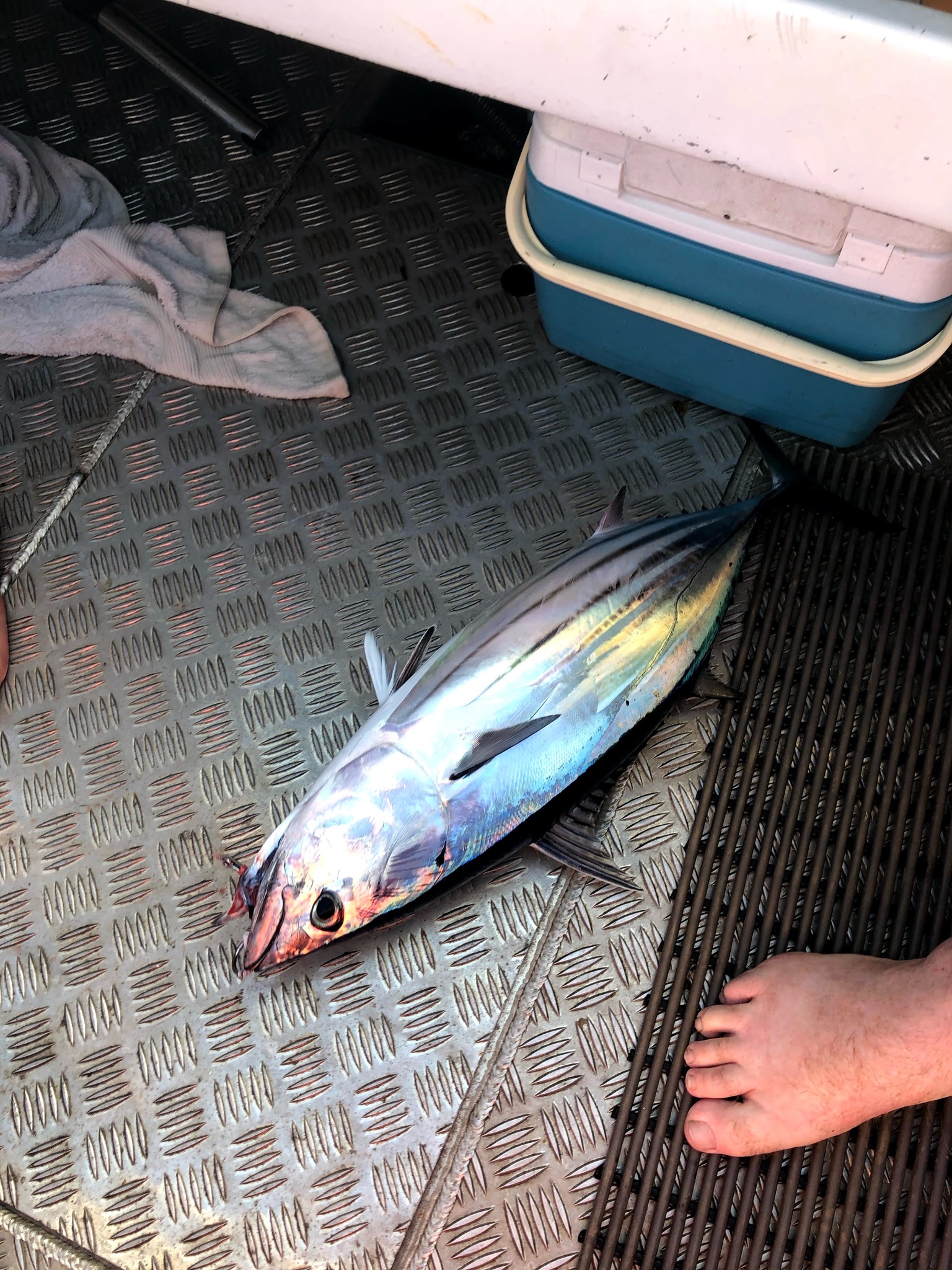

The skipjack tuna is the sea's little dynamo, a small, blisteringly fast tuna that travels in enormous surface schools, boils across the water under clouds of diving birds, and hammers a lure the instant it lands. Skipjack (the "skippy," "aku" in Hawaii, "arctic bonito" elsewhere) are the most abundant tuna on earth and one of the most fun light-tackle targets going: find a bird school, ease in, and cast, and you can hook fish after fish in a wide-open frenzy. Beyond the sport, skipjack are hugely important, they're the backbone of the canned "light" tuna industry and, for offshore anglers, some of the very best live and dead bait for marlin and other big game. This guide covers what skipjack are, where and when to find them, and every core technique, with step-by-step instruction, to catch these fast, feisty little tuna.
Ready to run down some bird schools? The offshore surface bite is one of the most accessible ways to get into fast, hard-pulling tuna action. Skipjack run with the other tunas and make prime bait for the giants, see our guide on how to catch blackfin tuna.
Meet the Skipjack Tuna
The skipjack tuna (Katsuwonus pelamis) is a small, streamlined member of the tuna family, unmistakable for the four to six dark horizontal stripes running along its silvery belly and lower sides (unlike the vertical bars or spots of many other tunas). Its back is a deep, iridescent blue-black, and its body is compact and torpedo-shaped, built for fast, sustained swimming near the surface. It has the big eye and small finlets of a true tuna in a scaled-down, energetic package.
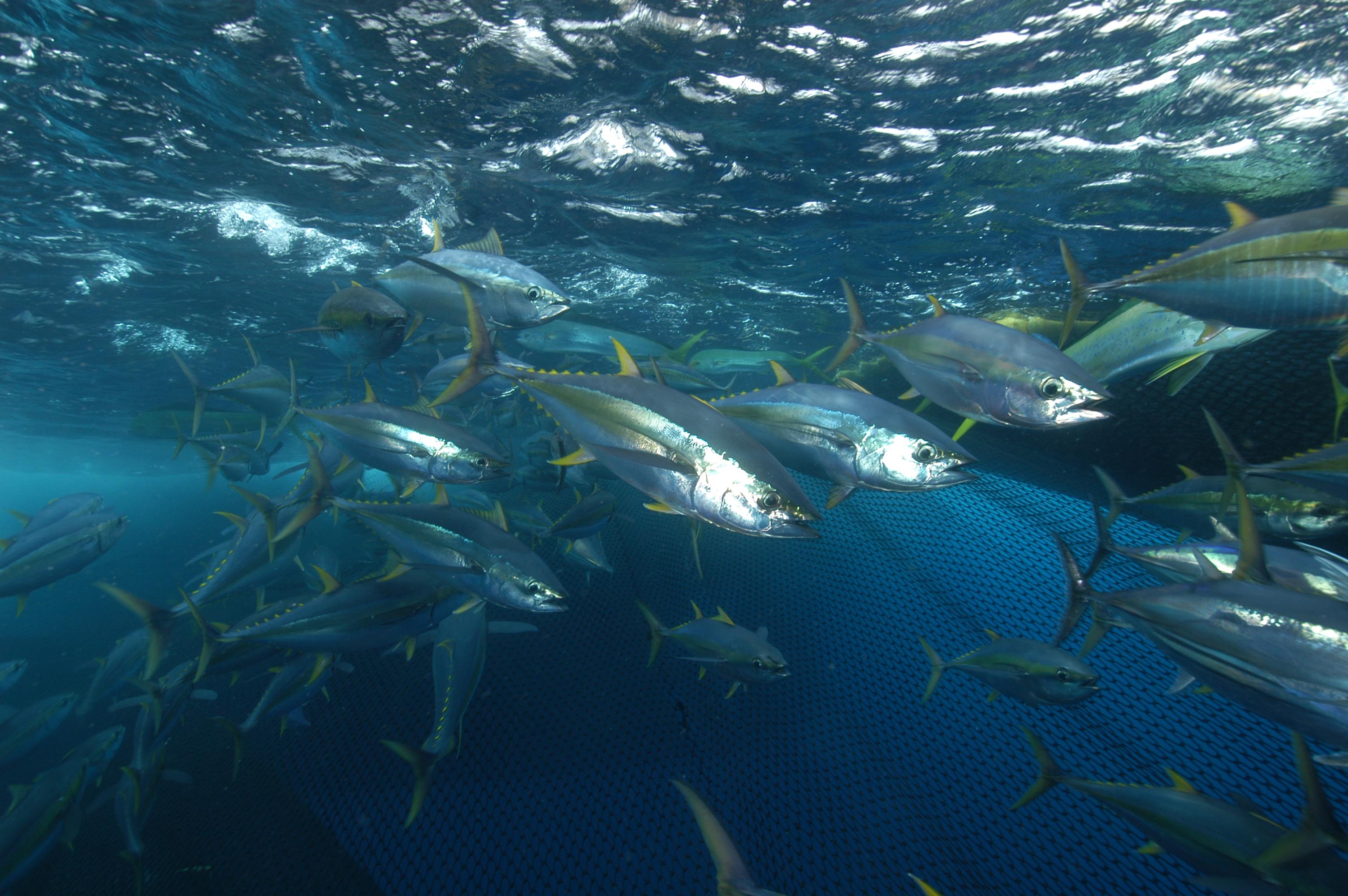
Skipjack are a small tuna: most run 3 to 15 pounds, with bigger fish into the low 20s (the record is around 45 pounds). They roam the warm and temperate oceans worldwide in vast, fast-moving schools, ranging across tropical and subtropical blue water and often mixing with other tuna species. Skipjack are the most abundant and heavily harvested tuna in the world, the main "light meat" canned tuna, and while their meat is darker and stronger than yellowfin or albacore, fresh skipjack is good eating (excellent in the Japanese and Hawaiian traditions) and, crucially for sport anglers, they are premier bait for marlin, sharks, and other big game. They are also a blast on light tackle and fly. For many offshore anglers, a good skipjack school is a two-for-one gift: fast, arm-burning light-tackle action in the moment, and a livewell of prime bait for the marlin or big tuna you're really after, which is why experienced crews rarely pass up a working bird pile even when they're targeting bigger game.
Where and When to Find Skipjack
Skipjack are a warm-water, surface-schooling fish, and finding them is largely about spotting their telltale signs:
- Diving birds, the number-one sign. Flocks of birds working and diving over the water almost always mark skipjack (or other tuna) driving bait to the surface.
- Busting and boiling fish, skipjack schools churn the surface white as they slash through bait; you can often see and hear the commotion from a distance.
- Temperature breaks, rips, and current edges, where bait concentrates, skipjack feed.
- Floating structure and offshore features, weed lines, debris, buoys, and FADs (fish aggregating devices) hold skipjack.
Skipjack are typically an offshore, warm-season fish where you live, showing when the warm blue water pushes in, though in the tropics they're around year-round. The classic way to fish them is run and gun: cover water scanning the horizon for working birds and busting fish, then race to the school and cast before it goes down. Skipjack move fast and schools come up and sound quickly, so speed and sharp eyes are everything.
Sight Casting Topwater TunaRun-and-Gun Casting
The most fun and effective way to target skipjack is run-and-gun casting to surface schools. When you spot birds working or fish busting, ease the boat into casting range (without running over the school), and fire small metal jigs, spoons, casting jigs, or small poppers into or past the fish, then work them back with a fast retrieve. Skipjack are aggressive and fast, and a small, quickly retrieved metal that looks like a fleeing baitfish gets crushed instantly.
The keys are speed and stealth in balance: get to the school fast, but ease in so you don't scatter it, and make a long, accurate cast to the feeding fish. Because skipjack school in numbers, a single school can produce many fish before it goes down, and if it sounds, you simply run to the next bird pile. Keep a casting outfit rigged and ready, and match your lure to the small bait the fish are eating. It's fast, visual, arm-burning fun.
Sight Casting for Skipjack (Skippies)Trolling Small Lures
Trolling is a highly effective way to both find and catch skipjack, especially when they're not showing on the surface. Skipjack key on small bait, so small trolling lures, feathers, cedar plugs, small skirts, spoons, and small jigs, pulled at trolling speed draw fast, hard strikes. Troll along rips, weed lines, temperature breaks, and around bird activity to locate the schools, and because skipjack travel in numbers, a trolling strike often means a whole school is there.
The key is to downsize your lures to match the small bait skipjack feed on, and to run a spread of small feathers and plugs at staggered distances. Trolling also pairs perfectly with casting: hook a fish or spot a school on the troll, and you can stop and cast to load up. In many fisheries, small trolling feathers are the go-to skipjack producer, and they're a simple, deadly, always-ready option.
Trolling Lures for Skipjack Tuna (Aku)Light Tackle and Fly
Because skipjack are small, fast, and hard-pulling, they are a light-tackle and fly-rod dream. On a light spinning outfit, a skipjack's blistering runs and dogged fight feel enormous, pound for pound they pull as hard as almost any fish, which makes them a fantastic sport target in their own right, not just a bait or a bycatch. Small metals, jigs, and flies cast to a feeding school produce nonstop action.
For the fly angler, a feeding skipjack school is a gift: cast a flashy baitfish fly into the boiling fish and hang on for a screaming run on the reel. Use a stout enough fly outfit (a 9- to 10-weight) to handle their speed and pull. Whether on light spin or fly, skipjack deliver fast, furious, accessible sport, and on a wide-open bird-school bite, the light-tackle fun is hard to beat. Just be ready for their speed; a skipjack's first run will test any drag.
Light-Tackle Spinning for Skipjack TunaCatching and Rigging Skipjack as Bait
For offshore anglers, one of the most important reasons to catch skipjack is as bait for bigger game. Skipjack are premier live and dead bait for blue marlin and other billfish, as well as sharks and big tuna, a bridled live skipjack or a rigged, swimming dead skipjack (or "skip bait") is one of the deadliest offerings for a giant marlin. Catching skipjack for bait is often done by trolling small feathers or casting metals, then keeping them lively in a tuna tube or livewell.
To use them: bridle a live skipjack to a circle hook so it swims naturally, or rig a fresh dead one to swim or skip behind the boat, and present it to your target species. Keeping bait alive and lively (tuna tubes and good livewells help) makes a big difference. Learning to catch a few skipjack quickly and rig them well opens the door to some of the best big-game fishing there is, many trophy marlin have eaten a skipjack bait. A common offshore routine is to stop on the first bird school of the morning, load the tuna tubes with lively skipjack, and then run to the marlin grounds with a fresh supply of the best bait in the sea already swimming in the wells.
How to Rig a Skipjack/Bonito for Marlin BaitHandling and Eating Skipjack
Skipjack have darker, stronger-flavored meat than yellowfin or albacore, but handled well they're good eating, prized in Japanese cuisine (as katsuo, the source of katsuobushi/bonito flakes) and in Hawaii (aku), excellent seared, grilled, or as sashimi when very fresh. As with all tuna, quality depends entirely on handling: bleed the fish immediately and get it cold fast in an ice slurry, because skipjack's meat degrades quickly if left warm. A skipjack bled and iced right away is far better on the table than one that wasn't.
If you're catching skipjack for bait, keeping them alive in a tuna tube or livewell (for live bait) or iced immediately (for dead/skip baits) preserves them for their purpose. Whether for the table or the bait tank, cool your skipjack fast, the difference between a warm, mushy fish and a firm, bled, iced one is night and day. And because they're so abundant and fast-growing, they're a guilt-light fish to keep a reasonable number of for the table or the bait tank, just follow local regulations.
Light-Tackle Skipjack TunaTiming, Conditions, and Reading the Birds
Skipjack fishing is a game of reading the water and the birds. Because skipjack feed on the surface and travel fast, the anglers who catch the most are the ones who spot activity first and get there quickest. Learn to read birds: frantic, diving, wheeling flocks usually mean tuna are actively pushing bait up, while high-soaring or scattered birds are just searching, put your effort on the working flocks. Watch for the surface to change texture, for splashes and slicks, and for bait showering out of the water, all signs of a feeding school below.
Conditions matter, too. Calm-to-moderate seas make it far easier to spot birds, busting fish, and slicks across the water, and low-light periods around dawn and late afternoon often see the best surface feeding, though skipjack will chew any time. Modern tools help: many offshore anglers use radar to pick up distant bird flocks and sea-surface-temperature charts to find the productive edges before they run. Stay mobile, keep scanning the horizon, and be ready to move fast when you spot the signs, the school won't stay up long, and being on it quickly is the whole game.
Fighting Skipjack
For their size, skipjack fight like fish twice their weight, a hooked skipjack makes a blistering first run and then a series of fast, stubborn, circling dives that will smoke a light drag and leave your arms aching in the best way. That outsized power is a big part of why they're such a beloved light-tackle target. Fight them with a smooth drag and steady pressure, letting the rod and reel absorb their speed rather than trying to horse them in, and be patient through the circling dives near the boat.
Because skipjack often come in numbers on a hot school, a smooth, efficient fight lets you land your fish, get it cooled or into the bait tank, and get your lure back into the melee while the school is still up. Keep your drag set right for their speed, use a landing net or a swing-aboard for these smaller fish, and handle them quickly. The combination of nonstop hookups and a genuinely hard fight on light gear is exactly what makes a wide-open skipjack bite so much fun.
Common Mistakes to Avoid
Skipjack are willing, but a few mistakes cost you fish. Running over the school, charging straight into busting fish or a bird pile, puts them down; ease in and cast from the edge. Being too slow to reach a surface school lets it sound before you get there; skipjack come up and go down fast, so move quickly. Lures too big for a fish keying on small bait draw refusals; downsize your metals and feathers. Not being ready, no casting rod rigged when a school pops up, wastes fleeting chances. And failing to bleed and ice fish immediately ruins their already-delicate meat. Move fast, ease in, go small, stay ready, and cool your catch, and skipjack will keep your rods bent all day.
Put It All Together
Skipjack tuna fishing is fast, visual, accessible offshore fun: scan for diving birds and busting fish, run to the school and ease in, and cast small metals or troll small feathers for nonstop, hard-pulling action on light tackle or fly, and catch a few extra to rig as prime bait for marlin and other big game. It rewards sharp eyes, quick moves, and small lures, and it delivers some of the most action-packed light-tackle fishing in the ocean. Keep a casting outfit rigged, watch the horizon for working birds, and be ready to move the instant a school pops up. And for the close cousin that shares the same warm water, read our guide on how to catch blackfin tuna next.