Fish
Fish Fire
Fire Hike
Hike Bird
Bird

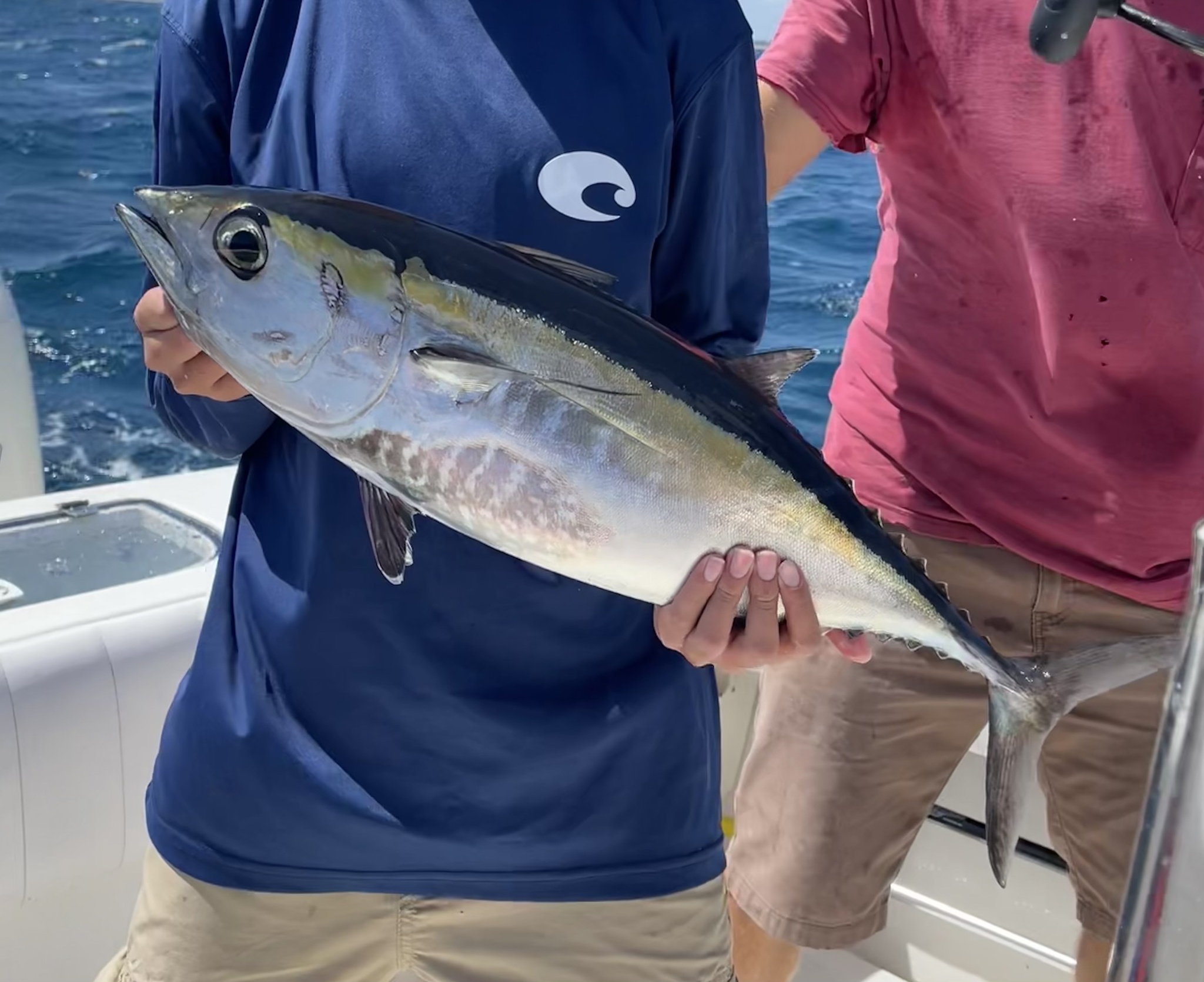

The blackfin tuna is the little brother of the tuna family, the smallest tuna, but a fish that pulls so far above its weight that it has become one of the most beloved light-tackle targets in the warm Atlantic. Abundant, willing, and hard-charging, blackfin school in the reef-lined blue water of Florida, the Gulf of Mexico, and the Caribbean, where they crush chum, live bait, jigs, and small trolled lures with abandon and then dig into a dogged, drag-burning fight. Because they're accessible from smaller boats close to shore, respond to a wide range of techniques, and make superb sashimi and grilled fish, blackfin punch way above their size in both sport and the kitchen. This guide covers what blackfin are, where and when to find them, and every core technique, with step-by-step instruction, to load the boat with these scrappy, delicious tuna.
Ready to bend a rod on some blackfin? Few offshore fish give you so much sport and so much good eating for such a short run from the dock, the reefs, rips, and wrecks that hold them often sit just minutes off the beach. They're part of the tuna clan alongside their bigger cousins, see our guide on how to catch yellowfin tuna.
Meet the Blackfin Tuna
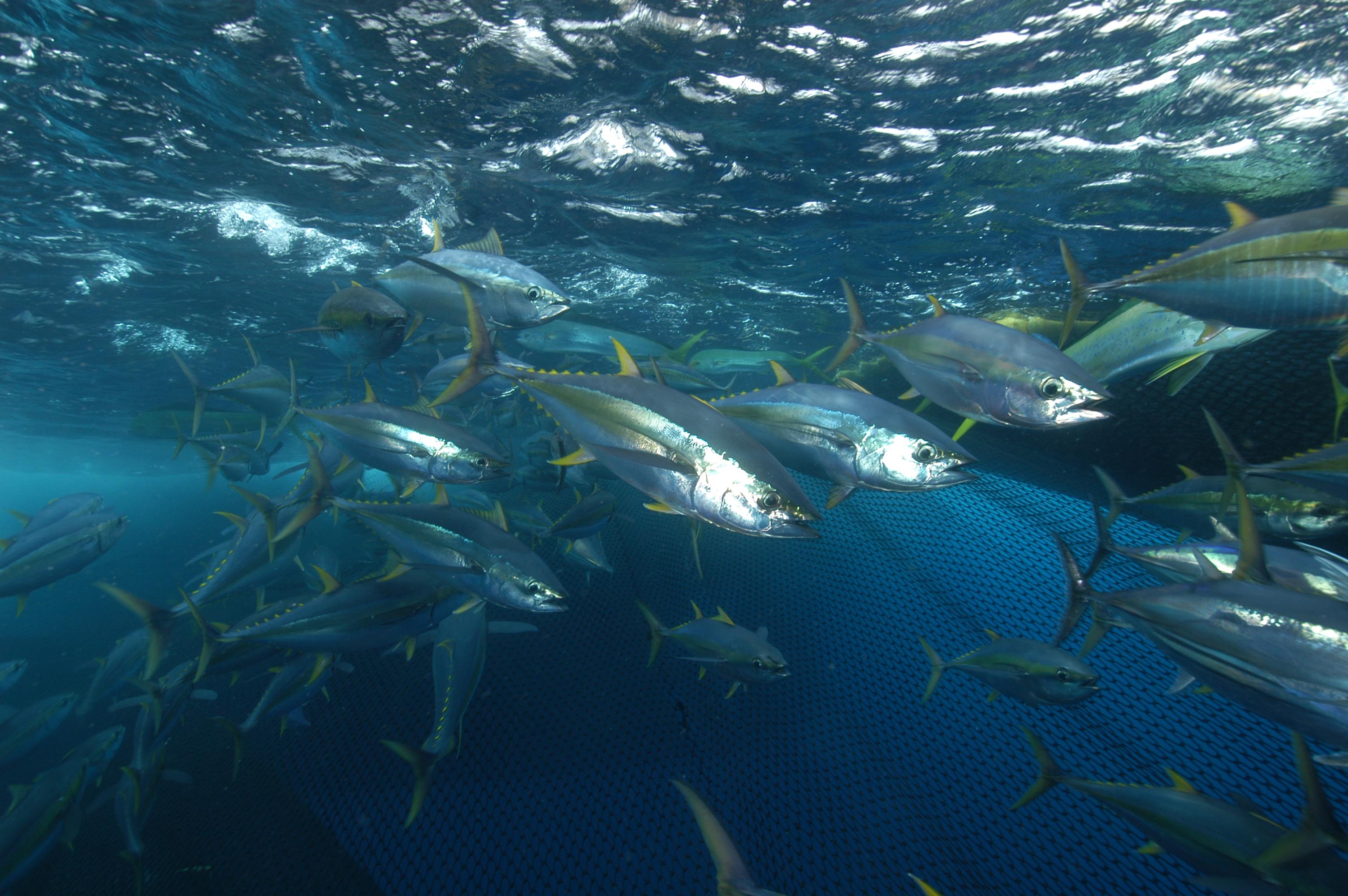
The blackfin tuna (Thunnus atlanticus) is the smallest and one of the most distinctive members of the tuna family: a compact, football-shaped body with a dark blue-black back, silvery sides often washed with a faint bronze or yellowish band, and, the key identifier, short, dusky finlets rather than the bright yellow finlets of a yellowfin. It has the big eye and streamlined build of a true tuna, scaled down to a smaller, scrappier package built for fast reef-edge feeding.
Blackfin are a small tuna: most run 5 to 20 pounds, a fish over 25 is excellent, and the biggest push into the low 30s (the record is around 49 pounds). They're found only in the warm western Atlantic, from the Carolinas and Florida through the Gulf of Mexico, the Bahamas, and the Caribbean down to Brazil, where they school in the blue water along reefs, wrecks, rips, and drop-offs. Despite their modest size, blackfin are prized as outstanding light-tackle sport and as excellent table fare, dark, rich meat that's superb as sashimi, seared, or grilled, making them a favorite of anglers throughout their warm-water range and a perfect introduction to tuna fishing for newcomers.
Where and When to Find Blackfin
Blackfin are a warm-water, blue-water schooling fish that relate strongly to structure and bait. Find them around:
- Reefs, wrecks, and drop-offs, the reef edge and offshore structure concentrate bait and hold blackfin, often within a short run of shore.
- Rips, color changes, and current edges, where water masses meet and bait stacks up, blackfin feed.
- Birds and busting fish, working birds and blackfin busting bait on the surface mark feeding schools.
- Bait concentrations, schools of pilchards, glass minnows, and other bait draw the tuna in.
Blackfin are famously accessible, in places like South Florida and the Keys, they're often caught within sight of land along the reef, making them a favorite for smaller boats. The fishing is seasonal but generous: blackfin are around much of the year in the warmest parts of their range, with strong seasonal peaks (often the cooler months in South Florida) when the fish stack up on the reef. They frequently feed most actively in low light, early morning, late afternoon, and at night, so timing your trip around those windows pays off.
The Best Lures for Blackfin TunaChumming and Live Bait
The deadliest blackfin technique in much of their range is chumming with live bait. Anchored or drifting on the reef edge or over structure, you put out a steady chum of live pilchards or glass minnows (or a cut-bait/chum slick), which draws blackfin up and gets them feeding in a frenzy right behind the boat. Then you drift a hooked live bait or a light-leader bait naturally into the feeding school and hang on. When the chum brings the blackfin up, the action can be wide open.
The keys are a steady flow of chum to bring the fish up and hold them, light fluorocarbon leader (blackfin can be leader-shy in clear water), and small, sharp hooks with a lively or fresh bait presented naturally. A frisky live pilchard drifting in a good chum slick is almost irresistible. This live-chum method, especially at first light and after dark, is how many of the biggest blackfin catches happen, a hot chum bite can fill the box fast.
Live Baiting for Blackfin TunaVertical Jigging
When blackfin are holding deeper, over a wreck, along a drop-off, or down in the water column, vertical jigging is deadly and a blast on light tackle. Drop a speed jig or slow-pitch jig to the fish's depth (often marked on the sounder) and work it back with sharp rips or fluttering lifts to imitate a fleeing baitfish. Blackfin smash a jig with authority, and the light-tackle fight that follows is what makes them so much fun.
Jigging lets you target fish you mark on electronics and reach blackfin holding below the surface, and it's a great way to pick fish off structure like wrecks and reefs. Match jig weight to the depth and current so you get down and stay in the zone, and use a balanced jigging outfit with braid for feel and hooksets. On days when the fish won't come up to chum or lures, dropping a jig into a marked school is often what gets you bit.
Slow-Pitch Jigging for Blackfin TunaTrolling Small Lures
Trolling is a great way to both find and catch blackfin, especially when covering the reef edge and rips. Blackfin key on small bait, so small trolling lures, feathers, cedar plugs, small skirts, spoons, and small rigged ballyhoo, pulled at trolling speed draw strikes. Trolling small offerings along the reef, over wrecks, and through rips and color changes locates the schools and puts fish in the boat, and because blackfin school, a trolling strike often means more fish are around.
The key with blackfin is matching the small bait they feed on, downsize your lures compared to what you'd pull for bigger tuna. Run a spread of small feathers and plugs at staggered distances, work the structure and edges, and be ready for fast, hard strikes. Trolling also sets up other techniques: hook a fish or spot a school on the troll, and you can stop to chum, jig, or cast. It's a versatile, productive way to stay on blackfin.
Trolling and Wreck Jigging for Blackfin TunaKite Fishing
Kite fishing, a staple of South Florida offshore fishing, is a superb way to present live bait to blackfin. A fishing kite suspends a live bait splashing right at the surface, where a struggling bait with no leader or line near it is irresistible to a cruising or feeding blackfin. The kite keeps the bait in the strike zone in the most natural, tempting way possible, and it's deadly when blackfin are feeding up top.
The approach is to fly a kite with one or more live baits at the surface and watch them closely, when a blackfin crashes a kite bait, the surface explodes. Kite fishing lets you cover a spread of baits at the surface while you also chum or fish other lines, and it's a proven producer for blackfin (and the sailfish, kingfish, and other species that share the reef). Keep baits lively and be ready for a fast, hard take.
Kite Fishing for Blackfin TunaNight Fishing
Blackfin feed aggressively in the dark, which makes night fishing one of the most productive, and exciting, ways to target them. Anchored or drifting over the reef, a wreck, or offshore structure (including near lights or floaters), you chum and fish live or cut bait, or jig, through the night when blackfin come up to feed on bait drawn by the dark and the lights. The night chum bite can be spectacular, with blackfin crashing baits in the glow of the deck lights.
The approach mirrors daytime chumming and jigging but leans on the blackfin's low-light feeding: use lights and a steady chum or a marked school, present baits and jigs at the depth the fish are feeding, and be ready for hard strikes in the dark. Fishing floaters, lit structure, and the reef edge at night is a classic blackfin tactic, and it often produces both numbers and the biggest fish. Just stay organized and safe working in the dark.
Night Jigging and Chunking for Blackfin TunaLight Tackle and Rigging
A big part of blackfin's appeal is that they're caught on light tackle, which makes their hard pull genuinely thrilling. A typical setup is a light-to-medium spinning or conventional outfit (15- to 30-pound class) with a smooth drag, enough to handle a hard-pulling tuna but light enough to make the fight fun. Because blackfin can be leader-shy in clear water, a light fluorocarbon leader and small, sharp hooks are important for getting bites, especially when chumming.
Match your tackle to the technique, jig sticks for jigging, light bait rods for chumming and kite fishing, small trolling rods for the spread, and keep several outfits rigged so you can switch as the situation changes. Use braid for feel and hooksets, a fluoro leader to fool wary fish, and hooks matched to your bait. The light-tackle, finesse nature of blackfin fishing is exactly what makes it such a beloved, accessible sport.
Bleeding and Handling for the Table
Blackfin are excellent eating, dark, rich, flavorful meat that's superb as sashimi, seared, or grilled, but like all tuna, quality depends on handling. Bleed each fish immediately and get it cold fast in an ice slurry; a blackfin that's bled and iced right away is dramatically better on the table than one left warm. Keep a cooler with ice ready so fish go from the deck to cold immediately, and handle the meat cleanly.
Because blackfin are abundant and not as tightly regulated as some tunas in parts of their range, they're a great fish to keep a reasonable number of for the table, but always follow local regulations, and take only what you'll use. Fresh blackfin, properly bled and chilled, rivals far more expensive tuna on the plate. Respect the catch, cool it fast, and you'll eat very well. Many anglers rate a fresh blackfin loin, seared rare or served as sashimi, right alongside yellowfin, and given how accessible and abundant blackfin are close to shore, that's a remarkable return for a light-tackle day on the reef.
Fighting and Common Mistakes
For their size, blackfin are shockingly strong, a hooked fish makes fast runs and stubborn, circling dives that will burn drag and test light tackle, which is exactly the appeal. Fight them with steady pressure and sound technique: lift, wind down, and pump the fish up, keep the drag smooth and never give slack, and be patient on the last circles near the boat, where a blackfin often makes one more run just as you think it's beaten. On light gear the fight is a genuine thrill.
A few common mistakes cost anglers blackfin. Leader too heavy is the classic, blackfin are leader-shy in clear water, so downsize to light fluorocarbon when the bite is tough. An inconsistent chum slick lets the school lose interest and drift off; keep the chum steady to hold feeding fish. Fishing the wrong window, missing the low-light and night bites, leaves easy fish uncaught; plan around dawn, dusk, and dark. Bait too big for a fish that keys on small forage draws refusals; match the small bait. And not bleeding and icing fish immediately wastes their excellent meat. Clean these up, go light, chum steady, fish the low light, downsize your bait, and cool your catch, and your blackfin numbers and quality both climb.
Put It All Together
Blackfin tuna fishing is light-tackle offshore fun at its most accessible: find the reefs, wrecks, and rips holding fish, then chum them up with live bait, jig the schools you mark, troll small lures along the edges, fly a kite bait at the surface, or fish the hot night bite, and bleed and ice every fish for top table quality. It rewards a light touch, a good chum slick, and fishing the low-light windows, and it pays off with a scrappy, drag-burning fight and some of the best-eating tuna around. Get out on the reef when the fish are stacked up, work the structure and edges, and keep several outfits rigged so you can switch tactics until you land on the one they want. And for the bigger, globe-roaming cousin that fights even harder, read our guide on how to catch yellowfin tuna next.