Fish
Fish Fire
Fire Hike
Hike Bird
Bird

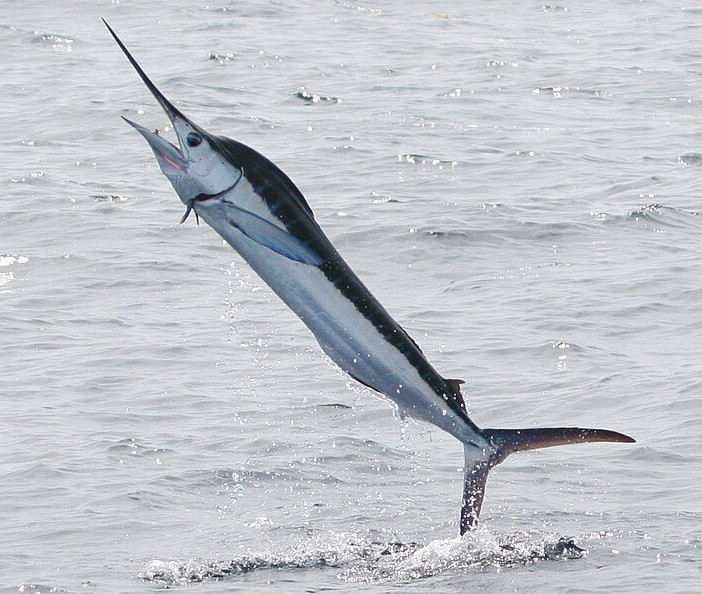

The white marlin is the finesse billfish, a slender, acrobatic, maddeningly finicky fish that has humbled more good anglers than perhaps any other in the ocean. Smaller and lighter than its blue marlin cousin, the "white" is a light-tackle prize that lights up behind a dredge or teaser, tracks a bait with its bill slashing, and then all too often refuses at the last second. Fooling one takes finesse: the right teasers, a perfectly rigged small ballyhoo on a light "dink" rod, and a flawless drop-back to a circle hook. When it all comes together, a hooked white marlin tail-walks and greyhounds across the canyon in a spectacular display before coming to the leader for release. This guide covers what white marlin are, where and when to find them, and every core technique, with step-by-step instruction, to raise, hook, and release one of the most challenging and rewarding gamefish in the sea.
Ready for the ultimate light-tackle billfish challenge? Success on the canyons and shelf edge comes down to preparation, timing, and finesse, every piece of it laid out below. Whites share the offshore grounds with their giant cousin, see our guide on how to catch blue marlin.
Meet the White Marlin
The white marlin (Kajikia albida) is the smallest of the true Atlantic marlins and instantly distinguished by its rounded fin tips, the front of the dorsal fin and the tips of the pectoral and anal fins are rounded rather than pointed, unlike the sharp-tipped blue marlin. It has a slender, streamlined body, a spear-like bill, a greenish-blue back fading to silvery-white sides, and it often shows lavender or blue vertical bars and spots that flush brightly when the fish is lit up and feeding.
White marlin are a light-tackle billfish: most run 40 to 70 pounds, a fish over 80 is excellent, and the very biggest push past 100 pounds (the record is around 180). They roam the warm Atlantic and are famous in the Mid-Atlantic canyon fishery, the deep offshore canyons off the Northeast and Mid-Atlantic coast, where the legendary White Marlin Open and a passionate light-tackle fishery are centered. Like all billfish, white marlin are prized as a catch-and-release trophy; the standard is to hook them cleanly on circle hooks and release them healthy, and this guide is written for that goal.
Where and When to Find White Marlin
White marlin are a warm blue-water fish that concentrate where the ocean's features gather bait. Look for:
- Offshore canyons and the continental shelf edge, the deep canyons and the break where the shelf drops off are the classic white marlin grounds, especially in the Mid-Atlantic.
- Temperature breaks and current edges, the Gulf Stream and its eddies, and the seams where warm and cool water meet, concentrate bait and fish.
- Bait, birds, and structure, schools of bait, working birds, weed lines, and bottom relief along the edge all hold fish.
- Clean, warm blue water in the right temperature range.
The fishery is strongly seasonal, the Mid-Atlantic canyon run peaks in the warm months of summer and early fall, when the fish and the Gulf Stream water push in over the canyons. Local knowledge of the canyons, the temperature breaks, and the timing is everything. White marlin often travel and feed in numbers where conditions are right, so a good bite can mean multiple shots in a day.
Dredges and Teasers: Raising Whites
More than almost any other billfish, white marlin fishing revolves around teasing fish up and getting them fired up. A dredge, a large subsurface array of baits (natural mullet or ballyhoo, or artificial mudflaps and shads), imitates a tight school of bait and is the single deadliest white marlin-raising tool. Combined with surface teasers (squid chains, hookless ballyhoo), dredges pull whites right up into the spread where the crew can see them light up.
The tactic is to run dredges and teasers to attract and excite fish, then execute a bait-and-switch: as a marlin appears on the teaser, pull the teaser away and slide a hook bait into the fish's face. Whites are visual, competitive feeders that respond dramatically to a good dredge, watching a lavender-striped white pop up behind the teasers, sail up and slashing, is the electric moment the whole game is built around. Getting your dredges running right is arguably the biggest factor in raising numbers of white marlin.
White Marlin on a DredgeThe Dink Rod: Light-Tackle Rigging
White marlin are the definitive light-tackle billfish, and the classic tool is the "dink rod", a light, limber outfit (often 20-pound class or lighter) rigged with a small circle-hook ballyhoo, ready to pitch to a fish raised in the spread. The light rod gives the small bait a natural drift, telegraphs the subtle take, and makes the fight a spectacular light-tackle affair. Rigging the dink rod well, a small ballyhoo that swims naturally, the right leader, and a properly positioned circle hook, is a fundamental white marlin skill.
The light-tackle approach fits the fish: whites are not giants, and the finesse of a small bait on a limber rod fools far more of these picky fish than heavy gear would. Keep a couple of dink rods rigged and ready so you can pitch to fish the instant they show, when a white lights up in the spread, seconds count.
How to Rig a Dink Rod for White MarlinRigging Small Ballyhoo With Circle Hooks
The bread-and-butter white marlin bait is a small ballyhoo rigged on a circle hook, trolled in the spread and pitched to raised fish. Rigging it correctly is critical: the ballyhoo must swim naturally without spinning, and the circle hook must be positioned so it rides clean and finds the corner of the jaw on the come-tight. Circle hooks are required in the Atlantic billfish fishery precisely because they hook fish in the jaw and dramatically improve release survival.
A well-rigged small ballyhoo is the offering that gets eaten. Take the time to rig baits that swim true, match hook size to the bait, and keep a good supply ready, you will go through baits, and a fresh, natural-swimming ballyhoo draws far more bites than a washed-out, spinning one. This rigging skill, more than any other, separates consistent white marlin anglers from the rest.
How to Rig a Ballyhoo With Circle HooksThe Drop-Back Hookset
Here is where white marlin break hearts: the hookset. Whites are notorious for slashing and batting a bait with the bill before eating it, and for eating and dropping a bait if they feel resistance. The answer is the drop-back: when a fish is on the bait, put the reel in free-spool (thumb lightly on the spool) and let the fish eat and turn with the bait, feeding line with no resistance. Then, when the fish has it and swims off, come tight steadily, and the circle hook slides to the jaw corner and sets itself.
The keys are patience and touch: do not swing or jerk with a circle hook, and time the come-tight to when the fish has committed and turned. Read the bite, a slashing, batting fish needs to be fed differently than one that eats cleanly, and resist the urge to set too soon. Mastering the drop-back on these finicky fish is the single hardest and most important skill in white marlin fishing, and it is what turns frustrating refusals into hookups.
How to Catch White Marlin (Tactics and Hookups)Leadering and Boatside Handling
Because white marlin are released, what happens at the boat matters enormously. As the fish comes to the leader, the mate takes the wire or leader and controls the fish for the release, a skilled leadering job brings the fish under control quickly and safely without breaking it off or injuring it. Handle the leader smoothly, keep the fish in the water, and never over-stress a green fish at the transom.
Good boatside handling protects both the fish and the crew: a green white marlin can be lively and its bill is a hazard, so the leader-person controls the fish while others clear the way and ready the release. Doing this smoothly is a craft, and it is the final step in a clean catch, the difference between a healthy release and a lost or harmed fish.
Leadering a Pelagic Fish at the BoatReleasing White Marlin
White marlin are almost always released, and doing it right maximizes the fish's survival. Keep the fish in the water, remove the hook or cut the leader close, and revive the marlin by easing the boat forward so water flows over its gills until it kicks off strong and swims down. Circle hooks, minimal fight time, and gentle in-water handling all dramatically improve post-release survival, the whole point of this conservation-minded fishery.
Never drag a marlin backward, hold it up by the bill for long, or bring a fish you intend to release into the boat. Many anglers also tag their whites for billfish research programs, adding valuable data. A properly hooked, quickly fought, and carefully revived white marlin swims back to the canyon healthy, which is exactly the outcome the modern fishery is built to achieve.
How to Catch and Release White MarlinCommon Mistakes to Avoid
White marlin expose every flaw. Setting too soon, swinging on the slash instead of feeding the fish, is the classic heartbreaker; feed it, then come tight steadily. Poorly rigged baits that spin or wash out draw refusals; rig ballyhoo that swim true and keep them fresh. Weak dredge and teaser presentation raises fewer fish; getting the teasers right is half the battle. Heavy, clumsy tackle spooks these light-tackle fish; go light. And rough boatside handling or a slow release harms fish meant to swim away. Whites are the ultimate test of finesse, clean up these mistakes and your hookup and release rate climbs dramatically.
Tackle and Teamwork
White marlin fishing is a coordinated team effort built around light tackle. Beyond the dink rods, a typical spread runs a mix of flat-line and rigger baits plus the dredges and teasers, all watched constantly for a fish popping up. When a white appears, the crew springs into a rehearsed routine: someone works the teaser to tease the fish closer, the angler is handed a pitch bait to feed the fish, and everyone communicates as the drama unfolds in seconds. The boats that catch the most whites are the ones whose crews have their roles down cold.
Keep everything light and ready. Preset light drags for the drop-back and the come-tight, keep multiple dink rods rigged with fresh ballyhoo, and stage the pitch baits where they can be grabbed instantly. Have your leaders, hooks, and release tools sorted before the fish shows. A white marlin bite is a fast, visual, heart-pounding event, and being organized and practiced is what converts a fleeting shot into a hooked and released fish. This blend of finesse tackle and sharp teamwork is a big part of what makes white marlin fishing so addictive.
Reading a Lit-Up Fish
Great white marlin anglers are expert at reading the fish. A white that appears "lit up", flushed neon, bars glowing, sail up and slashing aggressively at the teaser, is a hot, catchable fish; feed it and it will usually eat. A fish that follows lazily without committing needs to be teased harder or shown a different bait. Learning to spot that dark shape and glowing bill materializing in the wash, and to judge the fish's mood, tells you exactly how to react and how to feed it.
Watch the bait, too: a ballyhoo suddenly getting nervous or a bill slashing behind it signals the moment to prepare for the drop-back. The whole game is visual and fast, and the anglers who read fish best, seeing them early, judging their mood, and feeding them just right, hook far more of these notoriously fussy fish. It is a skill built over many shots, and it is at the heart of what makes white marlin the ultimate finesse billfish.
Put It All Together
White marlin fishing is billfishing at its most refined: raise fish with well-run dredges and teasers, pitch a natural-swimming small ballyhoo on a light dink rod, feed the fish with a patient drop-back, let the circle hook find the jaw, and fight and release it cleanly on light tackle. It rewards finesse, patience, and skill over brute force, and the payoff, a lit-up white marlin greyhounding across the canyon on a light rod, is one of the most thrilling and hard-won prizes in all of fishing. When you are ready to take on the finicky "white," get your dredges dialed, your dink rods rigged, and your drop-back timing sharp, the canyons reward crews who put in that work. And for the giant cousin that shares the same blue water, read our guide on how to catch blue marlin next.