Fish
Fish Fire
Fire Hike
Hike Bird
Bird

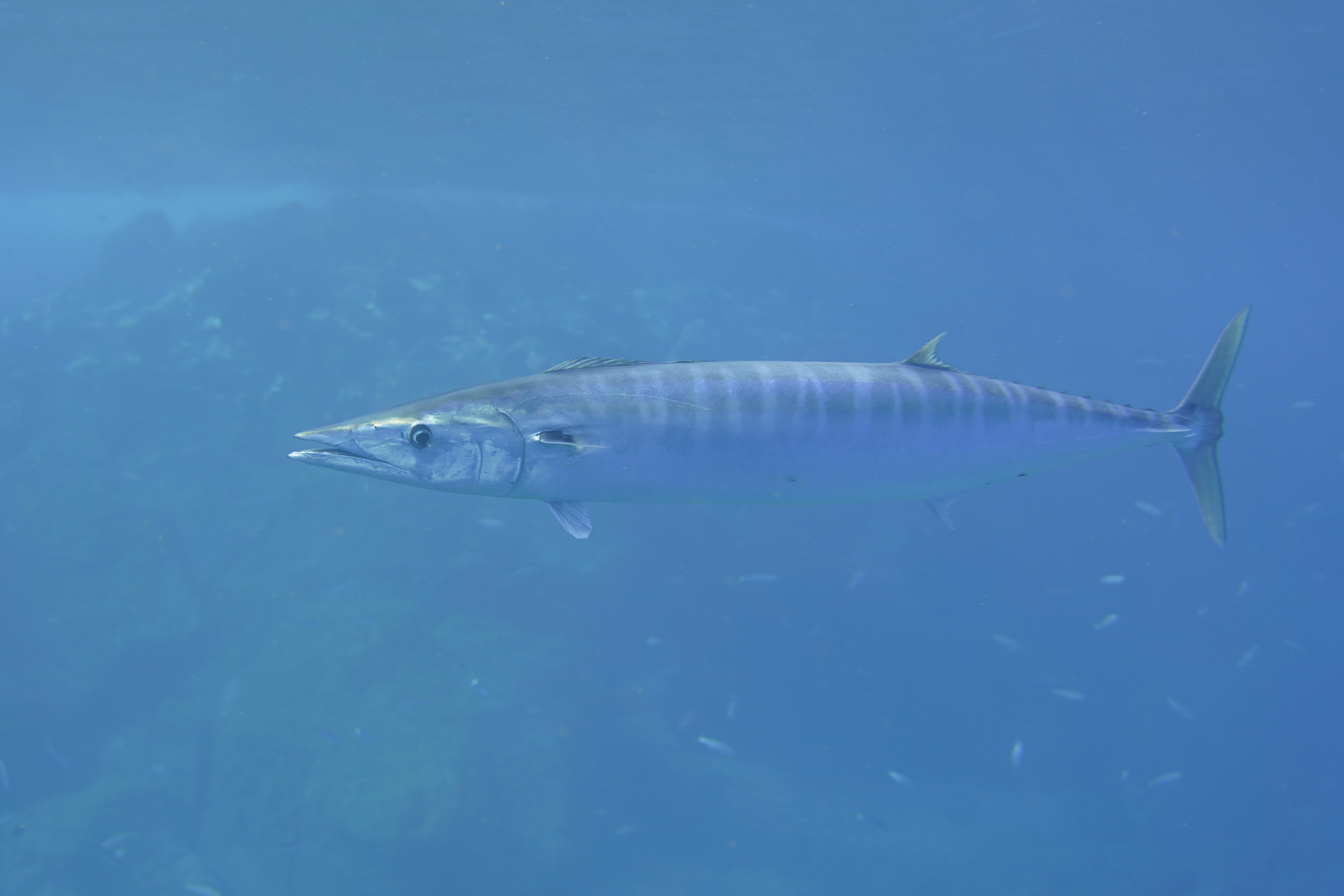

The wahoo is a bullet with fins. One of the fastest fish in the entire ocean, capable of blistering bursts that peel line off a reel faster than almost anything that swims, it is a long, sleek, silver-and-blue missile armed with a mouth full of razor-sharp teeth. When a wahoo eats a trolled bait, the strike is so violent and the run so fast that reels scream and anglers scramble. Prized equally for that explosive fight and for its clean, white, delicious meat, the wahoo is a blue-water trophy that rewards speed, sharp tackle, and the right approach. This guide covers what wahoo are, where and when to find them, and every core technique, with step-by-step instruction, to put one of the ocean's great speedsters in the boat.
Ready to chase the fastest fish in the sea? It starts with knowing the water: wahoo prowl the blue water and structure edges offshore, and dialing in the right speed, depth, and tackle is what turns a screaming strike into a fish in the box. If you love hard-charging pelagics, wahoo often share water with dolphin, see our guide on how to catch mahi-mahi.
Meet the Wahoo
The wahoo (Acanthocybium solandri) is a member of the mackerel and tuna family built entirely for speed: a long, slender, torpedo-shaped body with a sharply pointed snout, an elongated jaw, and a streamlined shape that lets it accelerate like few other fish. Its back is a brilliant electric blue, its sides silver, and along its flanks run a series of vertical blue "tiger stripe" bars that are unmistakable when the fish is fresh. Inside that beak is a set of extremely sharp, blade-like teeth that shear bait, and leaders, with ease.
Wahoo are true speed demons, among the fastest fish in the ocean in short bursts. Most run 15 to 40 pounds, a fish over 50 is excellent, and giants exceed 100 pounds (the record is over 180). They roam warm, tropical and subtropical waters worldwide, typically as solitary fish or in small loose groups rather than big schools, relating to structure, drop-offs, and current edges out in the blue. Their firm, white, mild fillets are among the most prized eating in the sea, adding to the wahoo's reputation as a top-tier blue-water target.
Where and When to Find Wahoo
Wahoo are a warm-water, blue-water fish, and finding them is about locating the right combination of temperature, structure, and current. Unlike schooling mahi, wahoo are more often loners that patrol:
- Offshore structure and bottom relief, seamounts, ledges, drop-offs, humps, and reef edges concentrate bait and hold wahoo.
- Current edges and temperature breaks, where warm blue water meets cooler or greener water, or a current line forms, wahoo hunt the seam.
- Floating structure and weed lines, like other pelagics, wahoo will patrol weed lines and debris, though they often run deeper than mahi.
- Islands, banks, and points, many of the best wahoo grounds are around islands and offshore banks where structure and current combine.
Timing matters: wahoo bite year-round in the tropics but have distinct seasonal runs in many places, often peaking in the cooler months in subtropical waters (the famous winter wahoo runs). Bite windows around dawn, dusk, and moving tides or major solunar periods are often best. Learn your local grounds and seasons, and concentrate on structure and edges when conditions line up.
High-Speed Trolling
The signature wahoo technique is high-speed trolling. Because wahoo are so fast, they will chase down and crush a bait moving far faster than most trolling, anglers pull heavy, streamlined lures at 12 to 18 knots (sometimes faster), covering huge amounts of water and triggering reaction strikes from these speed-loving predators. The setup uses heavy trolling lures with weighted heads (bullet and jet-head style) that track true at speed and dive, rigged on heavy leaders and often with in-line trolling weights to keep them down.
High-speed trolling shines for finding scattered, solitary wahoo across open water and structure, you can cover many miles of ledges, banks, and edges in a day, and the fast-moving spread draws savage, reel-melting strikes. Space the lures at staggered distances, run them along and across structure and current edges, and hold on: a high-speed wahoo strike is one of the most violent takes in fishing.
How to Set a High-Speed Trolling Spread for WahooGetting Baits Deep: Planers and Downriggers
Wahoo often hold well below the surface, especially in bright conditions or when relating to deeper structure, so getting your baits down is frequently the key. Planers and downriggers let you troll lures and baits at depth, a planer dives and drags your bait down on a strike-release system, while a downrigger pins it to a set depth on a weighted cable. Trolling deep-diving plugs also gets lures into the zone.
The approach is to run a mix of depths until you find where the fish are feeding, often getting baits down 20, 40, or more feet to reach wahoo cruising below the surface layer. Deep trolling with planers is a proven big-wahoo method, many of the largest fish come from baits run well beneath the surface, right in the strike zone the surface spread never reaches.
How to Planer Fish for Wahoo and KingfishDealing with the Teeth: Wire Leaders
Nothing will cost you more wahoo than their teeth. Those razor-sharp, blade-like teeth slice through monofilament and fluorocarbon leaders instantly, and a wahoo that bites off is a fish lost, plus an expensive lure gone. The solution is wire leader. Most wahoo anglers run a section of single-strand or cable wire (or heavy, wire-reinforced rigs) between the lure and the mainline leader to prevent bite-offs.
The trade-off is that wire is more visible and can reduce strikes from wary fish, so anglers balance stealth and security, using just enough wire to beat the teeth, and rigging it cleanly. When wahoo are the target, though, wire is almost always worth it: a slightly lower bite rate on wire beats cutting off every fish you hook on mono. Learn to rig wire leaders well, and you will land the fish you hook.
How to Rig Wire Leaders for Toothy FishSlow-Trolling Baits
While high-speed trolling covers water, slow-trolling natural baits is a deadly, more targeted approach, especially over known structure or when fish are located. Rigged ballyhoo, whole or strip baits, and live baits pulled at slower trolling speeds present a natural, tempting target that wahoo readily eat. Rig ballyhoo on wire and pull them along structure edges, drop-offs, and current lines where wahoo patrol.
Slow-trolling shines when you have found the fish or the structure and want to work it methodically with an irresistible natural bait, rather than blasting across open water. It is also the go-to when the high-speed bite is off and a slower, more natural presentation is needed to tempt a finicky fish. Many anglers combine both, running fast to locate, then slowing down to work a productive area with baits.
Ballyhoo Bait Rigs for Slow-Trolling WahooVertical Jigging
When wahoo are holding on deep structure, a seamount, a wreck, a ledge, vertical jigging can be lethal and is one of the most exciting ways to catch them. Drop a heavy speed jig or vertical jig to the fish's depth and work it back with fast, sharp rips of the rod, imitating a fleeing baitfish. Wahoo, built to chase and crush fast prey, often smash a ripped jig on the fall or the rise.
Jigging lets you target fish marked on the sounder over specific structure, put a lure right in their zone, and enjoy a direct, rod-in-hand fight. Use wire or a heavy bite-tippet ahead of the jig to survive the teeth, and hold on, a wahoo hitting a jig at depth delivers a strike and a run that will test your tackle and your reflexes.
Wahoo on a Vertical JigLanding and Gaffing
A green wahoo boatside is fast, powerful, and armed, landing them cleanly is essential. Gaff decisively with a solid shot behind the head or in the shoulder, and swing the fish straight into an open fish box; never bring a thrashing wahoo onto an open deck, where those teeth and that muscle are a real hazard. Keep the fish's head coming toward you and time the gaff on a controlled pass at the boat rather than lunging at a still-hot fish.
Have the gaff ready and the box open before the fish arrives, keep hands well clear of the mouth, and secure the fish quickly. A clean gaff-and-box routine protects the crew, preserves the meat, and gets you back to fishing fast.
Wahoo Gaffing TipsCommon Mistakes to Avoid
Wahoo humble the unprepared. Skipping wire leader tops the list, fish mono and you will cut off wahoo all day. Trolling too slow for the high-speed bite, or too shallow when fish are holding deep, keeps your baits out of the zone. Dull hooks and light drag lose fish on that first blistering run, keep hooks needle-sharp and drags set firm. Boating a green fish onto the deck is dangerous and costs fish and gear. And not covering enough water, wahoo are often scattered loners, so you must hunt structure and edges aggressively rather than sitting in one spot. Fix these and your wahoo catch rate climbs fast.
Tackle and Drag Setup
Wahoo tackle has to survive a strike and run unlike almost anything else in fishing. For high-speed trolling, a stout 30- to 50-pound conventional outfit with a smooth, powerful drag is standard, the initial run is so fast and violent that a weak reel or a rough drag will fail. Set your drag firm to drive the hooks home on a fast-moving fish and to slow that first burst before the fish spools you, but not so tight that the sudden shock of a high-speed strike breaks the line. Many anglers run a shock leader and in-line trolling weights to both track the lure and cushion the hit.
Hook sharpness is non-negotiable: wahoo have hard mouths, and a strike at speed gives the hooks a fraction of a second to bite, so sharpen or replace hooks until they are needle-point. Match your leader to the method, wire to beat the teeth, with a heavier mono or fluoro top-shot for abrasion and shock. And carry backups of everything, because wahoo destroy tackle: bitten leaders, straightened hooks, and lost lures are part of the game.
Combining Techniques Through the Day
The best wahoo anglers rarely rely on a single method, they layer techniques to match conditions and what the fish are doing. A common rhythm is to run and hunt with a high-speed spread first thing, covering structure and edges to locate scattered fish, then slow down and work productive water with slow-trolled ballyhoo or drop jigs on marks once you find a concentration. If the surface bite is off, get baits deep with planers or downriggers to reach fish holding below.
Reading the day is the skill: watch your sounder for bait and fish on structure, note where and how you get your strikes, and adjust speed, depth, and presentation accordingly. Because wahoo are often solitary and scattered, staying mobile and aggressive, while being ready to slow down and capitalize the moment you find fish, is what separates a big day from a slow one. Keep multiple outfits rigged for different methods so you can switch without missing a beat.
Table Fare and Handling
Wahoo are among the finest-eating fish in the sea, firm, white, mild, and clean, superb grilled, seared, blackened, or as fresh sashimi and ceviche. As with all pelagics, bleed and ice the fish immediately for top quality; a wahoo iced right away is dramatically better than one left in the sun. Handle the toothy mouth with care when cleaning, those blade-like teeth are just as sharp on the dock as they were at the boat. The clean, white flesh takes marinades and sears beautifully, and because wahoo have relatively low oil content it stays firm and flaky rather than fishy. Between the reel-screaming fight and the outstanding table quality, a wahoo is a prize on every level, and few fish reward the effort of a long run offshore quite like it.
Put It All Together
Wahoo fishing rewards speed, sharp preparation, and aggressive hunting: run and cover water high-speed trolling, get baits deep with planers when the fish are down, always rig wire to beat the teeth, slow down with natural baits over located structure, and jig marked fish on deep relief. Set your drags, sharpen your hooks, and be ready for the fastest strike in fishing. Learn the grounds, put in the offshore miles, and stay mobile and aggressive, and one of the ocean's great speedsters is within reach. And for another blistering blue-water target that shares the same edges, read our guide on how to catch mahi-mahi next.