Fish
Fish Fire
Fire Hike
Hike Bird
Bird

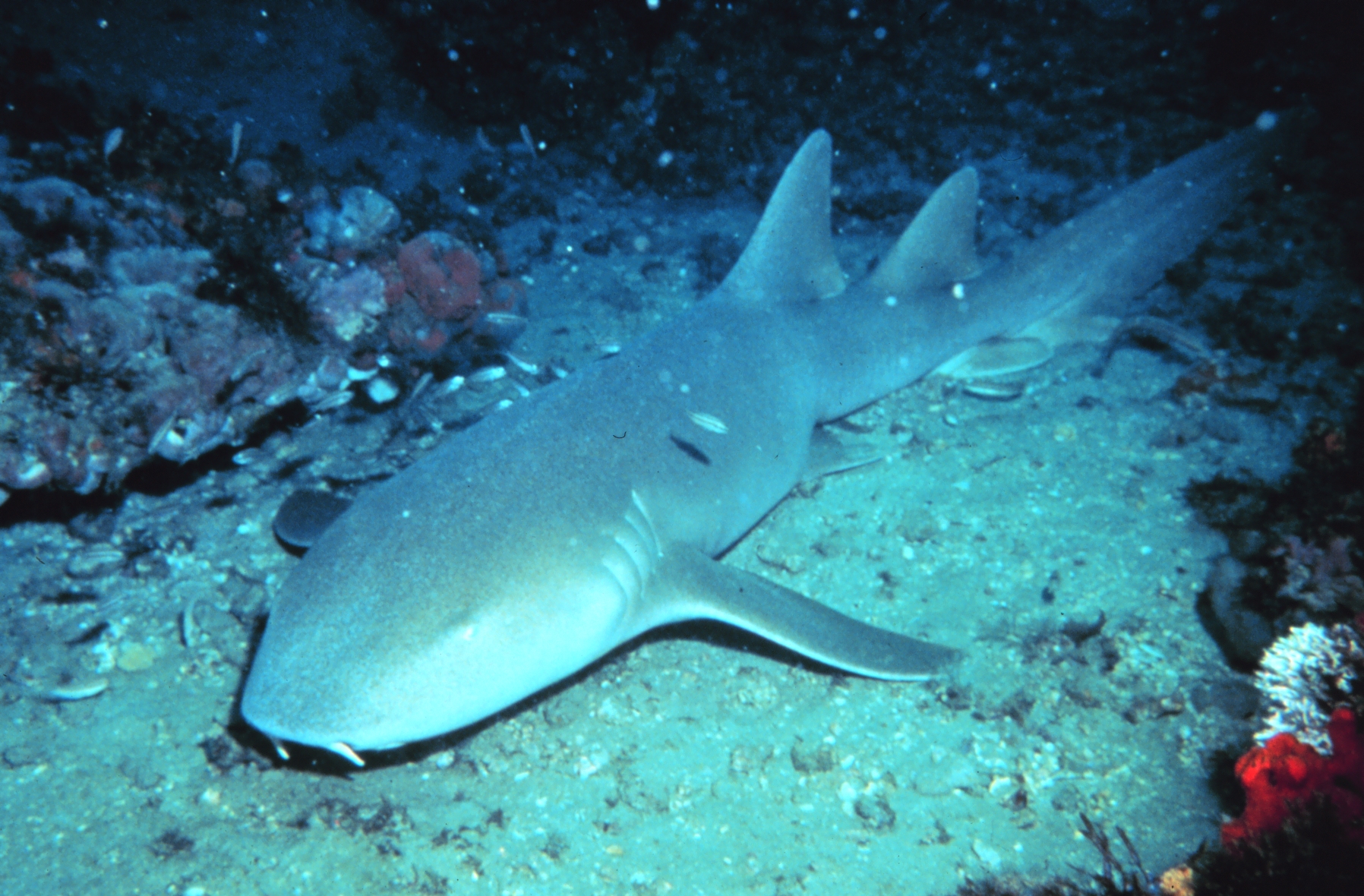

The nurse shark (Ginglymostoma cirratum) is one of the most commonly encountered sharks for inshore and structure anglers in warm Atlantic and Caribbean waters. It is a slow-moving, bottom-dwelling shark that spends its days tucked under ledges, in caves, and around structure, then prowls the bottom for food. That habit, hanging around reefs, bridges, docks, and rock piles, puts it right where many land-based and small-boat anglers fish, and a big nurse shark inhaled bait is one of the most reliable ways to feel truly connected to a heavy, stubborn fish.
Do not mistake "slow-moving" for "easy." A hooked nurse shark fights like a sack of wet cement with a motor, it uses its powerful body and its habit of wedging into structure to become a dead-weight, drag-testing anchor that can be maddeningly hard to move. Add a small but very strong mouth full of crushing, raspy teeth and a tenacious bite, and you have a fish that demands heavy tackle and careful handling. This guide covers how to identify a nurse shark, where and when to find them, the tackle and rigs that hold up, the baits they cannot resist, how to win the tug-of-war, and how to release them safely.
Understanding Nurse Shark Behavior
Nurse sharks are nocturnal bottom feeders. By day they rest, often in groups, piled under ledges, in caves, under bridge pilings, and around wrecks and rock piles; by night they cruise the bottom hunting. They are found throughout warm inshore waters, reefs, flats, channels, mangrove shorelines, and around any structure that offers shelter and food. Because they orient so strongly to structure and the bottom, you fish for them differently than open-water sharks: you put a bait on the bottom near or under the structure where they live, and you wait for one to nose it up.
Their diet tells you what to feed them. Nurse sharks eat crustaceans, mollusks, sea urchins, and bottom fish, using a powerful suction feeding method to vacuum prey out of holes and crevices, you can sometimes hear the loud slurp. That suction feeding is why they take a bottom-fished dead bait so confidently: it looks and smells exactly like the slow, easy meals they specialize in. They feed most actively at night and in low light, and while they will eat during the day, dusk into darkness is prime time. Warm water keeps them active; they are most catchable through the warm months and in consistently tropical areas year-round.
Nurse sharks are also strongly site-faithful, which is a real advantage for an angler. They return to the same resting spots, a particular ledge, a specific set of bridge pilings, a favorite cave, day after day, so once you locate a spot that holds them it tends to keep producing. Divers and snorkelers routinely report the same sharks piled in the same holes over long stretches of time. If you fish a bridge, dock, or reef edge and catch a nurse shark, note the exact spot and tide, because there is a good chance more sharks are using that same structure and you can come back to it. Learning a handful of reliable structure spots along your local coast is worth far more than running new water every trip, since these sharks reward the angler who knows where they hide.
Nurse shark fishing overviewIdentifying a Nurse Shark
The nurse shark is unmistakable once you know the marks. It has a broad, rounded, flattened head and a small mouth set well under the snout, not the toothy grin of a requiem shark. The dead giveaway is a pair of fleshy barbels, like short whiskers, hanging in front of the mouth; these sensory organs help it find prey on the bottom and no other common inshore shark has them. The body is stout and the color is a uniform yellowish to dark brown, sometimes with faint spots on juveniles. The two dorsal fins are set well back toward the tail, and the tail itself is long with a barely developed lower lobe. Small eyes and small gill slits complete the picture. Between the barbels, the small under-slung mouth, and the brown color, a nurse shark is one of the easiest sharks to identify.
Tackle for Nurse Sharks
Nurse sharks are not fast, but they are heavy and they pull relentlessly toward structure, so you need stout tackle with real lifting power. A medium-heavy to heavy conventional outfit or a large spinning setup is standard, think a 6000-to-10000-size spinner or a small-to-medium conventional loaded with 50- to 80-pound braid, matched to a rod with enough backbone to pry a stubborn fish out of the rocks. From a bridge or dock you especially need lifting power and a way to get the fish up, whether that is a bridge net, a gaff for legal-harvest situations, or a rope to control the fish boatside.
Set the drag firm, this is a fish you must turn before it reaches a piling or a ledge, because once a nurse shark wedges into structure it can be nearly impossible to move. Braid's low stretch helps you feel the bite and turn the fish, while a heavy mono or fluorocarbon shock leader cushions the head-shakes and guards against abrasion on structure. Everything about the setup assumes a slow, grinding, high-load fight rather than a screaming run, so prioritize strength and cranking power over long casting.
Fishing bridges and structure for nurse sharksThe Right Rig and Leader
A simple, strong bottom rig is all you need. A fish-finder (sliding sinker) rig or a stout Carolina rig gets a bait to the bottom and lets a shark move off with it before feeling resistance. Use enough weight to hold bottom in the current around the structure you are fishing. The critical component, as with any shark, is the leader: a nurse shark's raspy, crushing mouth and its habit of rolling and rubbing on structure will destroy mono, so run a bite section of heavy wire or cable, backed by a length of heavy mono or fluorocarbon rubbing leader to protect against abrasion on the pilings and rocks.
Circle hooks are the right choice and are often legally required, a non-stainless circle in roughly the 8/0 to 14/0 range slides to the corner of the jaw and sets there as the shark moves off, giving a lip hookup that is safe to remove and best for the shark's survival. Do not strike; when the line comes tight, just start reeling and lifting and let the circle find the jaw hinge. Non-stainless hooks are important so any hook left in a fish will rust out. Keep the wire only as long as needed and check the leader for nicks after every fight, because structure is hard on gear.
Circle hooks and shark rig setupBait and Chum
Nurse sharks are bottom scavengers and suction feeders, so the best baits are fresh, bloody, and fished on the bottom. A fresh chunk of cut fish, mullet, bonito, ladyfish, mackerel, or a bloody fish head, is hard to beat, and squid, crab, and shrimp also produce well because they mimic the shark's natural crustacean-and-mollusk diet. Fresh-dead bait is exactly right for a scavenger; the bloodier and smellier it is, the wider its scent plume and the more likely a nurse shark is to slurp it up. A live bait pinned to the bottom works too, but for nurse sharks a bloody, oily cut bait is usually the top producer.
A chum trail helps by pulling scent through the structure and drawing sharks out from under their ledges. A mesh bag of ground fish, chunks, and oil fished up-current, off a bridge, dock, or boat, creates a corridor that a nurse shark will follow to your baits. Because these sharks live so tight to structure, you often do not need to reach far: place the bait near the base of a piling, the edge of a ledge, or the mouth of a rock pile, keep the scent constant, and give a nearby shark time to work its way over. Patience and a bait sitting right in front of the structure usually beat constant recasting.
Bait size and toughness matter around structure. Reef and bridge spots are full of smaller scavengers, crabs, pinfish, eels, and small fish, that will pick a soft bait clean before a nurse shark ever gets to it, so use a larger, tougher chunk or a whole small fish, and secure it to the hook with bait thread if the current or the pickers are stealing it. A bloody fish head is a great choice because it is durable, oily, and hard for small pickers to demolish quickly. If you are getting nibbled to death with no shark, size up your bait rather than downsizing; you want an offering that survives long enough for a slow-cruising nurse shark to find it and lock on with that powerful suction.
Best baits for nurse sharksFighting a Nurse Shark
Fighting a nurse shark is a battle of leverage and stubbornness, not speed. When the line comes tight, do not swing, let the circle hook set as the fish moves and then immediately apply heavy, steady pressure to turn it away from structure. The first job is to get the shark's head coming your way before it can wedge into a ledge, cave, or piling, because a nurse shark that reaches structure can lock in and refuse to budge, sometimes for a very long time. Lean into it and keep the fish moving.
Once you have it in open water, settle in for a grinding tug-of-war. Nurse sharks bulldog and roll, using their thick bodies to become dead weight, and they will make short, powerful surges back toward cover. Keep constant pressure, gain line in short pumps, and never give slack, a rolling shark can wrap and chafe the leader or throw a poorly set hook. From a bridge or dock the challenge is vertical lift and keeping the fish off the pilings; from a boat, use the boat to pull the fish away from structure and shorten the fight. Expect it to take real muscle and patience, and use your legs and body rather than just your arms so you can keep up the pressure.
Be ready for the fish to simply stop. A nurse shark will sometimes plant itself on the bottom or against structure and turn into an immovable weight, and no amount of straight-up cranking will budge it. When that happens, do not just pull harder in a straight line and risk breaking off, try changing the angle of pull, walking down a bridge or repositioning the boat, and applying steady side pressure to unstick the fish and get it swimming again. Once it is moving, keep it moving. Patience beats brute force here, and the angler who stays calm through the dead-weight standoffs is the one who eventually gets the leader in hand.
Fighting and landing a big nurse sharkLanding and Safe Release
Most nurse sharks are released, and careful handling matters, a nurse shark's small mouth is deceptively strong, and it can clamp down with a tenacious, jaw-locking bite that is genuinely hard to remove, so keep your hands well away from the mouth at all times. Whenever possible, keep the shark in the water: at a bridge or dock, control it boatside or bring it up only briefly with proper support; from a boat or the shallows, keep it wet in the water while you work. Do not let a shark thrash on hot, dry concrete or sand any longer than absolutely necessary.
Use a long dehooker to pop the circle hook out of the jaw corner quickly, working from behind and to the side, never in front of that mouth. If the hook is deep or the fish is difficult, cut the leader as close to the hook as you safely can, a non-stainless circle will corrode and drop out, which is far safer than fighting that clamp. Take any photo quickly, support the shark, and let it swim off under its own power. Know your local regulations before you fish, as many areas require circle hooks and regulate or prohibit harvest, and handle every fish with the respect this durable, ancient-looking shark deserves.
How to safely handle and release a sharkPutting It All Together
Catching a nurse shark comes down to fishing where they live and feeding them what they eat: put a bloody bottom bait on a strong wire-leader rig right against reef, bridge, dock, or rock-pile structure, fish it in low light or after dark, and be ready to turn a stubborn, structure-seeking fish the instant it eats. Bring tackle with real lifting power, keep steady pressure through a grinding fight, and handle the shark carefully, hands clear of that clamping mouth, for a safe release. It is one of the most dependable big-fish bites available from shore, and a great fish to cut your teeth on before chasing faster, toothier sharks.
If you want to branch into other sharks, the lemon shark shares the same inshore flats and beaches with more speed, the bull shark pushes far up into brackish water and rivers, and the tiger shark is the heavy-tackle giant of the group.