Fish
Fish Fire
Fire Hike
Hike Bird
Bird

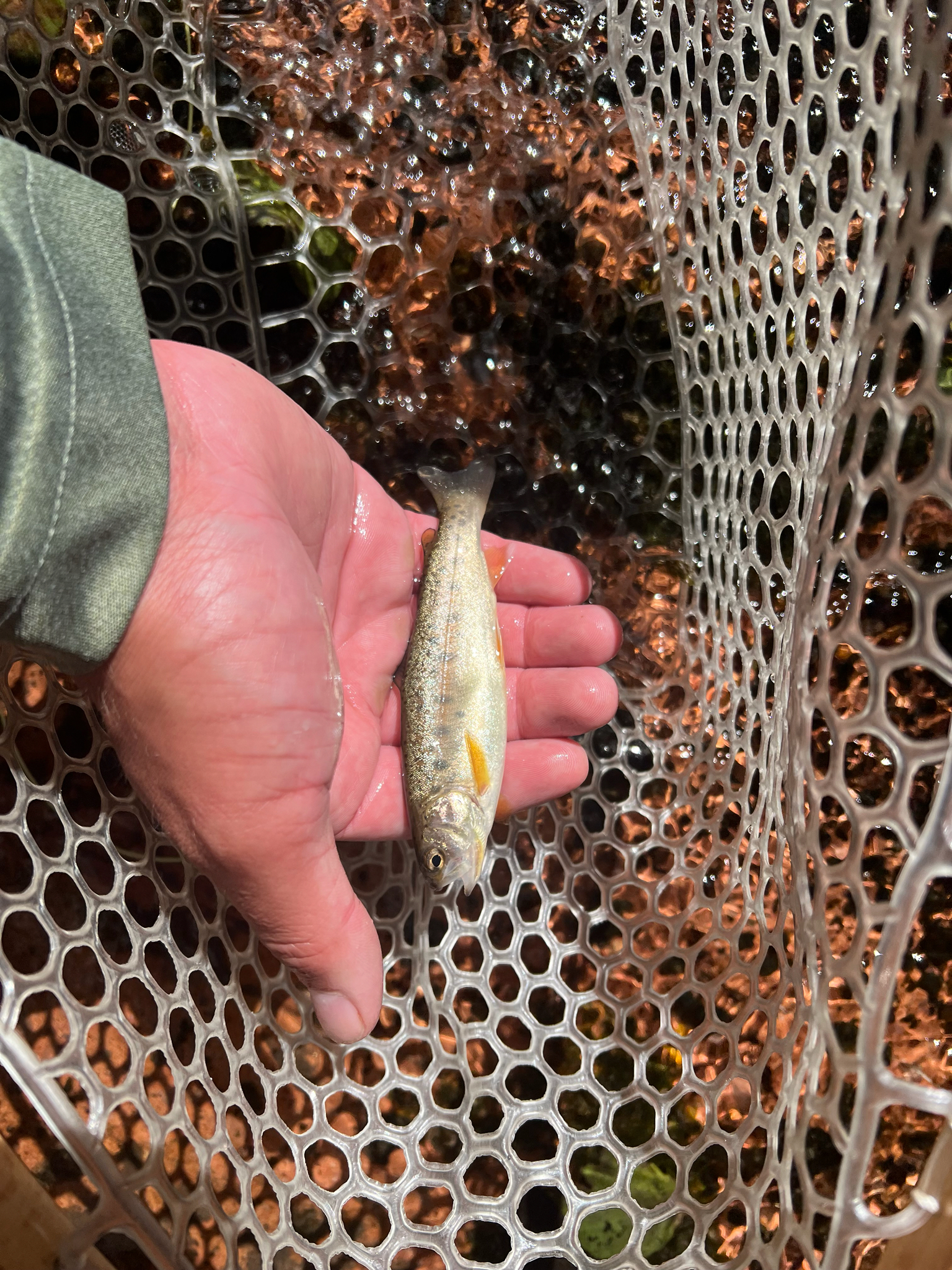

The Gila trout is one of the rarest and most storied trout in North America, a golden-copper native of the wild, remote high country of the American Southwest, and one of the great conservation comeback stories in the sport. Found naturally nowhere else on earth but the headwater streams of the Gila River system in southwestern New Mexico (and historically Arizona), it's a fish wrapped in wilderness: its heartland is the Gila Wilderness, the first designated wilderness area in the United States, a vast expanse of rugged, pine-clad mountains and clear mountain streams. Once reduced to a handful of tiny populations and pushed to the edge of extinction, the Gila trout has been pulled back through decades of intensive recovery work to the point that anglers can now legally catch it in a number of waters. To hold one, a slim, golden fish flecked with fine spots, iridescent in the mountain light, is to connect with the wildest heart of the Southwest.
Like its close cousin the Apache trout, the Gila is a fish of small, cold, high-elevation water, and pursuing it is as much about the spectacular, remote setting as the catch. In its native backcountry streams the fishing can be wonderfully simple, willing fish in gorgeous, lightly pressured water reached by a hike, while stocked streams and lakes offer more accessible fishing and sometimes bigger fish. This guide covers where to find Gila trout, how to catch them, and how to enjoy and protect this remarkable native species.
Understanding the Gila Trout
The Gila trout (Oncorhynchus gilae) is a member of the Pacific trout family and a very close relative of the Apache, rainbow, and cutthroat trouts. It's a beautiful fish: a slender, golden-yellow to copper-bronze body with an iridescent sheen, covered in profuse, fine, small dark spots that are concentrated toward the upper body and tail, often a faint rose or copper band along the side, a yellowish belly, and small yellow-orange marks sometimes near the throat. In its small native streams it's typically a modest fish, commonly 6 to 12 inches, while fish in stocked lakes and larger waters can grow bigger.
The Gila trout is a cold-water, high-country native. Its home is the clear, cold headwater streams of the Gila and (historically) Verde and Agua Fria drainages, in rugged mountains cloaked in ponderosa pine and mixed conifer. Like all such natives, it requires cold, clean, well-connected water, and it feeds on the insects, mayflies, caddis, midges, and terrestrials, and small aquatic life its mountain streams provide. Understanding that this is a cold-loving, insect-eating fish of small, remote, high-country water is the foundation for catching it.
How to Catch the Rare Gila Trout: Tips and TricksA Conservation Comeback You Can Fish For
The Gila trout's story is one of the most dramatic in native-trout conservation. Reduced to a few isolated relict populations and once listed as endangered, it became the focus of an intensive recovery effort by the U.S. Fish and Wildlife Service, New Mexico Department of Game and Fish, and partners, building a hatchery broodstock, removing non-native trout, restoring habitat, and re-establishing populations, even as catastrophic wildfires (like the massive 2012 Whitewater-Baldy fire) dealt painful setbacks. That work downlisted the species from endangered to threatened and, remarkably, reopened legal angling for it. Today you can fish for Gila trout in a number of designated waters, certain streams in the Gila National Forest and stocked put-and-take waters and lakes, under special regulations. Some waters require a special Gila trout permit or have catch-and-release or gear rules, so knowing and following the specific regulations for each water is essential.
Fishing for Gila Trout in New MexicoWhere to Find Gila Trout
Gila trout live in and around the Gila Wilderness and Gila National Forest of southwestern New Mexico, with some waters elsewhere in the region. Look for them in:
- Small, cold, clear backcountry streams in the Gila high country, the classic native habitat, where fish hold in pools, pockets, runs, and under cover.
- Stocked streams (such as designated recovery and put-and-take waters) managed to provide Gila trout angling.
- Stocked lakes and ponds where Gila trout are planted and grow larger, offering more accessible fishing.
In the streams, target the deeper pools and plunge pools, the pockets behind rocks, the heads and tails of runs, and any undercut banks and shade. In lakes, look for cruising fish along shorelines, inlets, and drop-offs. Reaching the best native water often means a hike or backpacking trip deep into the wilderness, part of the adventure and the appeal.
Catching a First Gila Trout in the BackcountrySmall Dry Flies and Fly Fishing
Fly fishing is the classic and most rewarding way to catch Gila trout, and their clear mountain streams are perfect for it. Because these fish look up for insects in cold, clear water, small dry flies are deadly, attractor patterns like an Adams, Elk Hair Caddis, Royal Wulff, Griffith's Gnat, and terrestrials (ants, beetles, small hoppers) drifted over holding water draw confident rises. In their lightly pressured native streams, Gila trout are often eager, willing biters. When fish aren't rising, a small nymph (Pheasant Tail, Hare's Ear, or a small beadhead) drifted through the pockets and runs picks up fish. In the clear, intimate water, a stealthy approach and a delicate presentation with light tippet make all the difference.
Fly Fishing Small Creeks for Gila TroutTenkara and Small-Stream Tactics
The Gila trout's small size and small high-country streams make it an ideal tenkara target. The simple Japanese fixed-line fly method is light, packable, and superbly suited to dapping and drifting flies through the tight pockets, plunge pools, and runs of a small mountain creek, no reel or fly line to manage, which is a real advantage on a backcountry hike. Whether you fish tenkara or a light conventional fly rod (a 2- to 4-weight), the emphasis is on light, delicate, packable gear that matches small fish in small, clear water and lets you work upstream through beautiful pocket water deep in the wilderness.
Gila Trout in a Small StreamSmall Spinners and Light Spinning Gear
You don't have to fly fish. Small spinners and spoons on ultralight spinning gear are effective for Gila trout, especially in stocked lakes and larger streams, and they're a great choice for anglers who prefer spinning or want to cover water. Tiny inline spinners (a small Panther Martin, Mepps, or Rooster Tail) and small casting spoons cast well, get down to fish, and trigger strikes from Gila trout keyed on small prey. In streams, cast up or across and work the lure through the pools and current seams; in lakes, cast to cruising fish and retrieve steadily with a little action. A compact ultralight spinning kit is light to carry into the backcountry and highly effective.
Fly Fishing a Lake for Big Gila TroutThe Gila Wilderness: Fishing in America's First Wilderness
Part of what makes chasing Gila trout so special is where it takes you. The Gila Wilderness, established in 1924 as the first designated wilderness area in the United States, is the fish's ancestral home, more than half a million acres of rugged mountains, deep canyons, ponderosa forest, and clear, cold streams with no roads, no motors, and few people. Fishing for wild Gila trout here means shouldering a pack, hiking or riding in over trails, and immersing yourself in some of the wildest country in the Lower 48. The reward is solitude, spectacular scenery, and a rare native trout in the water it has swum for thousands of years. For many anglers, a Gila trout trip is a genuine wilderness adventure, a multi-day backcountry journey where the fishing is the centerpiece of a much larger experience. Plan accordingly: carry the essentials, be self-sufficient, respect Leave No Trace principles, and treat the wilderness with the same care you give the fish.
Fire, Floods, and a Fragile Recovery
No discussion of Gila trout is complete without the shadow that hangs over their high, dry country: wildfire. The Southwest's forests are increasingly fire-prone, and catastrophic blazes, most notably the enormous 2012 Whitewater-Baldy fire, have repeatedly devastated Gila trout streams, killing fish outright and then choking recovering waters with ash and sediment when monsoon rains scour burned slopes. These events have been painful setbacks in the species' recovery, sometimes wiping out populations that took years to re-establish. For anglers, this means two things. First, expect closures: fire, drought, and post-fire flooding regularly close streams and areas, and you must check current conditions before any trip. Second, it underscores why careful, low-impact angling and support for habitat conservation matter so much, every healthy population is precious, and the fish's future depends on protecting the cold, clean, connected water that remains. Fishing responsibly for Gila trout is, in a real sense, part of keeping the recovery alive.
Tackle for Gila Trout
Keep it light, you're fishing small fish in small, clear water, often after a hike:
- Fly: A 2- to 4-weight rod (or a tenkara rod) with a floating line, light 4X–6X tippet, and a small box of dry flies (Adams, Elk Hair Caddis, Royal Wulff, Griffith's Gnat, ants) plus a few small nymphs.
- Spinning: A packable ultralight rod, a small reel with 2- to 6-pound line, and a handful of tiny inline spinners and small spoons.
- Extras: Polarized sunglasses to spot fish and read the water, a small net, and barbless hooks for easy, gentle release of this native.
Favor gear that's light, compact, and durable, since reaching the best Gila trout water often means carrying it a long way into the wilderness.
Timing and Conditions
The Gila trout's high-country home sets the season. The prime window runs from spring through fall, when the streams and lakes are accessible and fishing well, roughly April or May into October, depending on elevation and conditions. Spring snowmelt can swell and muddy streams, so let them clear and drop; summer offers reliable access and eager fish, with early morning and evening especially productive and the high elevation keeping the water cool. Summer also brings monsoon thunderstorms to the Southwest, which can spike stream flows and pose flash-flood danger in canyons, watch the weather closely. Winter cold and snow limit high-country access. Always check current conditions, fire closures (a recurring issue in this fire-prone country), and regulations before heading into the Gila.
Conservation: Protecting a Fragile Native
The Gila trout's recovery is hard-won and ongoing, and anglers have a role to play. In native and recovery waters especially, treat these fish as a catch-and-release treasure: keep them wet, minimize handling and air exposure, use barbless hooks, and release them quickly and gently. Never move fish between waters (which can spread hybridization or disease), pack out all trash, respect stream banks and habitat, and heed fire and area closures that protect sensitive streams. Follow the specific regulations for each water, some require a special permit, and rules vary between native recovery streams and stocked put-and-take waters. The Gila trout came back from the brink because people cared for its wild streams; careful, low-impact angling helps keep it that way.
Common Gila Trout Mistakes
- Skipping the regulations. Gila trout waters have special, varying rules, and some require a permit. Always check before you fish.
- Heavy tackle. These are small fish in clear water. Go light and delicate; heavy line and lures spook them.
- A clumsy approach. Clear, quiet mountain water reveals every move. Approach stealthily, fish upstream, and keep low.
- Ignoring wilderness hazards. The Gila is remote, fire-prone, and subject to flash floods and monsoon storms. Prepare, check closures, and watch the weather.
- Rough handling of a native. The Gila trout is a recovering native. In recovery waters, handle minimally, keep them wet, and release with care.
Put It All Together
Catching a Gila trout comes down to heading into the wild: fish the cold, clear backcountry streams and stocked waters of New Mexico's Gila country, present a small dry fly, a delicate nymph, or a tiny spinner to the willing, golden fish that live there, and do it with light, packable gear and a stealthy approach. Follow the special regulations for each water, time your trip for the accessible months, watch for wilderness hazards, and handle this recovering native with the care it deserves. Do that, and you'll catch one of America's rarest trout, a golden jewel of the Southwest and a living symbol of a conservation triumph, in some of the wildest country left in the Lower 48.
The Gila trout is one of the Southwest's treasured native trout, and its relatives make great companions on a native-trout quest. Its near-twin, the Apache trout, is Arizona's golden native and another conservation comeback, and the widespread rainbow trout is their close cousin and the backbone of Western trout fishing. Catch a Gila trout, and you've added one of the continent's rarest natives to your list.
Ready to chase a Gila trout in the wildest corner of the Southwest? Use Guidepole to map the public-land access and trailheads into the Gila country, pin the streams and lakes where these golden natives swim, and check the special regulations and current fire and stream closures before you go, so you can hike in and catch and release one of the rarest trout in the Lower 48 responsibly, in the wildest corner of New Mexico.