Fish
Fish Fire
Fire Hike
Hike Bird
Bird

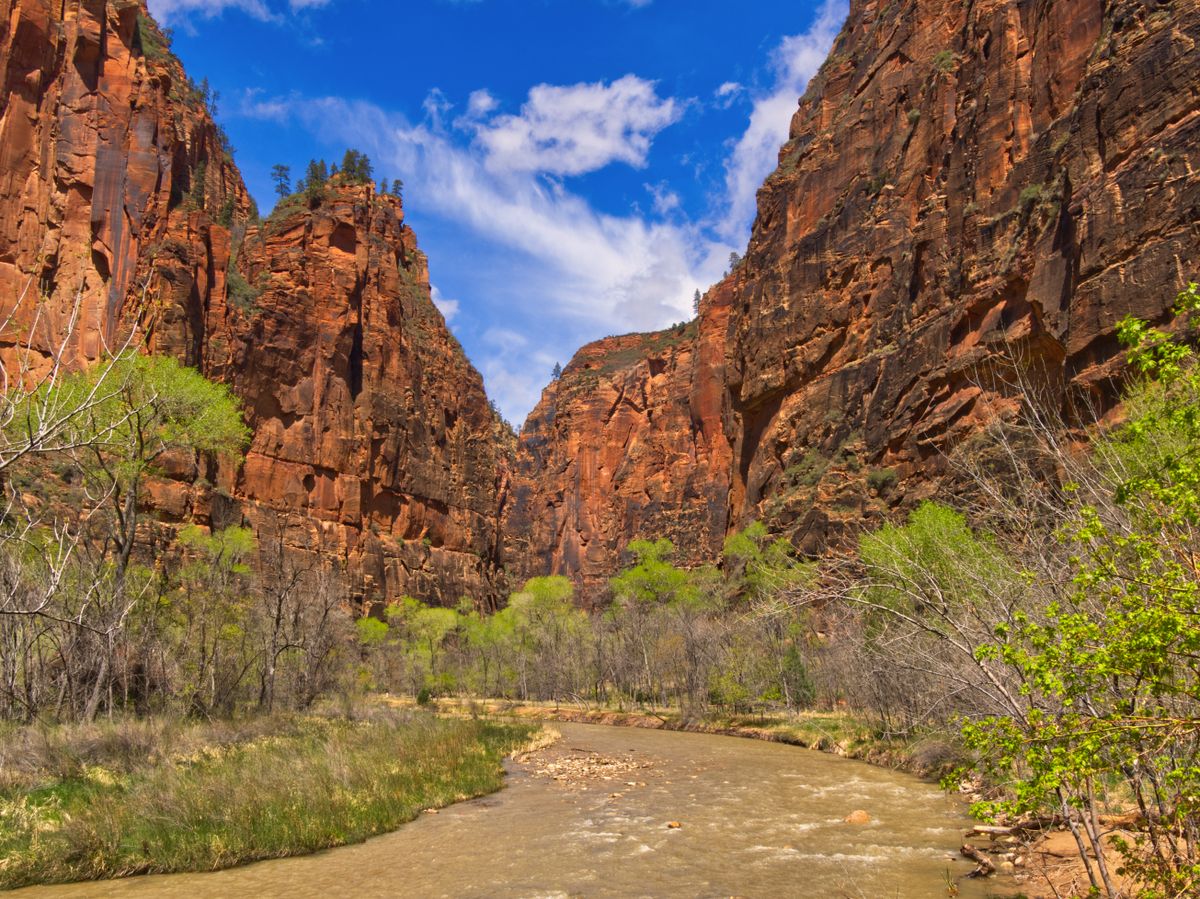
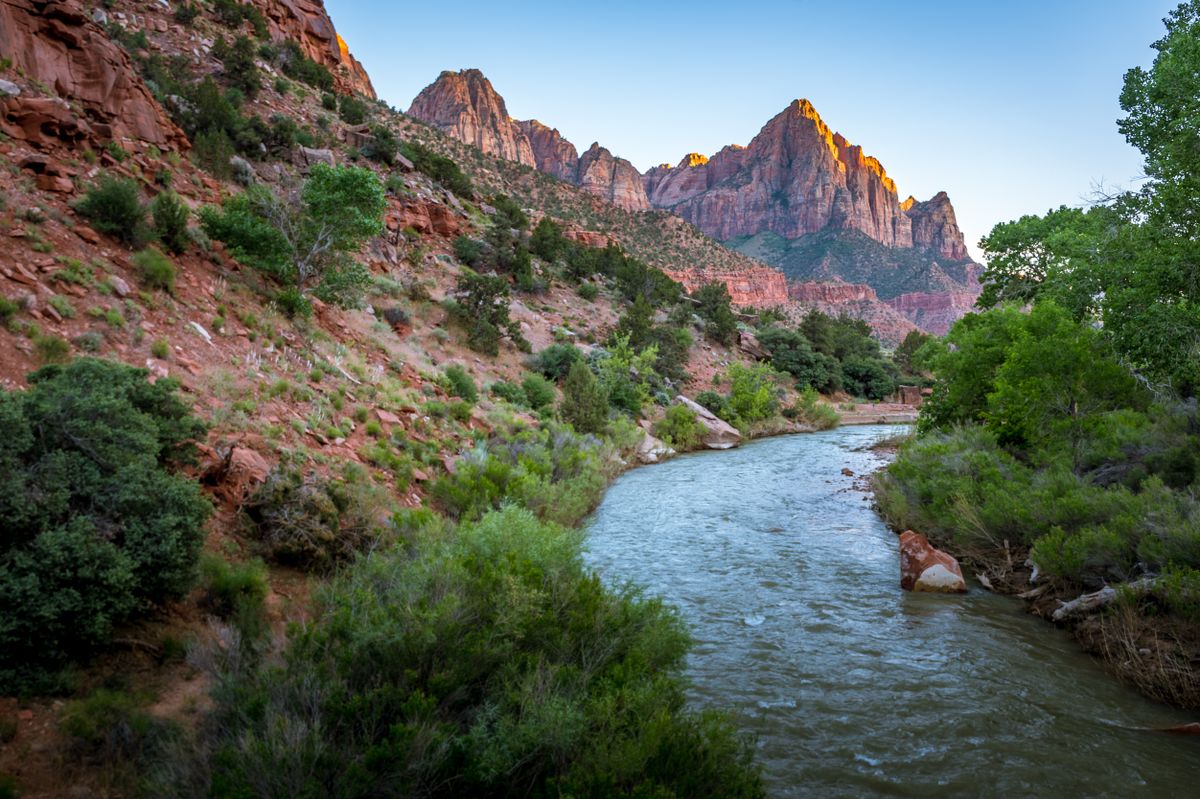
Let's get the important thing out of the way first: there is no fishing inside Bryce Canyon National Park. None. The park is a geological amphitheater, fourteen miles of eroded Claron Formation limestone carved into thousands of hoodoos, fins, and spires that glow orange and pink and white in the high-altitude sun. The drainage is the Paria River, which begins as a trickle in the bottom of the amphitheater and flows south toward the Colorado, and it is not a trout stream. It is barely a stream at all within the park boundaries. The water that does flow through Bryce Canyon carved the hoodoos and then left.
This is not a park you visit for fishing. You visit Bryce Canyon because the hoodoos are among the most otherworldly landforms on the continent, a geological display that makes the Grand Canyon look monochrome and makes Canyonlands look flat. You stand on the rim at Sunset Point and look down at Thor's Hammer and the Silent City and the Queen's Garden and your brain struggles to process what it sees. The scale is wrong. The colors are wrong. The shapes are wrong. It looks like a planet that almost-but-not-quite resembles Earth.

But here is the thing that most visitors do not realize: Bryce Canyon sits on the western edge of the Paunsaugunt Plateau at 8,000 to 9,000 feet, surrounded by the Dixie National Forest. And that national forest holds genuine trout water, small streams with wild brown trout, stocked reservoirs with rainbows, alpine lakes with brook trout, and one of the better-kept fly-fishing secrets in Southern Utah. The East Fork of the Sevier River flows through a canyon less than thirty minutes from the park entrance. Tropic Reservoir sits in the ponderosa pine forest just west of town. Pine Lake is a quiet alpine gem to the northeast. And Panguitch Lake, one of the most productive trout fisheries in the state, is a forty-minute drive to the northwest.
None of this water is famous. The Green River tailwater three hours north is the trout fishery that puts Utah on the fly-fishing map, and deservedly so. But if you are visiting Bryce Canyon and you brought a rod, or if you are willing to detour from a Yellowstone-to-Grand Canyon road trip, the fishing near the park is worth the effort. The trout are real. The setting is spectacular. And you will have the water almost entirely to yourself.
The East Fork Sevier River, The Fly-Fishing Story

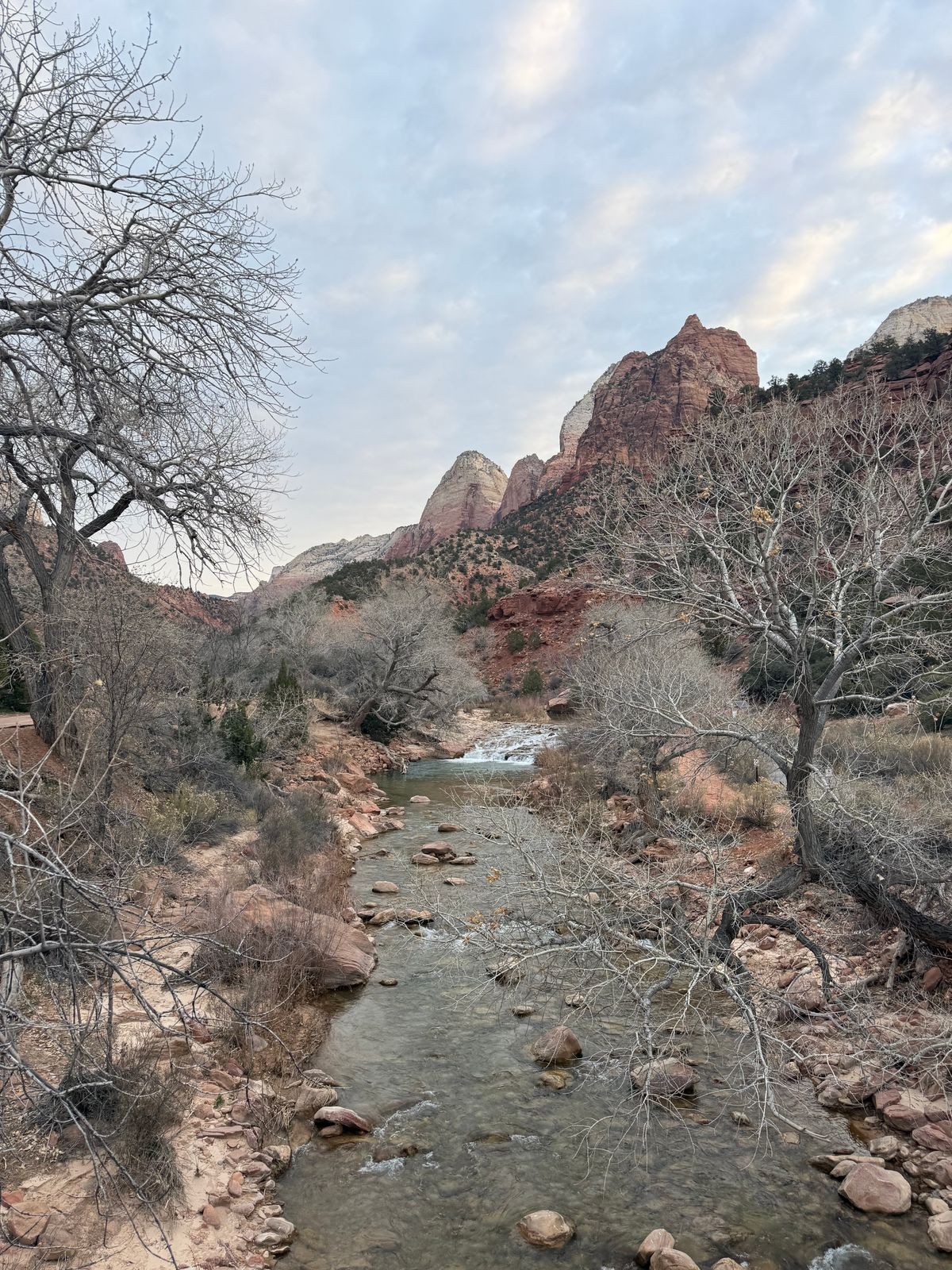
If there is a fly-fishing reason to plan a trip around Bryce Canyon, the East Fork of the Sevier River is it. This is a small freestone stream that flows north from its headwaters near the park through a series of canyons and valleys, eventually reaching Otter Creek Reservoir and then the main Sevier River. The stretch that matters for fly fishing is roughly fifteen miles of stream between the headwaters south of the town of Tropic and the canyon sections near Kingston and Antimony, all flowing through public Forest Service and BLM land at elevations between 7,800 and 8,400 feet.
The East Fork holds wild brown trout and cutthroat trout, with some stocked rainbow trout in the more accessible sections. The fish are not large by Western tailwater standards, most run 8 to 14 inches, with an occasional brown trout pushing 16 or 17 inches in the deeper pools. But this is not tailwater fishing. This is small-stream fishing in high-desert canyon country, where the pleasure is in the reading of the water, the stalk, and the setting, not in the size of the fish.
The river flows through two distinct sections that fish differently:
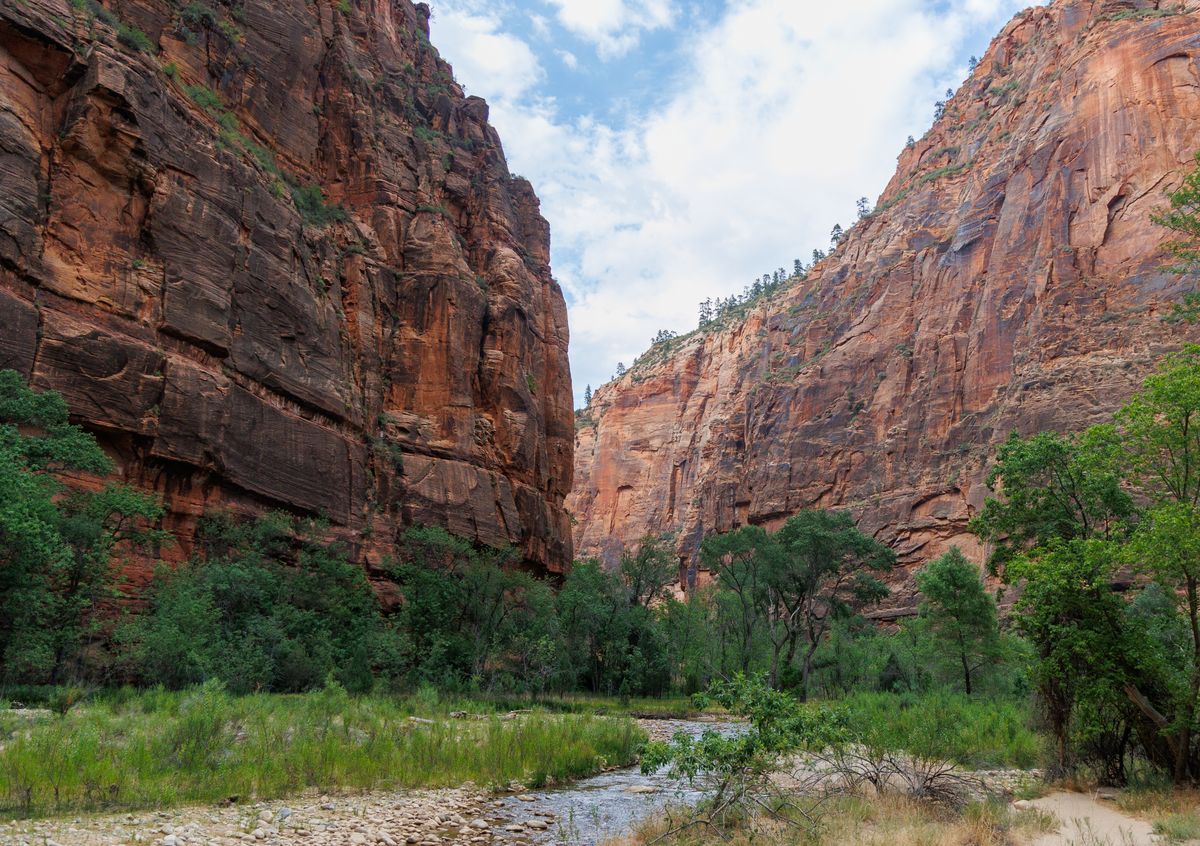
Black Canyon, the best stretch for fly fishing. From the BLM boundary approximately four miles south of Antimony upstream to the Deer Creek confluence, this section is designated artificial-flies-and-lures-only water. The canyon is narrow with steep sandstone walls, deeper pools formed by bedrock ledges, and overhanging willows that create the kind of shaded lies where brown trout grow wary. The restriction keeps bait anglers out, and the canyon terrain keeps casual visitors away. If you are willing to hike in and fish carefully, the brown trout in Black Canyon are the most interesting fish in the Bryce Canyon area, holding tight to structure, spooking at shadows, eating with the selectivity that brown trout are known for.
Kingston Canyon, a longer stretch with over nine miles of public access, more open terrain, and easier wading. The fish here are a mix of brown, cutthroat, and stocked rainbow trout. The water is shallower and wider than Black Canyon, with classic riffle-run-pool structure that reads easily. This is good water for someone new to small-stream fishing or fishing with kids, the access is straightforward, the wading is simple, and the fish are willing.
The Hatch Chart
The East Fork fishes on a high-elevation Western freestone calendar:
- Late April–May: Blue Winged Olives (#18-20) and midges (#20-24) as the water comes off snowmelt. The fish are hungry after winter, and a Parachute Adams in #18 is the searching pattern that covers everything.
- June: Caddis begin. Evening caddis hatches on the East Fork can be dense, with fish rising aggressively in the last hour of light. Elk Hair Caddis (#14-16, tan) is the go-to dry fly.
- July–August: Terrestrial season. The high-desert grasslands along the river produce grasshoppers, ants, and beetles that end up in the water. Foam hopper patterns (#8-12), ant patterns (#14-18), and beetle imitations become the primary dry flies. A Chubby Chernobyl (#10) with a Pheasant Tail dropper is the most effective rig from mid-July through September.
- September–October: Blue Winged Olives return (#18-22) alongside the tail end of terrestrial season. October is the best month on the East Fork, the crowds (such as they are) are gone, the browns are coloring up for the spawn, and the combination of BWOs and lingering hoppers means you can fish dries all day.
- Year-round subsurface: Pheasant Tail Nymphs (#16-18), Hare's Ear Nymphs (#14-16), Prince Nymphs (#14-16), and Zebra Midges (#18-22) cover the subsurface fishing on every visit.
The Fly Box
For a weekend on the East Fork Sevier, you need a small-stream box. Nothing exotic, straightforward Western trout patterns in the sizes that match the water.
Dry flies: Parachute Adams (#14-20), Elk Hair Caddis (#14-16, tan and olive), Stimulator (#10-14, yellow and orange), Chubby Chernobyl (#10-12), foam hoppers (#8-12), foam ants (#14-18), foam beetles (#14-16), Griffith's Gnat (#18-22), Comparadun BWO (#18-20)
Nymphs: Pheasant Tail (#14-18), Hare's Ear (#14-16), Prince Nymph (#14-16), Copper John (#16-18), Zebra Midge (#18-22), San Juan Worm (#12-14, red and pink)
Streamers: Woolly Bugger (#8-10, olive and black), Muddler Minnow (#8-10), for the deeper pools in Black Canyon where brown trout hold under ledges
The Gear
Rod: A 7.5- or 8-foot 3-weight or 4-weight is ideal. The East Fork is a small stream, you are not making long casts. You are flipping short, accurate presentations into pocket water, undercut banks, and plunge pools. A 9-foot 5-weight works but is more rod than you need.
Leaders: 9 feet tapered to 5X for most fishing. Go to 6X for the midge and BWO work. The water is not gin-clear like a spring creek, the tannin and sediment provide enough camouflage that 5X is fine for most situations.
Wading: Wet-wade from mid-June through September. The water is shallow enough that you rarely need waders. Felt-sole wading boots or sturdy sandals are sufficient. Earlier and later in the season, bring lightweight waders for the cold mornings.
The Lakes and Reservoirs, Stocked Trout in the High Country

The East Fork Sevier is the fly-fishing water. But the lakes and reservoirs near Bryce Canyon provide easier, more accessible fishing, especially for families or anglers who want a quick outing between hikes in the park.
Tropic Reservoir
Seven miles west of the town of Tropic on a Forest Service road, Tropic Reservoir sits at about 7,800 feet in the ponderosa pine forest. It is a small reservoir, roughly 100 surface acres when full, stocked annually with rainbow trout by the Utah Division of Wildlife Resources. The fish are mostly planters in the 10- to 13-inch range, with occasional holdover rainbows and brown trout that have survived the winter and grown to 16 or 17 inches.
Tropic Reservoir is a put-and-take fishery. The reservoir is drawn down most winters for irrigation, which limits the holdover population. The fishing is best in late May through June, when freshly stocked rainbows are active and the water is full, and again in September when the survivors have had a summer of feeding.
For fly fishing, a sinking line or sink-tip with olive or black Woolly Buggers (#8-10) stripped along the weed edges is the most effective approach. Chironomid patterns (#16-20) fished under an indicator work when the fish are feeding subsurface. On calm evenings, Callibaetis mayflies (#14-16) hatch on the reservoir and bring trout to the surface, a Parachute Adams or Comparadun in #16 covers it.
The reservoir has a Forest Service campground, vault toilets, and a boat ramp (no motors). It is a pleasant place to camp and fish for an evening, and the proximity to the park makes it an easy addition to a Bryce Canyon trip.
Pine Lake
Ten miles northeast of Tropic at 8,000 feet, Pine Lake is a smaller, quieter alternative to Tropic Reservoir. The lake holds rainbow and cutthroat trout stocked by the state, along with some brook trout in the inlet stream. The fish run small, 8 to 12 inches, but Pine Lake's setting is beautiful, ringed by spruce and fir forest with views of the surrounding plateau.
Pine Lake has a Forest Service campground with drinking water and picnic areas. Small boats are allowed, but no motors. The fishing is straightforward: cast Woolly Buggers, chironomids, or small leeches from shore or a float tube and expect planters. What Pine Lake offers is solitude, even in peak summer, this lake sees a fraction of the traffic that Tropic Reservoir does.
Panguitch Lake
Forty minutes northwest of Bryce Canyon on Highway 143, Panguitch Lake is the serious fishery in the region. This is a 1,250-acre natural lake at 8,200 feet, managed as a trophy trout fishery by the Utah DWR. Panguitch Lake holds rainbow trout, Bear River cutthroat trout, brown trout, and tiger trout, a sterile brook-brown hybrid that fights hard and grows fast. Trophy fish in the 18- to 24-inch range are caught regularly, and the slot limit on cutthroat and tiger trout (all fish between 15 and 22 inches must be released) protects the quality of the fishery.
Panguitch Lake is a different caliber of water from the small reservoirs near Tropic. The fish are bigger, the management is more aggressive, and the techniques are more specialized. Fly anglers do well here with leech patterns (#8-10, black, olive, and brown), balanced leeches fished under indicators, damselfly nymphs (#10-12) in the weed beds during June and July, and Callibaetis dries (#14-16) during the evening hatches that run from late June through August. Streamer fishing from a boat, stripping Woolly Buggers and Muddler Minnows along the drop-offs and weed lines, can produce the bigger fish.
If you are staying in the Bryce Canyon area for multiple days and want a full day of lake fishing for quality trout, Panguitch Lake is the destination. The town of Panguitch is a legitimate gateway town with lodging, restaurants, and a few tackle shops that carry local intel.
Otter Creek Reservoir
An hour northeast of Bryce Canyon near the town of Antimony, Otter Creek Reservoir is a 2,500-acre Blue Ribbon fishery that produces some of the fastest-growing trout in Utah. The reservoir's alkaline water grows rainbows at over an inch per month, four- to eight-pound trout are the norm, not the exception. Otter Creek also holds brown trout, cutthroat trout, and tiger trout.
Otter Creek is primarily a trolling and hardware fishery, but fly anglers with float tubes or pontoon boats can do well stripping large streamers and leeches along the shoreline structure. The reservoir is worth the drive if you want big fish, but it is a different kind of fishing from the intimate small-stream experience on the East Fork.
Bryce Canyon, The Main Event

The fishing near Bryce Canyon is genuine, and the East Fork Sevier in particular is worth seeking out. But the park itself is the reason you are here, and it would be dishonest to pretend otherwise.
Bryce Canyon is not actually a canyon, it is a series of natural amphitheaters eroded into the eastern edge of the Paunsaugunt Plateau. The Claron Formation limestone, deposited in a freshwater lake system 50 million years ago, has been carved by frost wedging and rainwater into a forest of hoodoos, tall, thin spires of rock capped by harder dolomite that protects the softer limestone beneath. The park contains the largest concentration of hoodoos anywhere on earth.
The rim trails provide the postcard views, Sunset Point, Sunrise Point, Bryce Point, and Inspiration Point line the eastern edge of the amphitheater at roughly 8,000 feet, looking down into the hoodoo forest. But the real experience is hiking down into the amphitheater itself, walking among the hoodoos on the Navajo Loop, Queen's Garden, and Peekaboo Loop trails. Inside the amphitheater, the scale shifts. What looked like a miniature city from above becomes a labyrinth of towering rock pillars, narrow slot-like passages, and Douglas fir trees growing in the shade of the canyon walls.
The elevation means the park is genuinely cold at night, even in July, temperatures drop into the 40s, and the season runs roughly from May through October. Winter brings snow to the rim and turns the hoodoos into a completely different landscape, white against orange, that draws photographers from around the world.
Planning the Combined Trip
The best approach to a Bryce Canyon fishing trip is to treat the fishing as the morning and evening activity and the park as the midday activity. The trout on the East Fork Sevier feed best in the early morning and the last two hours before dark, and the hoodoos are best photographed in the soft light of early morning and late afternoon anyway. Midday in both places, harsh light on the canyon, warm water on the stream, is the slow period.
A three-day itinerary that works:
Day 1: Arrive in Tropic, set up camp (or check into a lodge). Evening fishing on the East Fork Sevier, drive to the Black Canyon access, fish the last two hours of light. Evening caddis hatch if you time it right.
Day 2: Morning fishing on the East Fork or Tropic Reservoir. Midday hike in Bryce Canyon, Navajo Loop and Queen's Garden combination (3 miles, moderate). Late afternoon return to the rim for sunset views.
Day 3: Drive to Panguitch Lake for a full morning of lake fishing. Afternoon at Red Canyon (a smaller version of Bryce Canyon along Highway 12, with equally photogenic red rock and far fewer crowds). Drive out via Highway 89 toward Zion, Canyonlands, or north toward the Green River.
Regulations and Licenses
Utah requires a fishing license for anyone 12 and older. Non-resident licenses are available online through the Utah Division of Wildlife Resources. A one-day license, a seven-day license, and an annual license are all options, for a weekend trip, the seven-day license is the best value.
General statewide regulations allow artificial flies, lures, and bait on most waters, with a four-trout daily limit. However, several waters near Bryce Canyon have special regulations:
- East Fork Sevier River (Black Canyon): Artificial flies and lures only from the BLM boundary south of Antimony upstream to the Deer Creek confluence. This is catch-and-release-friendly water even though harvest is technically allowed.
- Panguitch Lake: Four-trout limit, but only two cutthroat or tiger trout under 15 inches, and only one over 22 inches. All cutthroat and tiger trout between 15 and 22 inches must be released. This slot limit protects the trophy-class fish.
- Otter Creek Reservoir: Check current DWR regulations for any special restrictions, rules have changed periodically as the fishery is managed for quality.
Tropic Reservoir and Pine Lake follow general statewide regulations with no special restrictions.
The Gateway Towns, Tropic and Panguitch
Tropic is the closest town to Bryce Canyon's entrance, a small agricultural community on Highway 12 with a handful of motels, a few restaurants, and the kind of quiet Main Street where you can park a truck and trailer without thinking about it. The town sits in the Tropic Valley at 6,300 feet, below the park rim, and serves as the practical base for both the park and the East Fork Sevier fishing. There is no fly shop in Tropic. The nearest tackle is at the general stores, which carry basic spinning gear and bait.
Panguitch is thirty miles northwest on Highway 89, a slightly larger town with more lodging, more dining, and the benefit of being the gateway to Panguitch Lake. Panguitch has a few sporting goods stores that carry fly-fishing gear and can provide current conditions on the lake and the upper Sevier. If you are planning to fish Panguitch Lake, staying in Panguitch and driving to Bryce Canyon for the hiking makes more sense than the reverse.
Both towns are quiet, uncrowded, and inexpensive compared to the gateway towns of the more famous national parks. This is rural Utah at its most genuine, ranching communities that happen to sit adjacent to extraordinary geology.
The Honest Assessment

Bryce Canyon is not a fly-fishing destination. The Green River is three hours away and is one of the great trout rivers in the American West. Rocky Mountain National Park has fishable water inside the park boundaries. Yellowstone is a fly-fishing pilgrimage. Bryce Canyon does not belong in that conversation.
What Bryce Canyon offers is a national park visit that happens to have solid trout water nearby, and the East Fork Sevier, in particular, is an underrated small stream with wild brown trout in beautiful high-desert canyon country. If you are the kind of angler who travels with a rod in the car and adds a few hours of fishing to every trip, the Bryce Canyon area rewards that habit. The fish are there. The water is public. The scenery, both above and below the rim, is extraordinary.
And the hoodoos, the reason you came in the first place, are worth every mile of the drive. Stand on the rim at sunrise, watch the light turn the amphitheater from grey to gold to blazing orange, and understand that you are looking at a landscape that took 50 million years to build and will be gone in another million. Then drive to the East Fork, string up your rod, and fish a Parachute Adams through a riffle while the sun goes down behind the Paunsaugunt Plateau. That is a day in Southern Utah that you will not forget.
The Great Basin National Park guide covers similar high-elevation Western trout fishing in the neighboring state. For the famous Utah tailwater, see our complete Green River guide. And if your road trip takes you further into Utah's canyon country, the Canyonlands guide covers the desert warmwater fishing that is a different universe from the cold-water trout streams near Bryce.