Fish
Fish Fire
Fire Hike
Hike Bird
Bird

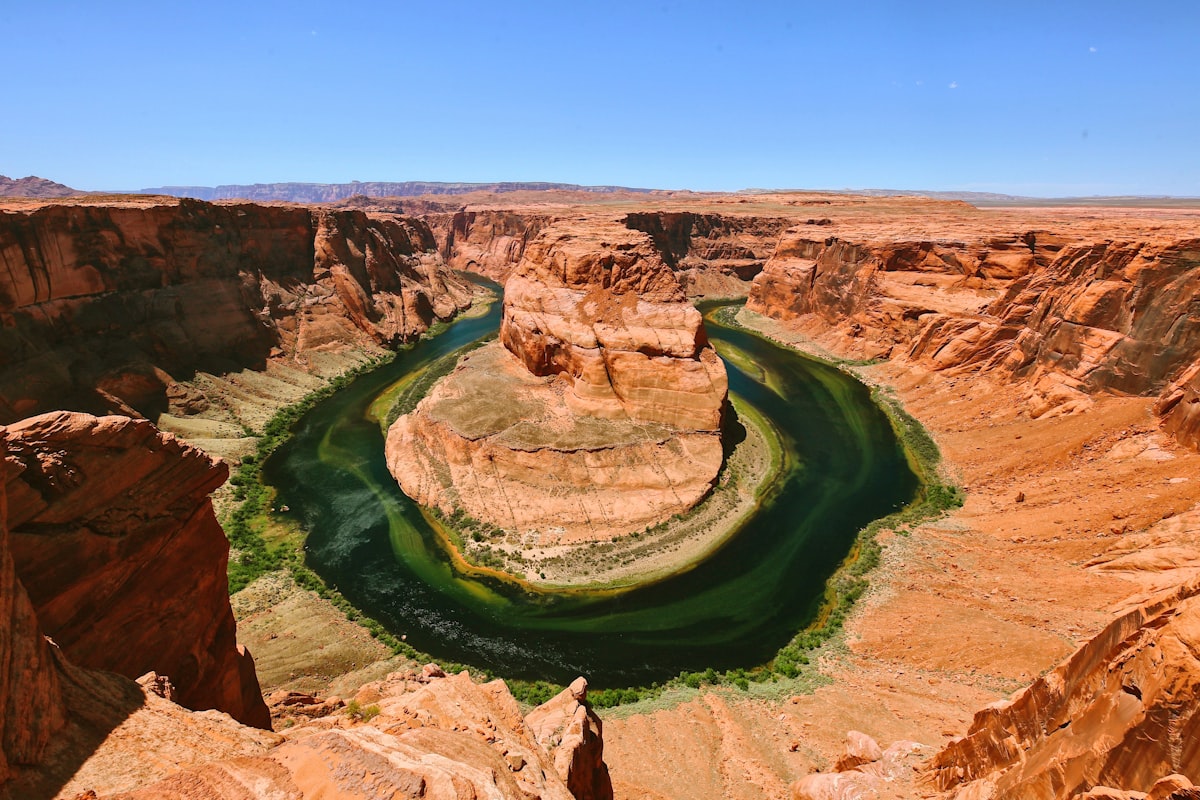

The Green River below Flaming Gorge Dam is one of those fisheries that shouldn't exist. The river flows through the high desert of northeastern Utah, sagebrush, sandstone, and a landscape so dry that the nearest tree is whatever you brought with you. And yet the water pumped from the bottom of Flaming Gorge Reservoir emerges at a constant 42-52°F, crystal clear, loaded with nutrients, and capable of supporting trout populations that electrofishing surveys have measured at 8,000 to 14,000 fish per mile.
Those aren't hatchery numbers. The Green River's trout are wild, rainbow, brown, and cutthroat trout that reproduce naturally in the tailwater's gravel and grow fat on a year-round diet of scuds, midges, mayflies, and the most anticipated dry-fly event in the West that nobody outside Utah talks about: the cicada hatch.
The river runs 28 miles from the dam to the Colorado state line, divided into three sections, A, B, and C, that fish so differently they might as well be different rivers. Section A is a technical wade-fishing paradise with 14,000 trout per mile. Section B is a remote canyon float through the most beautiful water you'll fish this year. Section C is the trophy-brown-trout stalking ground where streamers replace size 22 midges and the fish get genuinely large.
Together, they make the Green River one of the finest tailwater fisheries on Earth. And the town at the top, Dutch John, population 200, is possibly the smallest community in America built entirely around a world-class fly fishery.
Section A, The Dam to Little Hole (7.2 miles)

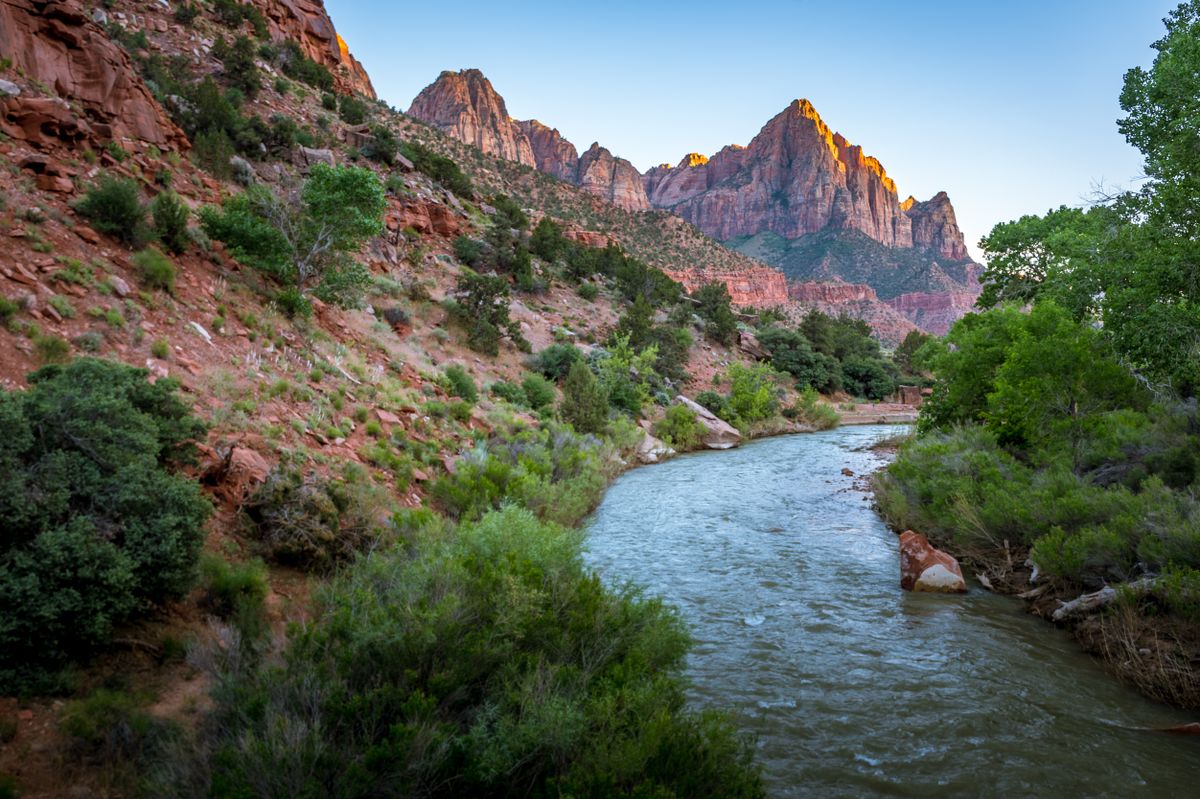
Section A is the river's showcase. The water pours from the base of Flaming Gorge Dam and flows 7.2 miles through Red Canyon to the Little Hole recreation area. The canyon walls are Precambrian quartzite, dark red and grey, and the river runs emerald green between them. It's one of the most visually striking pieces of trout water in the American West.
The fishing matches the setting. Section A holds the highest trout density on the river, 12,000 to 14,000 fish per mile in the best stretches. The trout are predominantly rainbow trout (60-70%), with brown trout (20-25%) and Bonneville cutthroat trout (5-10%) mixed in. The average fish runs 14 to 16 inches, with rainbows over 20 inches caught regularly and the occasional brown pushing 22.
Wade fishing is the primary technique on Section A. A maintained trail runs the length of the section along the north bank, providing walk-in access to every named run and riffle. The famous spots, Lunch Counter, Mother-in-Law, Secret Riffle, Black Lagoon, have names because they've been producing fish for decades, and they still produce because the trout density is high enough that even pressured water holds fish.
The wade fishing is technical. Section A fish see more flies per season than trout on most rivers see in a lifetime. They've been educated by a parade of anglers walking the trail, and they respond by becoming selective, refusing anything that drags, ignoring flies that are one size too large, and requiring the kind of dead-drift precision that separates competent fly anglers from great ones.
The technique: Long leaders (9 to 12 feet), fine tippet (5X to 7X fluorocarbon), and small flies (#18-24 midges and BWOs for much of the year, #16-18 PMDs in summer). The dead drift must be perfect, the smooth tailwater current magnifies every micro-drag, and Section A fish won't tolerate it. Mending is constant and critical. Many anglers fish indicator nymphing (a small thingamabobber with two-fly rigs) through the deeper runs, switching to dry flies when hatches bring fish to the surface.
Float trips on Section A run the full 7.2 miles from the dam to Little Hole, covering water that the trail doesn't reach on the south bank. The float is Class I-II, easy whitewater that's manageable for beginning rowers but adds excitement at higher flows. Most guide trips on Section A combine floating and wading, pulling over to fish the best runs from the bank.
Section B, Little Hole to Indian Crossing (9 miles)
Section B is the river's secret. The B section leaves the canyon, opens into the Browns Park valley, and becomes a different river, wider, slower, with long pools, grassy undercut banks, and a dramatic reduction in fishing pressure because the access requires a 45-minute drive on a dirt road.
The upper B section (the first few miles below Little Hole) fishes like Section A, riffles, runs, and pocket water with high trout density. But as the river opens into the valley, the character changes. The pools get longer and slower. The banks turn from rock to grass and willows. The trout see fewer anglers, which means they're less educated, and they average larger.
Brown trout become more prominent on Section B. The grassy undercut banks and deep, slow pools are textbook brown trout habitat, and the B section holds fish that rarely see streamers or dry flies. On the right day, a big brown will eat a hopper with the reckless abandon of a fish that's never been fooled.
Float trips are the standard on Section B. The dirt-road shuttle makes wade fishing impractical for most visitors, and the drift boat covers the 9 miles efficiently. Guides who specialize in the B section know the water intimately, which bank holds fish at which flow, where the browns stage on which tide (the dam's hourly flow fluctuations create tide-like water-level changes), and where to pull over for the best wading opportunities.
Section C, Indian Crossing to the State Line (12 miles)

Section C is the trophy water. The river flows through open prairie, flat, wide, and slow, with long runs, deep bends, and undercut banks that hold the largest brown trout on the Green River. The trout density is lower than Sections A and B (the river has widened and warmed slightly), but the average size is higher. Section C browns of 20 to 24 inches are realistic, and fish over 26 inches are caught every season.
Streamer fishing is the C-section technique. While Sections A and B reward small flies and technical presentations, Section C rewards aggression. Local guides fish articulated streamers, Circus Peanuts, Sex Dungeons, Drunk & Disorderlies in #2-6, on sink-tip lines with 0X to 2X tippet, stripping them along the undercut banks with slow, erratic retrieves. The takes are violent, a 22-inch brown turning on a streamer in two feet of water creates a wake that looks like a beaver tail-slap.
Section C also fishes well with dry flies during the summer months, hopper patterns along the grassy banks, and cicadas during the hatch (more on that below). But the streamer game is what draws serious anglers to the C section specifically.
Access: Section C is reached by drift boat (float from Indian Crossing) or by the dirt road that parallels the river through Browns Park. Some wading access exists along the road, but the float covers far more water.
The Hatch Chart, Midges to Cicadas
The Green River's hatch cycle is one of the most complete of any tailwater in the West, a 12-month progression that keeps fish rising and anglers busy year-round.
- January–March: Midges (#18-24, black, red, chartreuse), the winter staple. The dam keeps the water at a constant temperature, so midge activity never stops. Fish cluster midge patterns and Griffith's Gnats on the surface, and midge larvae and pupae subsurface.
- March–May: Blue Winged Olives (#18-22), the first real mayfly hatch. BWOs peak on overcast, drizzly days and bring the first sustained surface feeding of the year. Pablo's Cripple and Sparkle Duns in olive are the go-to patterns.
- Late May–August: Pale Morning Duns (#16-18), the summer backbone. PMDs hatch from late May through August and drive the best sustained dry-fly fishing of the year. Comparaduns, cripples, and spinners in pale yellow cover the progression.
- May–June: CICADAS (#8-10), the event. When the ground temperature hits the mid-60s, cicadas emerge from the soil along the riverbanks and fly (badly) into the water. The trout go berserk. Fish that have been eating #22 midges for three months suddenly have a #8 protein bomb landing on the surface, and they commit to it with explosive, deliberate eats. The cicada hatch is unpredictable (some years it's massive, others it's sparse), but when it's on, it's the best dry-fly fishing on the Green River and possibly the most exciting dry-fly event on any tailwater in America.
- June–September: Caddis (#14-16) and Yellow Sally Stoneflies (#14-16) overlap with the PMDs. Elk Hair Caddis in tan covers most caddis situations.
- August–October: Terrestrials, hoppers (#8-12), ants (#16-20), beetles (#14-16). The C-section grasshopper fishing along the prairie banks is outstanding.
- October–December: Fall BWOs (#18-22) return. Streamer fishing for pre-spawn browns peaks in October and November. Midges carry the fishery back into winter.
The Fly Box
Dry flies: Cicada pattern (#8-10, foam), Chubby Chernobyl (#8-12), PMD Comparadun (#16-18), PMD Sparkle Dun (#16-18), BWO Comparadun (#18-22), Elk Hair Caddis (#14-16, tan), Griffith's Gnat (#18-22), Parachute Adams (#14-20), hopper (#8-12), ant (#16-20)
Nymphs: Zebra Midge (#18-24, black/red/chartreuse), Mercury Midge (#18-22), RS2 (#18-22), Pheasant Tail (#16-20), Frenchie (#14-18, red/chartreuse), San Juan Worm (#12-14, red), Scud (#14-18, olive/orange/pink), Copper John (#14-16)
Streamers (Section C): Articulated Circus Peanut (#2-4), Sex Dungeon (#2-6), Woolly Bugger (#4-8, olive/black), Sculpzilla (#4-6)
The Gear
Rod: 9-foot 5-weight is the standard, versatile enough for nymphing, dry flies, and light streamers on Sections A and B. For Section C streamer work, bring a 9-foot 6-weight or 7-weight with a sink-tip line.
Leaders: 9 to 12 feet tapered to 5X or 6X for dry flies and indicator nymphing. Go to 7X for midge fishing when the fish are being technical. 0X to 2X for Section C streamers.
Tippet: Fluorocarbon is essential on the Green, the water clarity exposes mono, and the educated Section A fish notice. Carry 4X through 7X fluorocarbon.
Line: Weight-forward floating for most situations. Bring a sink-tip (150-200 grain) for Section C streamer work.
The Culture, Dutch John, Population 200

Dutch John, Utah is a town of 200 year-round residents at the base of Flaming Gorge Dam. It exists because the dam exists, and it survives because the fly fishing sustains a small economy of guide services, a lodge, a handful of rental cabins, and a general store. There is no Starbucks. There is no cell service on most of the river. What there is: some of the best trout fishing on the planet and the kind of quiet that you forget exists until you're standing in it.
The remoteness is part of the experience. Dutch John is 3.5 hours from Salt Lake City, and the drive crosses some of the most empty, beautiful high-desert landscape in the West. You arrive at the river feeling like you've left the world behind, because you have.
When to Go
- March–May: BWO hatch, the river waking up, possible early cicadas, fewer anglers than summer
- May–June: Cicada hatch (when it happens) and PMD emergence, the most exciting dry-fly window
- July–August: Peak PMD, caddis, terrestrials, full guide season, the most predictable fishing
- September–November: Fall BWOs, streamer season on Section C, pre-spawn browns, the trophy window
- December–February: Winter midge fishing, solitary, technical, and surprisingly productive